Equipment
Canon RF 100-300mm f/2.8 Review: Photographing Brown Bears in Katmai

There I was, sitting in my office thinking about an upcoming photography trip, as I so frequently do. I often like to take little breaks from redundant office work or photo editing to dream and fantasize about upcoming adventures.
Not only do I like to imagine what upcoming adventures will be like, but I also try to plan for all of my photography trips as much as possible. Ample planning and brainstorming help to ensure I bring just the right gear to capture the images I have in my head. Packing the correct cameras, lenses, and accessories is absolutely essential for any photography adventure.
As a professional photography trip leader for Backcountry Journeys, I spend a lot of time on the road leading workshops in some of the most picturesque and incredible locations on earth. A lot goes into these trips, and I’m constantly thinking about what gear to bring.
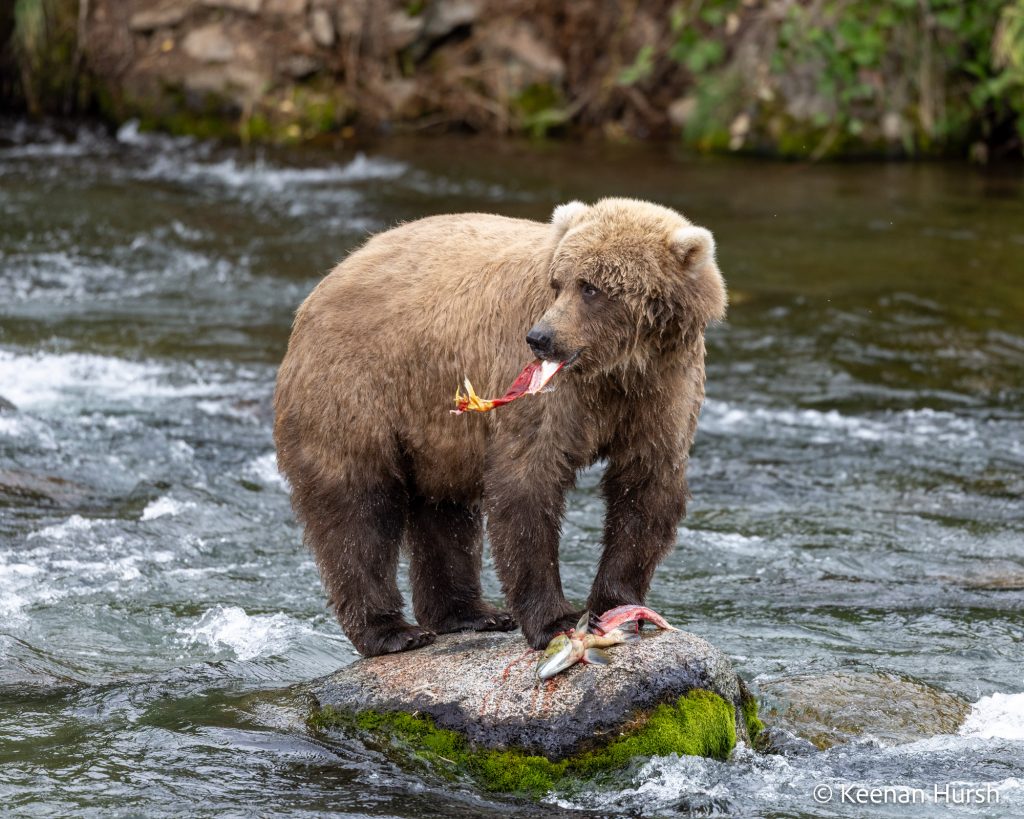
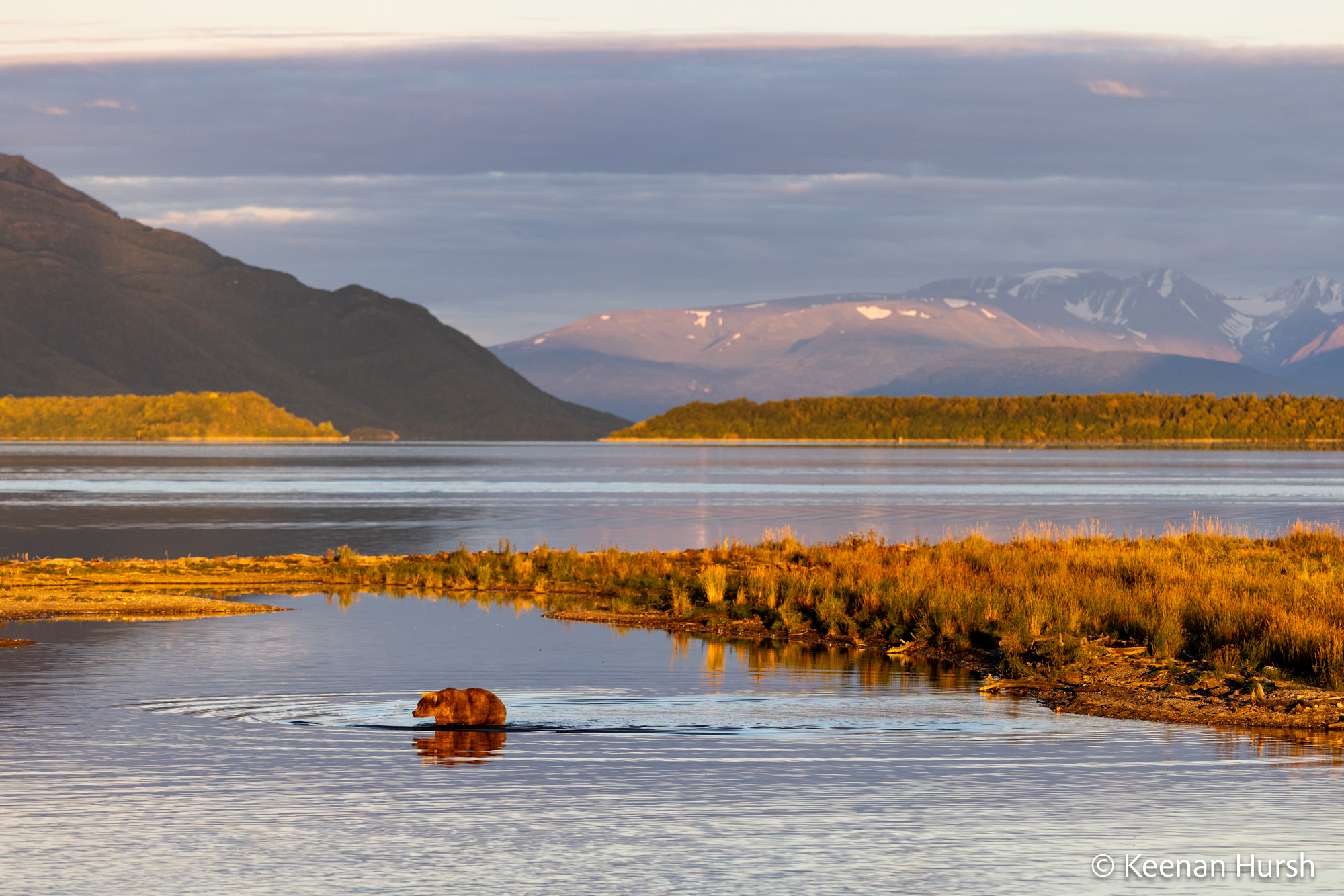
In this particular instance, I was prepping to lead two back-to-back workshops in one of my absolute favorite places on earth: Katmai National Park. Specifically, we would be camping at and photographing brown bears at the Iconic Brooks Falls. I’ve photographed many bears at Brooks and other locations in Katmai before, so I knew exactly what kinds of images I wanted to achieve on these two workshops. I wanted to get some nice up-close portrait shots with a creamy background, slightly wider-angle environmental photos, and some great action shots of bears charging through the river attempting to catch fish. To achieve these images, especially the action and environmental shots, I would need to expand my arsenal and rent a lens that I don’t own.
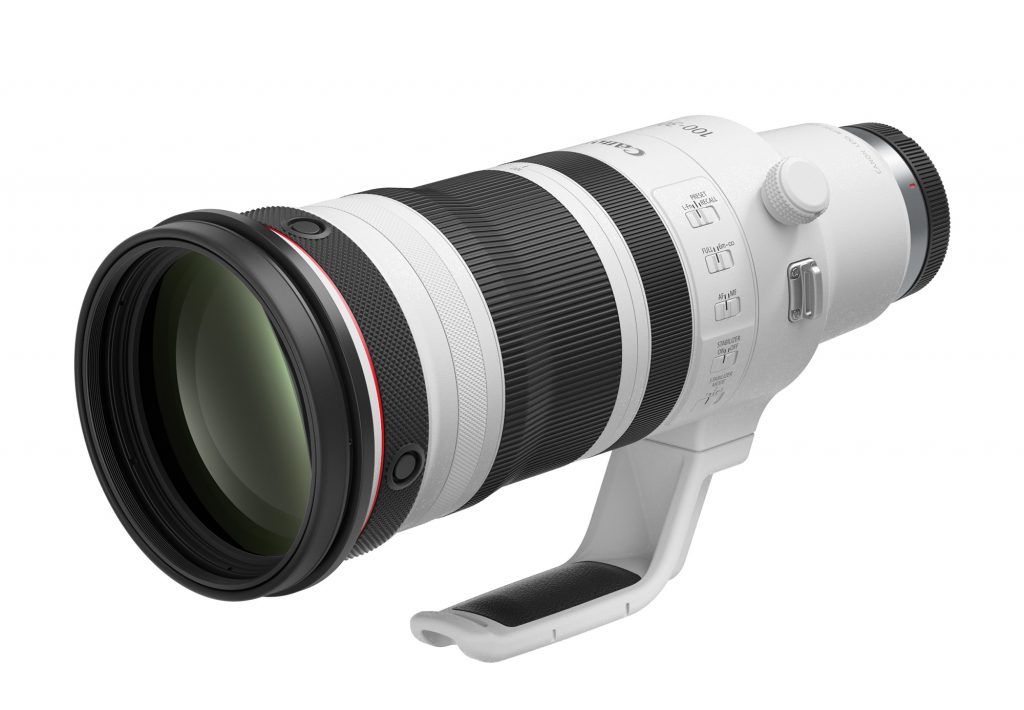
I shoot with Canon gear and have been dreaming of shooting with a specific lens ever since it came out. When Canon first announced the RF 100-300 f/2.8 lens a while ago, I knew I had to get my hands on one, even if it was just for a single trip. Having a constant maximum aperture of f/2.8 across a versatile and flexible focal range of 100-300mm with razor-sharp optics is a unique feature that not many other brands offer. I own Canon’s EF 600mm f/4 lens, which is my go-to glass for wildlife, but in Katmai National Park, you can get quite close to the bears, so I knew I would need something a bit wider while still delivering incredible performance.
I’ve rented gear from Lensrentals before and have had nothing but good experiences. For my upcoming adventure in Alaska, I knew it was time to try out this awesome lens from Canon and reach out to the team at Lens Rentals. This article will give an in-depth review of the Canon RF 100-300mm f/2.8. Let’s get into the nitty-gritty details!
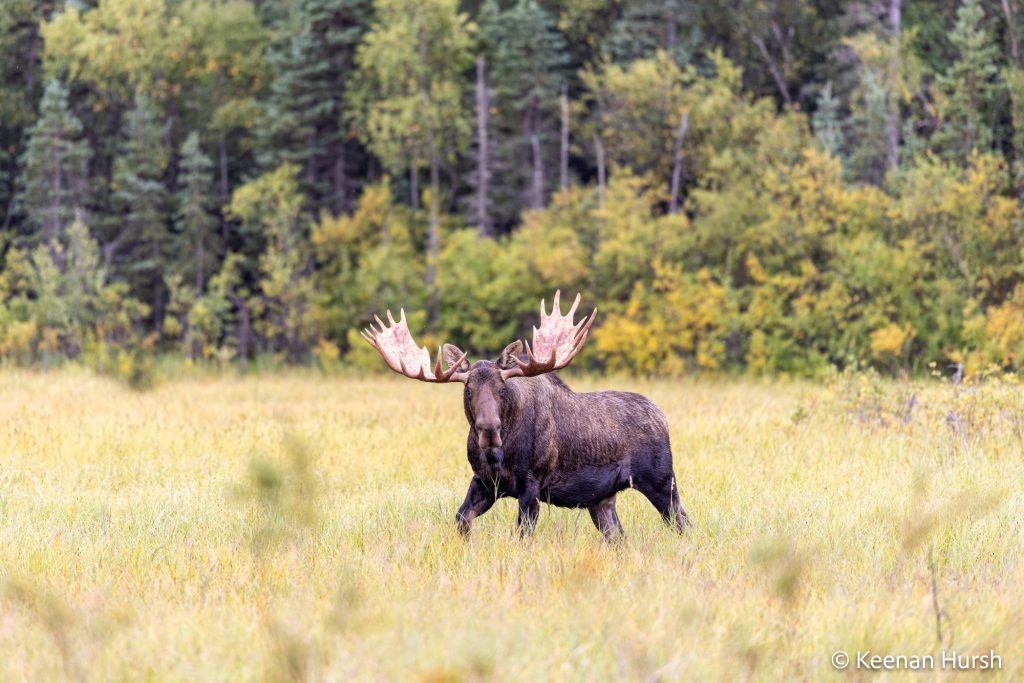
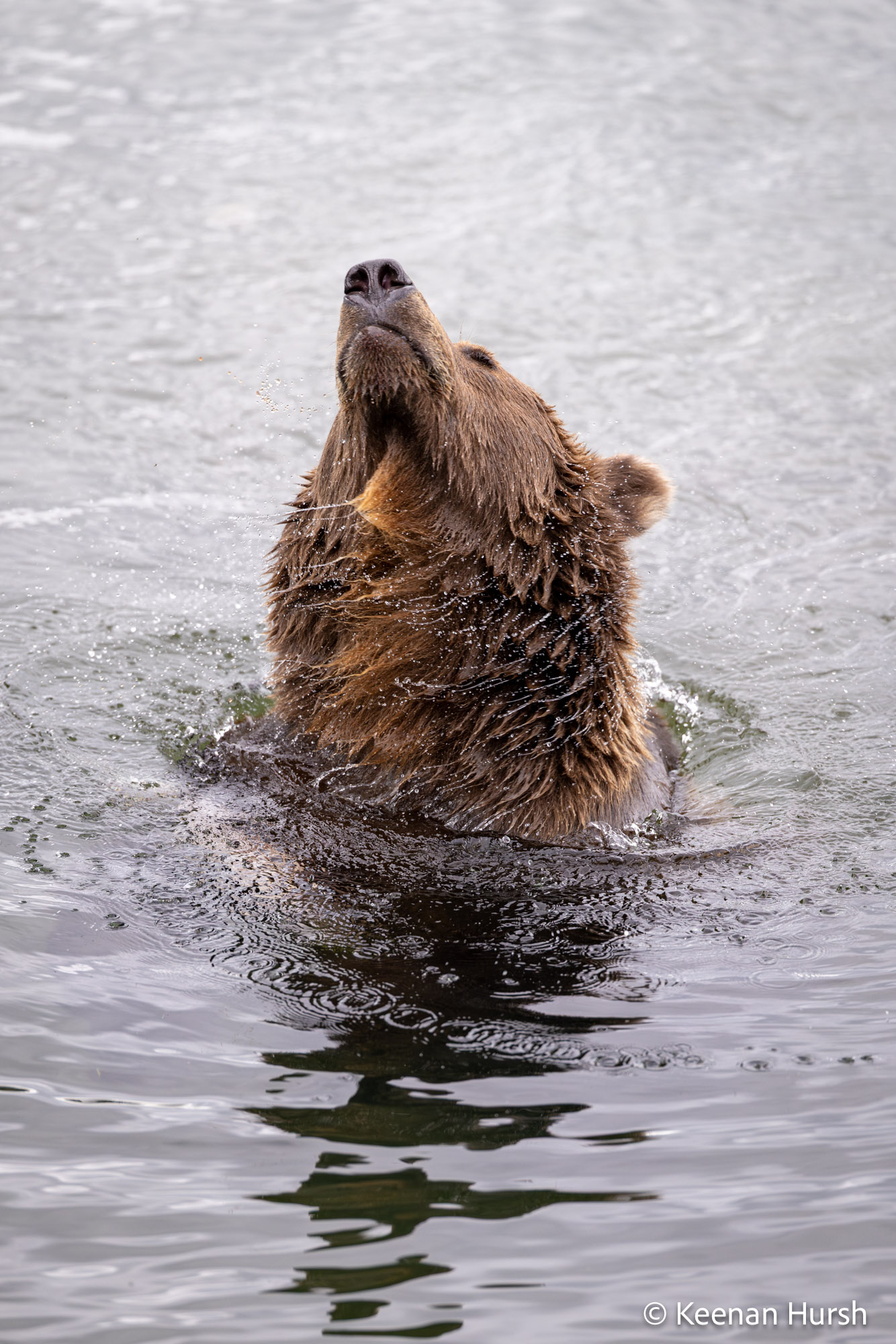
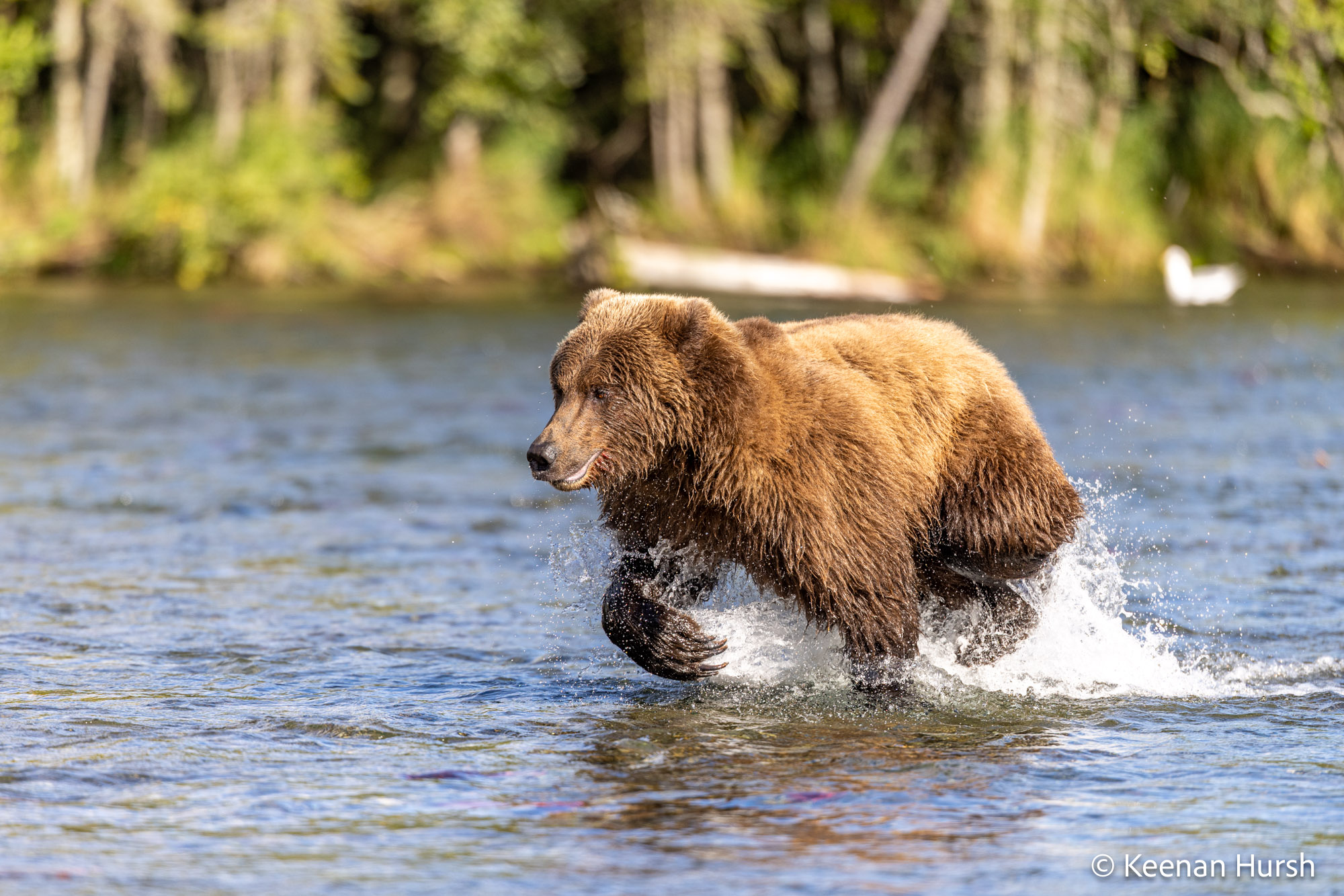
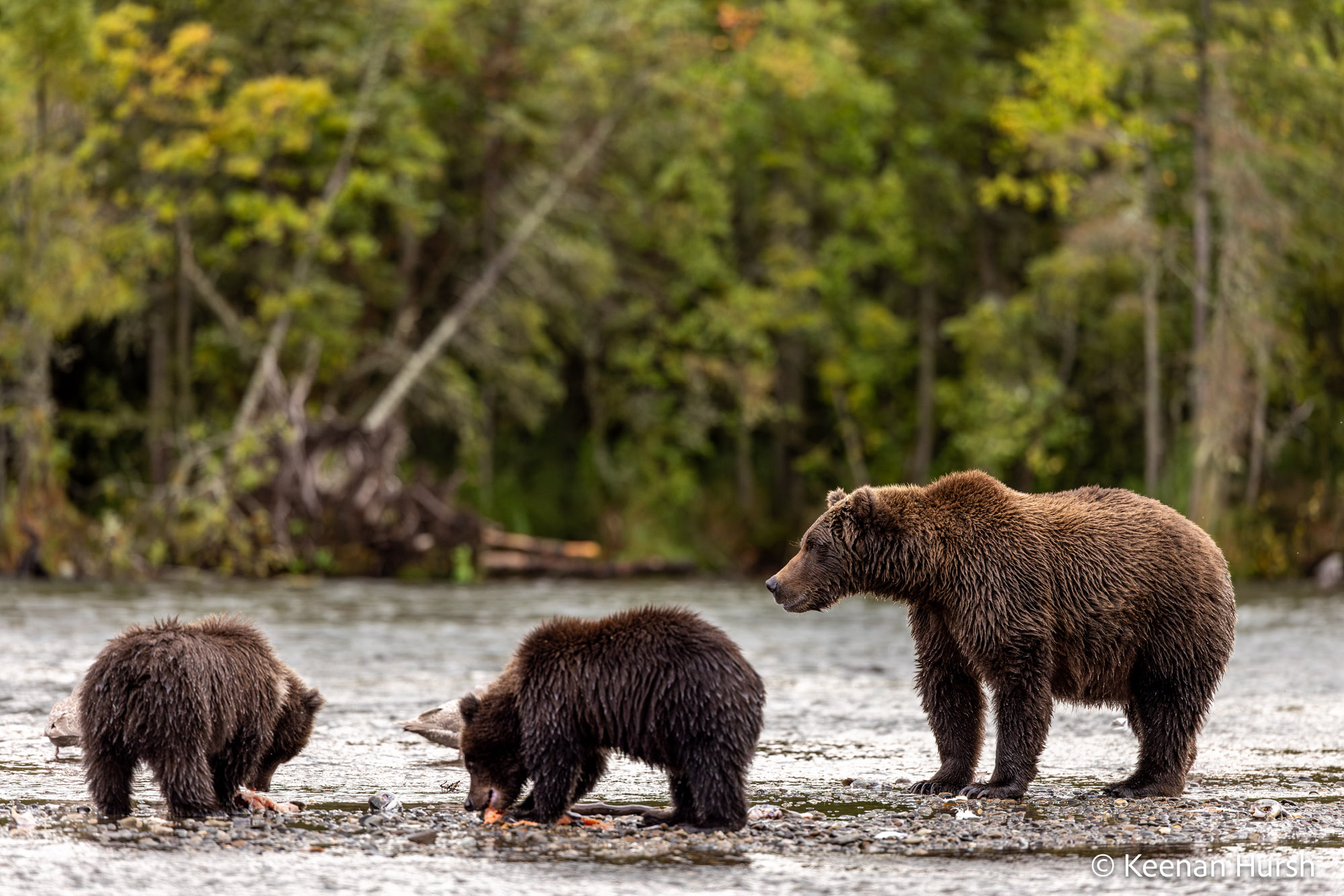
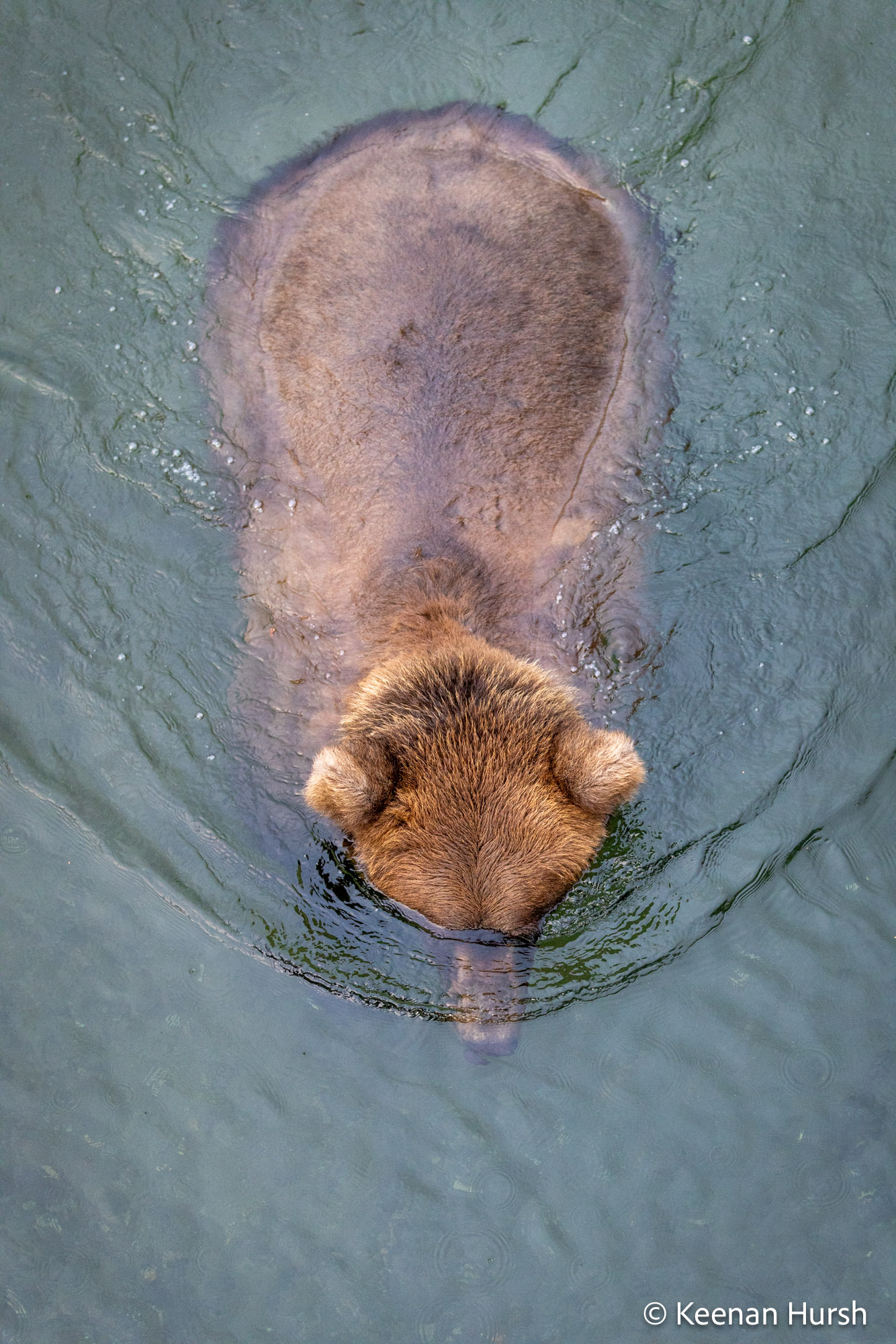
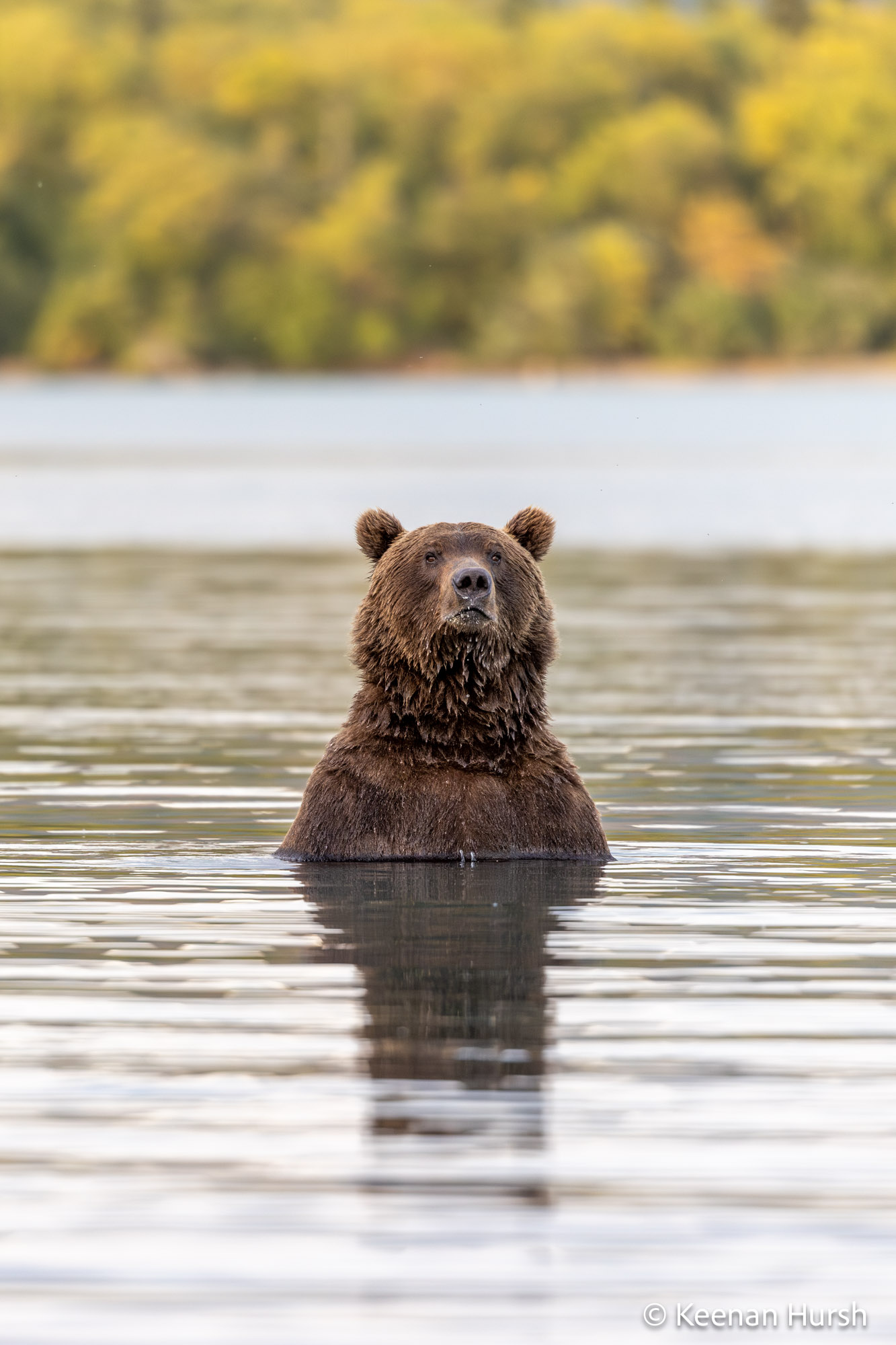
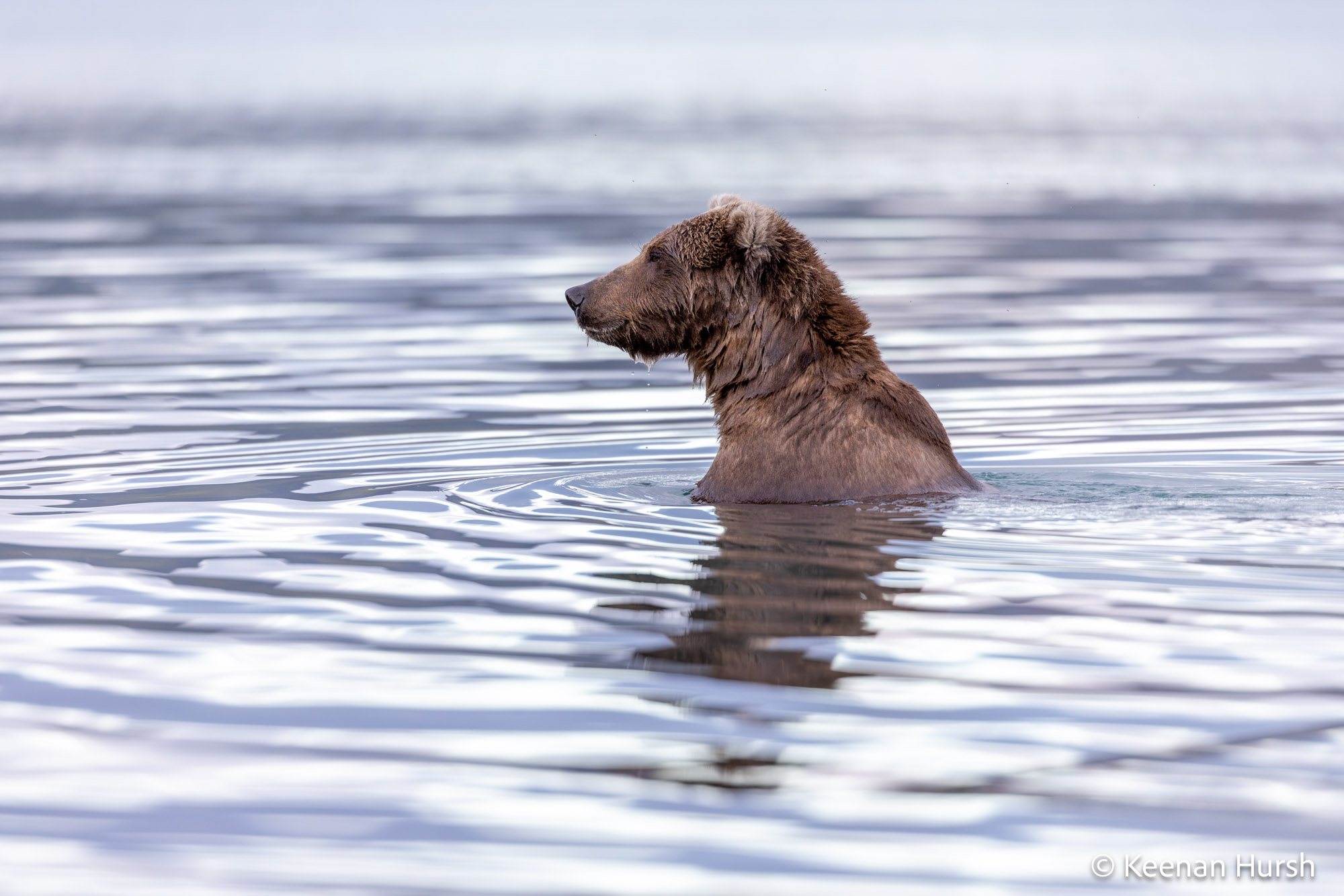
NOTE: All Images in this article were captured with the Canon RF 100-300mm f/2.8
Overview
As I mentioned before, this is a lens that I’ve been wanting to get my hands on for quite some time. When Canon first released it a little over a year ago, it was a real head turner and marked a significant shift in Canon’s overall strategy moving forward. It has become clear that Canon aims to produce several fast telephoto and super-telephoto zoom lenses with the sharpness and optics of their tried-and-tested prime lenses. This is a tall order, but the 100-300mm f/2.8 is, in my opinion, a significant first step.
Overall, I really enjoyed shooting with this lens, and it was really great for Brooks Falls. There are bears everywhere here, and oftentimes you can find yourself quite close to them, especially when you’re on the viewing platforms. Because of this, having something wider and more flexible than my 600mm prime was incredibly useful. I would often start photographing a bear at a distance with the 600mm and then quickly change over to the 100-300mm as it got closer. The 100-300 was my go-to lens for almost every encounter within 50-75 yards, and I absolutely loved shooting with it. On top of that, with a constant maximum aperture of f/2.8, I was able to get great subject isolation from creamy backgrounds, and when combined with phenomenal image stabilization, I could use the lens in low-light situations without having to bump my ISO up through the roof. I’m really glad I rented this lens and finally got to test it out in person.
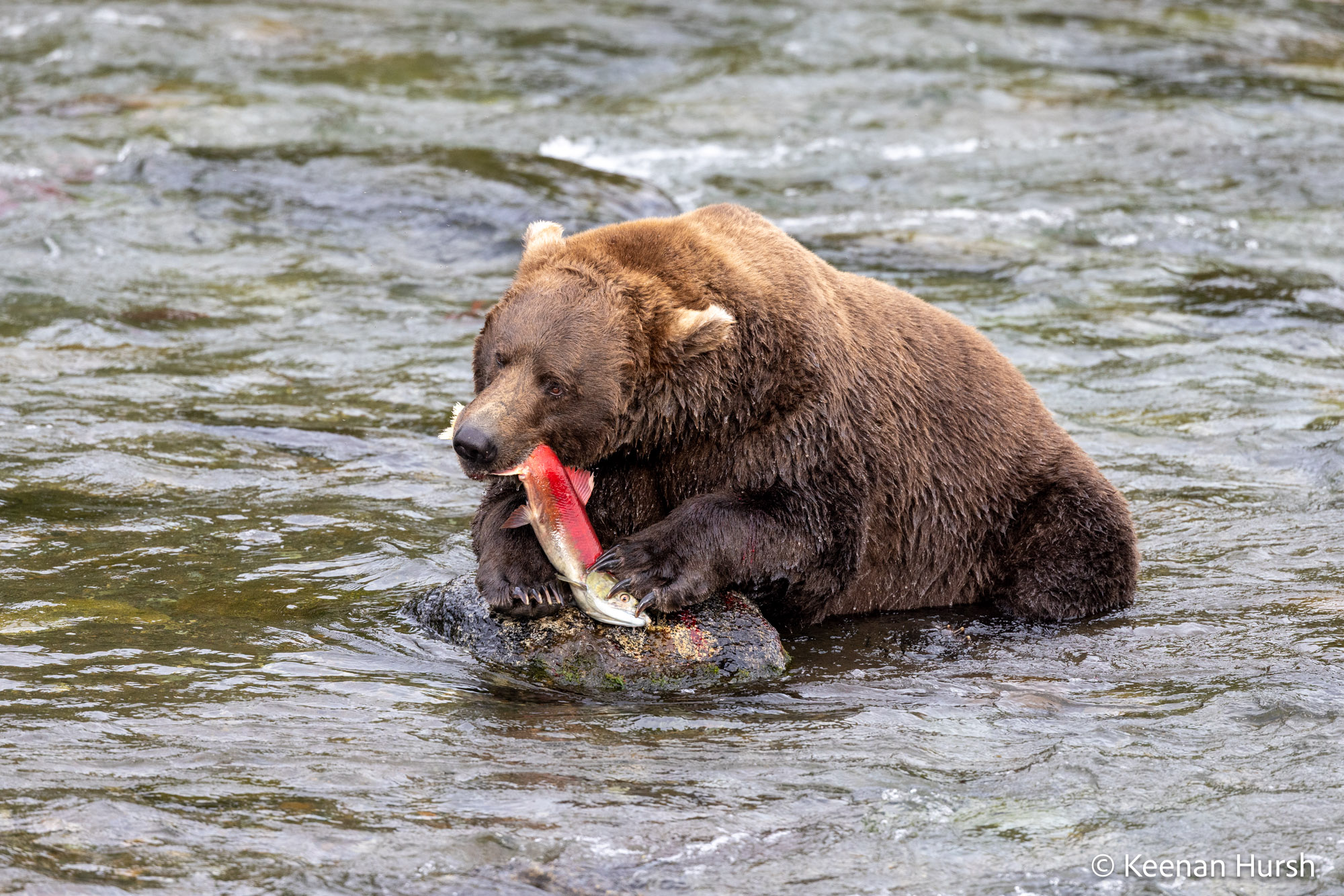
With that being said, let’s dive into the specifics. I’ll cover the positives and negatives I experienced while using the lens and hopefully provide some insightful information for anyone thinking of renting it.
Positives:
I had a very positive experience using this lens, and overall, I was quite impressed with pretty much every aspect of the design. In fact, it’s hard to think of many negative aspects whatsoever. More on that later. Here are the specific positives that really stood out to me:
- Super Sharp: This thing is tack-sharp. I’ve shot with some phenomenal prime lenses over the years, and even on this trip, I frequently used my 600mm f/4, so I’m used to the incredible sharpness and clarity that lenses like this offer. The Canon RF 100-300mm is pretty much right on par with the best prime lenses currently available. And for a zoom lens, that’s saying something. Throughout the entire focal length, I was very impressed and pleasantly surprised by just how sharp this lens is.
- Wicked Fast: Another one of my favorite aspects of this lens is the very fast constant maximum aperture of f/2.8. Not only does this allow you to achieve fast shutter speeds in low light situations without having to max out your ISO, but it also creates a beautiful narrow depth of field. Especially when photographing closer subjects, I was able to easily achieve creamy and soft backgrounds at f/2.8, f/3.5, and f/4 while keeping my subject razor sharp. Having a wide aperture like f/2.8 from 100-300mm is a game-changer.
- Great AF: The Canon RF 100-300mm f/2.8 is also fast when it comes to autofocus. Even with fast-moving scenes such as bears charging through the water in pursuit of fish or eagles flying through the air, this lens was quick to find subjects and accurately tracked them, no matter what I threw at it. Sure, there were a few misses here and there, but after capturing thousands of images over the course of 8 days, my hit rate was very high.
- Versatile Focal Range: Another key highlight and selling point of this lens is its flexible focal range. Being able to zoom in and out between 100-300mm is awesome. You can continue to capture stunning images of a subject as it moves towards you without having to change lenses. I have the Canon RF 70-200mm f/2.8 lens, which is great in its own right, but I often wish I had just a bit of extra reach on the long end. And with my 600 prime, I usually find myself too zoomed in, especially in Katmai. The 100-300mm finds a great middle ground between these two lenses, and I enjoyed it much more than my 70-200mm for this trip and style of shooting.
- Durable, Weather-Proof Design: Just like many modern top-tier lenses, this thing features a very durable design and superb weather sealing. I used it in light rain for quite some time and knew that there would be no issues.
- Great for Handheld Shooting: If you like the flexibility and quickness of shooting handheld, then you will love using this lens. It’s a great shape and size and has excellent ergonomics, allowing you to comfortably hold it while adjusting the focus and zoom rings with ease. I found I could hold it up for long periods of time without getting too fatigued or uncomfortable. This is pretty much the opposite experience of my massive and heavy 600mm f/4.
- Relatively Lightweight / Transportable: Along those same lines, this lens is pretty lightweight and compact considering its specs. It was easy to carry on the plane, and you can fit it in most camera bags without any issues.
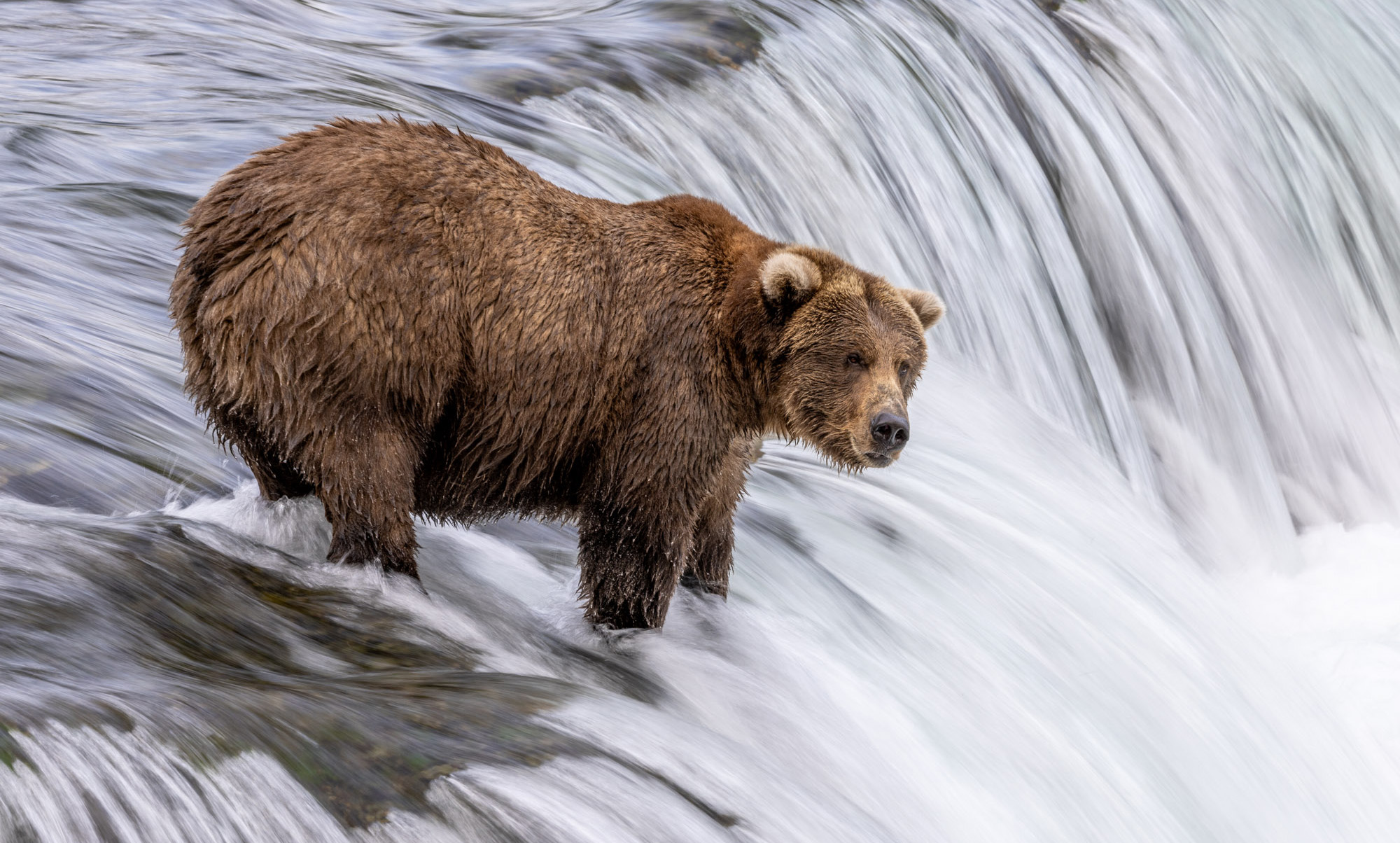
- Great Image Stabilization: And last but certainly not least, another big positive of this lens is the really solid image stabilization. At Brooks Falls, one of the classic shots you can capture is a longer-exposure image of a bear sitting perfectly still on top of the rushing water. This can be quite difficult, but this lens had no issues capturing sharp images at slow shutter speeds.
Negatives:
Now that we’ve covered the many, many positive aspects of this lens, it’s only fair to touch on some of the negatives. I’ll start by saying there were very few negative aspects that I could identify when using this lens. That being said, here’s what I found:
- Price: Camera lenses and camera tech in general are getting more and more expensive, but this lens will cost you a small fortune if you’re looking to buy it. I know that in many regards the price could arguably be justified due to just how good this lens is, but a price point of just over $10,000 is pretty insane. The lens is really, really good, but this is a very high price point that might be a bit too high in my opinion. Luckily, you can always buy it used or rent it for much, much cheaper. Renting this lens from Lensrentals was a fraction of the price of purchasing, and I was able to get some phenomenal images with it!
- Maybe Too Short/Wide: This is very subjective, and depending on what you’re photographing, it may not be true, but at times I wished this lens had just a bit more reach. I know this may be unrealistic, especially if you want to keep the constant f/2.8 aperture, but these are just my thoughts from this trip. Of course, I had the 600mm f/4 but if this lens could extend it’s reach to 400mm that would give you even more flexibility and could potentally remove the need for a second lens altogether.
- Much Larger than the 70-200 mm f/2.8: I know this lens extends its reach to 300mm while only losing 30mm on the wide end, but it is much larger than the very compact and lightweight Canon RF 70-200mm f/2.8 lens. This isn’t a deal breaker by any means, but the 70-200 is much easier to travel with and takes up much less space in your pack, which might be the way to go for some photographers.
I know these negatives, and positives for that matter, are subjective and even a bit contradictory to one another, but after using this lens for 8 days, specifically photographing brown bears in Katmai National Park, these are the only real negatives I could identify.
I hope this review is helpful for anyone considering either renting or purchasing this lens. Overall, it’s fantastic and I really enjoyed using it on my trip. I knew the types of shots I wanted to get, identified on paper all the boxes I needed this lens to check, and performed very well in the field. I was able to capture some really nice shots that would have been much more difficult, or even impossible, to achieve without the Canon RF 100-300mm f/2.8.
Here is a collection of some of my favorite images captured with this lens:
Final Thoughts
At the end of the day, I am so glad I went through this process and rented the Canon RF 100-300mm f/2.8 lens. This thing is an absolute beast, captures razor-sharp images, and does exactly what I needed it to do on a wonderful trip to Katmai. I couldn’t recommend renting this lens enough, and Lensrentals is without a doubt the best place to do it. I’m very happy with the images I managed to capture and remain thoroughly impressed with the outstanding services Lensrentals provides. I hope this review has been helpful/informative, and I hope you can get out on some fun photography adventures of your own sometime soon. When you do, it’s never a bad idea to rent a lens or two to make sure you’re prepared for the adventure ahead. Happy shooting!

