

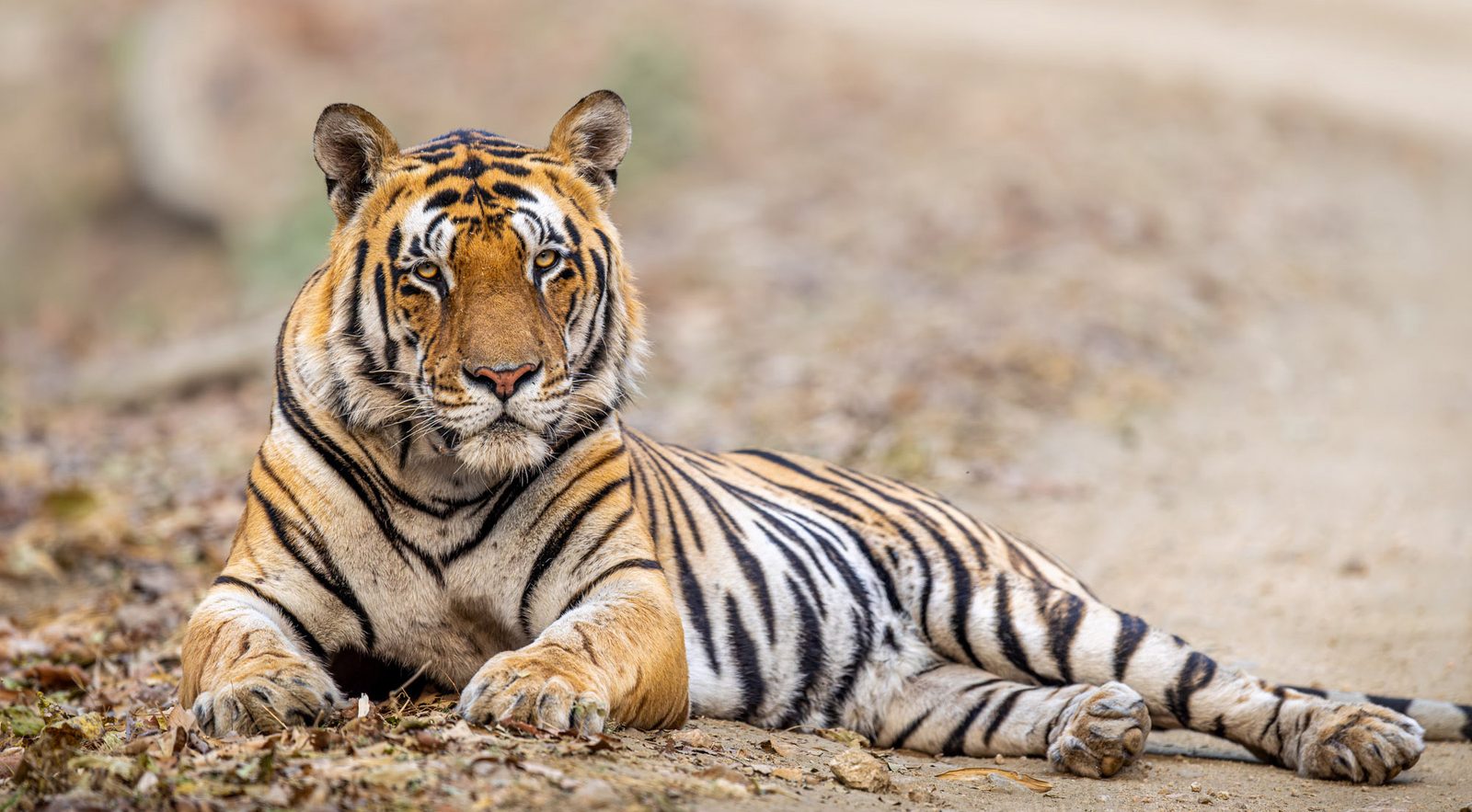
Wildlife photography is an incredibly enjoyable and addicting artform. It can be immensely rewarding when planning, effort, skill, knowledge, and a little bit of luck all come together to let you capture that dream shot. And at times, it can also be quite frustrating and difficult.
Even when you do everything right, the overall quality, capabilities, and performance of your gear make all the difference. I’ve been absolutely blown away by just how good camera technology has become over the last decade or two, and as a professional nature and wildlife photographer, I am lucky enough to enjoy these improvements in technology on a regular basis. If you compare my current setup of cameras and lenses to what I had when I first started, the difference is staggering.
While these technological advancements apply to all styles of photography, they are especially noticeable with wildlife specifically. Massive improvements in autofocusing capabilities, low light performance, increased burst speeds, the introduction of pre-capture, electronic viewfinders, stacked sensors, and much more have made it possible to capture great images that simply weren’t realistically achievable even a couple of years ago.
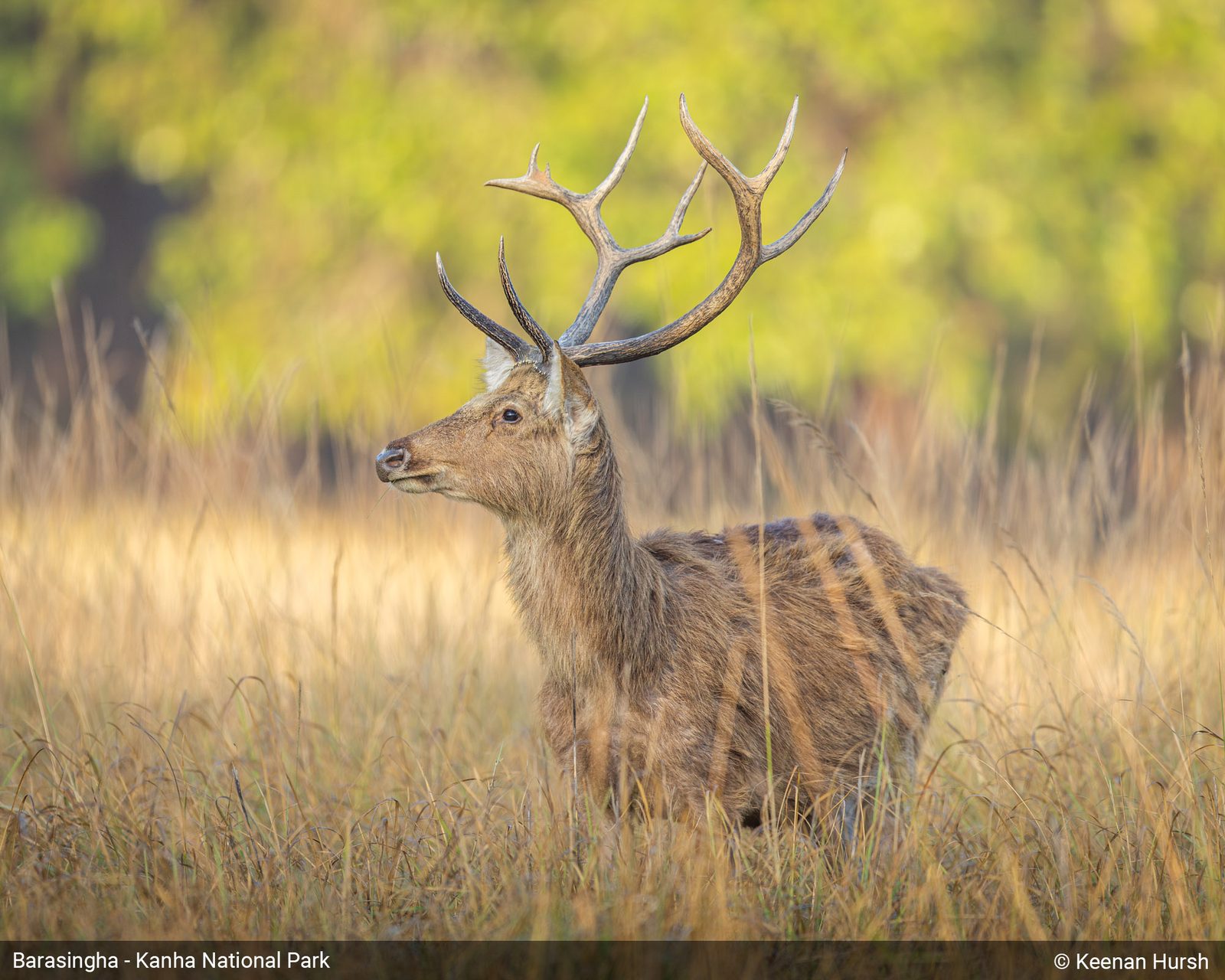
Bottom line, camera technology is steadily improving year after year, and I was recently reminded of this during an epic wildlife photography workshop I had the pleasure of leading.
I’m Keenan Hursh – a professional nature photographer, guide, and writer. In today’s blog post, we’re going to dive into the world of modern camera technology and wildlife photography in India, where I was able to perform a direct side-by-side and real-world comparison of the Canon EOS R5 Mark II and the original Canon EOS R5.
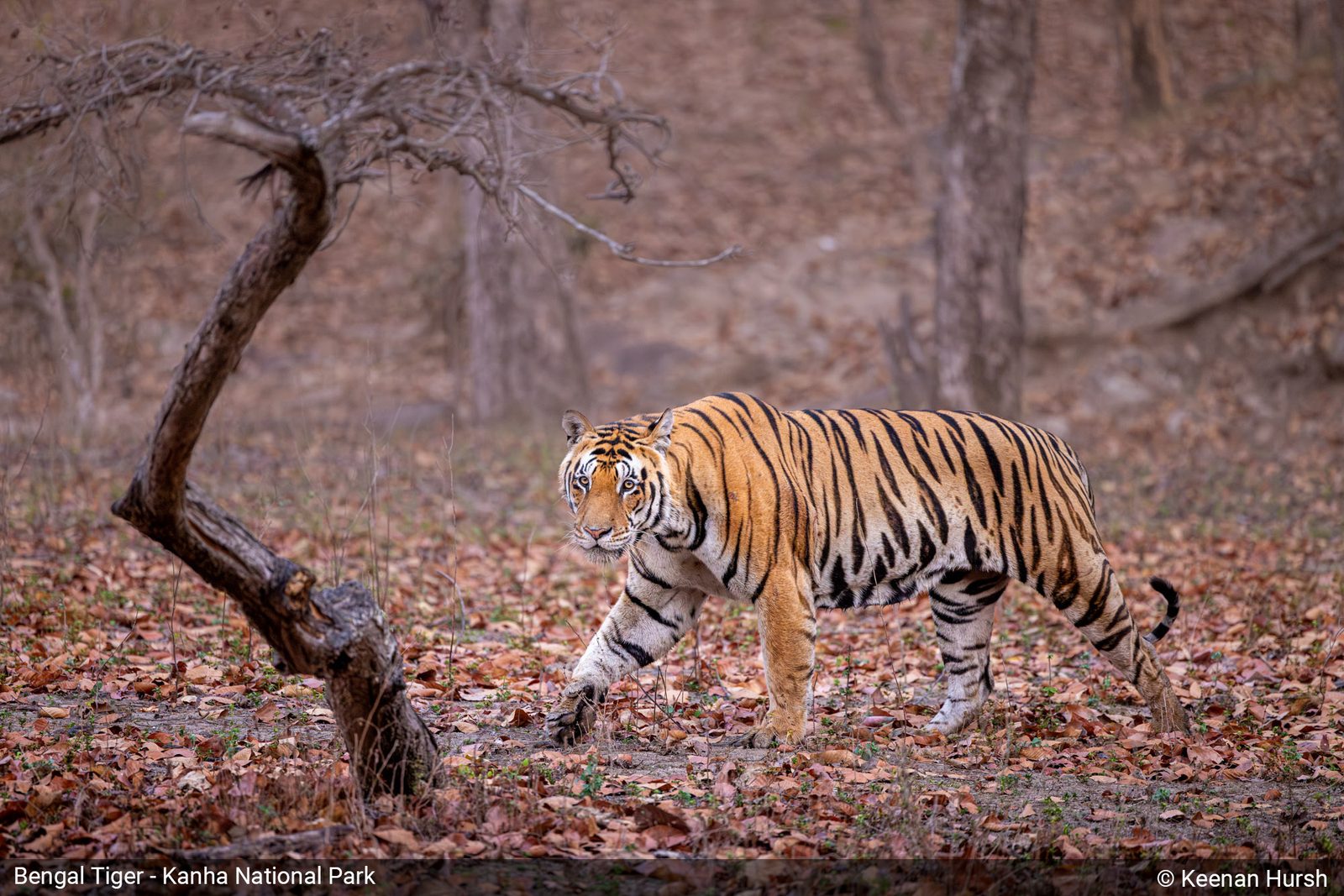
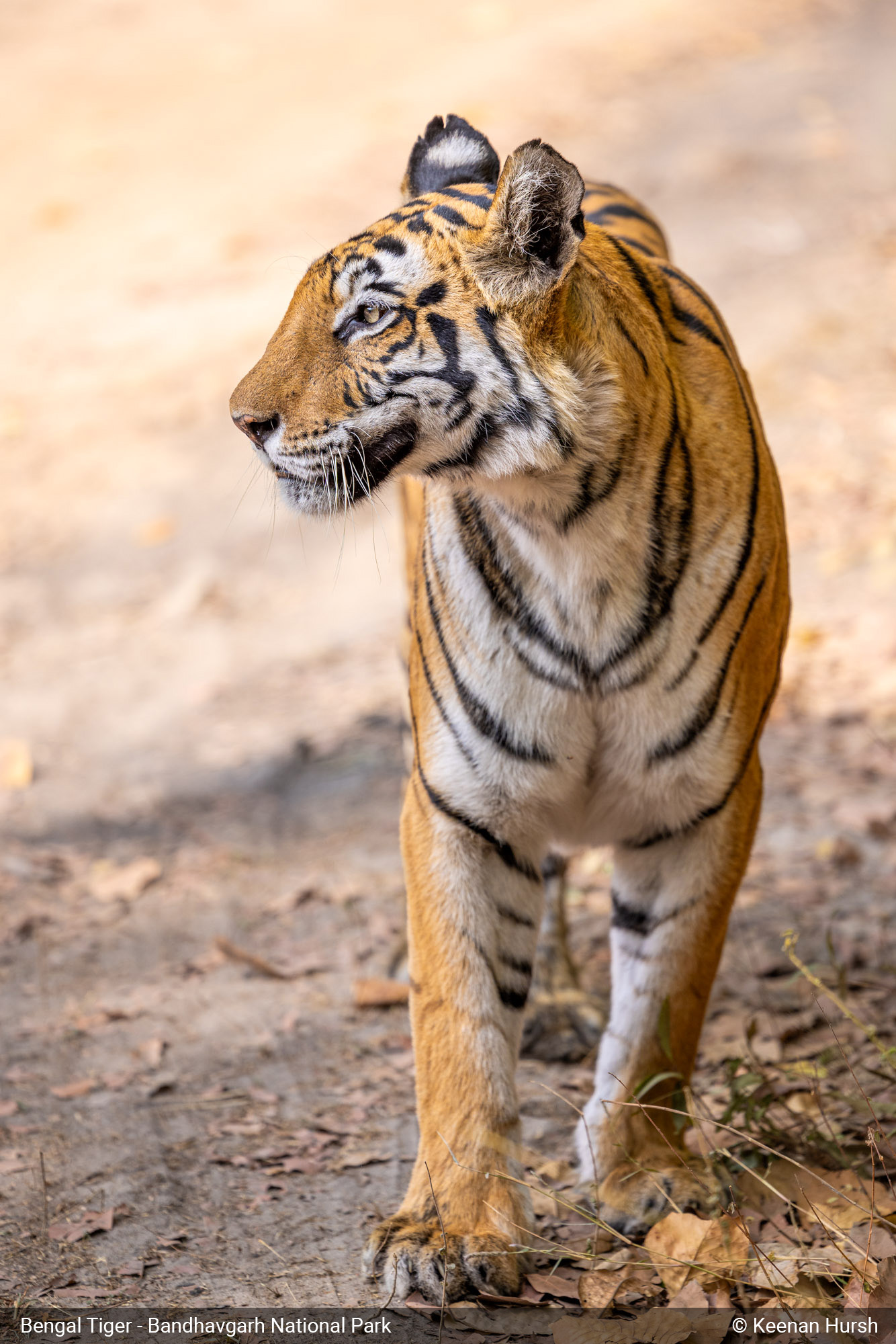
As a photography trip leader for Backcountry Journeys, I am very fortunate to travel to some of the best nature photography destinations on earth while leading all-inclusive workshops for small groups of photographers. On our recent Tiger Safari, in which we explored Bandhavgarh and Kanha National Parks (arguably two of the best places on earth to see and photograph Bengal tigers in the wild), I was able to put some of the best new gear to the test and walked away with some images I’m really proud of.
Let’s dive right in and see how these two iconic and beloved cameras stack up against one another!
Trip Overview – Photographing Tigers and Other Wildlife in Bandhavgarh and Kanha
For me, this trip was my version of heaven on earth. I had dreamt of traveling to India and capturing images of tigers and other novel wildlife species for a long time, so when the opportunity arose to lead this workshop, there wasn’t a single second of hesitation. I made some schedule adjustments, booked my flights (which took me all the way around the globe), and before I knew it, I had arrived in Delhi, where I would meet the guests.
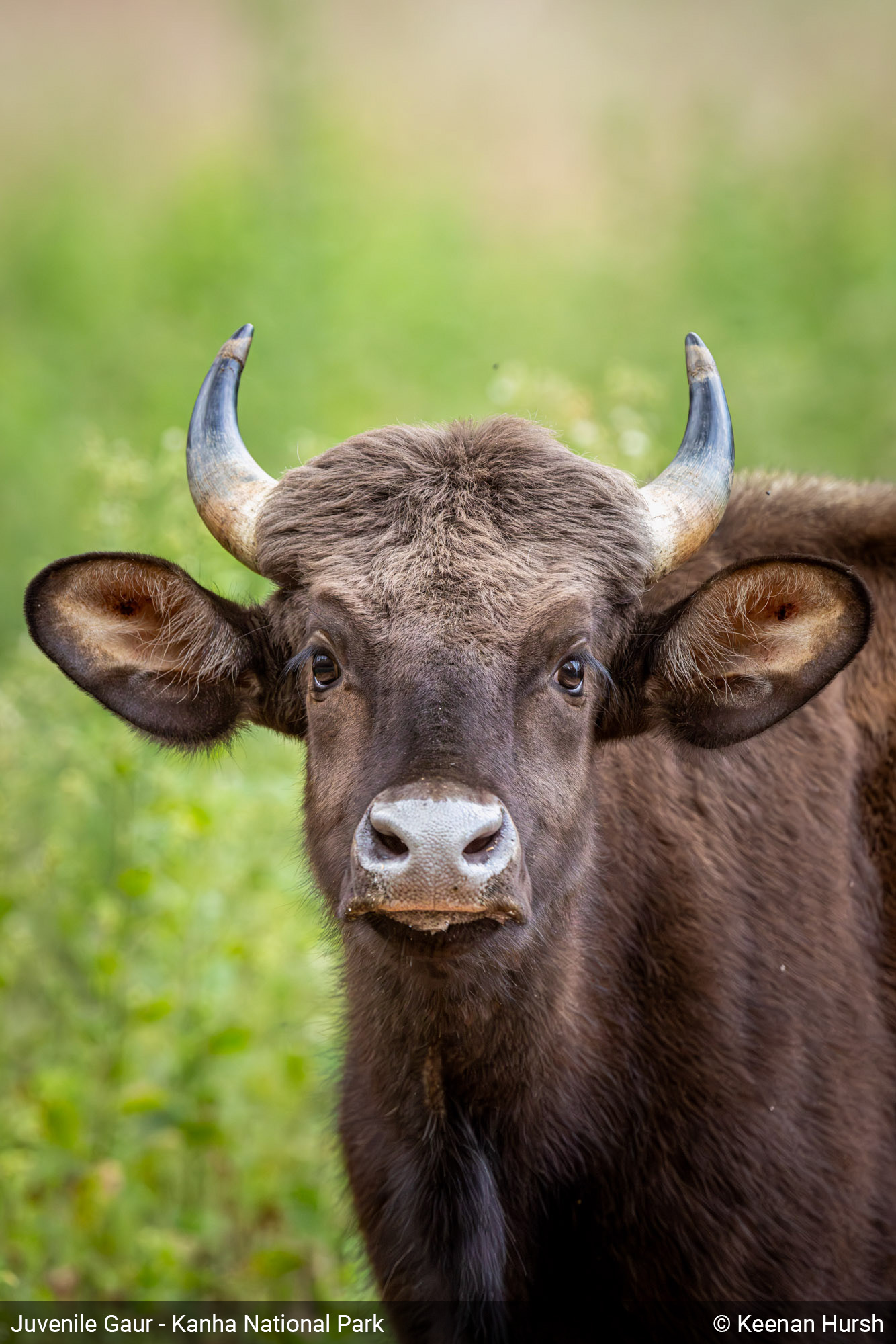
Over the course of the next 10 days, we would be embarking on daily safari drives through two beautiful national parks located in Madhya Pradesh, right in the middle of India. First, we would head to Bandhavgarh National Park a bit to the northeast of Jabalpur and after this we would drive six hours to the south to explore Kanha National Park. Each park is beautiful and full of wildlife, but they both have their own unique personalities and photography opportunities. The main thing they share in common, however, and the primary reason for our trip, is an abundance of tigers.
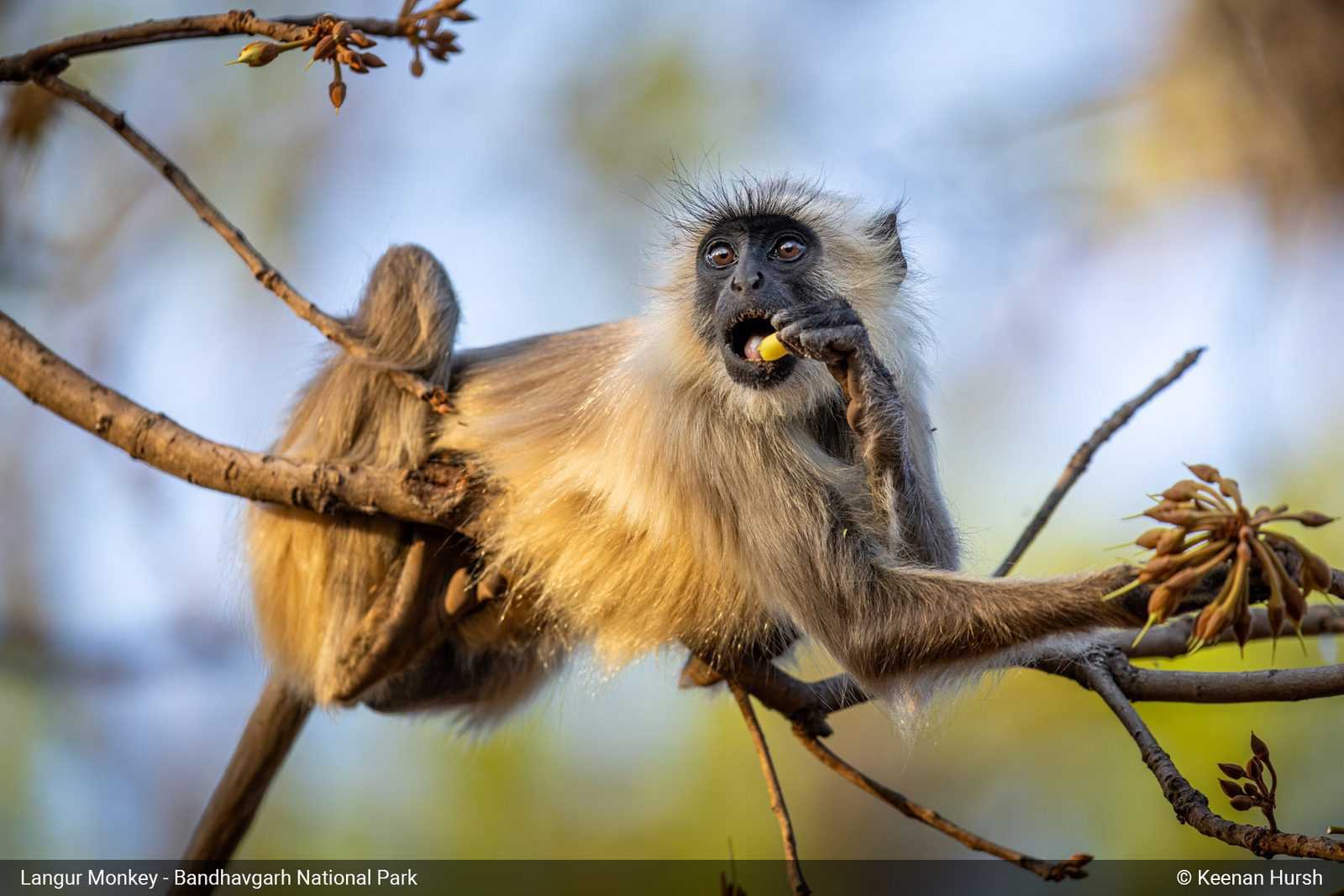
Throughout the workshop, we saw 15 individual tigers (more than I was hoping for) and had some really nice encounters in both parks. We were able to photograph many other species of mammals and birds, and overall, it was a very productive and enjoyable trip.
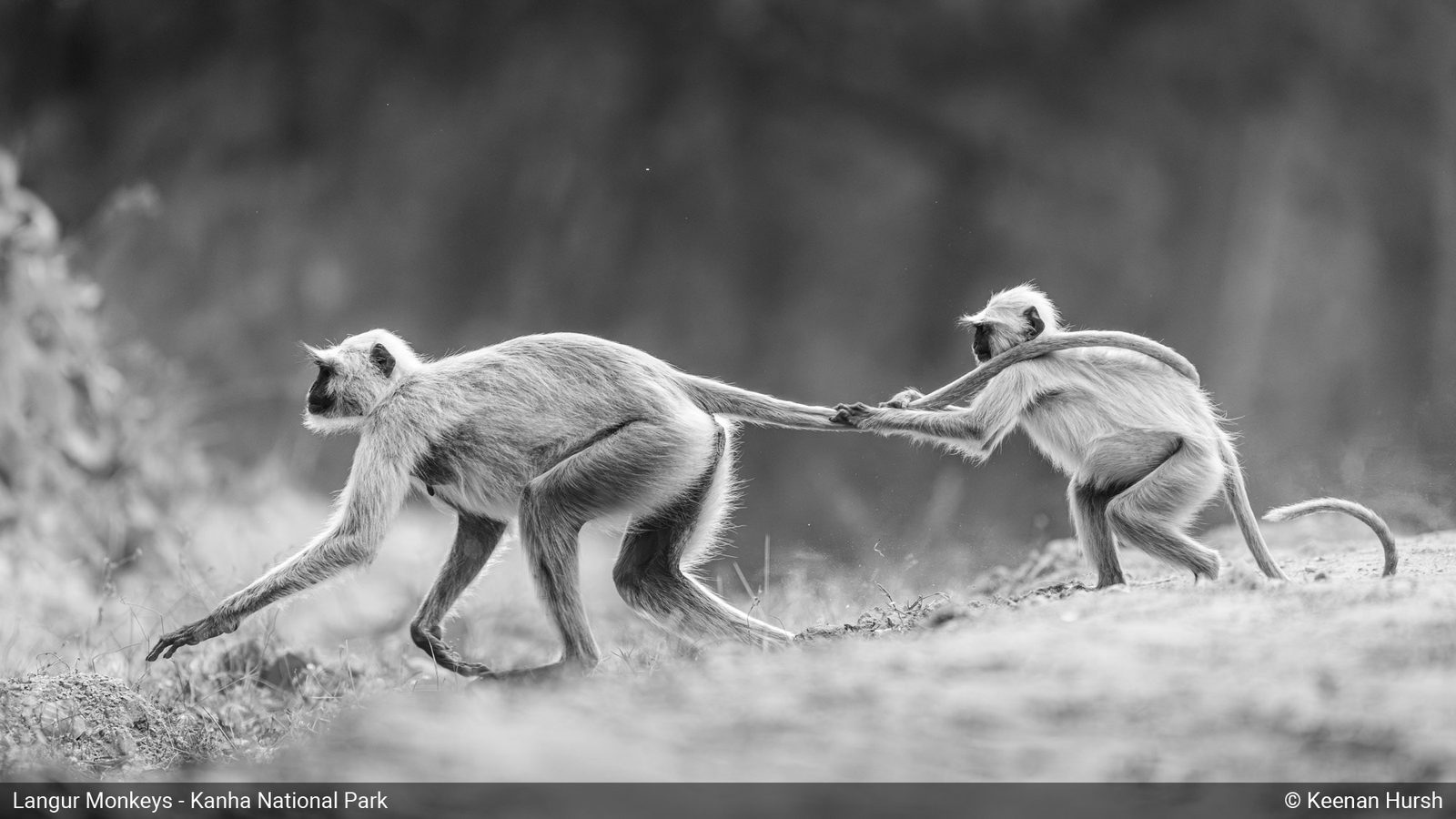
As someone who is absolutely obsessed with exploring true wilderness areas and observing and photographing wild animals in their natural habitat, this trip was everything I could have hoped for and more. Within the first day, I had seen 25+ brand-new species, and throughout the trip, we enjoyed some really special encounters.
If you’re a passionate nature and wildlife photographer looking for your next adventure, then be sure to check out Bandhavgarh and Kanha. I could talk about this trip and the encounters we had for quite some time, but that’s not the focus of this article. Today, we’re comparing two iconic camera bodies from Canon.
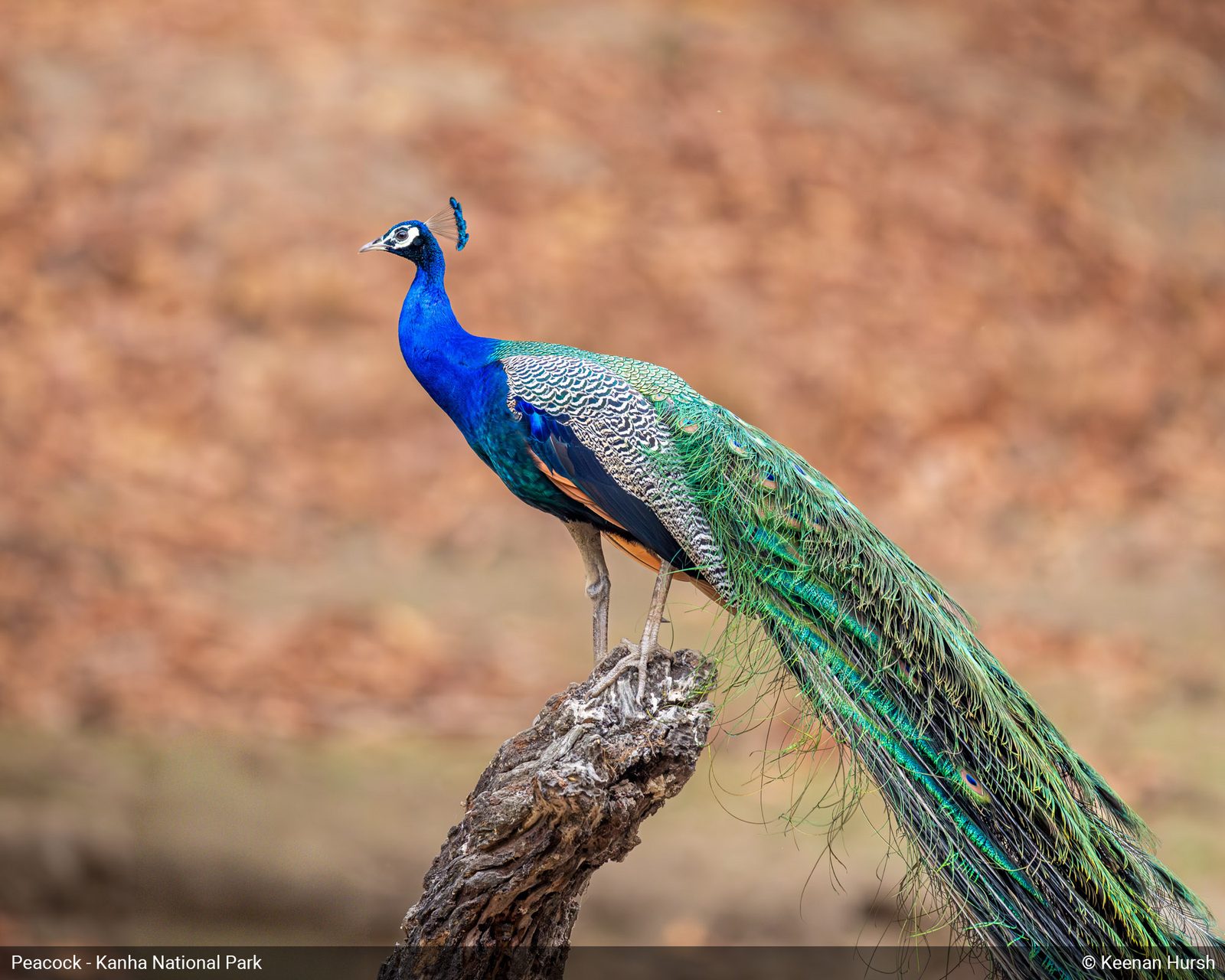
Camera Gear – You Need the Right Tools to Get the Job Done
Similar to many wildlife photography trips I’ve been on, I wanted to make sure I had all the right gear so I was prepared for any situation that might arise. I wanted the right camera bodies that gave me all the capabilities I needed. I also wanted the right lenses and focal lengths to achieve the compositions I had in mind. And I needed all the right accessories and additional equipment to set myself up for success. I also had to be strategic about what I brought and prioritize certain items due to weight restrictions on local flights.
Below is a list of the primary photography gear and equipment I brought on this trip.
Camera Gear:
- Canon EOS R5 Mark II
- Canon EOS R5
- Canon EF 600mm f/4 L IS USM ii (with EF-RF mount adapter)
- Canon EF 1.4x Teleconverter III
- Canon RF 70-200mm f/2.8
- Canon RF 24-105mm f/4
- F-stop Tilopa 50L Camera Bag
- Lots of Camera Batteries:
- 3x Canon LP-E6
- 6x Canon LP-E6)
- Lots of Memory/Storage:
- 3x SanDisk Extreme Pro 512GB CFexpress Cards
- 3x SanDisk Extreme Pro 256GB SD Cards
- Samsung T7 Shield 2TB SSD External Hard Drive
I’ve used gear from Lensrentals.com quite a bit in the past, and for this trip, I was very eager to get my hands on the relatively new Canon EOS R5 Mark II. I’ve owned two original R5 bodies for several years, and I absolutely love these cameras. Compared to the DSLR that I had been using for years, these relatively new mirrorless bodies were an exponential upgrade.
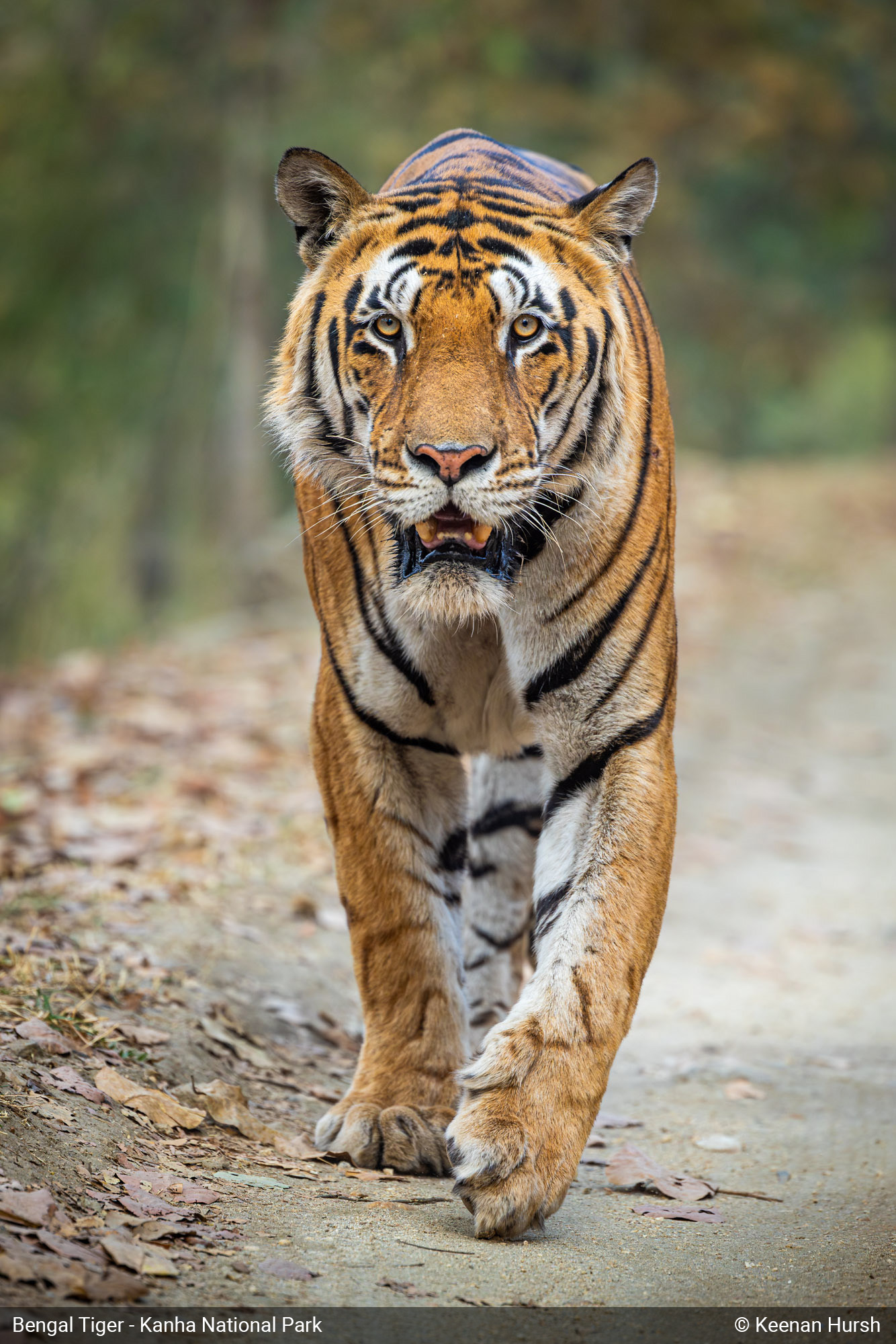
When the R5 Mark II came out, I was, of course, very intrigued and did a ton of research to see if I wanted to purchase this new camera. Initially, I wasn’t all that impressed and actually opted not to make the upgrade for several reasons. For me, the seemingly minimal increases in capability and performance weren’t justified by the price, and on top of that, I didn’t want to have to buy all new batteries. In my mind, this new camera didn’t seem quite good enough to justify making the purchase.
After the Mark II had been out for a while and I had heard lots of good things about it from friends and colleagues, my curiosity was sparked again, and I started to question my original decision not to purchase it. Bottom line, I decided I needed to test it out and see how it stacked up against the original Canon R5. And this is exactly what I was able to do on my recent trip. Thanks to Lensrentals.com, I was able to test the Canon R5 Mark II while photographing tigers in India and directly compare it to my original R5 head-to-head in the field. What follows is my in-depth review and comparison of both cameras in a wildlife setting…
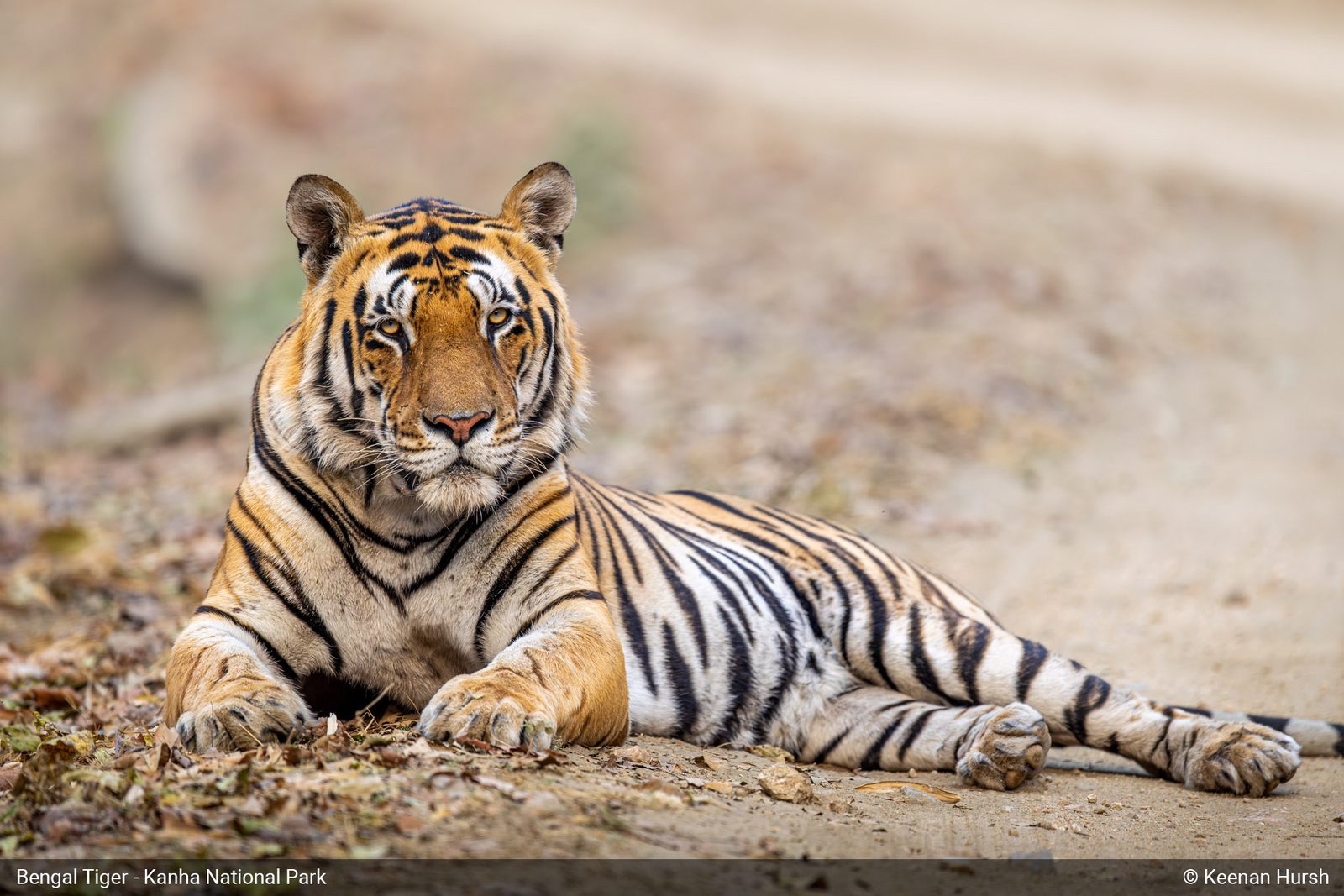
Canon EOS R5
Overview:
I think it’s only natural to start out with the original. As I mentioned, I’ve owned two R5 bodies for quite some time, and I’ve been very impressed with them. I’ve put them through the paces on countless trips across the globe using a wide range of lenses and shooting a wide range of subjects and scenes. From fast and action-packed wildlife encounters to long astrophotography exposures, from temperatures well over 100 degrees Fahrenheit to shoots well below -30, from dry deserts to wet coastlines, the R5 has served me incredibly well, and I genuinely have very few minor complaints. I like this camera so much that I ended up buying a second one a year or so after purchasing the first.
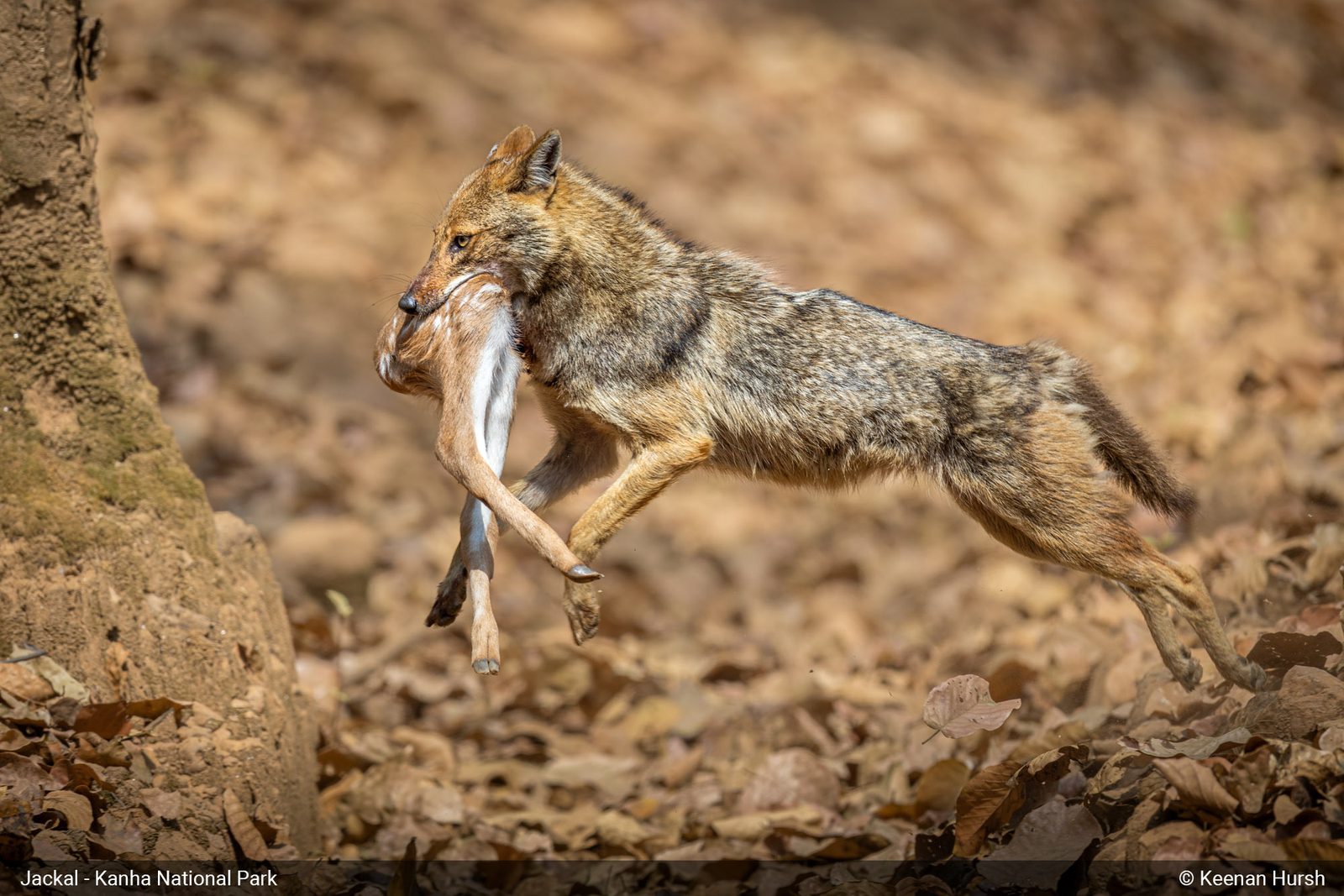
While I shoot all sorts of scenes and subjects in the natural world, I would say that I spend the most time and am the most passionate about wildlife photography. This shooting style demands a lot from the cameras and lenses you’re using, and having high-quality and high-performance gear makes all the difference. In today’s comparison, we will primarily be focusing on using these cameras in a wildlife photography setting.
What I Love:
The Canon R5 is great for wildlife photography. It has very solid AI-assisted AF capabilities, quite capable and accurate subject and eye detection, a relatively fast maximum burst rate of 20 fps, a high-resolution 45MP full-frame sensor, Solid low-light performance that can handle high ISO values, Great IBIS, and more. Having used this camera for years now, I haven’t had too many serious complaints when photographing wildlife. I’ve captured lots of great images, and this camera has served me very well.
The original R5 was a phenomenal camera when it first came out, and it is still a really great camera today, even with the introduction of its younger sibling. Considering it was released 6 years ago, I think this camera still holds its own weight quite well, and then some. While no camera, or any piece of technology for that matter, is perfect, the Canon EOS R5 is pretty darn good in my opinion. Apart from a few minor annoyances, it really is an exceptional camera.
What I Don’t Love
While I do love the original R5, there are a few things that I think could be better.
I don’t shoot much video; I probably spend ~90% of my time capturing stills. But even then, it is quite frankly annoying to switch between these two modes on the R5. This can be addressed by assigning a button to do this action, but the default way of switching between photo/video mode is cumbersome, illogical, and inefficient. With wildlife, this may cause you to miss a shot.
Another thing I don’t love is that when shooting with the electronic shutter, as most wildlife photographers do, there is no auditory feedback. Apart from some very minor flickering on the screen, you have no idea you’re capturing images. In addition to that, there are blackout moments when shooting, so that you aren’t continuously seeing what’s happening in the viewfinder. This isn’t a huge deal-breaker, but it would be nice to have continuous playback without blackouts.
And while the AF is quite good, I wouldn’t say it’s perfect. I’ve played around with the settings, and it can often be quite jumpy or fail to identify subjects or eyes. When it works, it works quite well, but when it doesn’t work, it can be fairly annoying and leave me wanting more.
While these are minor complaints, I believe they are worth noting after extensive field use of this camera. I’m sure you’ve heard of other issues or complaints, like overheating, but these are the main ones I have experienced and wanted to address in today’s article. Now, let’s take a look at the next-generation R5 Mark II.
Canon EOS R5 Mark II
Overview:
If the original R5 is great, then I would say that the R5 Mark II is “great plus,” arguably even exceptional. This is especially true in wildlife photography. After using this camera for well over a week, photographing tigers and other wildlife in India, I was very impressed and had a great experience with it.
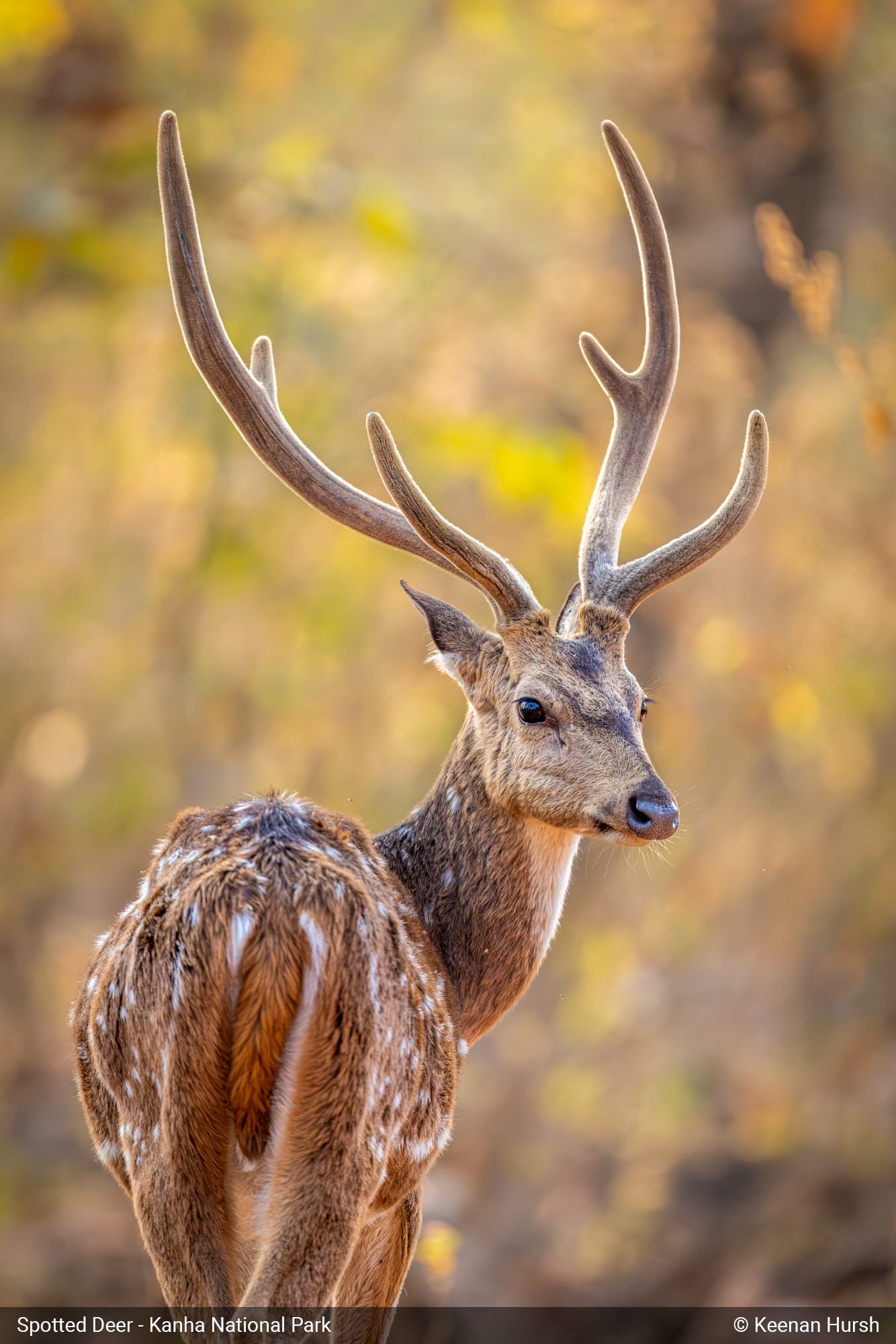
The R5 Mark II features noticeable improvements over its predecessor, as expected. What I didn’t expect was just how much of an improvement and overall superior experience it ended up providing. While the difference wasn’t quite as stark as night and day, I immediately noticed several key things that improved my shooting experience.
What I Love
The Canon EOS R5 Mark II continues the legacy of the original R5 and maintains its best features while effectively addressing some of my primary complaints. This new version maintains the same resolution, the same great IBIS, the same EVF and LCD resolution and quality, pretty much the same magnesium alloy body and quality weather sealing, so on and so forth. All of the things I love about the original R5 are either still present or improved with the R5 Mark II. The following improvements are, in my view, the most notable.
In my opinion, the biggest, most noticeable, and most appreciated upgrade is the improvements in AF capabilities. The R5 Mark II is second-to-none, and its autofocus is absolutely stellar, especially when photographing wildlife. It is faster, more accurate, more reliable, smoother, and overall just a better experience. The camera is much better at finding and staying on subjects, even allowing you to switch back and forth between multiple identified subjects, and it is noticeably less jumpy. Once you’ve identified your target, the camera stays on it better and jumps around less than the R5. If AF capabilities are vitally important to you and your photography, the Mark II takes the cake here without a doubt.
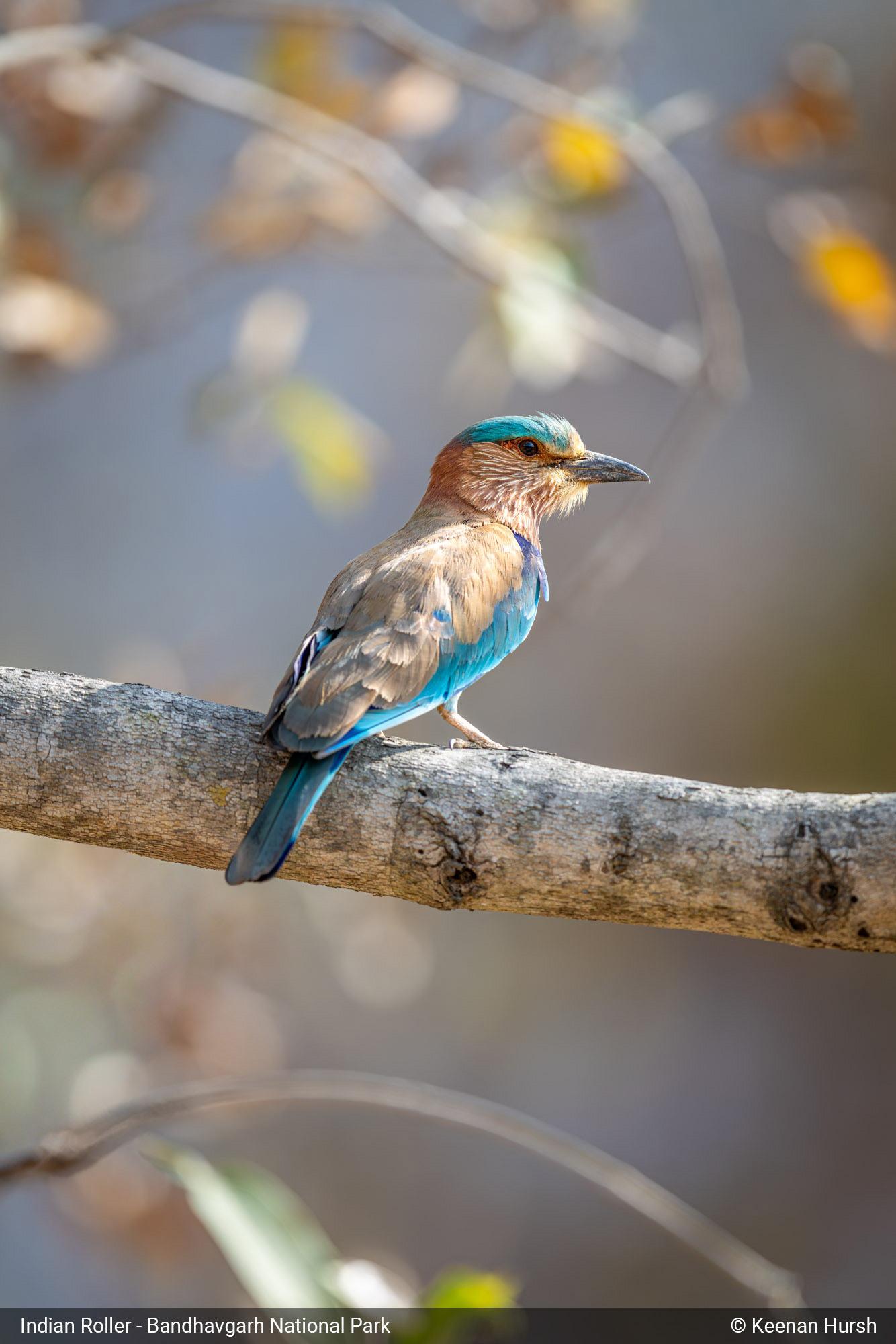
Another new feature that I absolutely love is pre-capture. Initially, I didn’t think I would use this all that much, but for specific scenarios, it is an absolute game-changer that can allow you to capture images that were simply impossible before. While on my trip, I was able to get some nice action shots of small birds taking off from perches that I would have never been able to achieve with the R5. Pre-capture is awesome for fast-moving wildlife and critical action!
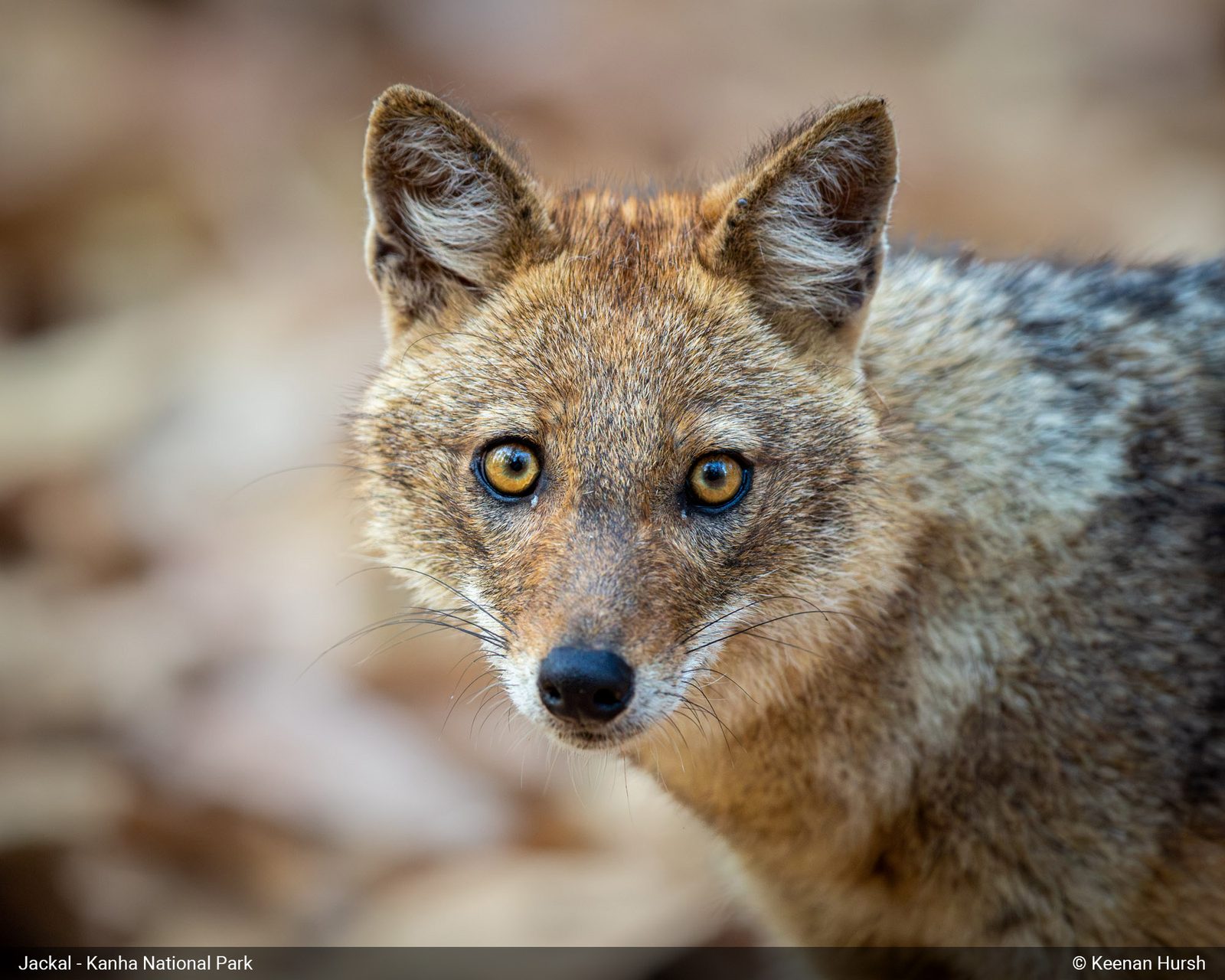
Having a designated photo/video switch is really nice as well. And this is coming from someone who doesn’t even shoot much video. If you switch between stills and video frequently, this designated switch will make your life much easier, and it’s just a better, more thoughtful design.
And of course, one of the biggest upgrades that comes with many added benefits and hardly any drawbacks is the introduction of a brand-new stacked sensor. The overall resolution may be the same, but this new sensor creates some awesome upgrades, especially when using the electronic shutter, as most wildlife photographers do. The R5 Mark II can now shoot at 30 fps, whereas the R5 could only reach 20 fps. This may not seem like a huge difference, but trust me, it is. And, when using the electronic shutter, your images are no longer compressed to 12-bit RAW files; you can now maintain 14-bit images. Another huge upgrade is that with a stacked sensor, the EVF is now blackout-free, meaning that as you’re shooting, there are no blackouts or interruptions in the EVF. This creates a much more natural and enjoyable experience when using the camera.
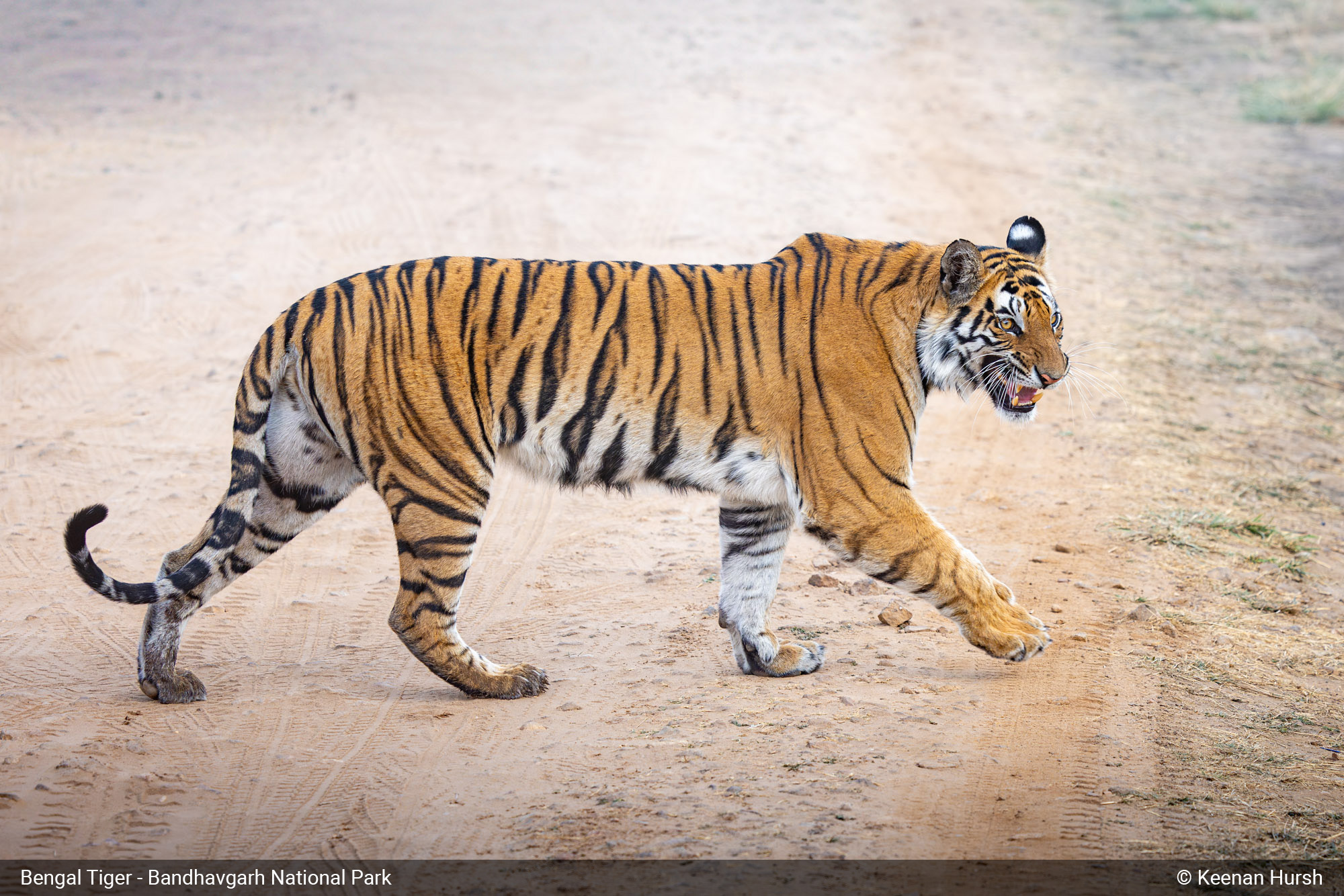
Another minor improvement I really appreciate is the option to enable a noise for the electronic shutter. When using the electronic shutter on the original R5, it was completely silent, which really annoyed me. This isn’t a huge deal, but having some sort of auditory feedback is really nice in my opinion.
Overall, the Canon EOS R5 Mark II is a phenomenal camera, and it improves on its predecessor in many key areas. That being said, it’s not absolutely perfect.
What I Don’t Love
Even though I really enjoyed using the R5 Mark II, I’m convinced it was the right tool for the job, and I will likely be buying one, there are a few minor complaints I have about this camera.
Probably my biggest issue, and one that I’ve had ever since it was first announced, is the fact that in order to access all of the capabilities and functions of the camera, you have to buy all new batteries. I understand that a more powerful and capable camera needs more energy, but this is quite frankly annoying. I own about 8 batteries for my R5 bodies, and if/when I decide to upgrade, I will have to buy several brand-new batteries for the R5 Mark II to really use it in the field. I wish this weren’t the case, and I wish the original R5 batteries could be used on the Mark II without losing key features.
Another very small and marginal issue is that the R5 Mark II has slightly worse low-light performance. When compared to the original R5, this new camera introduces just a tiny bit more noise at respective ISO values, and the files aren’t quite as clean. Again, this is incredibly marginal and hardly noticeable, but if you perform a direct side-by-side comparison, the original R5 performs slightly better in low light. This, of course, is because of the new stacked sensor. The introduction of these great new features and capabilities comes at a small price. In my opinion, it’s such a small price that it’s worth paying without a doubt.
And finally, one of my main complaints about the R5 Mark II, which was my primary concern when it was first released, is that, in my opinion, it isn’t enough of an upgrade over the original R5. While it does feature some great new tech and capabilities that I love, I wish it offered just a bit more. These upgrades may be worth it for someone in my position, but for many people, these two cameras are similar enough that the Mark II just might not be worth the extra price.
General Consensus – Which Camera is Right for You and Your Photography?
Now that I’ve compared and reviewed these two camera bodies in depth, here are my key takeaways. The R5 Mark II is definitely a superior camera. It may not surpass the original R5 by a huge margin, but for the right person and style of shooter, I definitely think it’s worth purchasing or upgrading to. If you primarily shoot wildlife or sports and aren’t on a tight budget, I would say go for it. If you don’t shoot scenes with animals, people, or fast-moving subjects and primarily focus on landscape photography, or if you’re operating on a bit of a budget, then maybe you’re just fine with the original R5 (which is $1,000 less at the time of writing this article).
For me personally, as a professional photographer who shoots all the time and largely focuses on wildlife photography, the R5 Mark II is worth the extra $1,000. There are several key reasons why I think it’s worth the upgrade, but the biggest factor for me is by far the improvements in AF capabilities. Again, it may not be exponentially better than the R5, which is still quite good, but it’s enough. In the world of wildlife photography, even small improvements here can make a huge difference, and the Mark II is just better. It finds subjects and eyes faster, sticks to them without jumping around, and just provides a more accurate, smooth, and enjoyable experience.
In addition, the R5 Mark II has several notable upgrades due to its new stacked sensor. When using the electronic shutter, you can achieve a faster burst rate of 30 fps, you have the option to hear audible feedback, you can still capture 14-bit RAW files, and images don’t have as bad a rolling shutter effect. On top of that, the viewfinder offers a larger, more immersive, blackout-free experience, and the dedicated photo/video switch is super nice. At the end of the day, and for me personally, there are indeed enough improvements over the original R5 that I will very likely be purchasing the Canon R5 Mark II in the near future.
If you’ve made it this far and are still on the fence between these two cameras, or if you can’t decide which one to buy or whether to upgrade, I highly recommend renting one or both. Renting gear, even if it’s just for a couple of days, is a really great way to try before you buy. You can put it through the paces and experience it in the real world, which will give you exponentially more information than a blog post or product review ever could.
Final Thoughts
My wildlife photography adventure to Bandhavgarh and Kanha national parks in India was truly incredible. I was challenged and rewarded in so many ways and left with some really special memories and images.
It was also a great opportunity to conduct a head-to-head test of these camera bodies. I genuinely don’t think you can go wrong either way, and ultimately, the decision will come down to your specific needs as a photographer.
I hope this review and comparison have been helpful and informative, and I hope you have a great time on your next photography adventure, whether you’re using the R5, the R5 Mark II, or any other camera.