
Front Element Scratches
We had a chance to make a pretty fun demonstration today, and here it is. As most of you know, we’re very finicky about our gear. We don’t like even tiny scratches on front elements or dust in a lens (although a bit of that is inevitable). We’re like you. We want the lens to look as good as the pictures it takes.
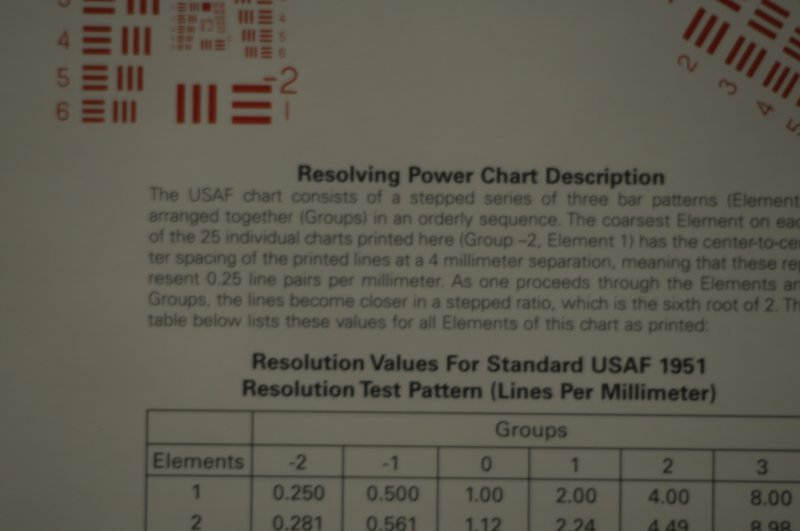
That said, its amazing how much dust or how many scratches a front element can take without significantly impacting image quality. Here are a couple of images taken with a lens with a fairly bad front element. You’ll notice they’re a bit soft and underexposed, but there’s no ‘image’ of the scratch, just like a dust particle can’t make an image on the sensor: the light bends to much through the subsequent elements for the dust or scratch to be visible in the image.

And the lens that took the images above:
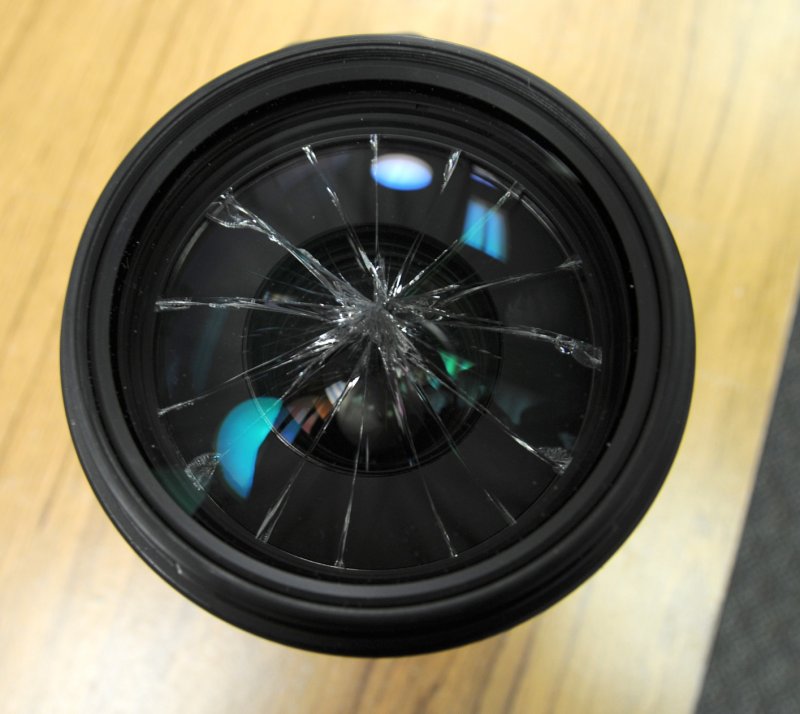
As you can see, scratches and lots of dust in a lens may cause loss of contrast, loss of light gathering, and lens flare, but even so, will not be visible on the image. (In fact, our guess is most of the lost sharpness is because the optical element shifted when it broke, rather than from the cracks themselves.) Dust on the sensor may show up on an image, but a bit of dust within the lens or scratches on the front element really aren’t something to worry about.
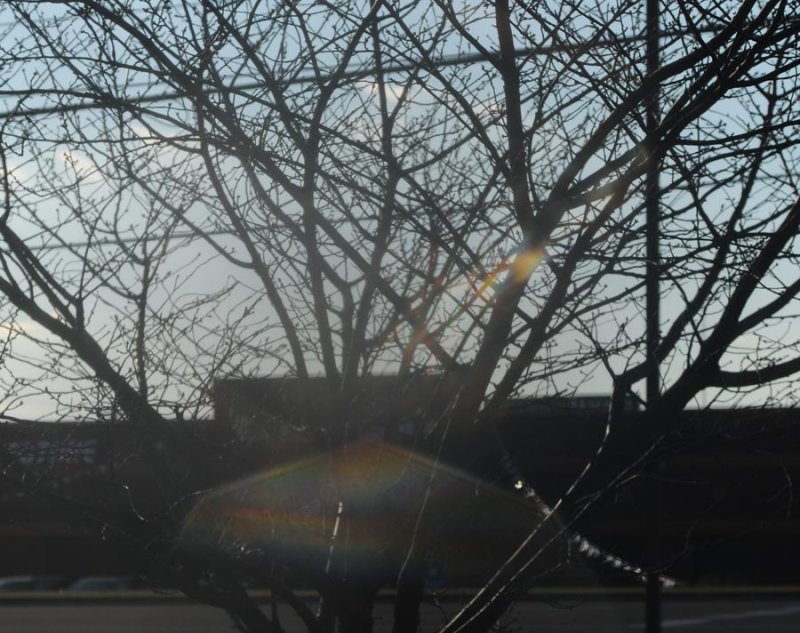
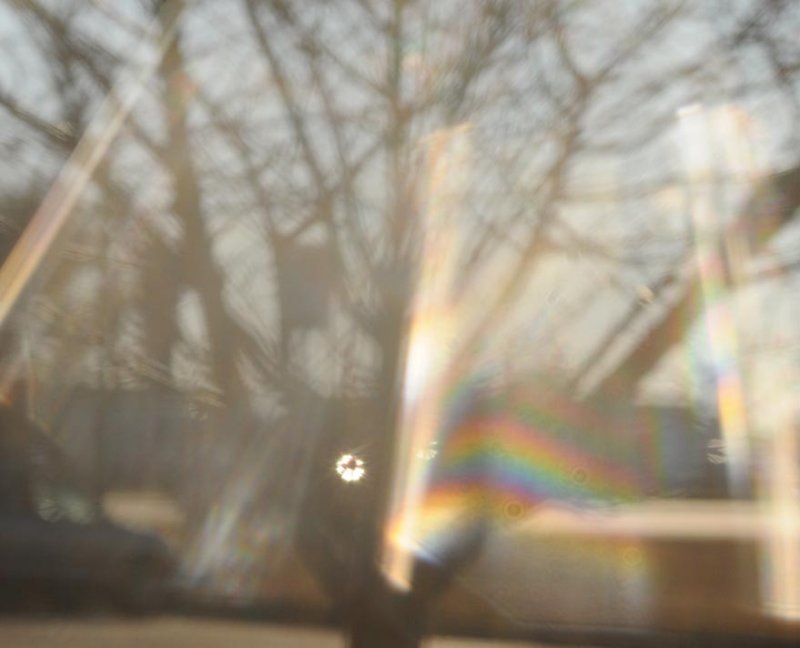
As a couple of people pointed out, that shattered lens did behave completely differently when we stopped it down and shot into the sun. The next shot is backlit by angled sun, stopped down to f/7.1, and a pretty refracted rainbow shows up, along with a further loss of contrast. The last shot is directly into the sun, which would cause some flare with any lens, but nothing like this 🙂 By the way—one interesting thing was when aiming into the sun the lens lost the ability to autofocus entirely, not surprising I guess when you see the final image.
Roger Cicala
Lensrentals.com
More Lensrentals Articles
66 Comments
Sammy ·
Lens Filter Help, the filters are not to protect against major failure. If your front element is going to receive a sharp blow, your lens is going to be history. Filters protect against minor scratches due to small knocks or heavy cleaning, finger marks, dust and rain. Using one means you seldom have to clean the front element of the lens itself.
This page is being referenced by some to support the position that scratches don’t matter. I think it clearly shows that they do matter, but that they must be extreme to be worth getting worked up about. In other words they are still to be avoided and minimised but there’s no need to spend hundreds of dollars fixing or replacing a lens over a small scratch.
Michael Clark ·
It could also be argued that this information supports that it is not worth spending hundreds of dollars on “protective” filters for each of your lenses that have a detrimental on image quality in order to prevent the occasional light scratch.
Super Keith ·
Protective filters can be had for under $20. Sure, you can still have an effective lens with some minor scratches, but why would you even put yourself in that position if you can protect it for less than $20?
Michael Clark ·
Because I’d rather not have to deal with the reflections off the flat surface when it’s not necessary. Why would I put myself in that position when I can shoot without the filter and still not scratch the lens?
I’ve had my EF 70-200mm f/2.8 L IS II since 2010. I’ve shot sports (football, basketball, soccer, etc.) from the sideline (which can be a high risk environment), in all kinds of weather, used it in packed concert halls and arenas shooting concerts, etc. I’ve cleaned the front element plenty of times when needed. It’s never had a “protective” filter on it. There are no visible scratches on it. The hood, which does have plenty of scrapes and even a couple of paint marks, does its job protecting it very well.
Michael Clark ·
Because I'd rather not have to deal with the reflections off the flat surface when it's not necessary. Why would I put myself in that position when I can shoot without the filter and still not scratch the lens?
I've had my EF 70-200mm f/2.8 L IS II since 2010. I've shot sports (football, basketball, soccer, etc.) from the sideline (which can be a high risk environment), in all kinds of weather, used it in packed concert halls and arenas shooting concerts, etc. I've cleaned the front element plenty of times when needed. It's never had a "protective" filter on it. There are no visible scratches on it. The hood, which does have plenty of scrapes and even a couple of paint marks, does its job protecting it very well.
RH6194 ·
i would suggest being careful using inexpensive filters. Glass quality matters in filters just as it does in lenses. You don’t have to buy the most expensive filter you can find, but avoid the very cheap, bottom of the line products. Any potential negative side effects from using a protective filter will be the most dramatic with this very cheap glass.
Also, one suggestion to reduce overall cost is to purchase only one high quality filter for your largest filter thread size and then buy step up rings that will allow the use of that filter on lenses with smaller thread sizes.
The downside of this is that changing the filter to different lenses can become laborious and time consuming. However on the upside, you can use a good quality filter over your lenses for a much lower cost if money is tight at the moment.
Personally, I keep a pretty good quality UV filter on every lens I own and do not experience any of the problems described in this article. Whether or not this expense is “unnecessary” or not is something each user must decide for themself.
Regardless of the continued image quality I MAY be able to get after damaging my front element, I have lost hundreds of dollars worth of potential resale value for a lens in that condition and I don’t want any of MY lenses to look like the one photographed above.
Michael Clark ·
So you keep a UV filter on every lens you own? And yet you still lose hundreds of dollars of potential resale value? In that case, why spend the money on filters?
RH6194 ·
I would suggest being careful using inexpensive filters. Glass quality matters in filters just as it does in lenses. You don’t have to buy the most expensive filter you can find, but avoid the very cheap, bottom of the line products. Any potential negative side effects from using a protective filter will be the most dramatic with this very cheap glass.
Also, one suggestion to reduce overall cost is to purchase only one high quality filter for your largest filter thread size and then use step up rings that will allow the use of that filter on lenses with smaller thread sizes.
The downside of this is that changing the filter to different lenses can become laborious and time consuming. However on the upside, you can use a good quality filter over your lenses for a much lower cost if money is tight at the moment.
Personally, I keep a pretty good quality UV filter on every lens I own and do not experience any of the problems described in this article. Whether or not this expense is “unnecessary” or not is something each user must decide for themself.
Regardless of the continued image quality I MAY be able to get after damaging my front element, I have lost hundreds of dollars worth of potential resale value for a lens in that condition and I don’t want any of MY lenses to look like the one photographed above.
Scott Carey ·
Fair enough that you get to do less cleaning of the len’s front element with a filter on.
But the back element, where scratches really have a much greater impact on IQ when the lens is stopped down, is still prone to such scratches, so, in practical terms, that’s actually a moot point, isn’t it?
Michael Clark ·
Why are you replying to me? I’m not the one arguing that filters allow less cleaning. As for the back element of the lens, any time one of my lenses is not mounted on a camera it’s only uncovered for approximately 1-2 seconds before the back cap is protecting it.
MrZxulo ·
Who, in their right mind spends “hundreds of dollars on protective filters”? I guess it’s possible … Depends on how many lenses, I guess .. and the sizes. But who, in their right mind, would not put a protective lens on, say, a Noctilux?
Michael Clark ·
Anyone who wants to use the lens as it was designed to be used. If you’re that afraid of scratching a lens, keep it in your safety deposit box.
Michael Clark ·
It could also be argued that this information supports that it is not worth spending hundreds of dollars on "protective" filters for each of your lenses that have a detrimental on image quality in order to prevent the occasional light scratch.
Scott Carey ·
Fair enough that you get to do less cleaning of the len's front element with a filter on.
But the back element, where scratches really have a much greater impact on IQ when the lens is stopped down, is still prone to such scratches, so, in practical terms, that's actually a moot point, isn't it?
Michael Clark ·
Why are you replying to me? I'm not the one arguing that filters allow less cleaning. As for the back element of the lens, any time one of my lenses is not mounted on a camera it's only uncovered for approximately 1-2 seconds before the back cap is protecting it.
MrZxulo ·
Who, in their right mind spends "hundreds of dollars on protective filters"? I guess it's possible ... Depends on how many lenses, I guess .. and the sizes. But who, in their right mind, would not put a protective lens on, say, a Noctilux?
Michael Clark ·
Anyone who wants to use the lens as it was designed to be used. If you're that afraid of scratching a lens, keep it in your safety deposit box. But you won't get many photos with it that way. I typically carry about $7K in lenses in my bag. The 120-300/2.8 that I sometimes carry is too big for the bag. That's another $3K. Not a single one has a filter on it. All have lens caps on when not attached to a body. All have hoods attached when the lens cap is off. None have any visible scratches on the front elements. I've been doing it this way for over a decade courtside, on sidelines, in crowded concert halls and bars, etc. A lens which I sometimes use but isn't usually in my bag anymore, an EF 24-105mm f/4 IS has a single chip in it smaller than a single grain of sand. I've never seen evidence of it in any of the tens of thousands of photos I've taken with it since it got chipped about 10 years ago.
Bearfoot ·
And this, my friends, is why camera equipment is so *censored* expensive.. 🙂
Neat article.
Mihai ·
Wt*… pictures this good(not horrible) with a cracked lens and I sometimes get a small underexposed patch from a tiny scratch? wt**** ?
Brian Ji ·
And this is why I almost always buy used lenses. Often there is little dust and small scratches that will never show up in any photos. A good way to save some cash for other lenses.
free PSD templates ·
Curious how the lens craked like a star. That tells something about the structure of the glass, I believe. thanks a lot for this review!
rus ·
Where are pictures? 🙁
stevenk ·
The more the lens is stopped down, the less you’ll notice front element defects/damage because of diffraction.
Alex ·
Hopefully this article will never scroll off the archive. I refer people to this article on a regular basis. A couple of years ago I damaged a lens, and never would have thought to even try it, had it not been for this article.
Jenna Sayman ·
Personally I have been known to scratch now and then and here and there…I really see nothing wrong with a scratch….of course I could be wrong but that would be most likely unlikely.
Jenna
Jenna Sayman ·
Personally I have been known to scratch now and then and here and there...I really see nothing wrong with a scratch....of course I could be wrong but that would be most likely unlikely.
Jenna
Fab ·
“The more the lens is stopped down, the less you’ll notice front element defects/damage because of diffraction.”
No, it’s the other way around. Field of view is much more relevant than diffraction here.
Betina Jessen ·
The only thing that minor scratches on front element affect is the resale price… People are really picky about cosmetic damage
Betina Jessen ·
The only thing that minor scratches on front element affect is the resale price... People are really picky about cosmetic damage
Spongefinger ·
I have some nasty deep scratches on the front element of my 70-200, i never really shoot above f8 and it has never impacted on any image and i shoot a lot with this lens.
Julian Jackson ·
Ha, there I was googling to find out whether my newly acquired (and very old) Ross 183mm lens for my 5×4 MPP was likely to cause any image issues (hadn’t noticed any btw)…why? …because it has a very small surface chip.
Truly awesome stuff, Roger!
Made me wonder..as you said it was a demonstration, did Roger trash the lens on purpose to check the theory?!
Walt ·
+Sammy I was a lot like you when I first started since I read somewhere I should put a uv filter on all my lens so they wouldn’t get damaged. Only problem is a filter – and it will depend on the filter – reduce the image quality by requiring light to pass through an unnecessary layer, and they also introduce flaring and vignetting.
When I store a lens I put the lens cap on it, but when I’m out shooting, I just have the lens hood on it. Story, but unless you are using a filter for some type of effect in your shot, you really are limiting the quality of the photo you are about to shoot … and – IMHO – you are wasting money.
Michael Clark ·
There’s a time and place for using “protective” filters, but they are much rarer than most folks think: Sandstorms, Ocean spray, Industrial environments that involve welding, grinding, cutting, etc. in which microscopic pieces of hot metal or sawdust are flying through the air, and so on.
Michael Clark ·
There's a time and place for using "protective" filters, but they are much rarer than most folks think: Sandstorms, Ocean spray, Industrial environments that involve welding, grinding, cutting, etc. in which microscopic pieces of hot metal or sawdust are flying through the air, and so on.
bernvern ·
I have had a small scratch on my lens when I leaned over a stone parapet and the camera sat on the edge of the parapet, lens down, I have used a CD correction fluid to put a small drop on the scratch to UN sharpen the edges of the scratch. Seems to work a treat. The only hassle is when I clean the lens the drop has to be replaced but at least I dont get bright reflections off the leading edge of the scratch when the sun strikes it.
JB ·
Do you mean regular correction fluid like white-out? When I google ‘cd correction fluid’ I can’t find anything.
Chris ·
I know I’m super late but they mean the fluid from a Compact Disc (CD) cleaning/restoration kit.
JB ·
Do you mean regular correction fluid like white-out? When I google 'cd correction fluid' I can't find anything.
Chris ·
I know I'm super late but they mean the fluid from a Compact Disc (CD) cleaning/restoration kit.
l_d_allan ·
Amazing.
I’m not sure if you will be notified of a comment to this old article.
In a DPR thread, someone mentioned that while scratches make less difference than expected, they can influence what happens with bokeh.
Or maybe it was dust on the rear element?
Does either of the above sense? Real or imagined?
Max ·
Correct. I can see the little nick on my Fuji X100s’ fron element in the bokeh balls, and that’s pretty much it.
l_d_allan ·
Amazing.
I'm not sure if you will be notified of a comment to this old article.
In a DPR thread, someone mentioned that while scratches make less difference than expected, they can influence what happens with bokeh.
Or maybe it was dust on the rear element?
Does either of the above sense? Real or imagined?
Max ·
Correct. I can see the little nick on my Fuji X100s' fron element in the bokeh balls, and that's pretty much it.
Michael Clark ·
Hey, where did all of the pictures go?
Lamprey Impressions ·
Until you do a long exposure or shoot into the sun, the scratches on a front element will have little effect on your end product.
Archieman ·
Personally I have been known to scratch now and then and here and there…I really see nothing wrong with a scratch….of course I could be wrong but that would be most likely unlikely.
Oh yes I should mention that I once had a wonderful cat named Scratches, I hope this helps.
Archieman ·
Personally I have been known to scratch now and then and here and there...I really see nothing wrong with a scratch....of course I could be wrong but that would be most likely unlikely.
Oh yes I should mention that I once had a wonderful cat named Scratches, I hope this helps.
Leandro Barbosa ·
Hi Roger, https://uploads.disquscdn.com/images/5282c779470b36e1db34f4846f1cc55d722f6dcb715cad0d6ab38b339070ab2c.jpg
How are you?
My name is Leandro and I’m from Brazil.
I would like some help with one doubt about a bright dot into my lens.
I bought a Canon 24-70 and I found a little bright point in side.
I can see this little bright point just of one angle.
When I change focus the point moves too.
I should worry about this? M
Alec Kinnear ·
That’s dust in the lens. Usually an expensive dismantle of the entire lens internal mechanism to get it out. I also received a Canon EF 24-70mm f4 USM IS in this condition and sent it back.
Decided I didn’t have a use for a lens that big and slow so I didn’t replace it. The f4 zoom rates out at 4 t-stops and the f2.8 zoom rates at 3.3 t-stops at dxomark – both are really slower than what I like. Colours were gorgeous and transparent though, very detailed resolution, best of what you expect from Canon.
Moral of the story – don’t accept this in a used lens. If it’s a new lens, send it in for repair immediately so you can’t be blamed for the dust and denied warranty repair.
Leandro Barbosa ·
Hi Roger, https://uploads.disquscdn.c...
How are you?
My name is Leandro and I'm from Brazil.
I would like some help with one doubt about a bright dot into my lens.
I bought a Canon 24-70 and I found a little bright point in side.
I can see this little bright point just of one angle.
When I change focus the point moves too.
I should worry about this? M
Alec Kinnear ·
That's dust in the lens. Usually an expensive dismantle of the entire lens internal mechanism to get it out. I also received a Canon EF 24-70mm f4 USM IS in this condition and sent it back.
Decided I didn't have a use for a lens that big and slow so I didn't replace it. The f4 zoom rates out at 4 t-stops and the f2.8 zoom rates at 3.3 t-stops at dxomark - both are really slower than what I like. Colours were gorgeous and transparent though, very detailed resolution, best of what you expect from Canon.
Moral of the story - don't accept this in a used lens. If it's a new lens, send it in for repair immediately so you can't be blamed for the dust and denied warranty repair.
mikan15 ·
Take a night time shot of bokeh balls, or christas lights out of focus and you’ll see the pattern in them, this lens is useless for that type of shot now, but it might create an interesting pattern actually.
Michael Clark ·
A filter isn’t going to prevent whatever did that to that lens, though.
mikan15 ·
Take a night time shot of bokeh balls, or christmas lights out of focus and you'll see the pattern in them, this lens is useless for that type of shot now, but it might create an interesting pattern actually. The severity of the damage probably will also effect the normal bokeh, either make it super distracting or put that pattern it in at very least ...which makes it pretty useless as a portrait lens.
Michael Clark ·
A filter isn't going to prevent whatever did that to that lens, though.
DerAmateurPhotograph ·
Impressive to see what happens if front lens is destroyed.
Best regards
Bernhard
https://deramateurphotograph.de/
Graxxor Anandro Vidhelssen ·
The only thing that minor scratches on front element affect is the resale price… People are really picky about cosmetic damage… I guess because for some hobbyists and enthusiasts, their camera gear is also an extension of their wardrobe as well as a tool to perform a job.
GraXXoR ·
The only thing that minor scratches on front element affect is the resale price... People are really picky about cosmetic damage... I guess because for some hobbyists and enthusiasts, their camera gear is also an extension of their wardrobe as well as a tool to perform a job.
jh ·
jaJbt.Com
MrZxulo ·
I’m a former tech rep for the U.S. distributor of one of the major camera brands. Over the years, I have seen many, many cases of filters having saved lenses from either serious surface or rim damage. .. and not just from sea spray or contact damage. This article is a bit misguided a lot detrimental, as it has now become a source of justifying (and giving an excuse for) sloppy handling and care of equipment. The author seems to think that protecting ones equipment and simply trying to retain the maximum performance of whatever optics you own is a frivolous effort. This blog is entitled, “Lens Rentals”. I’m just wondering who, among you, would actually be OK with renting an expensive lens which was scratched and dusty? I mean ..really?? Would you also buy a car with no bumper? To me, it’s almost the same dumb argument: “Most cars will never “need” their bumper and that, anyway, most accidents happen against the fender or car door. Plus, A bumper won’t necessarily save your life in a big accident, anyway, will it? What a waste of money a bumper is!” In my opinion, anyone who’d be willing to shell out all the money for a good expensive piece of optics and then not do a minimum to protect it (because this author says it doesn’t matter) would be, to put it politely, unwise. If you own an expensive lens just put a darned “clear” filter on it so you don’t have to worry about it. And, by the way, the idea that it’s necessary to spend “hundreds of dollars” to buy these filters is a bit ludicrous (unless, of course, if you have a ton of expensive lenses to protect). Just my 2¢
Roger Cicala ·
You must be really out of the loop to come comment on a 15 year old article. . . . .
Patrick Carvalho ·
Then why does the lens not come with protective filters already? I don’t need to buy a bumper separately to add to my brand new car, do I?
PHiLiPZ ·
Maybe the manufacturer doesn’t mind cashing for replacement of the front element.
Many people here have their cars wrapped in clear foil or apply ceramic coatings to protect the paint. I got ceramic, my friend didn’t, cars bought together, same make, mine has now twice the mileage. His is scratched in many places, especially around door handles, mine isn’t. But it doesn’t affect the function of the car.
MrZxulo ·
I'm a former tech rep for the U.S. distributor of one of the major camera brands. Over the years, I have seen many, many cases of filters having saved lenses from either serious surface or rim damage. .. and not just from sea spray or photographer-caused impact. This article is a bit misguided a lot detrimental, as it has now become a source of justifying (and giving an excuse for) sloppy handling and care of equipment. The author seems to think that protecting ones equipment and simply trying to retain the maximum optical performance of whatever optics you own is a frivolous effort; no big thing. Is that true for you, too? This blog is entitled, "Lens Rentals". I'm just wondering who would be OK with actually renting an expensive lens which was scratched and dusty? I mean ..really?? Would you also buy a car with no bumper? To me, it's almost the same dumb argument: "Most cars will never "need" their bumper, anyway, most accidents happen to the fender and car door. Plus, A bumper won't necessarily save your life in a big accident, anyway, will it? And another anyway; you can still drive a car just fine with a crushed bumper What a waste of money a bumper is!" In my opinion, anyone who'd be willing to shell out all the money for a good expensive piece of optics and then not do a minimum to protect it (because this author says it doesn't matter) would be, to put it politely, unwise. If you own an expensive lens just put a darned "clear" filter on it so you don't have to worry about it. And, by the way, the idea that it's necessary to spend "hundreds of dollars" to buy these filters is a bit ludicrous (unless, of course, if you have a ton of expensive lenses to protect). Just my 2¢
Patrick Carvalho ·
Then why does the lens not come with protective filters already? I don't need to buy a bumper separately to add to my brand new car, do I?
PHiLiPZ ·
Maybe the manufacturer doesn’t mind cashing for replacement of the front element.
Many people here have their cars wrapped in clear foil or apply ceramic coatings to protect the paint. I got ceramic, my friend didn’t, cars bought together, same make, mine has now twice the mileage. His is scratched in many places, especially around door handles, mine isn’t. But it doesn’t affect the function of the car.