

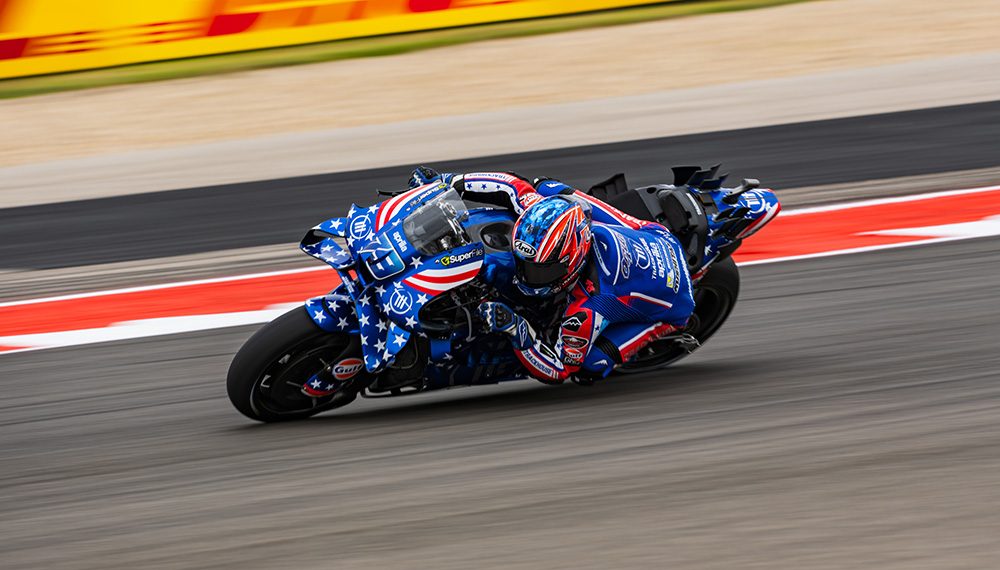
Let me be upfront about something: bringing a large-format camera to a MotoGP weekend is, on paper, a fool’s errand. The GFX system was never designed for high-speed action photography, even though Fujifilm says it can hang in that kind of environment. It is a camera built for maximum image fidelity, not maximum frames per second. And yet, there is something deeply satisfying about the challenge of using the wrong tool correctly. After all, a camera is just a tool, and if you’re a good photographer, you’ll manage to adapt to a slightly varied method of shooting.
My Setup and Home Court Advantage
Circuit of the Americas is my home track. Whether it is regional track days, MotoGP, Formula 1, or MotoAmerica events, I know every corner, every marshal post, and every shooting angle intimately. That familiarity matters, especially when you are making the kind of deliberate, considered shots that a camera like the Fujifilm GFX100S II demands.
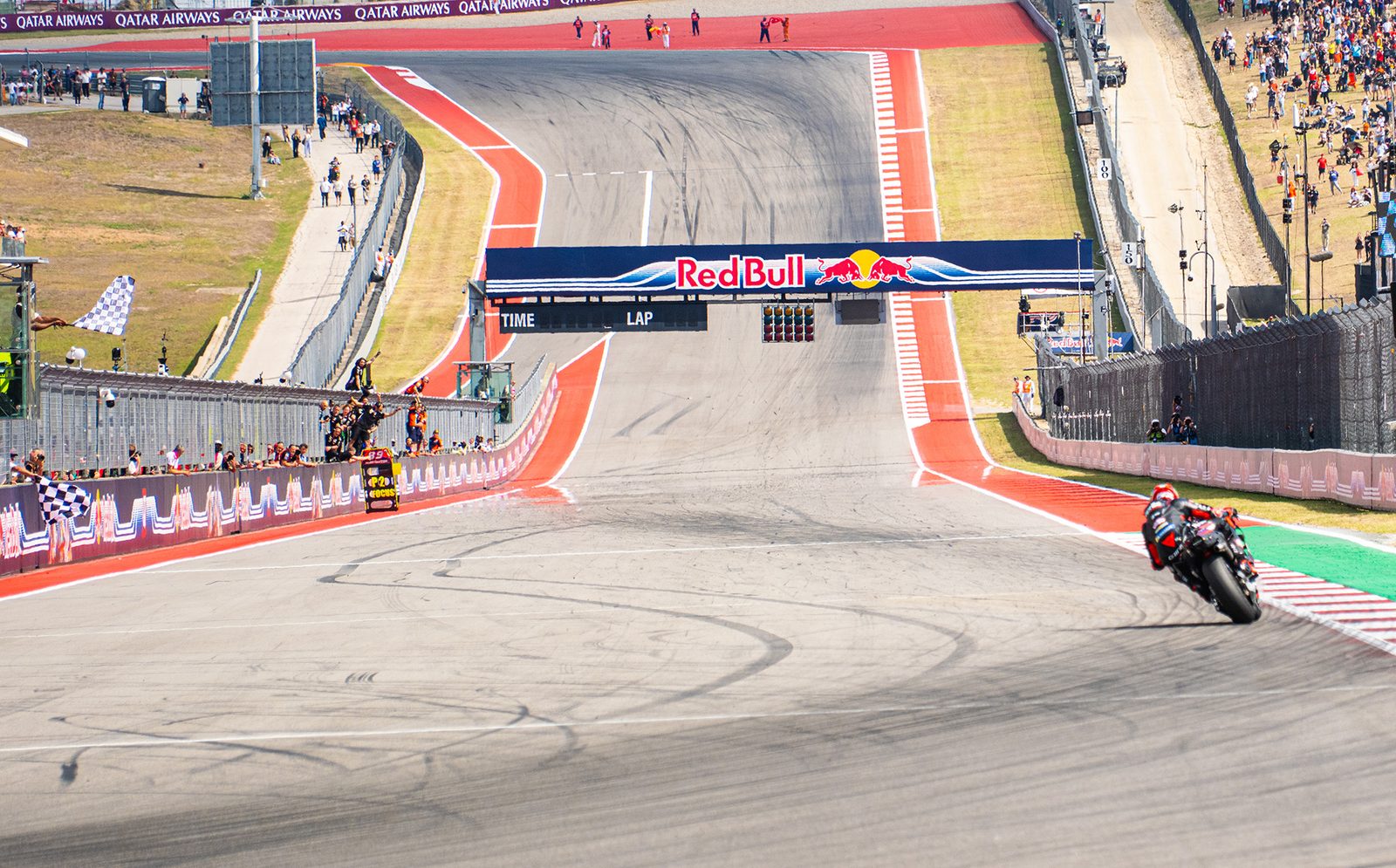
My primary workhorses for track work are two Fujifilm X-H2S bodies. It’s Fujifilm’s flagship X-series camera, and it’s built for speed. Its 26.1-megapixel APS-C stacked BSI CMOS sensor, paired with the X-Processor 5, delivers up to 40 fps with the electronic shutter and 15 fps with the mechanical shutter, with subject-detection autofocus that locks onto motorcycles and riders with impressive tenacity. That is the benchmark I would be comparing the GFX against.
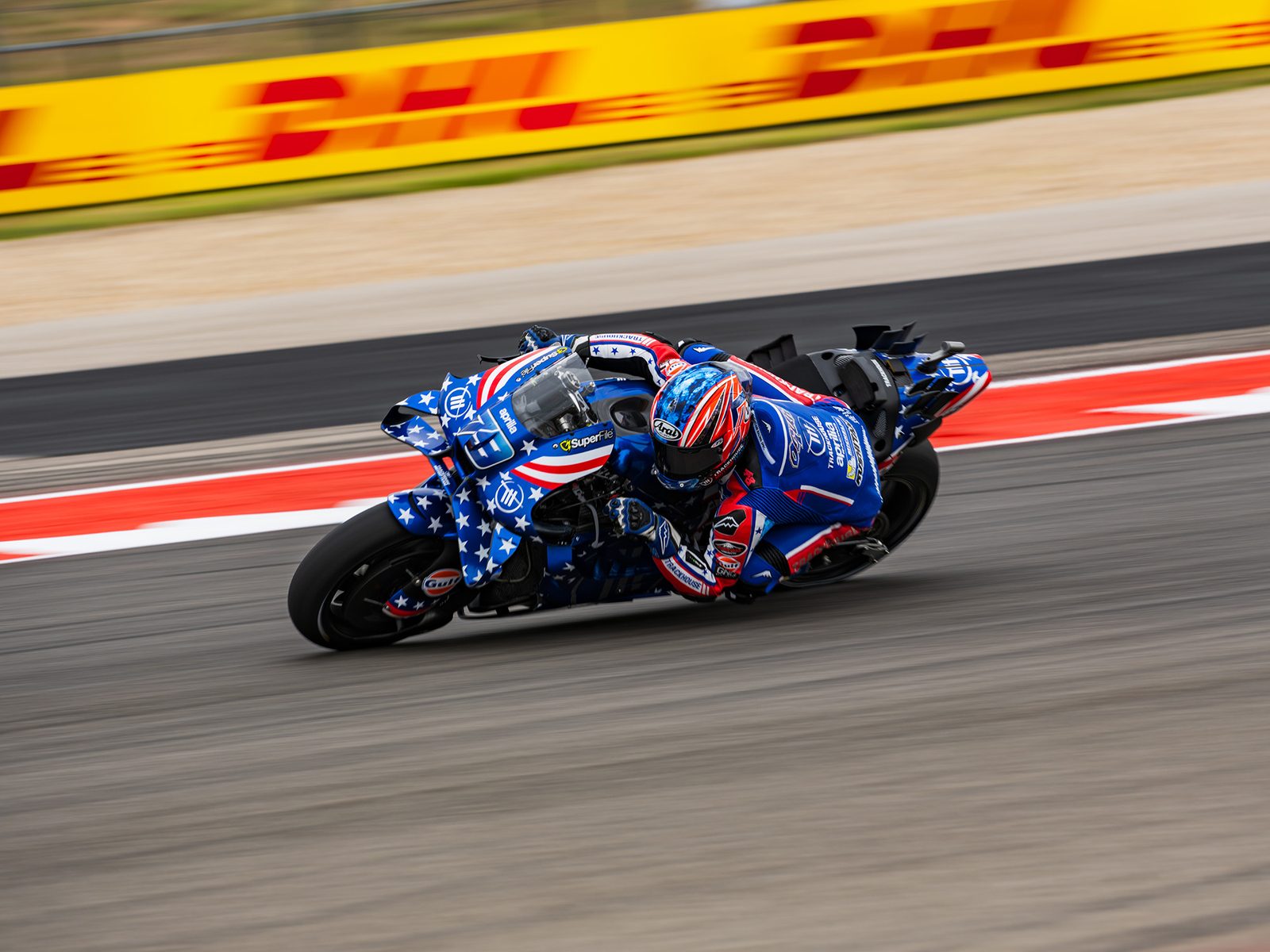
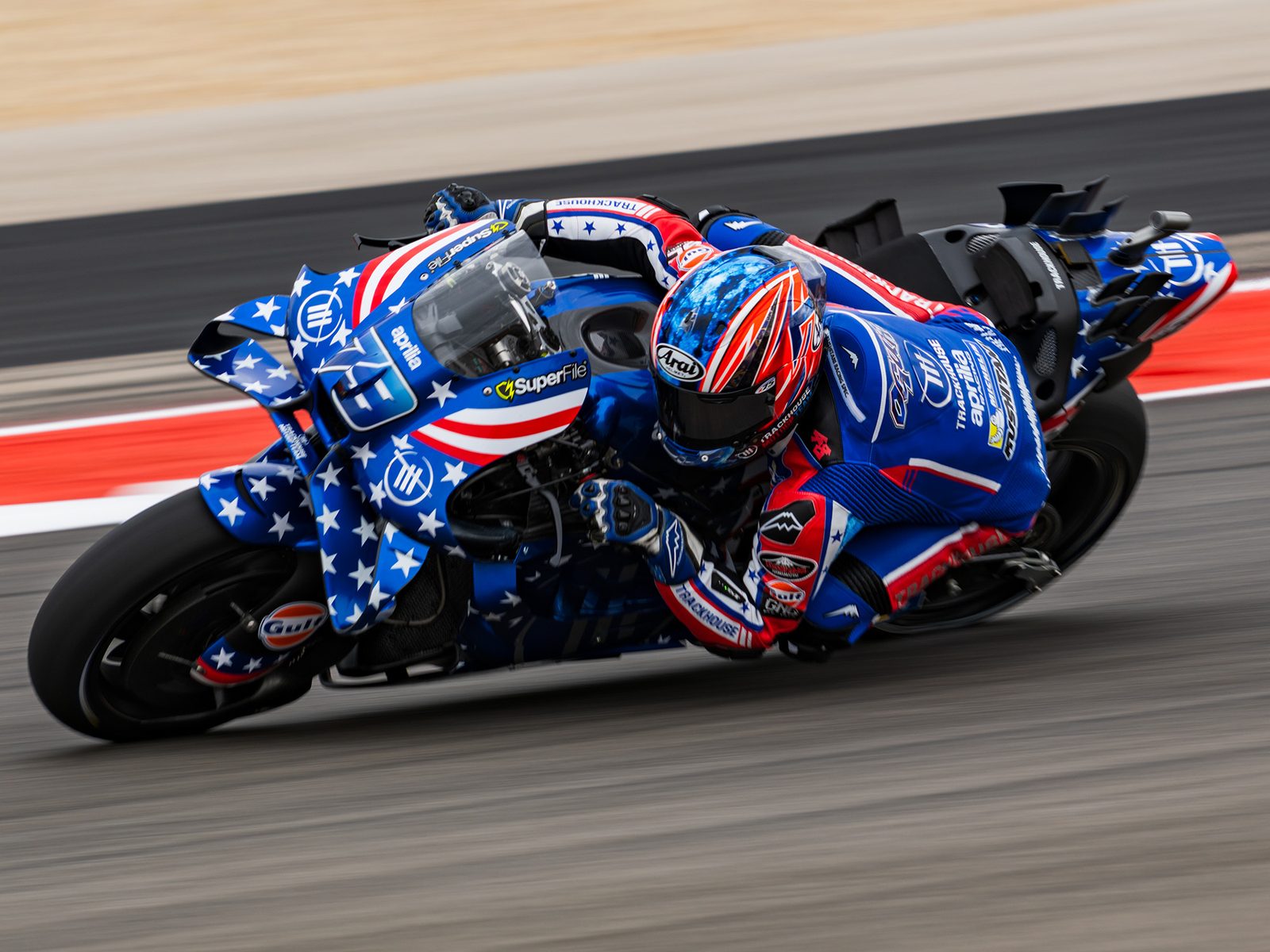
For this test, I paired the Fujifilm GFX100S II, which houses a 102-megapixel, 43.8×32.9mm large-format sensor and is also driven by the X-Processor 5, alongside my Fuji X-H2S bodies over the full MotoGP weekend.
Getting Dialed In: Custom Settings and Ergonomics
One genuine advantage of Fujifilm shooting across both systems is the shared menu logic and ergonomic philosophy. Setting up the Fujifilm GFX100S II to mirror my X-H2S configuration was relatively straightforward. I run C1 and C2 in shutter priority for trackside work, with an FN on body button mapped to C1 recall so I can flip instantly between tracking sharp freezes to motion pans. C3 is aperture priority for paddock and grid work, while C4 and C5 hold my video presets. I did not take the time on this assignment to test the video capabilities of the GFX, so I would have to wait for another assignment. The GFX100S II accommodates six custom positions on its mode dial, which made replicating my workflow clean and intuitive — though I did notice the FN button layout differs slightly from the X-H2S, with two on top versus the additional body-side button I normally map to subject-detection AF on the X Series.
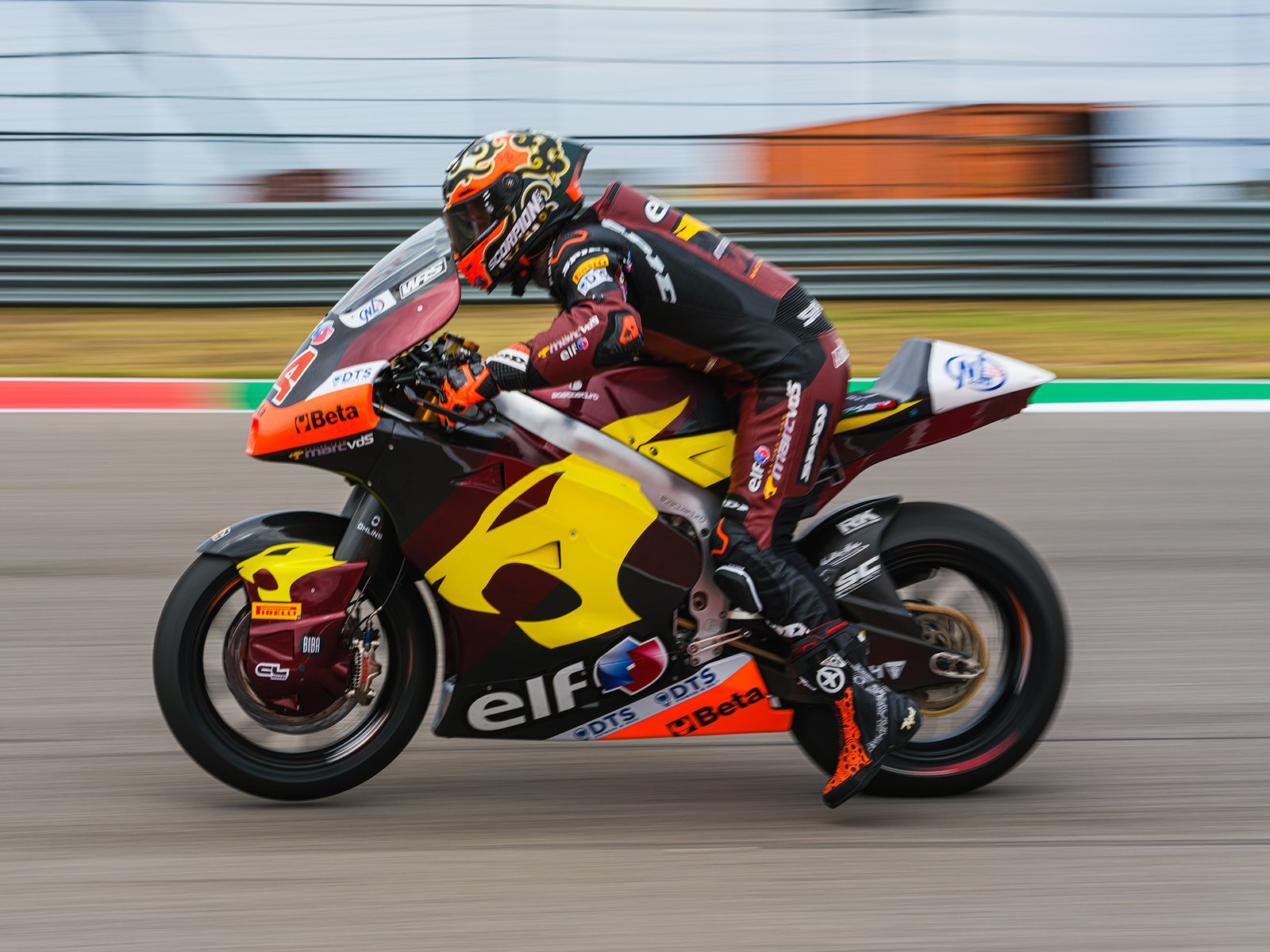
For lenses, I committed to a single glass for this test: the Fujifilm GF 100-200mm F5.6 R LM OIS WR. With the GFX system’s 0.79x crop factor relative to 35mm full frame, this gives an effective field of view of approximately 79-158mm — a range that handled remarkably similarly to my Fujifilm XF 50-140mm F2.8 on the X-H2S, and proved versatile across everything from the main straight to the paddock.
Autofocus: Better Than Expected, But Not a Replacement
My biggest concern going into this weekend was autofocus performance under race conditions, and the results were nuanced. The Fujifilm GFX 100S II has received a significantly improved AF algorithm over its predecessor, with subject detection that officially supports motorcycles and bikes via deep-learning AI. In practice, it held up better than I anticipated. The system tracked riders through corners and across changing backgrounds with reasonable reliability.
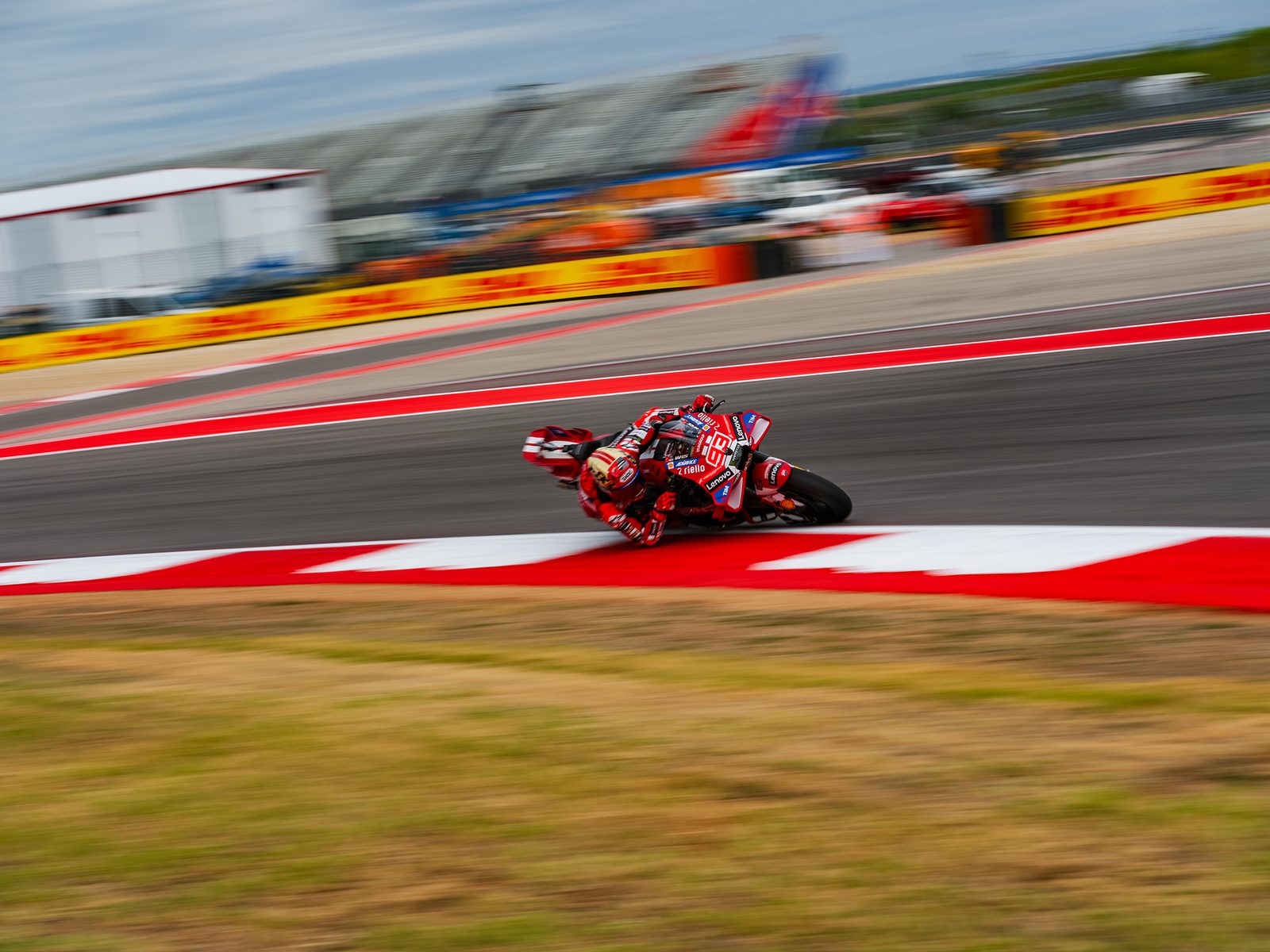
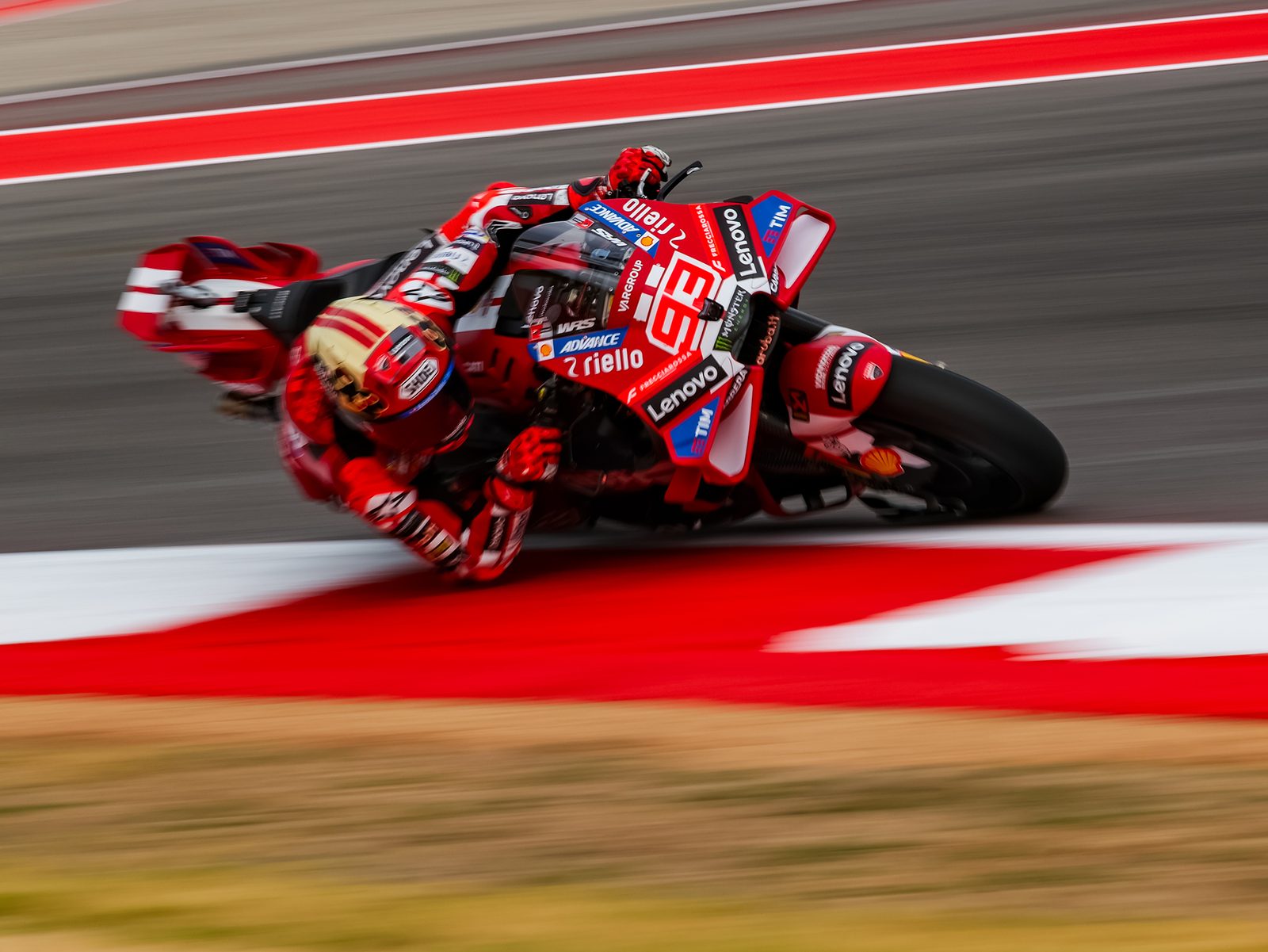
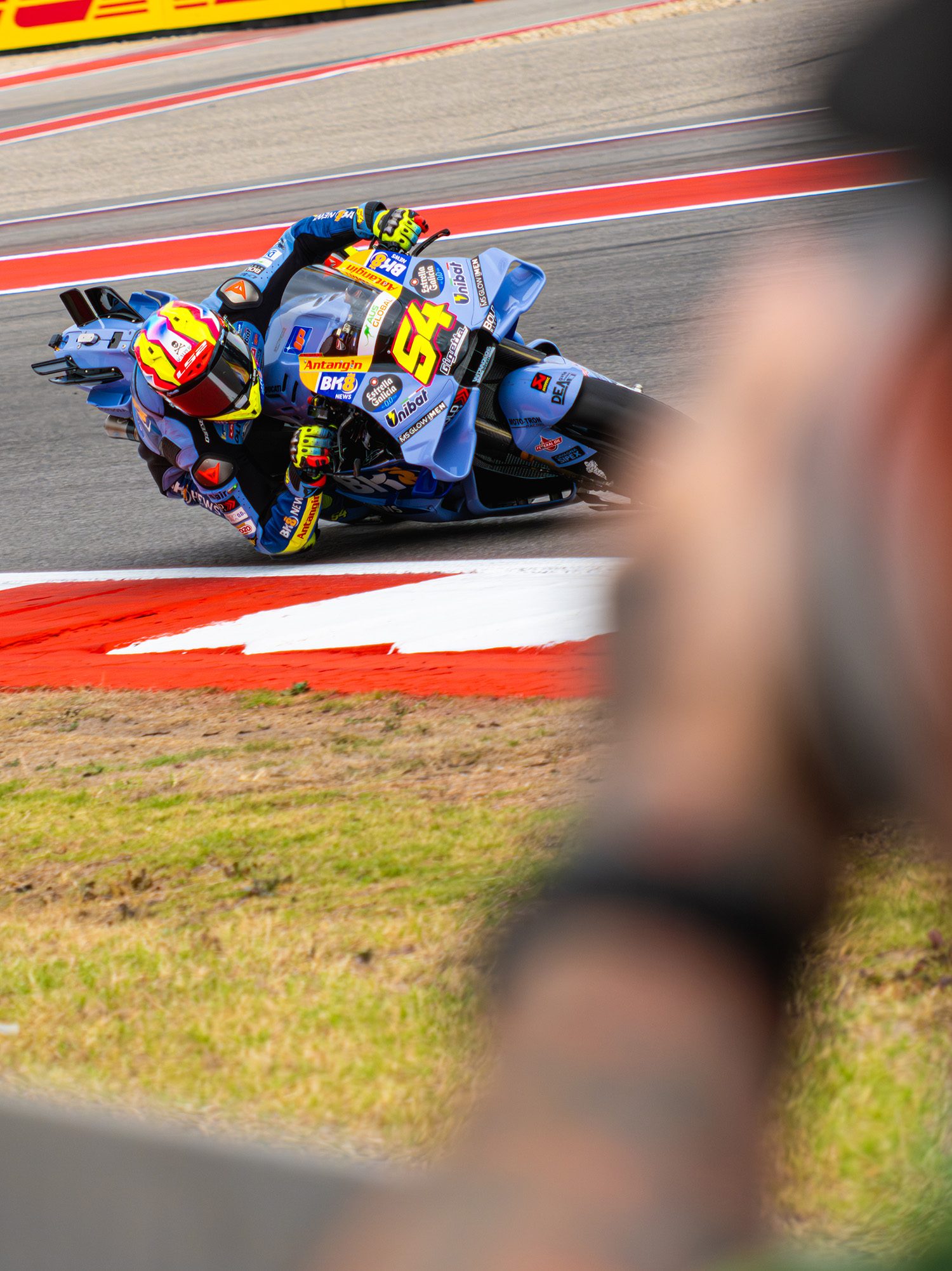
That said, it was not as sticky as the X-H2S even though I set up both cameras with the same AF-C settings. Hit rates in the most demanding sequences — high-speed braking zones, riders entering frame from the side — were noticeably lower. Both cameras share the X-Processor 5 engine, but the GFX just felt a step behind in response time and subject retention. Not disqualifyingly slow, but the gap is real and matters in a high-volume, high-speed environment.
The Buffer Wall
Here is where the practical limitations become concrete. At its maximum mechanical shutter speed of 7 fps, the GFX 100S II shoots enormous RAW files — 14-bit or 16-bit from a 102-megapixel sensor. Even on fast UHS-II media, the buffer fills quickly: shooting lossless-compressed RAW at 7 fps, you get approximately 19 frames before a noticeable slowdown; uncompressed RAW cuts that to around 16. Compressed RAW is more generous at roughly 30 frames, but you are still looking at under five seconds of sustained fire before the camera catches its breath.
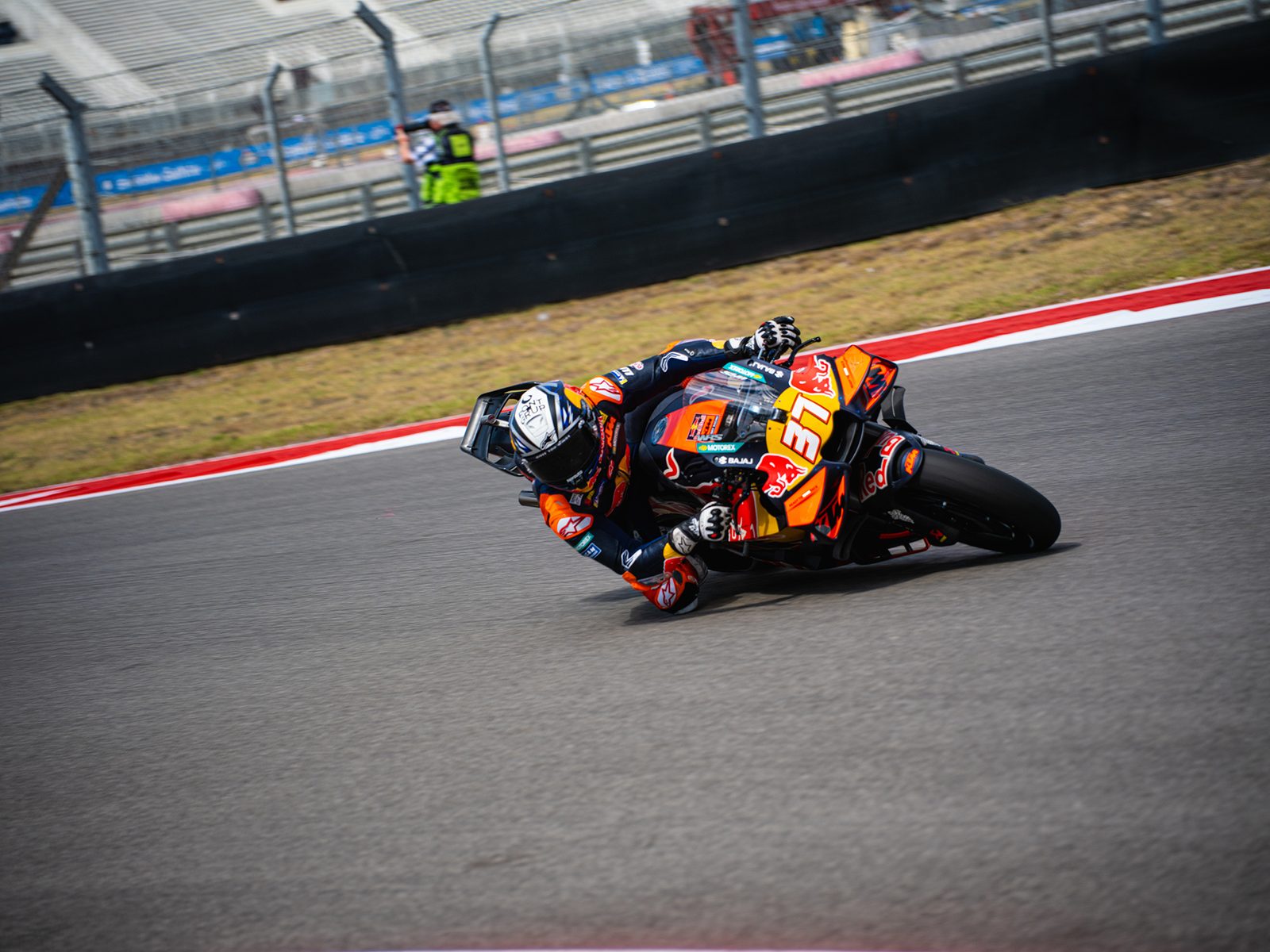
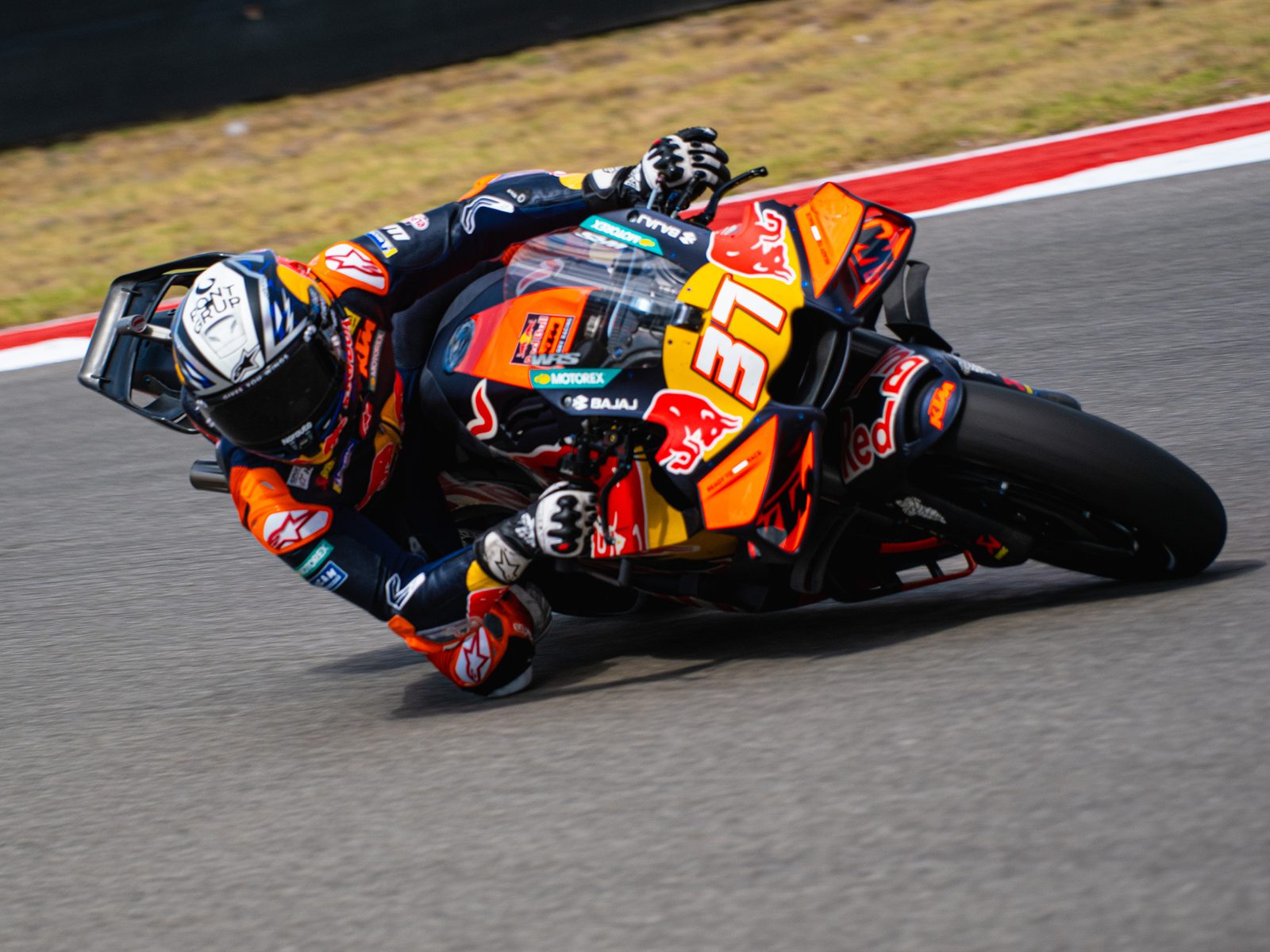
This changes how you shoot. You cannot spray and pray. You have to read the race, anticipate the moment, and commit. That is a discipline, not necessarily a flaw — but it is a real operational constraint in a fast-moving environment where a rider’s perfect apex moment can last a fraction of a second.
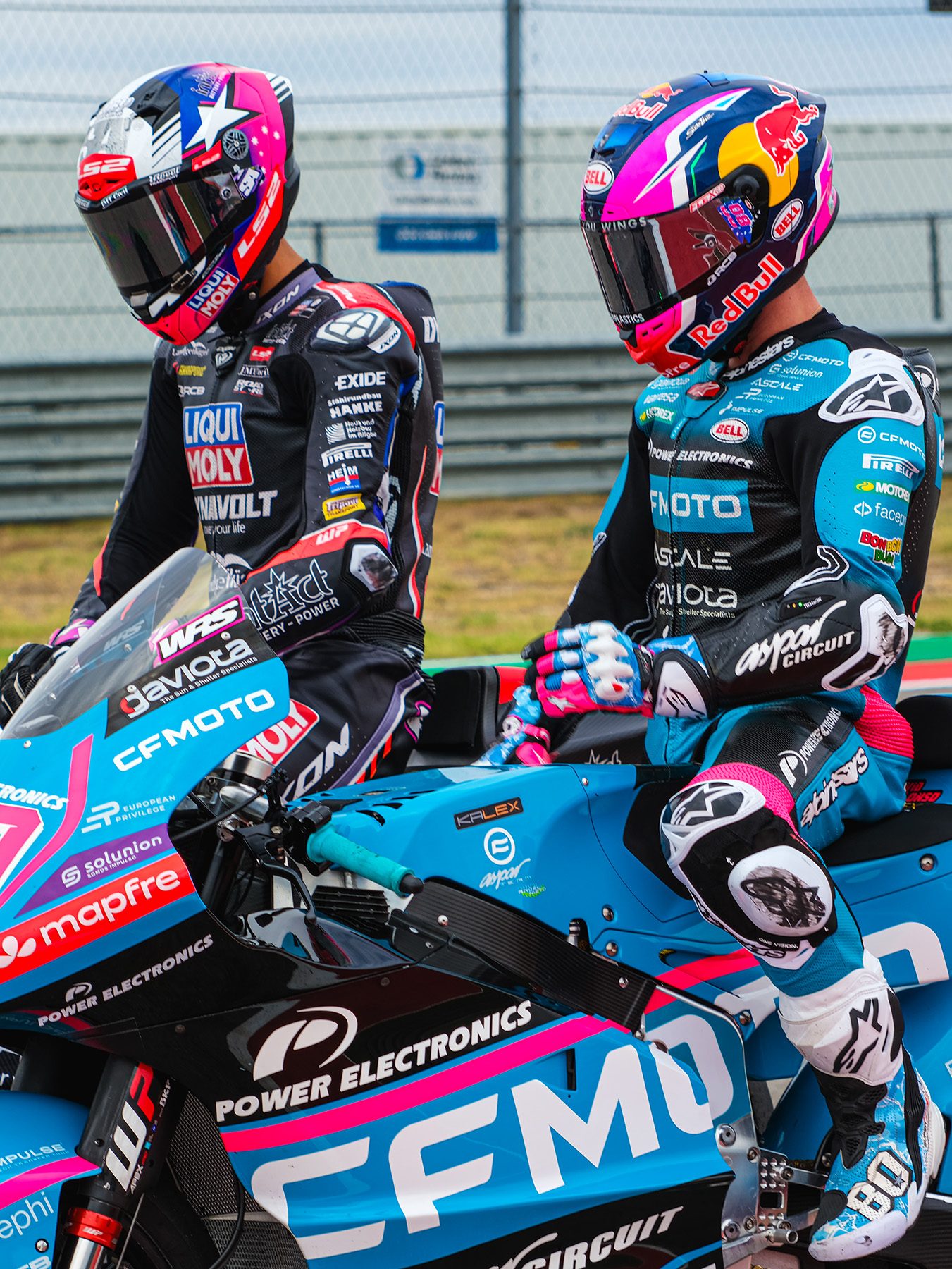
Where the GFX100S II Is Simply Unmatched
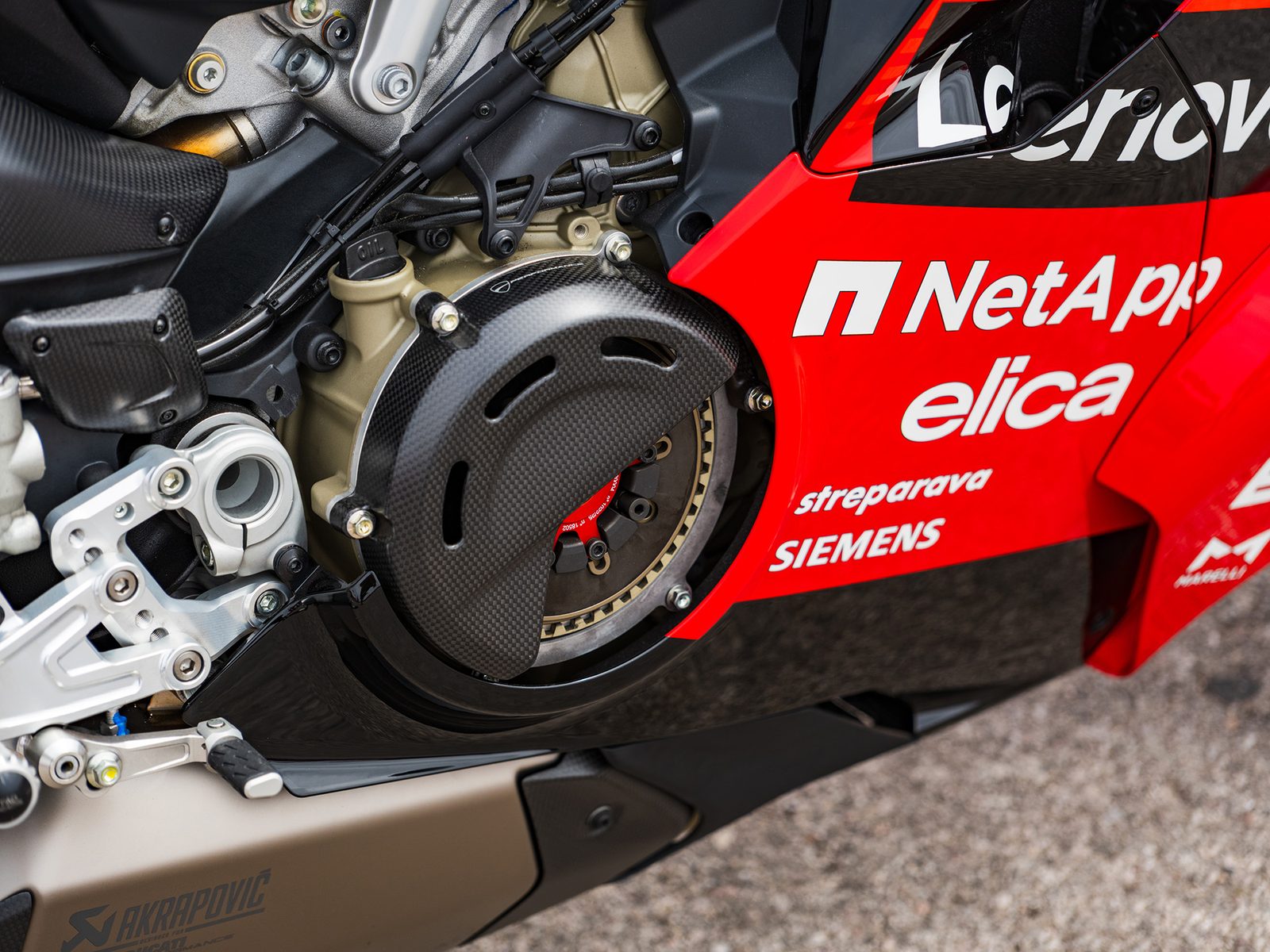
Set the limitations aside, and what this camera delivers in image quality is genuinely in a different category. The 102-megapixel sensor with redesigned microlenses produces files with depth of tone, tridimensionality in color gradation, and a resolving power that I have not experienced across the rest of the Fujifilm lineup, or, frankly, from any full-frame or APS-C system. The sensor measures 55mm diagonally; that physical size produces files with a tonality that simply cannot be replicated in a smaller format.
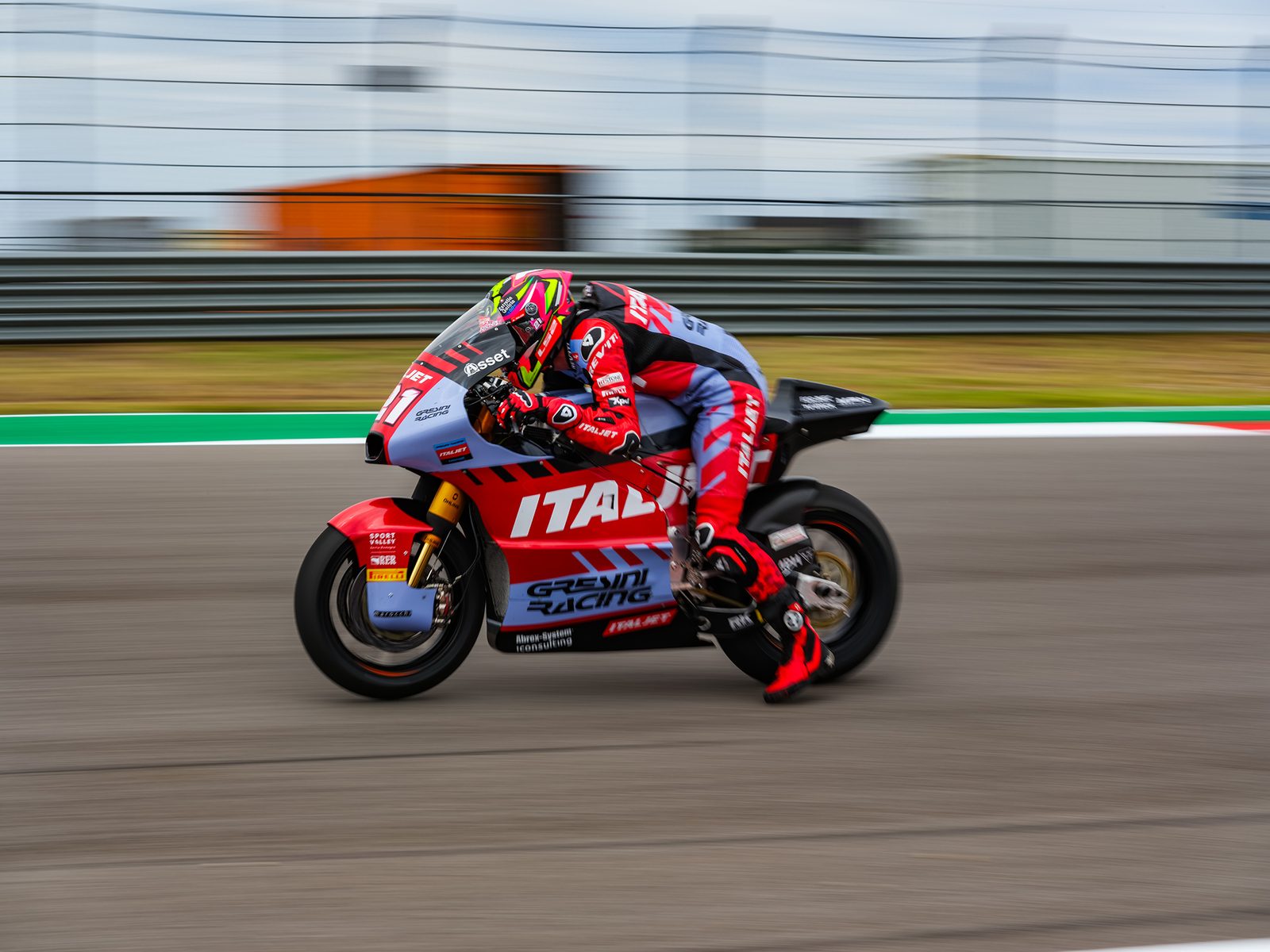
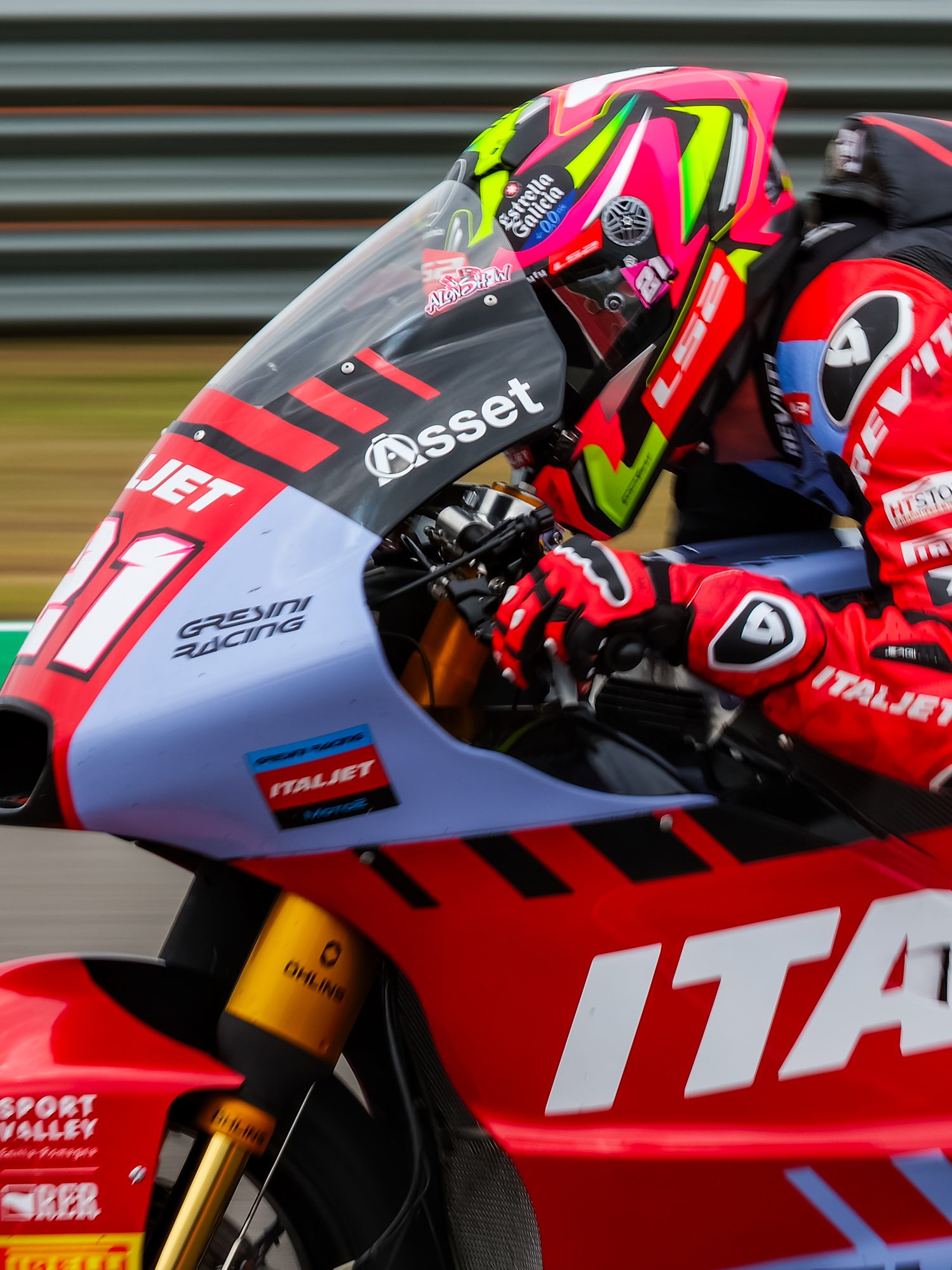
What struck me most was how understated it looks on the rear screen. You review a shot, and it looks fine. You load it into Lightroom on a 27-inch Studio Display, and the image opens up entirely — textures in leathers, heat shimmer emanating off the exhaust, individual crowd members sharp in backgrounds you assumed were mush. The sensor supports ISO 80 as its standard minimum sensitivity, enabling 16-bit images with remarkably wide dynamic range even in the high-contrast conditions of a bright circuit.
The camera also features 5-axis in-body stabilization rated at up to 8.0 stops — the most powerful IBIS Fujifilm has put in a GFX body — which made handheld work in the paddock and on the grid fluid and confident, especially with the longer end of the GF100-200mm.
The Paddock Is Where It Shines
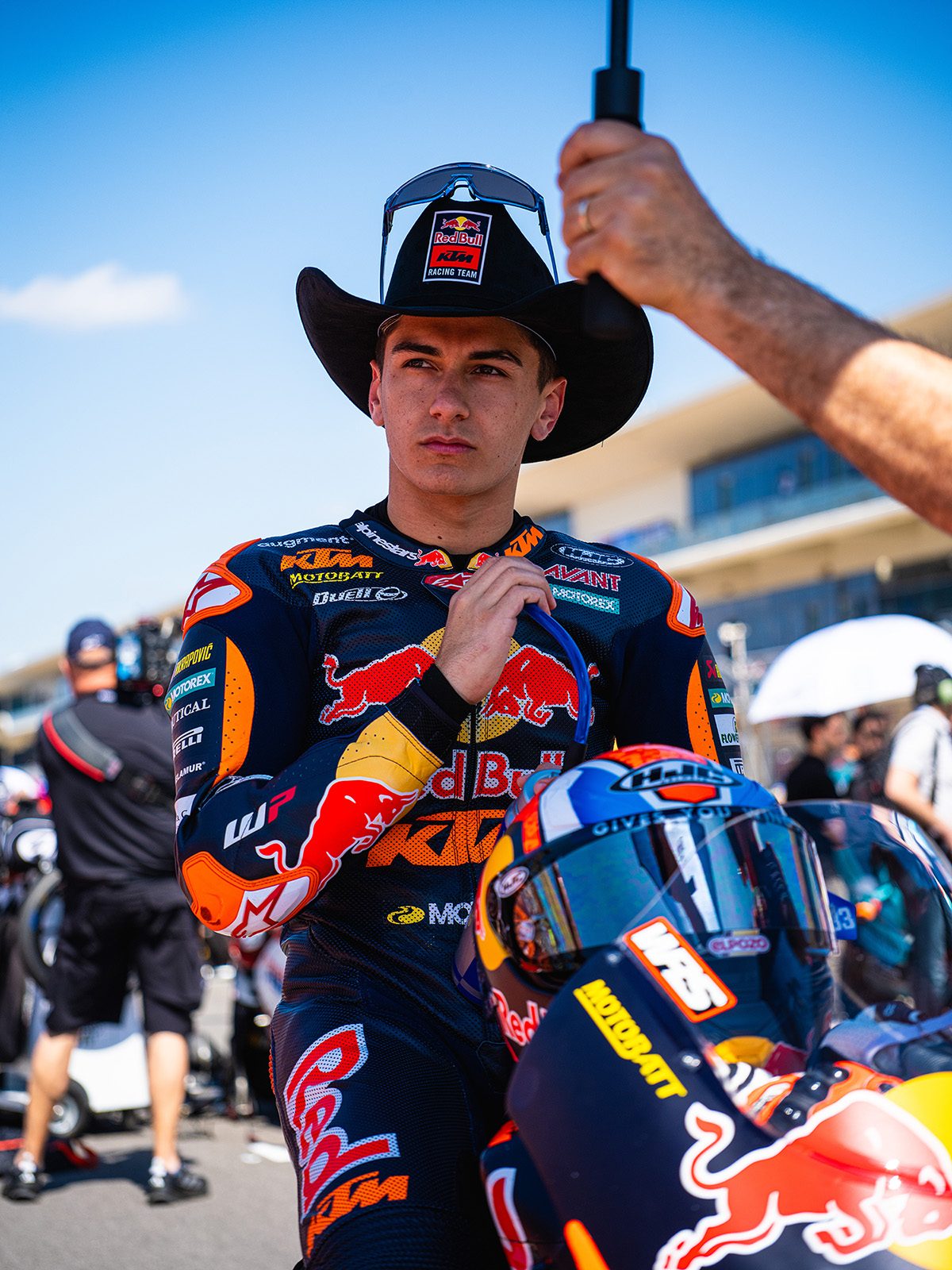
Trackside, I had to work harder and shoot smarter. But away from the action — in the paddock, on the grid, during the post-race podium celebrations — the Fujifilm GFX 100S II was an absolute joy. I could frame deliberately, trust the autofocus on static and slow-moving subjects, and know that whatever I captured could be cropped dramatically in post without sacrificing resolution. A tight portrait of a rider on the grid, cropped to just their eyes above the visor? The sensor handles it without a second thought. That kind of post-production flexibility is genuinely freeing.
Final Verdict
I will not pretend I was not seduced. The Fujifilm GFX 100S II is a special camera, and spending a weekend with it at COTA made a compelling case for adding it to my kit — not as a replacement for my X-H2S bodies, but as a deliberate complement to them. For landscape, portraiture, studio, fashion, and editorial work, it would be hard to find a more capable tool in this form factor. At 883g with battery and card, it is also the lightest 102-megapixel body Fujifilm has produced, which matters when you are carrying gear all day.


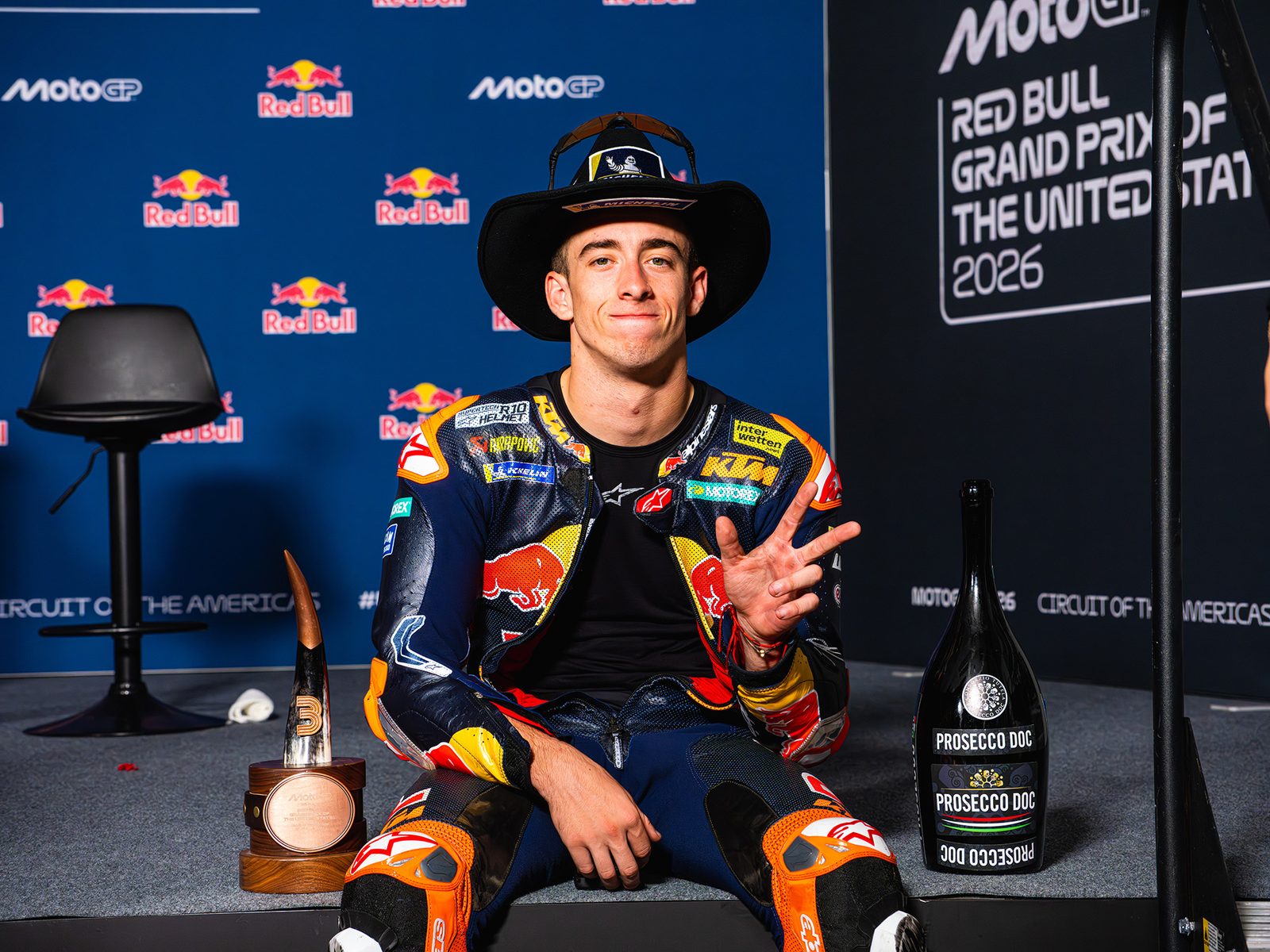
At the track, it serves a very specific role: a secret weapon third body for moments when speed is secondary, and image quality is paramount. The grid walk. The podium. The quiet corner where you wait for a single perfect shot. For those moments, nothing in the Fujifilm system comes close to what this sensor produces. But when the lights go out, and the field accelerates through Turn 1, I will be reaching for the X-H2S every time.