

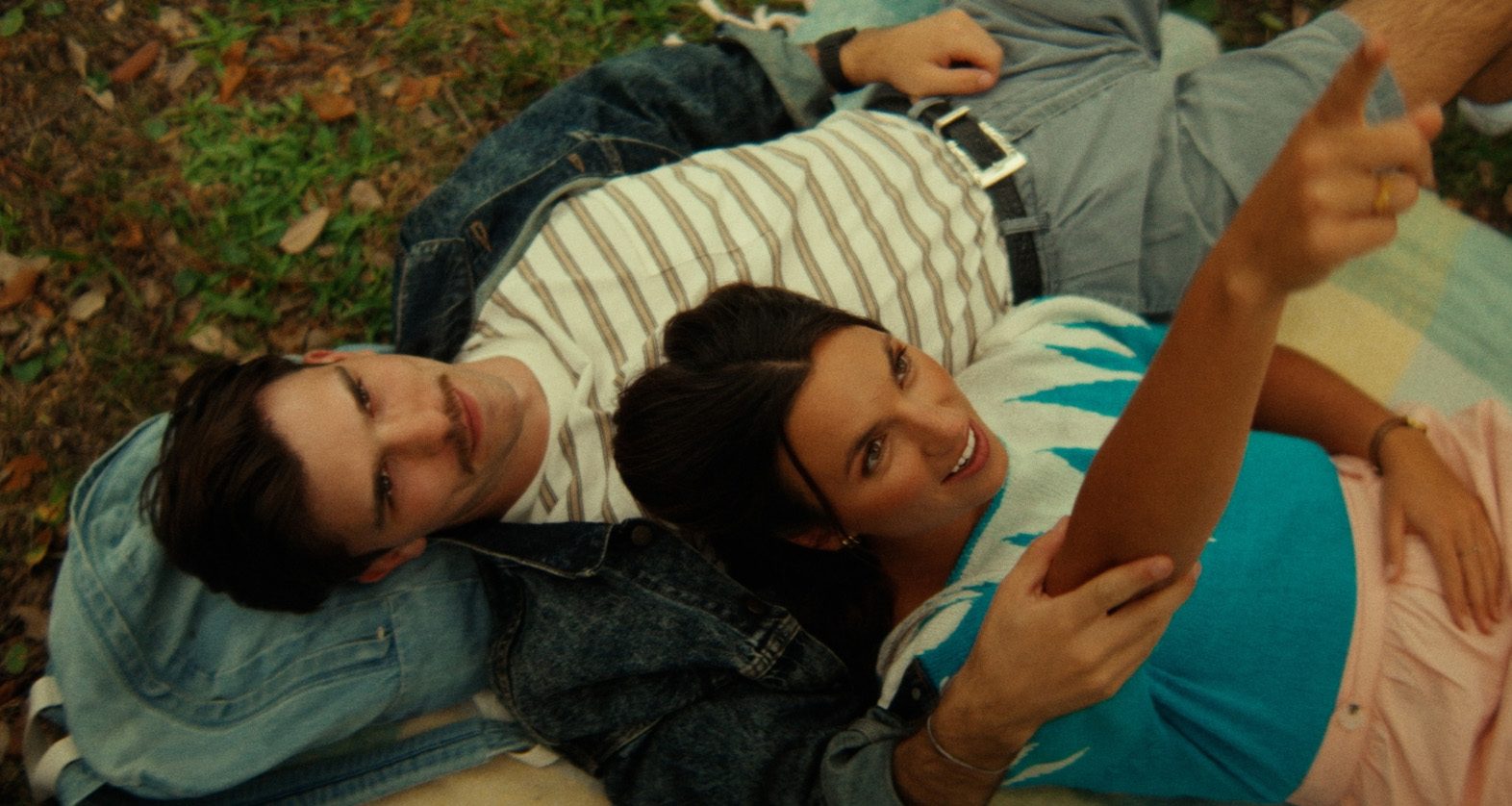
For Denver-based commercial director Jill Coats, a great advertisement should never actually feel like one. Over the past decade, she has traded her childhood camcorder for large-scale production crews, building a career centered around what she calls “short films disguised as ads.” Rooted deeply in nostalgia, human connection, and raw emotion, her work bypasses traditional brand messaging to create something audiences can genuinely feel.
But the transition from a self-reliant, “one-woman-band” videographer to a commercial director meant learning to translate the vivid, internal worlds in her head into a shared language for her crew. Today, that intentionality extends to every facet of her pre-production, especially when selecting the visual tools for the job. We sat down with her for a series called Customer Stories, to discuss the art of letting go of control, how the right choice of glass can completely unlock a story’s emotional language, and why tailored gear setups are the secret to keeping her commercial and documentary work standing out.
“I primarily direct and shoot commercial and branded documentary work… anything that feels a little less like an ad and a little more like a film.” — Jill Coats
Scaling her business from a scrappy, “one-woman-band” videographer to leading full production crews wasn’t without its growing pains. The hardest part of the shift, she explains, wasn’t managing the logistics; it was learning how to let go of the physical camera and communicate.

“When you’re working alone, the images, emotions, pacing, and overall feel already exist so clearly in your head that you can simply execute them instinctively,” she says. “But when a team becomes involved, you have to translate something deeply internal into language that other people can fully understand and bring to life.”

That challenge forced her to become incredibly intentional during pre-production. She began relying heavily on reference images and developing a precise vocabulary to articulate tone, movement, texture, and feeling to her cinematographers and department heads. She also learned the ultimate secret to directing a massive crew: hiring people who are better than her in their specific roles. “When I know the people around me are incredibly talented, it becomes much easier to let go of control and allow them to elevate the vision beyond what I could have achieved on my own.”

This collaborative philosophy takes center stage when she sits down with her Director of Photography to select the gear for a shoot. Instead of forcing a script to fit whatever equipment happens to be sitting in her gear closet, she treats the technical setup as a blank canvas tailored entirely to the emotional needs of the story.
“I’ve realized just how much glass can shape emotion, and every project calls for something different,” she says. “Different lenses carry different textures, imperfections, and characteristics, and those subtle choices can transform the emotional language of a film.”
A prime example of this execution came during the production of Remember How to Play, a branded film following a group of friends reconnecting with their childhood sense of freedom on a bicycle trip. She knew instantly that she didn’t want the visuals to feel clinically perfect or overly polished; she wanted the piece to feel warm, fleeting, and deeply nostalgic.
Working alongside her talented cinematographer, Josh Bernales, the duo decided to rent a set of DZO Vespid lenses paired with Pearlescent and Black Pro-Mist filters.
“The Vespids have a softer, more organic rendering compared to ultra-sharp modern commercial glass,” she explains. “Pairing them with the filters softened the image even further by blooming highlights, gently lifting contrast, and creating this dreamy glow around sunlight and practical lights. Altogether, the image started to feel less digital and more nostalgic.”
To pull off these highly customized visual languages without buying expensive, niche equipment for every single shoot, she has relied on Lensrentals.com for the past five to six years. Having a massive inventory at her disposal means she never has to compromise on her creative vision. Whether a commercial demands a stylized, cinematic look using anamorphic primes or a fast-moving documentary requires a lightweight, versatile zoom, the flexibility allows her work to continuously stand out.

“Lensrentals has allowed me to say ‘yes’ to bigger, more specific creative ideas without being limited by the gear I personally own,” she says. “I’m not approaching every project with the same visual language, I’m building a look that’s intentional to the story, the brand, and the feeling we want the audience to walk away with.”
Ultimately, that creative freedom is what transforms a standard marketing campaign into an unforgettable piece of filmmaking. By viewing gear not as a permanent constraint but as a flexible extension of the narrative, she ensures that her work remains deeply authentic and tailored to the unique pulse of every brand she partners with. It’s an approach that keeps her audience feeling something real, turning passive viewers into emotionally connected participants.

As her production company continues to scale and take on even larger commercial canvases, that childhood enthusiasm born on a tape-based camcorder remains entirely intact. Armed with an elite crew, a collaborative spirit, and the exact right glass for the job, she is well-positioned to keep pushing the boundaries of what brand storytelling can be. For this Denver director, the goal will always be simple: fewer ads, more films, and stories that stay with you long after the screen goes dark.
We thank Jill Coats for sitting down with us to tell her story and for being an avid customer for several years.
