

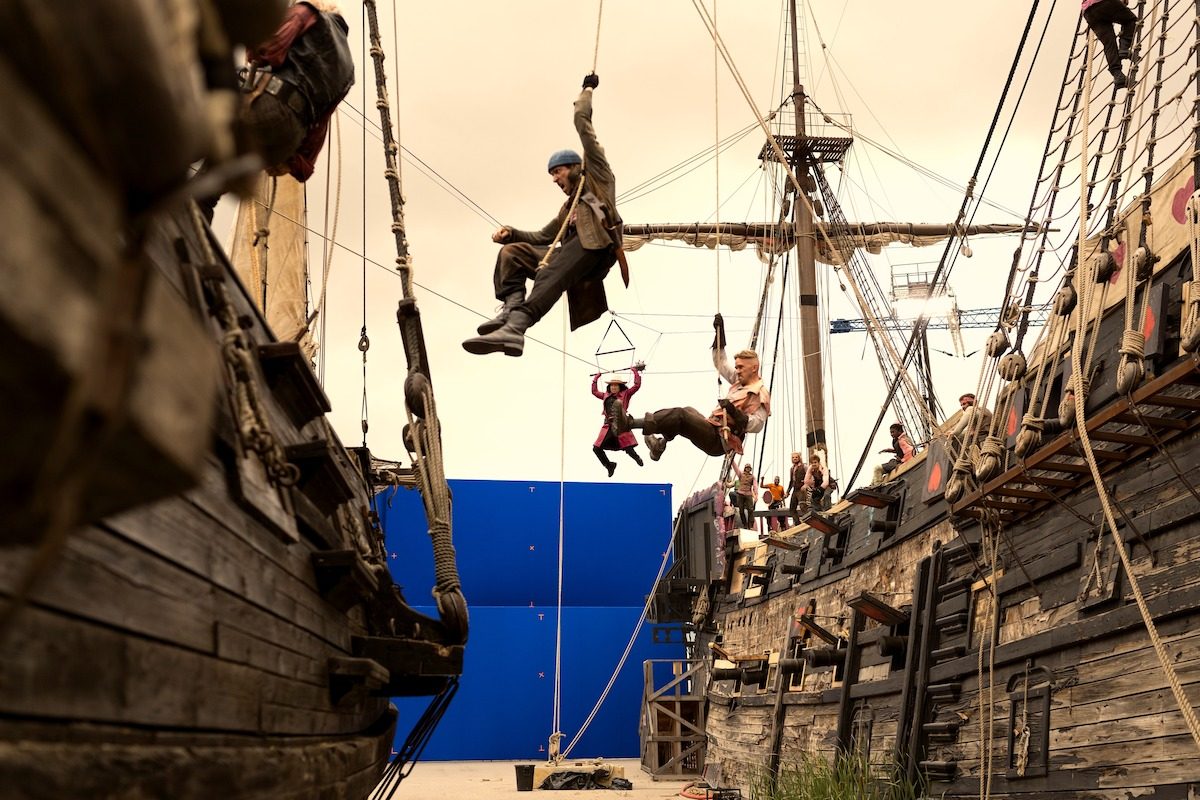
Turning a beloved work into a live-action adaptation is always an ambitious undertaking. So when Netflix announced they were making a live-action One Piece, we were all a bit stunned. It is one of the longest-running and most beloved anime in history, and adapting it meant weighing fan expectations, managing a crew of 400 to 500 people, and building a fantastical world that still had to feel believable.
Netflix and crew took that on by filming on location instead of strictly in studio. The decision cost seven months in South Africa, custom anamorphic glass built by Hawk, and shoot days scheduled around the sun the way productions used to work. It also lines up with what we have been hearing from creators all year, which is why we are writing about it after our time at Dream Con.
Each year, Lensrentals.com weighs the conventions we have been invited to and picks where we can actually get to know our client base. That is why you have probably met some of us at NAB, WPPI, or ImagingUSA. This year we added Dream Con, a Houston convention built around anime, gaming, cosplay, TV, and film. What we found there was a room full of people chasing exactly what the One Piece crew was chasing, with none of the budget. Most of the weekend was spent connecting dots between our inventory and the shows, films, and channels people already love. One pattern came up over and over. Creators want to own their camera body. It is the thing they save for and the thing they build an identity around. What they rent is everything that goes around it: glass first, then streaming gear and the additive pieces that push a project up a tier. Nobody was asking to rent a body they could have bought. They were asking about the glass that makes the body worth owning.
Creating an anime and adapting work to film are inherently different. With anime, you’re not limited by the feasibility of your story; anything that you can imagine can be drawn and produced. That doesn’t hold when filming. Camera limitations, locations, and special effects budgets all need to be approved ahead of time. Still, Netflix worked to do the impossible: adapt the popular anime One Piece into a live-action TV series. Even more impossibly, One Piece is a pirate-themed anime, where many of the sets are designed on the open sea, and Netflix decided to do it with practical effects and locations in mind.
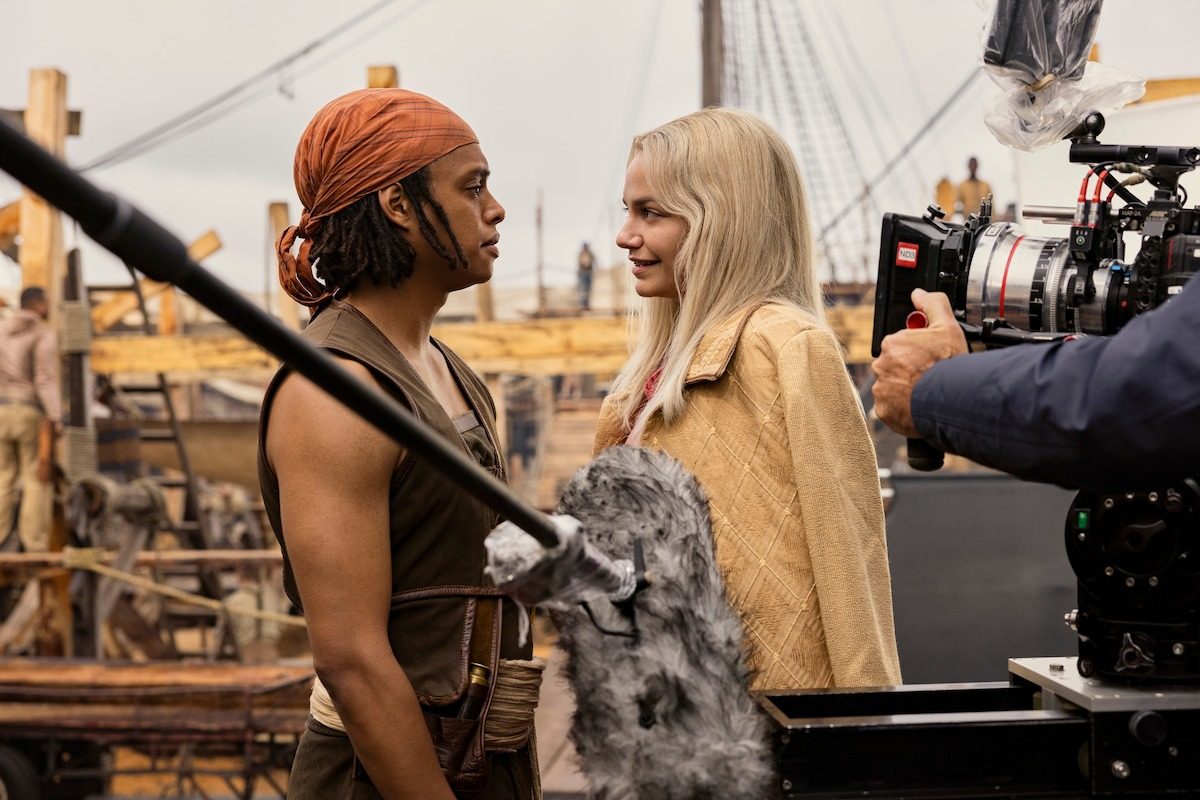
Shooting something like One Piece with practical effects and locations in mind meant taking practicality out of the equation. Shot largely in South Africa, One Piece employed anywhere from 400 to 500 people to help build sets, locations, and film. And when using real ships on filming locations, you have to make the best of what you have. Director of Photography Nicole Hirsch Whitaker tells Buzz magazine:
Available daylight is always an issue, and not being able to rotate the ships. We had very big rigs, and it’s windy in South Africa! It took some time to work out how to make it all look really good, but with a great crew, we learned to schedule things around the sun.
These challenges made for an exceedingly long production timeline. First announced in 2020, One Piece Season One finally premiered in August of 2023, with a filming timeline of about 7 months. Following the impressive release, Netflix renewed One Piece for a second season only two weeks after the premiere.
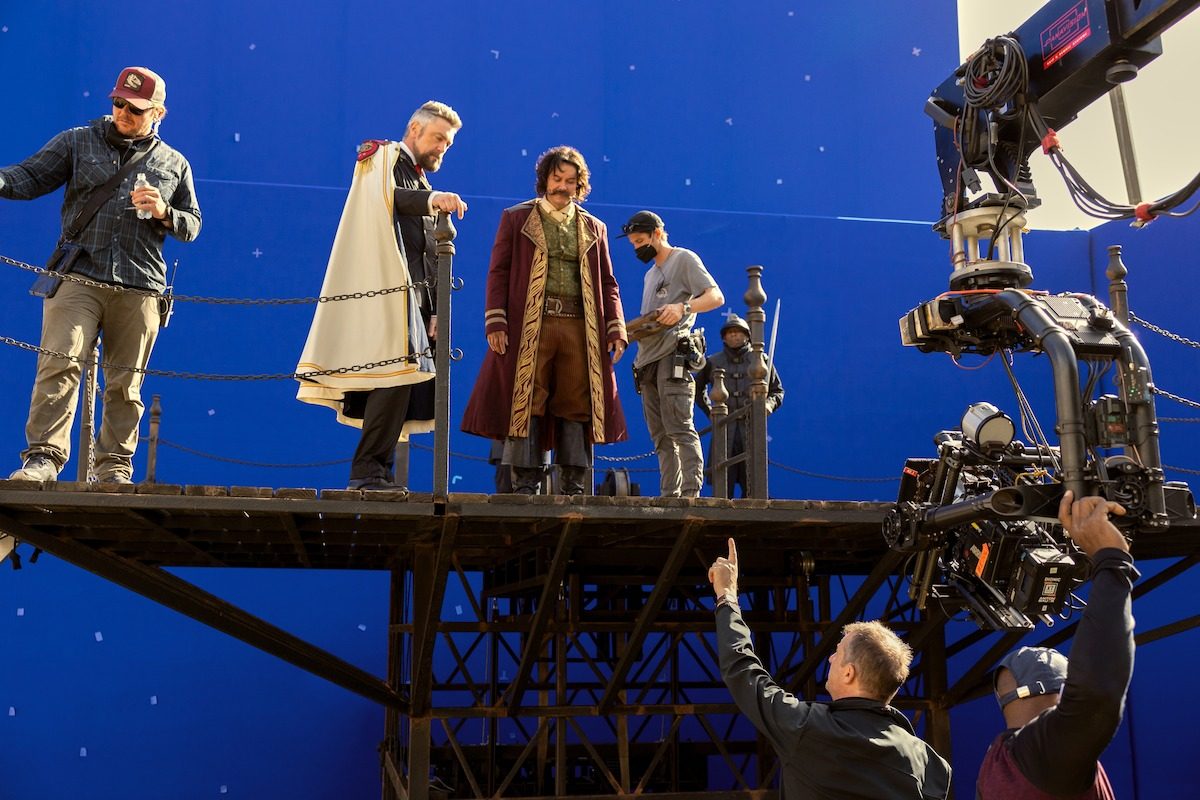
When shooting a Netflix production, you’re met with a lot of regulations from Netflix itself. Netflix has a well-known list of ‘Netflix Approved Cameras’ that must be used to make a Netflix production, and One Piece was able to take that list and pull some of the very best. Shot on large-format ARRI Alexa Mini LF cameras, One Piece also used custom Hawk MHX / MiniHawk hybrid anamorphic lenses for Season One and opted for the legendary Panavision Primo 70 lenses for Season Two.
For the custom-made Hawk MHX lenses, cinematographer Nicole Hirsch Whitaker talks to our friends at NoFilmSchool about the process:
We actually went to Hawk, and they built us a set of lenses from scratch to basically allow us to do what we needed to do because there really wasn’t a large format lens out there that we could do the same type of photography with if they hadn’t built us those lenses. I knew I wanted to shoot ARRI large format, and there isn’t much large-format glass. Basically, they went to the drawing board and built them for us. Netflix got on board since they had to pay for them. It was a big deal. We had to do a lot of convincing, but everybody was really cool and allowed them to get made. Hawk got the lenses delivered, and they had my name on them. It was really fun.
Why the practical bet paid off
Here’s our take: the choices Netflix made honored the source material.
We’ve noticed a growing sentiment around the industry. Digital does not always mean better. As people get better at spotting a volume wall, they also begin to notice just how out of place an actor can look. One Piece solved this problem by going through a tried and true method, a timeless approach to filmmaking that makes you work with the elements to immerse your viewers into your story.
In reality, practical is expensive. Seven months, hundreds of crew, and custom made glass all add up really fast. But for those of us creating with smaller budgets, practical is often the first way we ever experience creating in this space, and it stays the one approach that gets more achievable, not less, as the budget shrinks. Real locations, real light, and a lens that helps you capture your creative vision can really go a long way for indie filmmakers and creators alike. If Netflix can do it, so can you.
What that means if you aren’t Netflix
While researching the One Piece live-action series, we quickly learned that Dream Con creators are pursuing the same ambition as the creative crew behind the series. The only real difference is that not all Dream Con creators have Netflix’s budget, but we don’t think that should hold them back. Creators are driving a new wave of art and filmmaking, and what they may lack in crew size or custom glass, they don’t lack in access.
In an effort to be as precise as possible, we need to acknowledge the elephant in the room. No one outside of the crew can rent Whitaker’s Hawks. They were built for the show and stayed with it. What we can put in your hands is the other half of what helped make their production so spectacular. The ARRI Alexa Mini LF is the same body One Piece shot on. For large-format anamorphic, the Atlas Mercury Full-Frame 1.5x line is built to cover a full-frame sensor with oval bokeh and barrel distortion intact. If you would rather go clean and spherical, the Zeiss Supreme Primes cover the same 46.3mm large-format image circle Whitaker needed in the first place.
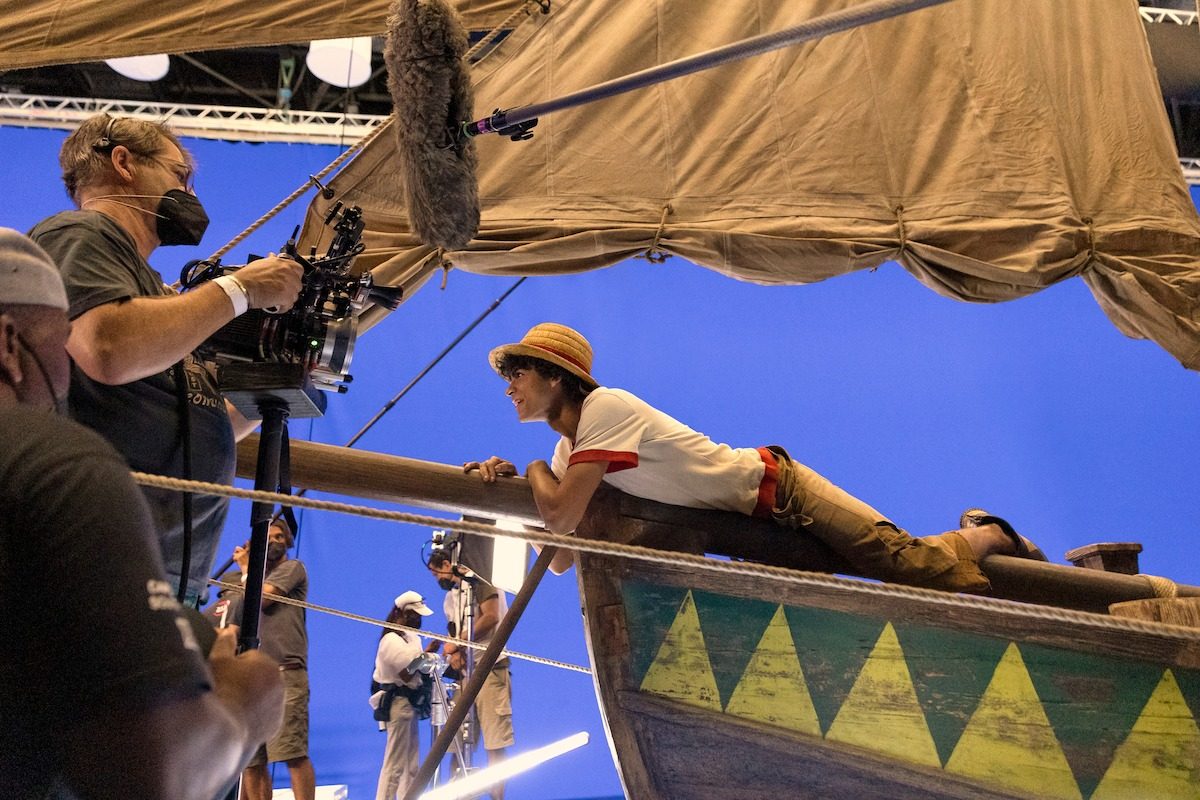
The world of creativity is not shifting. It already shifted. Kane Parsons built the Backrooms as a web series when he was a teenager, made the feature for roughly $10 million, and took it past $400 million worldwide, the biggest film in A24’s history. Curry Barker shot Obsession in twenty days for $750,000 and cleared half a billion. This is proof that fans and creatives will step into large budget productions with starting budgets very close to your own.
So if you’re building toward that, we’re here for you with our full anamorphic lineup all the way from full-frame sets down to kits that mount on what you already shoot with. If you’re looking for bodies, the ARRI Alexa Mini LF gets you exactly what they used on One Piece. And if you simply need a few supplemental lenses to get your productions to the next level, tell us what you are shooting so we can best support your creative vision.