
Jim Kasson
I’ve been a photographer since high school, and an electrical engineer all of my professional life. The two things came together for a while. From 1989 until the middle of 1995, I worked as an IBM Fellow at the Almaden Research laboratory south of San Jose, CA. For those six years, my principal area of research was color management, color processing for digital photography, and color transformations such as gamut mapping. At other times in my career, I researched speech recognition and speech bandwidth compression and developed data acquisition and process control computer systems, telephone switching systems, and data communication systems. I retired in 2000, and for the last 22 years when I’m not serving on NFP boards unrelated to photography, I’ve been spending most of my free time making photographs.
Posts by Jim Kasson
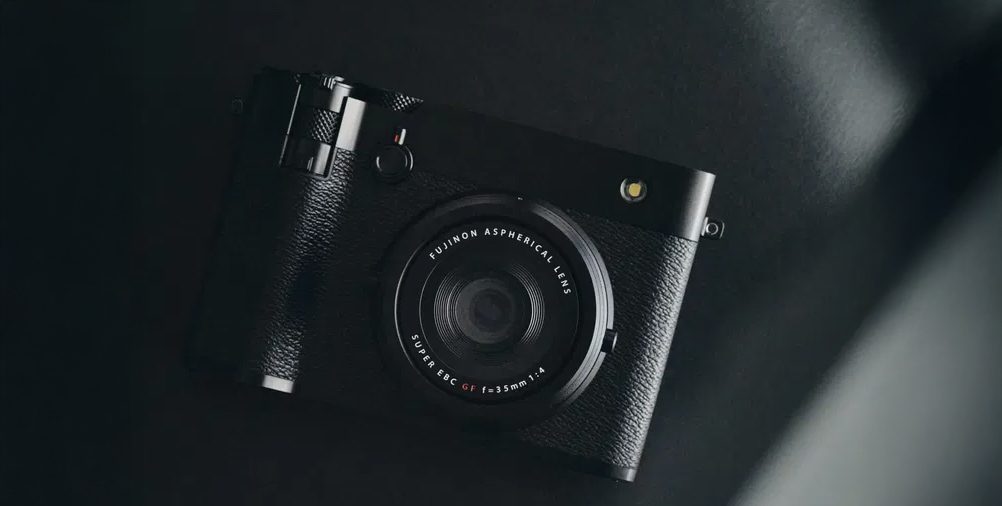
A Technical Review of the Fujifilm GFX 100RF
The Fuji GFX 100RF arrived from Lensrentals.com looking brand new. The first surprise was how compact it felt compared to the other GFX cameras. For a medium-format camera, it is downright svelte, close in heft to a Nikon Z7 with a small 35mm lens. The design evokes a modern digital version of the…
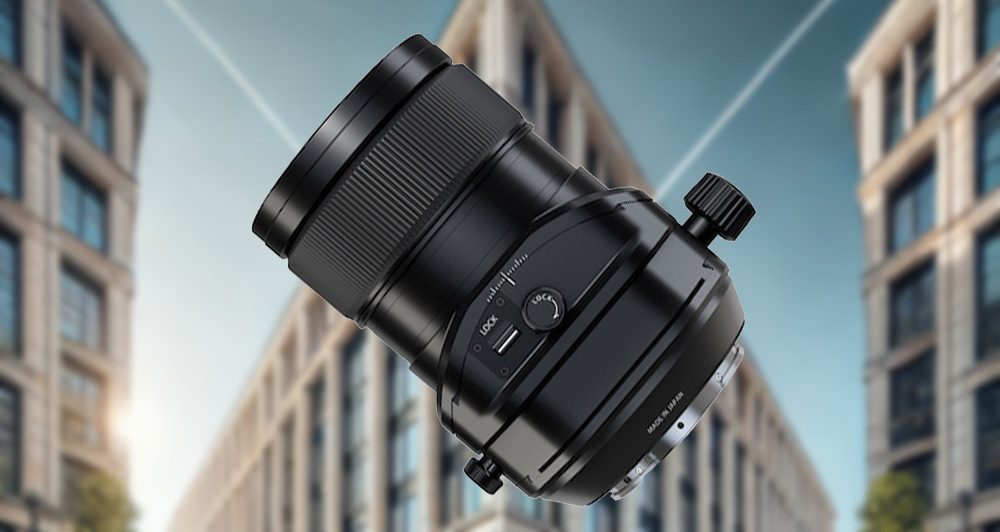
A Technical Review of the Fujifilm GF 30mm Tilt Shift
I’ve had a Fujifilm 30mm GF f/5.6 tilt/shift lens on loan from Lensrentals for about three weeks, and I’ve done the basic testing. I had hoped to get some time using the lens the way it was intended, but testing this complex lens turned out to take all the time I’d allotted to the task. I will…
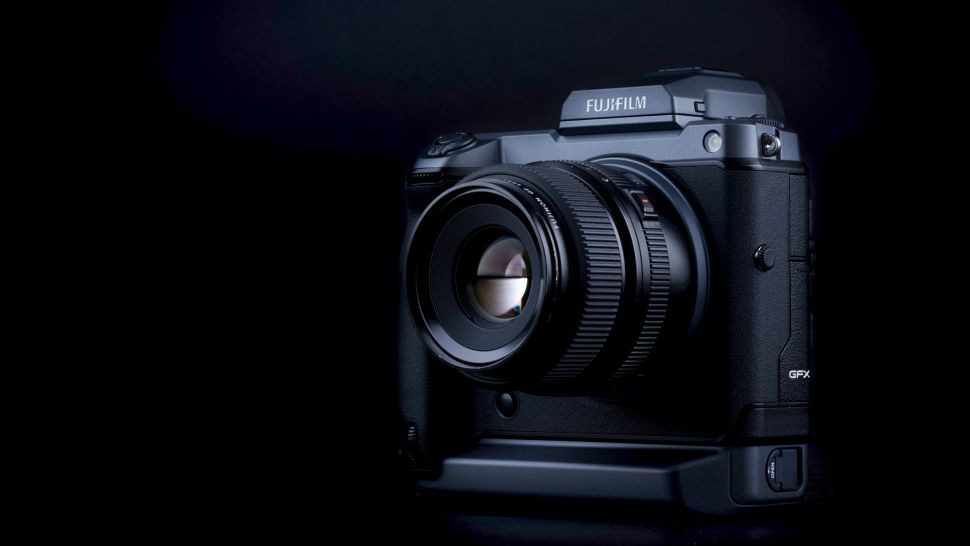
A Deep Dive Into Manually Focusing MILCs
This post is of interest to any user of a mirrorless interchangeable lens camera (MILC). I’ve illustrated it with images from the Fujifilm GFX 100. Here’s the Cliff Notes version: 1. Use as much magnification as you can subject to 2, below 2. Use a low peaking sensitivity to produce visible peaking…
Should I Buy a Medium-Format Digital Camera?
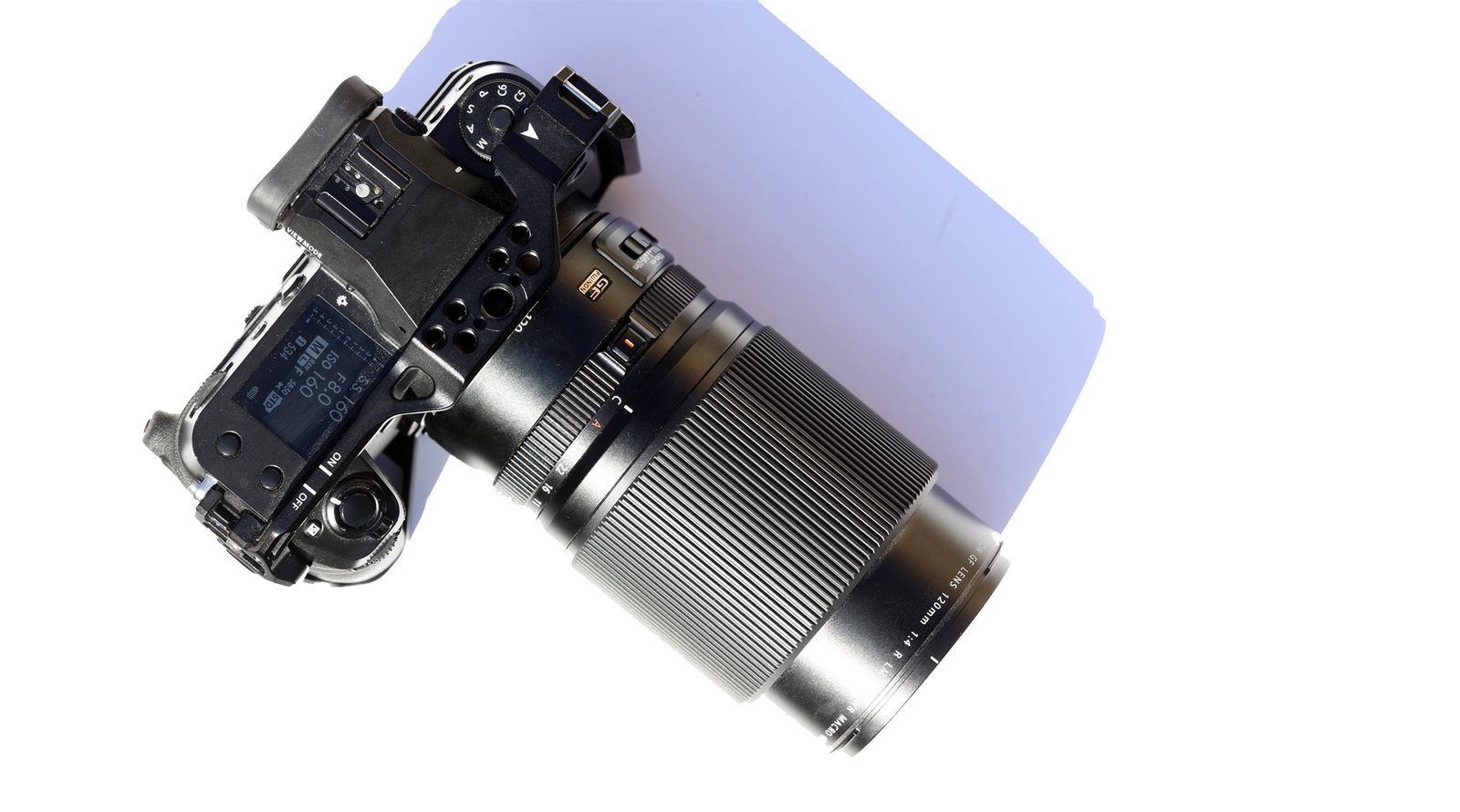
I get asked this question a lot; so often, I will write a general response. This doesn’t replace the personalized advice that I have given and will continue to give, but it will add to it. For whom is this article intended? I’m thinking of someone who already owns an interchangeable lens full frame…
A Technical Review of the Nikon 58mm f/.95 Noct
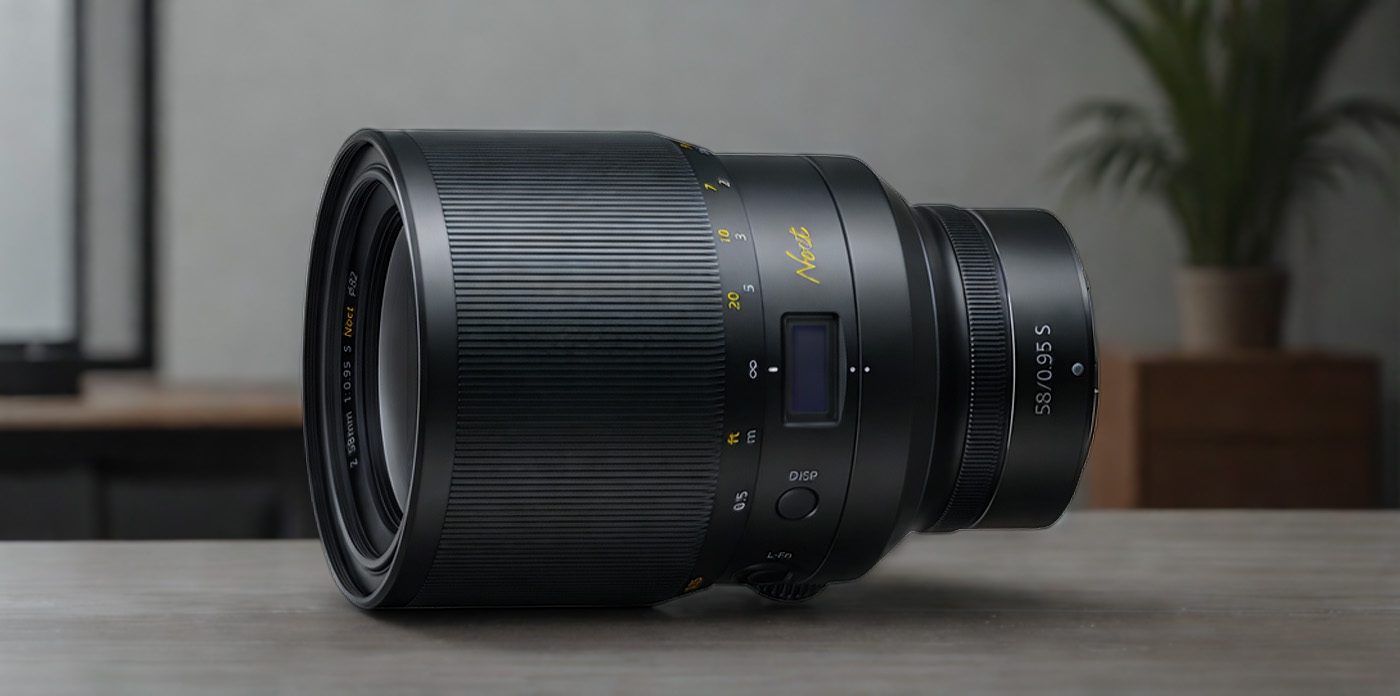
This is an outstanding lens. I’ve worked with f/0.95 lenses before, and they’ve all been severely optically compromised. You can’t say that about the Nikon 58mm f/.95 Noct. It’s sharp across the frame wide open, and amazingly so stopped down to f/1.4. It has few aberrations by any standard, and…
A Technical Look at the Hasselblad XCD 135mm f/2.8
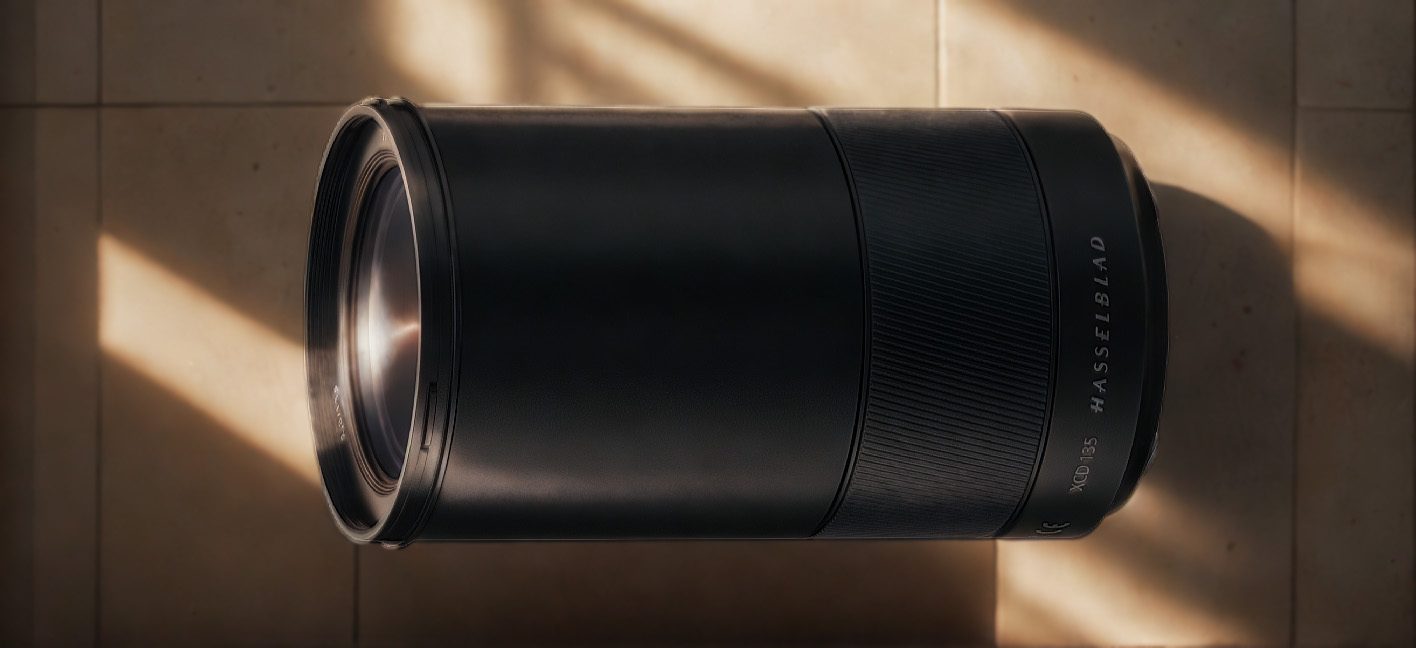
The Hasselblad XCD 135/2.8 is one of the first batch of lenses for the Hasselblad X1D and X2D (X mount) cameras. It is usually sold bundled with a matched 1.7x teleconverter (TC) and a tripod collar that attaches to the TC. Except for the focusing ring, the lens is completely devoid of controls –…
Technical Review of the Hasselblad XCD 55V Lens
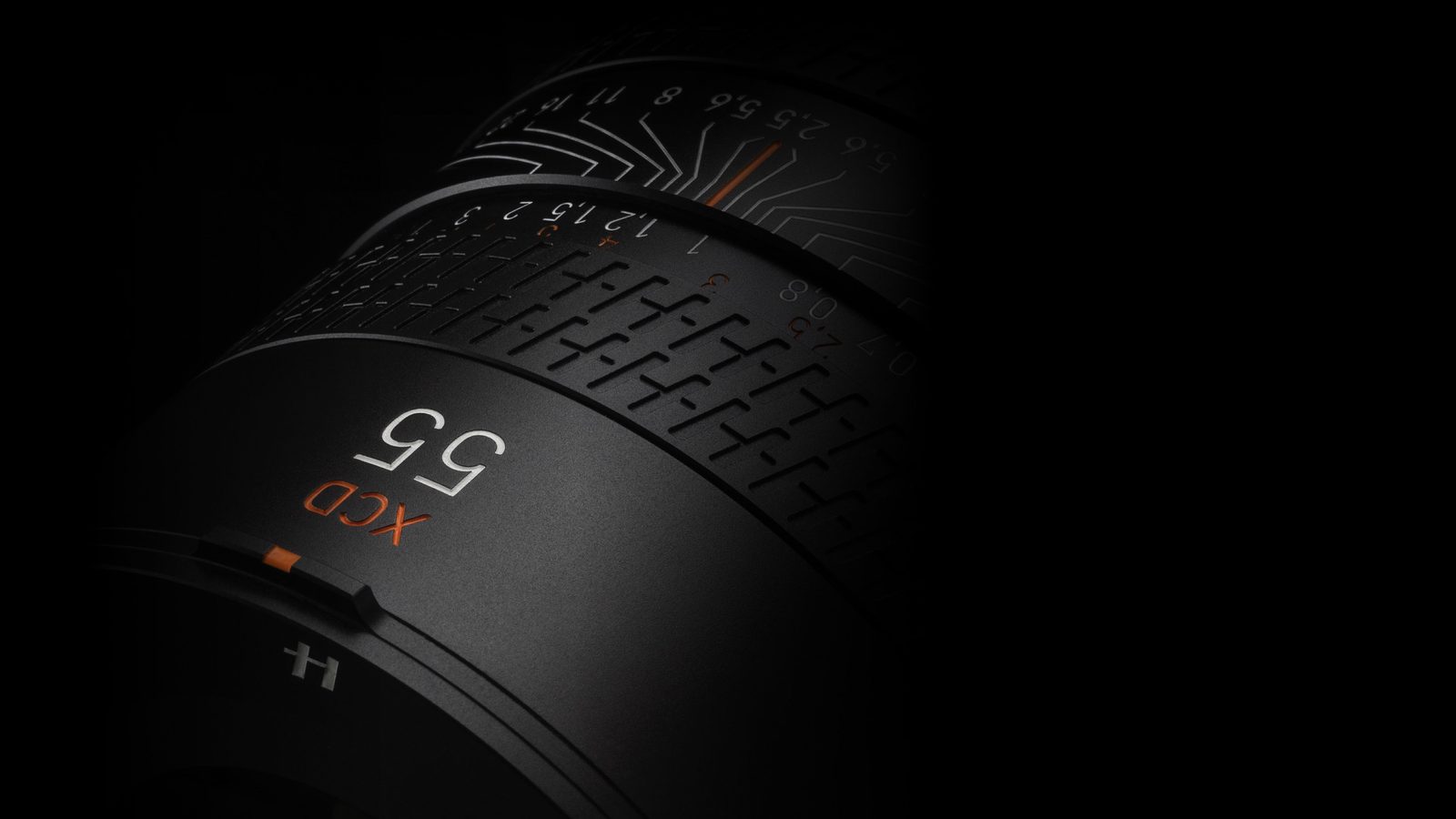
The Hasselblad XCD 55V is a 55mm f/2.5 lens for the X1D and X2D (X-mount) cameras. It is one of the V-series X-mount lenses. The line currently consists of 25mm, 38mm, 55mm, and 90mm lenses. All have f/2.5 as their widest aperture. All have high-speed leaf shutters, which are great for outdoor…
Your Guide to Backing Up Your Files
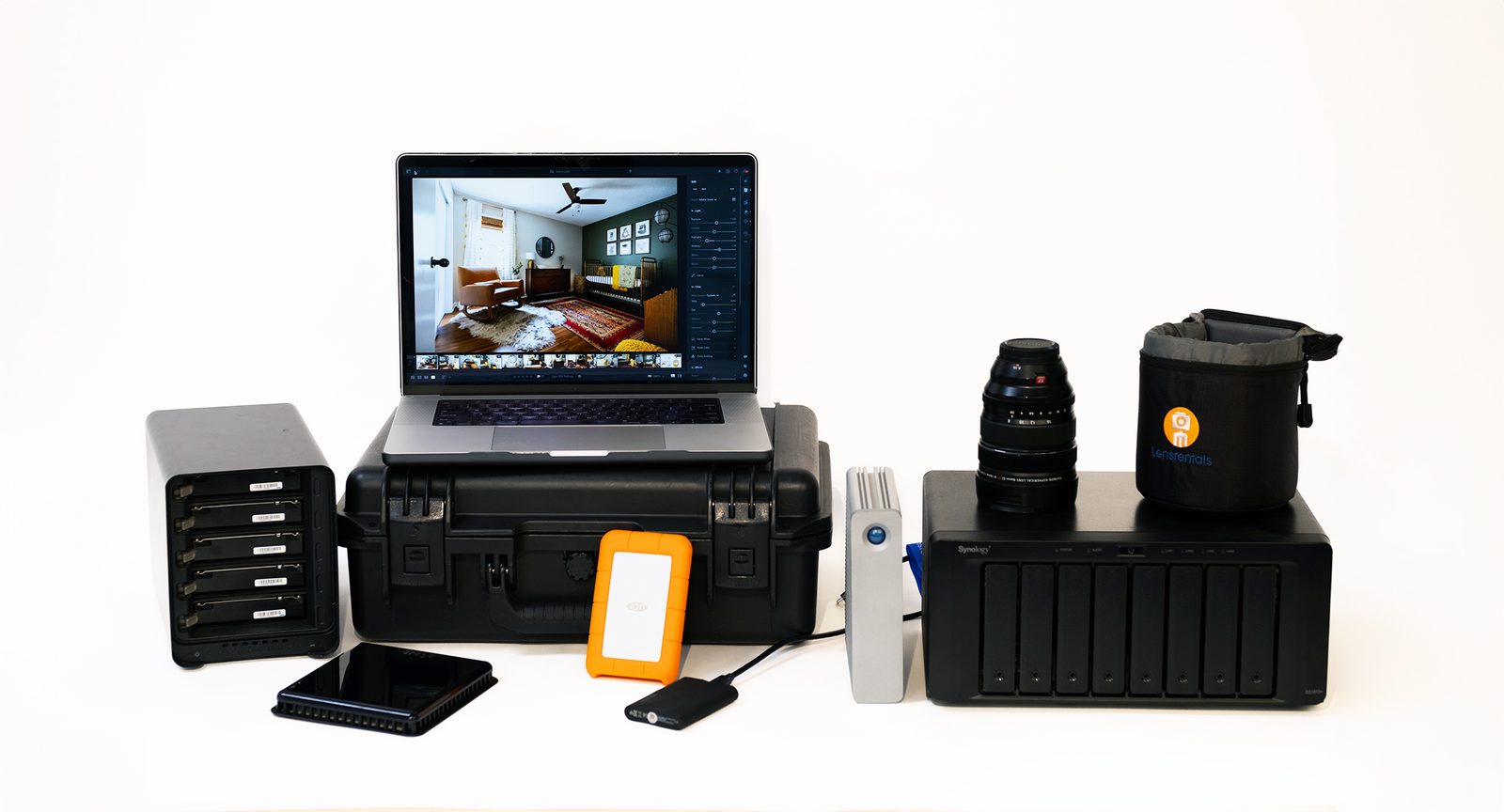
Many years ago, I wrote an article on backing up photographic images. Quite a few bytes have flowed under the figurative bridge since then, and the original article is sufficiently obsolete as to be nearly useless. So, I’m going to take another crack at it, with liberal self-plagiarization from the…
How Modern Camera Shutters Work
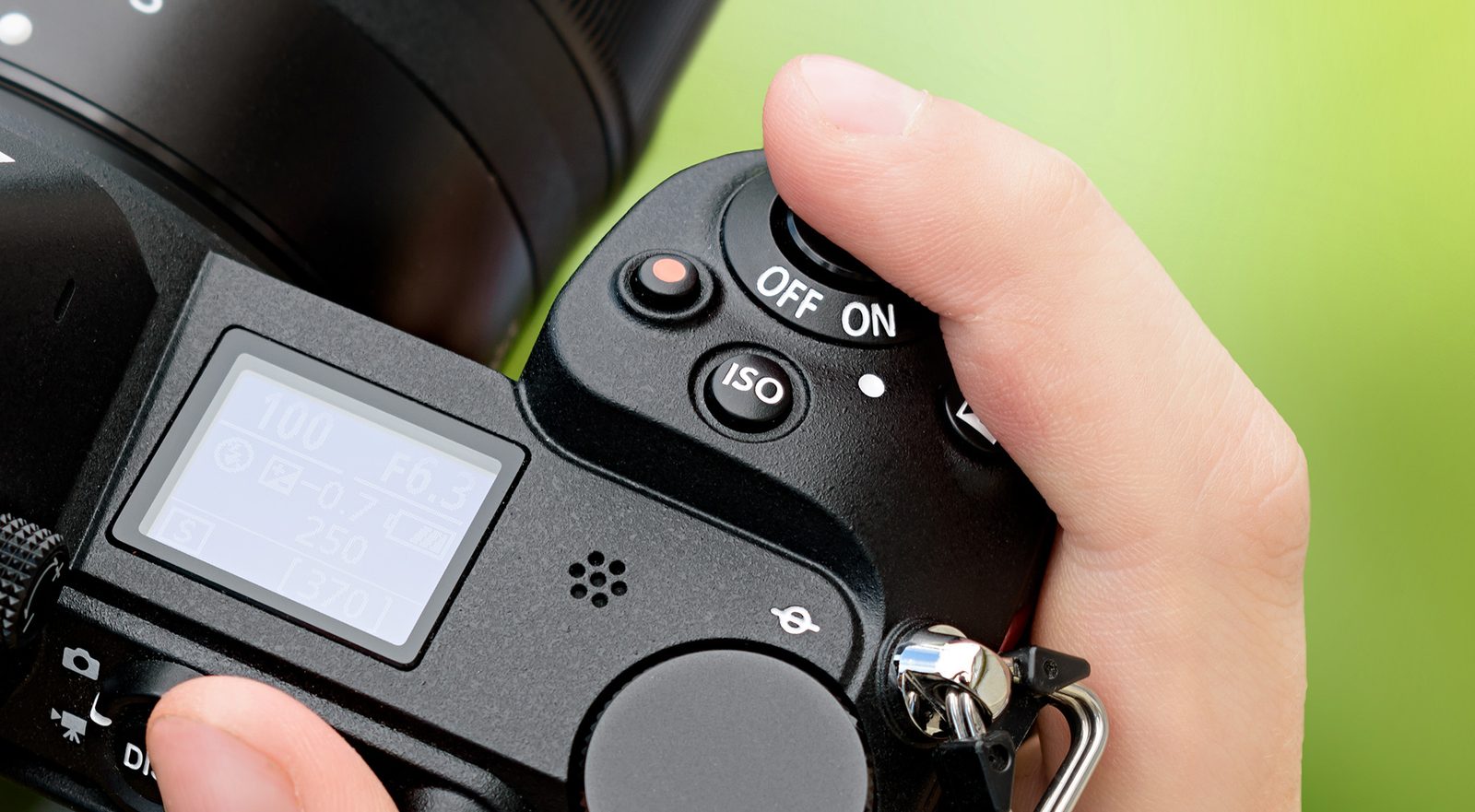
There seems to be some confusion on the issue of how modern camera shutters work. I’m going to try to clear some of that up in this post. Some caveats: - There are variations among camera manufacturers that I’m going to gloss over. - This applies to CMOS sensors that employ at least one…
Previsualization in Photography
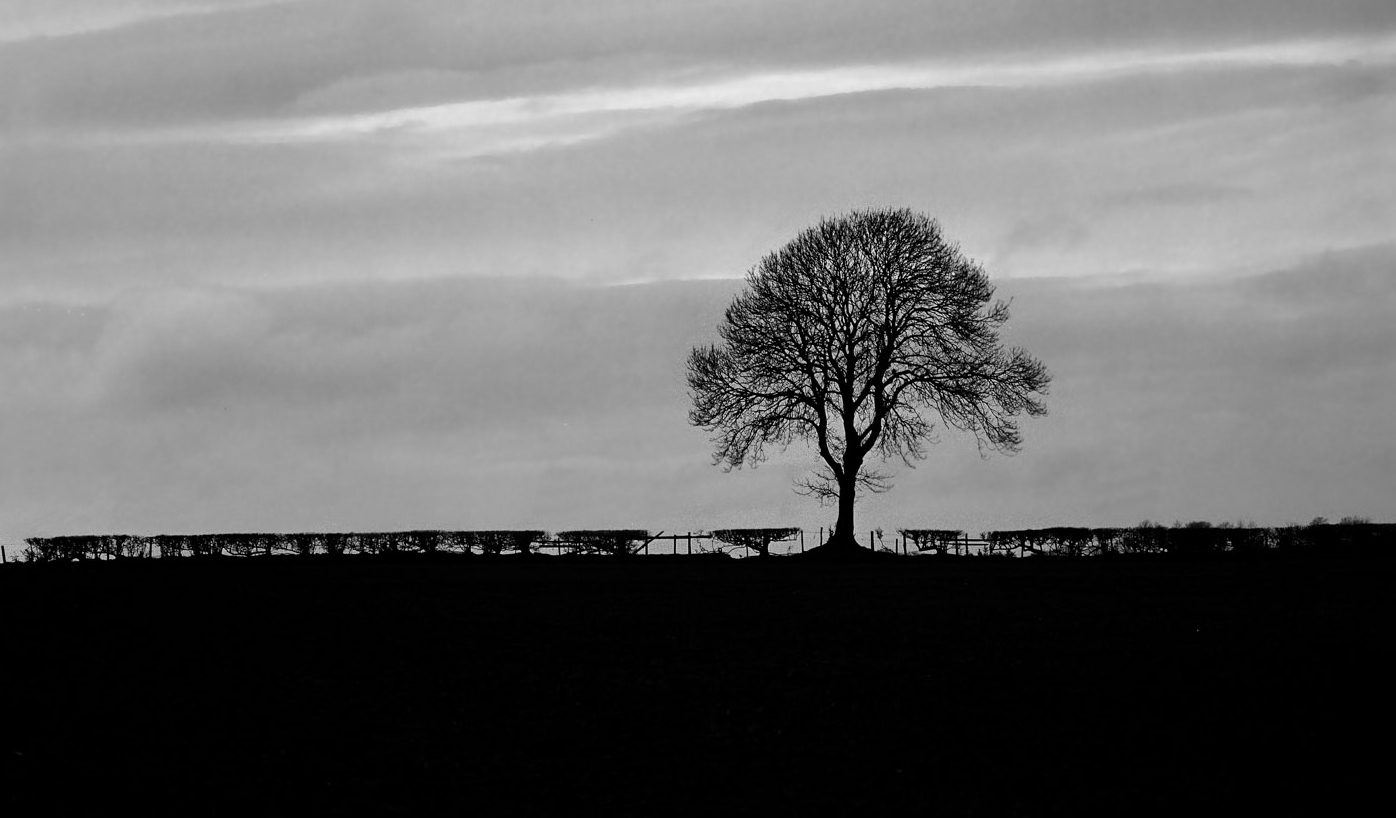
I live near Carmel, California. The photographic history of this place is freighted with an approach to image-making called _previsualization_. Ansel Adams wrote about visualization, which he defined as “the ability to anticipate a finished image before making the exposure”. Minor White later…
Sensor Format Size and Image Quality
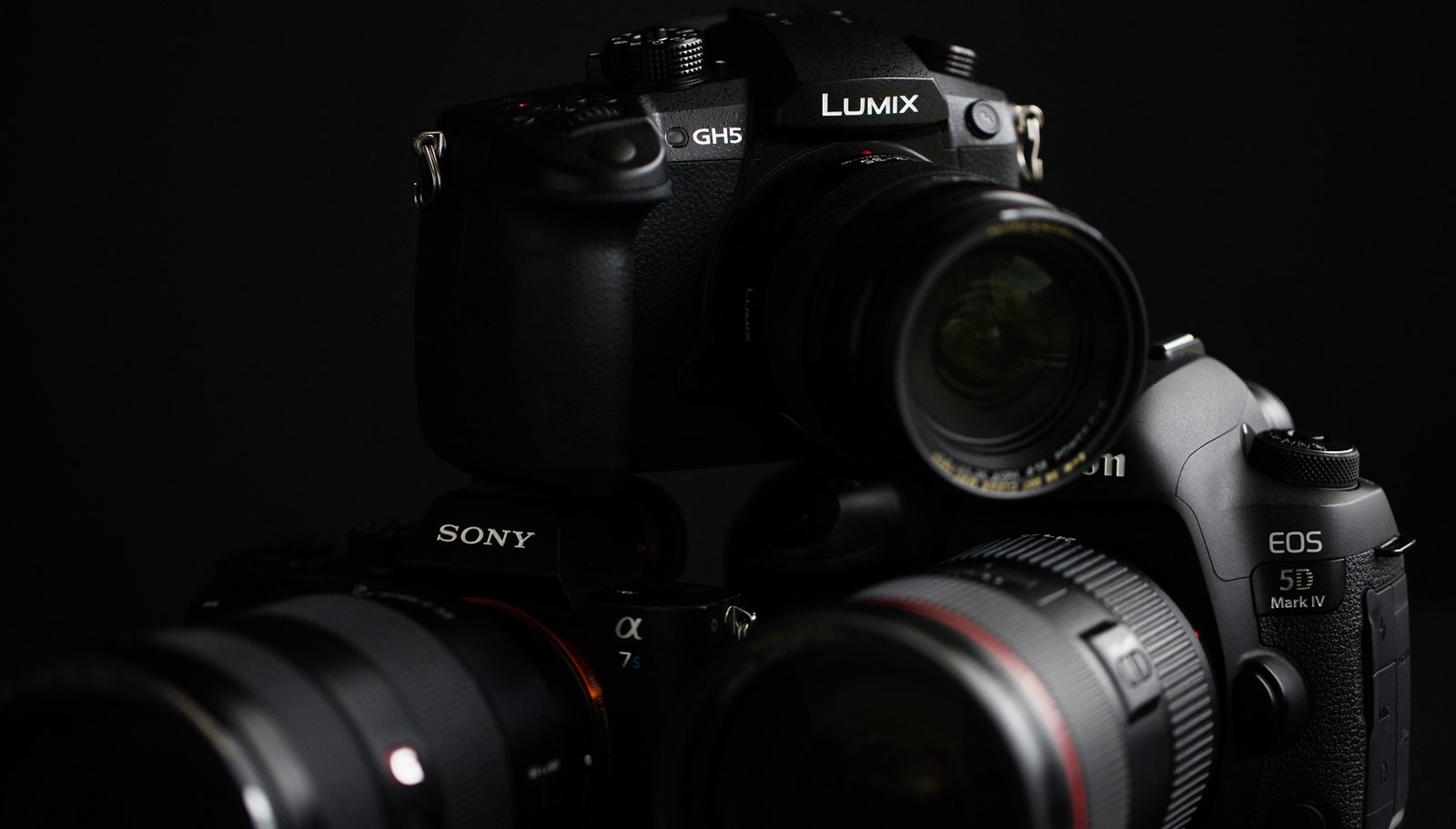
In the last 10 or 12 years, I’ve owned and made many images with APS-C (with crop factors between 1.3 and 1.5), full frame (FF), and 33×44 (MF, or crop MF, depending on your level of precision – and maybe your agenda). During that time, I’ve also used larger MF cameras and a 72×96 mm Betterlight…
How to Expose Raw Files – Part 2
_This is Part 2 of an article published last week. For the best understanding, please read part one by clicking here._ Last week, we talked a bit about how the camera exposes raw files and used an analogy of rainwater and buckets to explain that. Today, we’re going to dive into the topic more and…