How To's
Five Things I’ve Learned While Being on a Commercial Set

Being on a professional photography or videography set for the first time can be an incredibly stressful and enriching experience. But if you’re coming into it for your first (or second) time, it can be a lot leading up to the day. It’s generally a fast-paced environment where everyone is expected to perform at their absolute best. Having been on a commercial set a few hundred times, I’ve learned a lot from my experience that could benefit a first timer, so it was time to give my perspective and advice for someone who might be walking into it for their first time. So here are five things I’ve learned while being on a professional set.
Sets are Varied and Vast
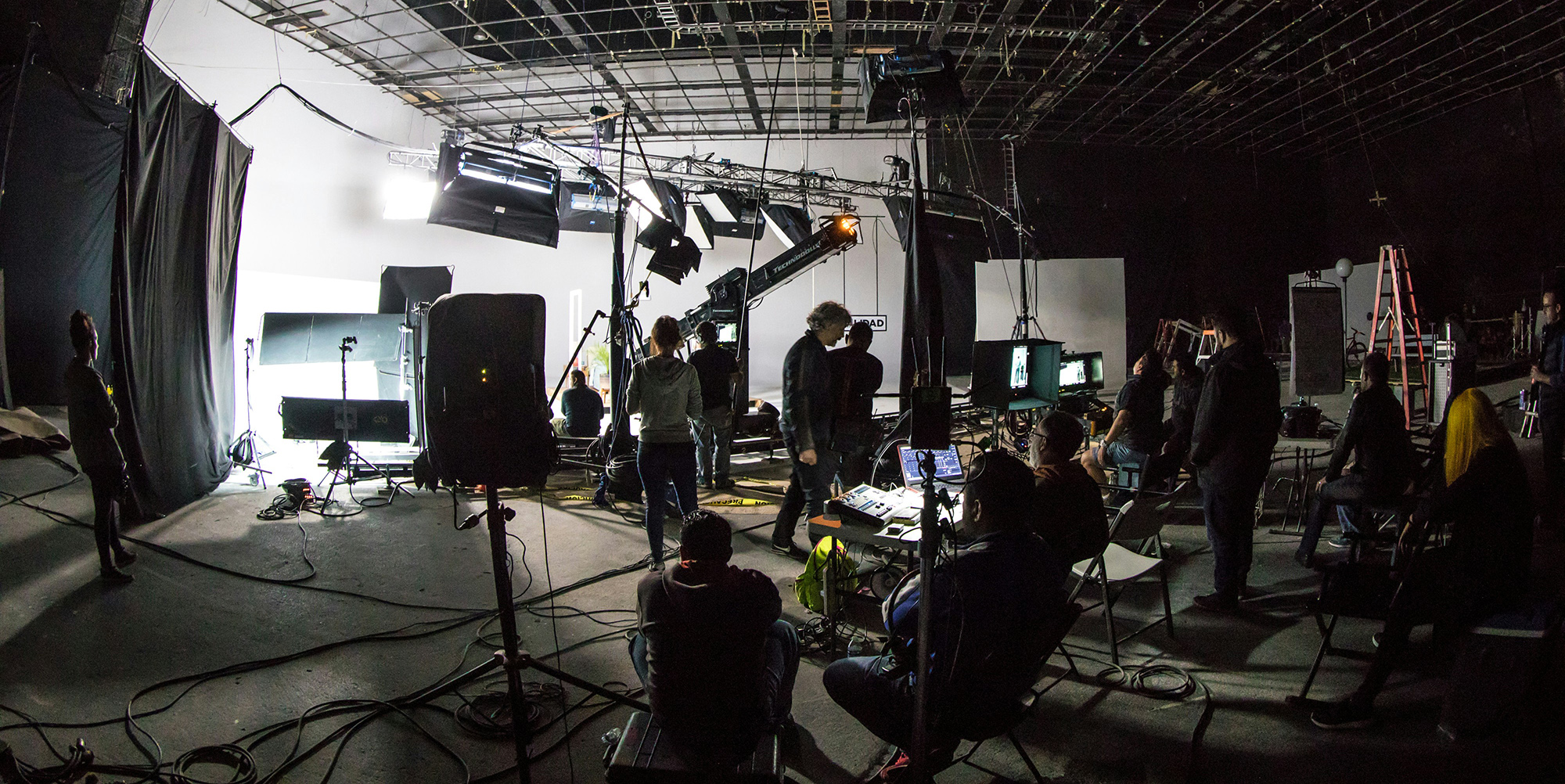
When showing up on set, there is one thing that holds true – sets are as varied as they come. I’ve had commercial sets that are essentially a 200-square-foot “studio” in an unassuming strip mall off the highway, and I’ve had commercial sets that are multi-million dollar sound stages with all the grip and gear you could imagine. Although there are usually some indicators that you’ll get ahead of time, it’s essential to note that there is no standard when it comes to production houses and professional studios. Which brings me to the next point – expect the unexpected.
Expect the Unexpected & Prepare for the Worst
When I arrive on set, I usually bring backups of everything I know I’ll need for the day. Cameras break, flash tubes burn out, and if Murphy’s Law has taught me anything, these things are going to break when you’ve got a dozen sets of eyes on you, waiting for you to accomplish the goal for the day. Often, when shooting a commercial project, production will ask for a gear list, which may either be provided by you or by the production house. If I offer it, I will generally keep a backup with me, in case something goes wrong during the day. Backup wireless triggers, backup strobes, backup camera and lenses, and all the batteries and memory cards I can fit into a grip bag.
If the production is providing the gear, it’s worth discussing with the grip house on what replacements they have available if something ends up not working. It’s pretty standard for me to request something like a 3ft Octobox, only to find it’s not available on the day of the shoot. I will generally create an itinerary of optional replacements for when the planned gear isn’t available, streamlining the morning to avoid any delays.
Stress Comes from the Top & Attitude is Everything
I’ve been on set, where I can physically feel the breath of a creative director on the back of my neck, stressing as we’re behind schedule and not getting everything we had envisioned. I’ve also been on set where it feels like I’m hanging out with a bunch of old friends, talking about music, art, movies, and more. Having felt the duality of these two types of production days, I’ve learned that stress comes from the top down. A tense marketing team or creative director can make the entire room tense, and by contrast, a comfortable CD will ease all tension on set.
When I’m on a production, it’s my job and responsibility to meet the day’s goals, but that doesn’t mean I have to do it without having any fun. While on set, you’ll likely be asked to overextend your goals and take on tasks that aren’t your responsibility. But if you do that with a smile and kindness, it tends to project through the entire room. The primary goal is to meet the day’s objectives, but the secondary goal should be to build a friendly and fun work environment. You’ll also find that by doing the latter, you’re more likely to be hired again for subsequent shoots.
Schedules & Shot lists are Always Fluid
Generally, when working with a project coordinator or creative director, a day or two before the scheduled shoot, you’ll get a shot list and creative deck. These are an organized PDF with all the images needed to be captured, along with style guidelines and a tight shooting schedule. The best advice I have when receiving this PDF is to go through it and reorganize it into a streamlined setup that makes the most sense. It doesn’t make sense to shoot product still life in the morning, then shoot some lifestyle portrait, only to shoot product again in the afternoon.
Additionally, depending on the experience of the creative director, you’ll often find that the schedule doesn’t take into account the time it takes for setups and breakdowns. With my experience, I’ve never been on a set where we’re exactly on time for the entire day. Sometimes we’re ahead of schedule, sometimes we’re behind schedule – the schedule is fluid and shouldn’t be stressed out (unless of course you’re hours behind schedule). The scheduling has fluidity because of my last point; everything works slowly, then all at once.
Slowly, then all at Once
I’ve had set days where I’ve worked incredibly hard, walking 20,000 steps, carrying hundreds of pounds of gear, and shooting more images than I could possibly count. On those same days, I’ve found myself sitting around, looking for something to do while we prep for the next look. Setting up photography gear takes time; the creative team often has to hold impromptu meetings to refine the creative goals, and you’ll find yourself standing around, even when you’re well behind schedule. Moments later, you’ll find yourself essentially speedrunning through a creative deck, capturing all the images you can, as quickly as possible. That’s because sets, like so many other things, operate at a slow pace and then all at once.
Don’t stress too much when things feel like they’re moving at a snail’s pace, especially if it feels abnormal for the already busy day. Before you know it, the pacing will pick up again, and you’ll be quietly wishing you had that downtime to grab a drink of water and rest your feet.
Hopefully, these tips have better prepared you for your first time on a big commercial set, or at least your next one. Do you have any tips to share on the topic? Feel free to share your insight in the comments below.

