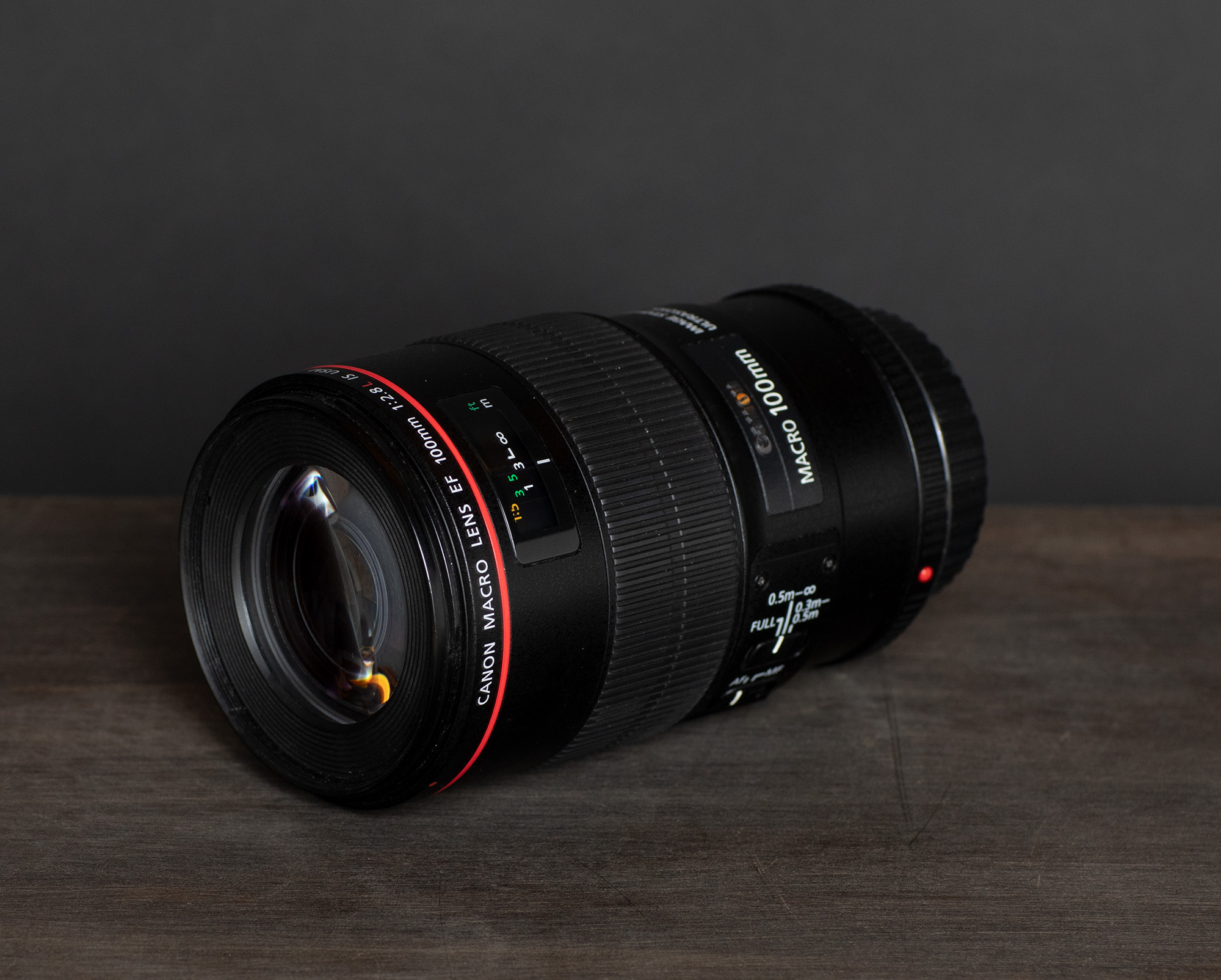
A couple of years ago, I wrote a love letter of sorts, to a lens that I don’t own, but rent as often as I can, the Canon 200mm f/2L IS. Since then, I’ve had the opportunity to try the holy grail Canon 200mm f/1.8L IS, and my shooting style has changed considerably. So with that, I thought it was time to brush off my love letter writing skills, and write a continuation to the little series I’ve called ‘Gear I Love,’ and touch base on a lens that is on my camera 95% of the time, the Canon 100mm f/2.8L IS Macro.
The History
The Canon 100mm f/2.8L IS was developed in 2009, and Canon’s response to the Nikon 105mm f/2.8G Micro released just a few years earlier. In addition to being set as a strong competitor to the incredible lens from Nikon, it was also the Pro level version of the Canon 100mm f/2.8 Macro USM. With all of these lenses boasting a 1:1 image reproduction ratio, they make for an incredibly versatile lens, without breaching into the near microscope level of something like the Canon MP-E 65mm f/2.8 Macro (with 5x magnification).
So What is Macro?
A macro lens, by technical terms, is any lens that can produce 1:1 magnification or more. All this means is that the item you’re photographing is the same size in real life, as it’s being produced on the sensor. For example, the Canon 85mm f/1.2L II has a reproduction ratio of 1:9.1, meaning everything is produced at ~10% of its actual size, so it’s not even close to being a macro lens. The Canon MP-E 65mm f/2.8 Macro has a reproduction ratio of 5:1, giving it almost microscopic properties.
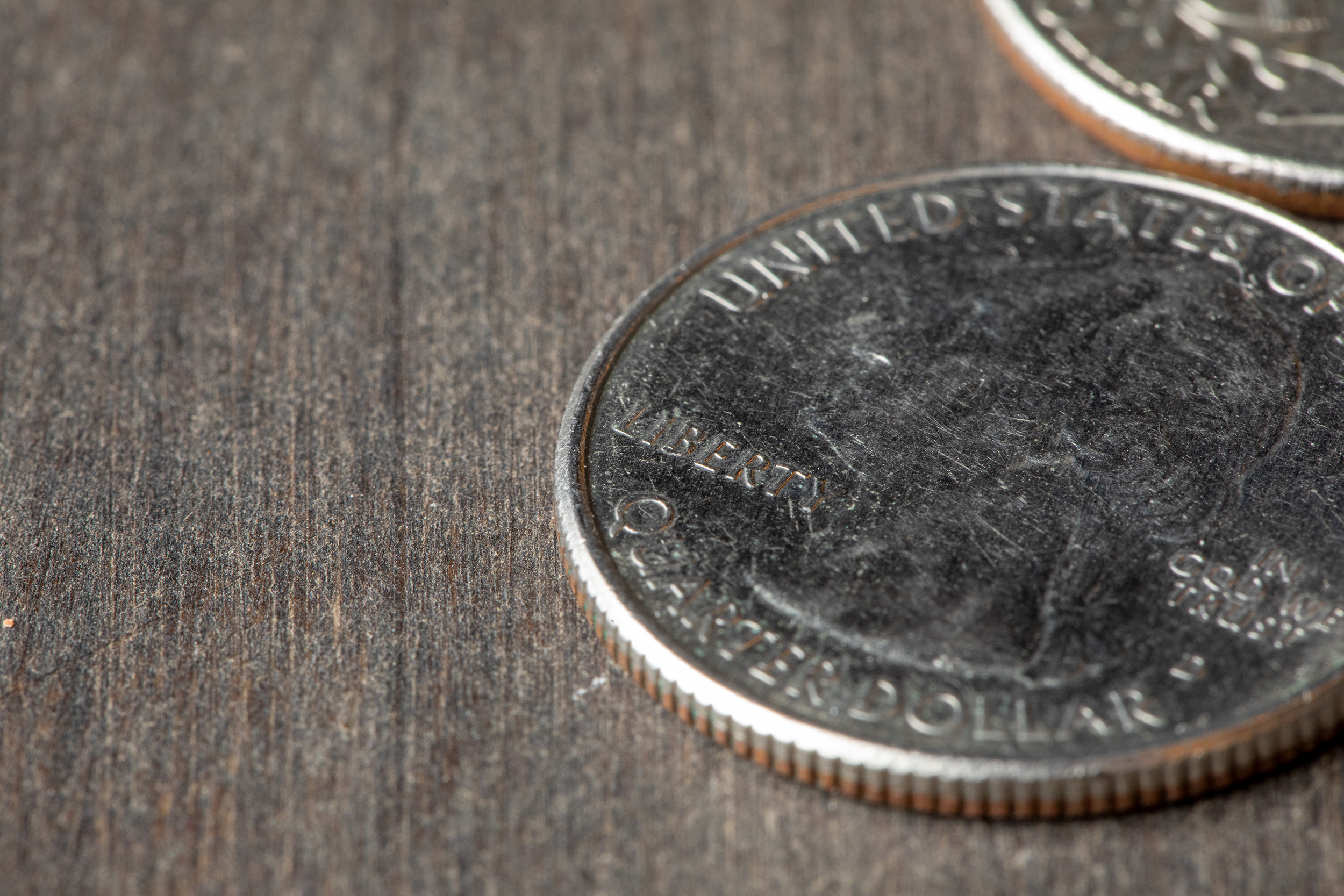
Photo taken at 1:1 macro reproduction level. (1ft away)Photo was taken a 3.5ft away, same scene (non-macro level focusing) using the same setup.
Generally, this feat is achieved by making lenses with incredible short minimum focus distances. For example, the Canon 100mm f/2.8L IS has a minimum focus distance just shy of one foot (11.81″ to be exact) and allows you to get incredibly close to your subject to get 1:1 reproduction. But this also comes with a caveat. By shortening your camera to subject distance, you’re also shorting your depth of field. Using a Depth of Field Calculator, at f/2.8 and at it’s shortest focusing distance, the Canon 100mm f/2.8L IS only has a depth of field of .04 of an inch (or one-tenth of a centimeter). To counteract this, many macro lenses allow for incredibly high f-stops to be achieved. Using the Canon 100mm f/2.8L IS as an example again, you’re able to reach up to f/32 on the lens.
Why the Canon 100mm f/2.8L IS
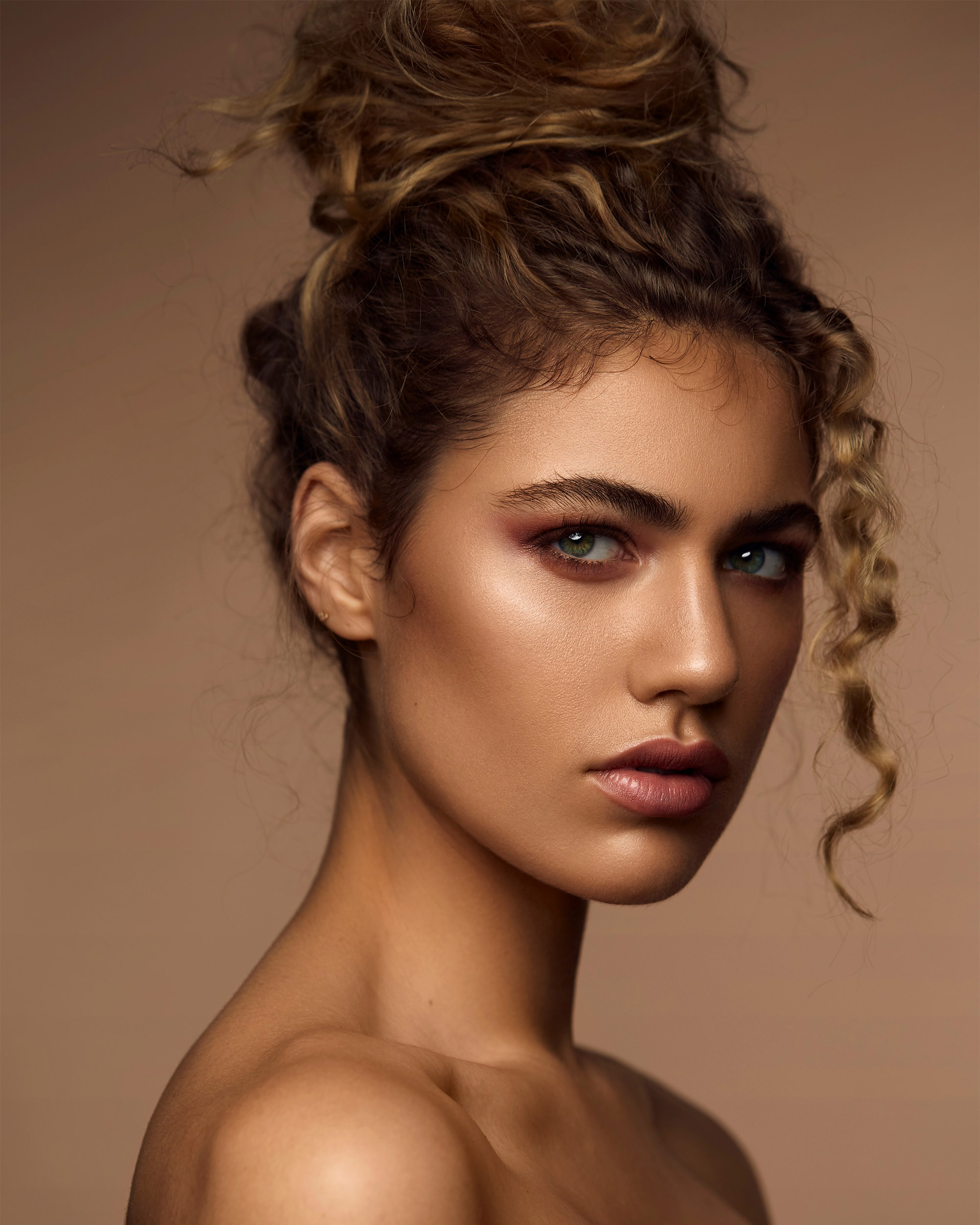
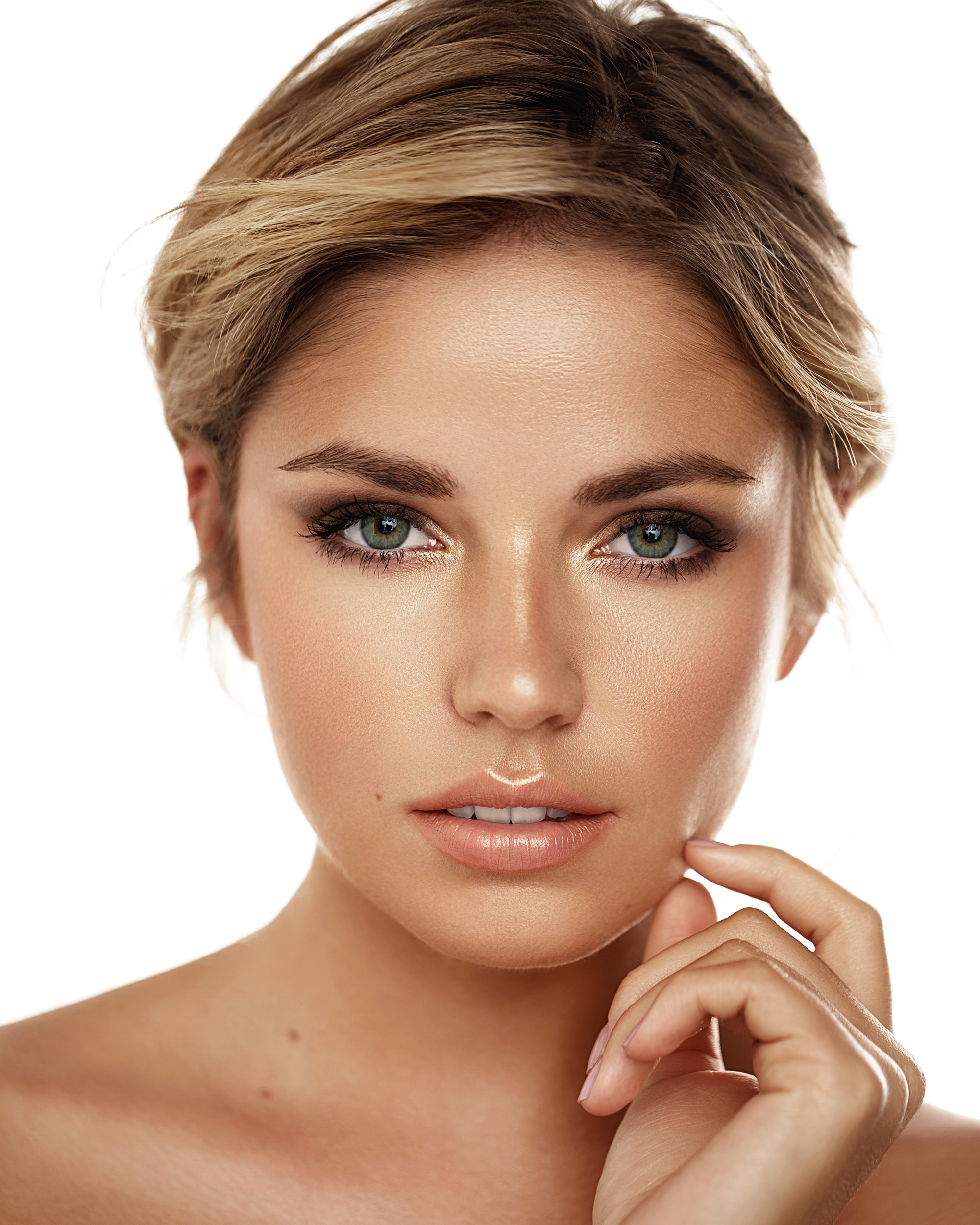
95% of my studio work is shot with the Canon 100mm f/2.8L IS. Many people would assume one of the dozen or so “perfect” portrait lenses, such as the Canon 85mm f/1.2L II, Canon 135mm f/2L, or the Canon 70-200mm f/2.8L III IS. And while I own many of those lenses, I always return to the Canon 100mm f/2.8L IS Macro, if nothing else, for its incredible sharpness. There is a reason why Roger Cicala himself says that the Canon 100mm f/2.8L IS is ‘One of Canon’s best lenses”, and a lot of that comes from its incredible sharpness and autofocus accuracy.
Along with having incredible autofocus accuracy (though admittingly a little slow) and sharpness, the Canon 100mm f/2.8L IS has 4-stops of image stabilization. While not that impressive to those who have transitioned to mirrorless systems with that built into the body, us Canon shooters are happy to have a macro lens that can produce 1:1 scaled images, and still be handheld. And that Image Stabilization isn’t just standard IS, but a Hybrid IS system, which helps correct both shift movement as well as the angular movement of the lens.
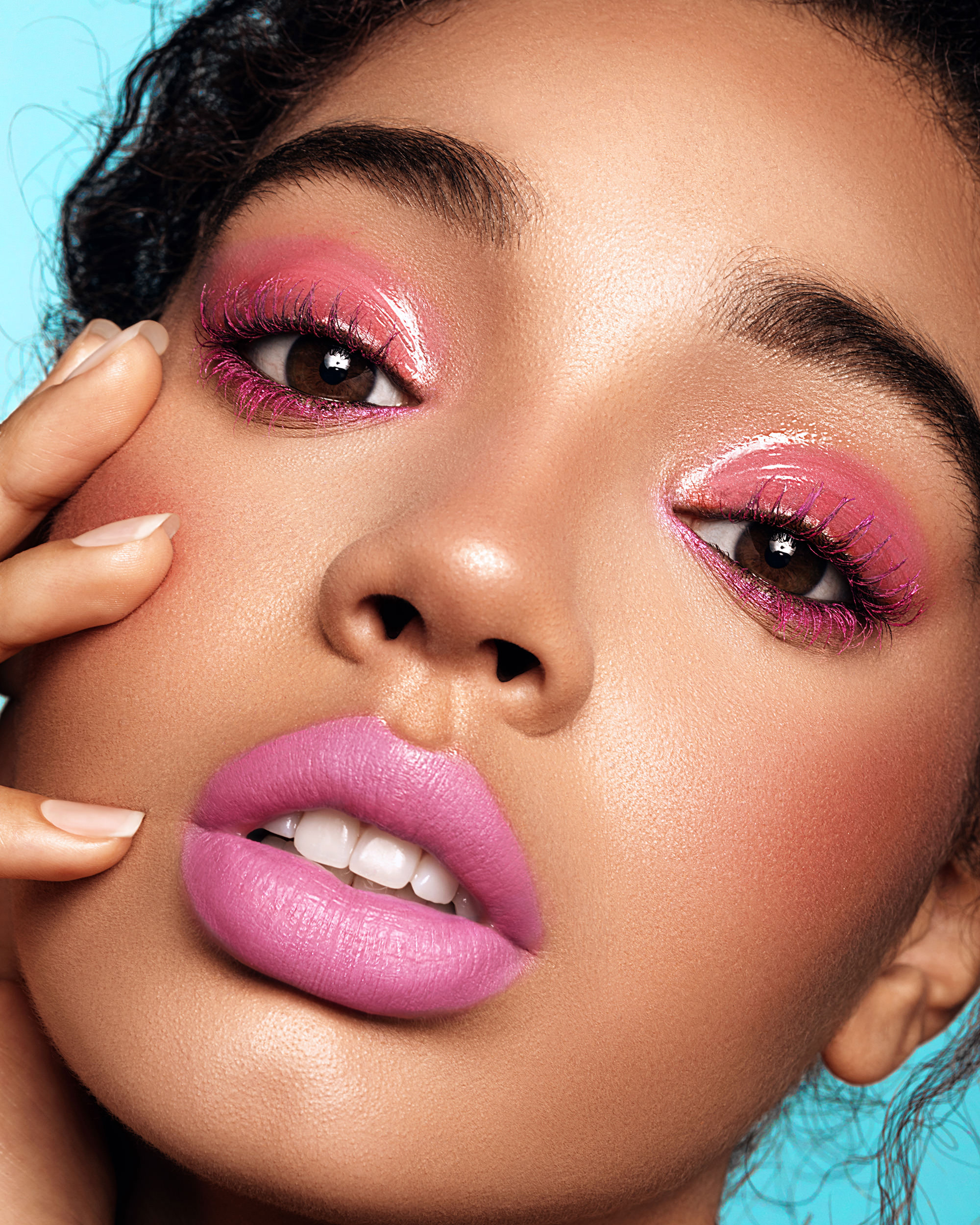
But perhaps most importantly, the Canon 100mm f/2.8L IS doesn’t need to be used as a macro lens. Unless close to the subject the Canon 100mm f/2.8L IS offers a great lens at a great focal length. Shooting in a studio, both full-face beauty and macro beauty, the ability to photograph the entire subject, and then flip a switch, move in close to get a macro shot is incredibly useful.
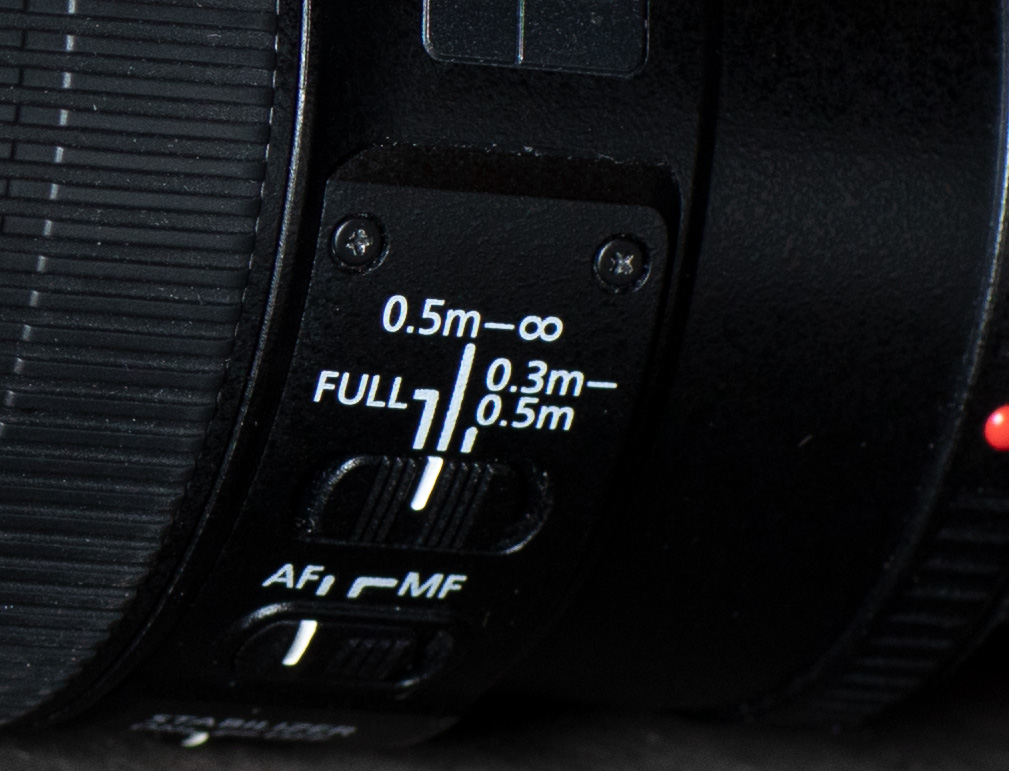
That ‘flipping of the switch’ is the key step that many of the skeptics of this lens has left out, leaving them to get a frustrating experience out of the box. Macro photography by design requires a lot of precision in the focusing process. With this precision, comes a slow focusing system that tailors to accuracy more than speed. So to help alleviate this slow focus, Canon has attached a limited focus switch to the side of the lens, a switch more common on longer focal length telephoto lenses. This limiter switch allows you to split your focusing distances, so that you can set it to macro when you’re up close and personal (.3m-.5m), and switch it to the more distant focus planes for everything else (.5m-infinity). There is also the full range available, but it often leaves the lens focus motor seeking and leaving you frustrated. By using this limiter though, you’ll speed along the focusing process considerably, and allow you to get a much better experience out of the lens.
With a focal length of 100mm, the Canon 100mm f/2.8L IS has less than .1% barrel distortion, which for the ease of discussion, is nothing. The vignette is well controlled, and after using multiple copies of this lens, I haven’t seen anything with chromatic aberration, a big problem found on another favorite of mine, the Canon 85mm f/1.2L II.
The Competitors
For many, macro lenses are still considered a specialty lens, leaving a really limited amount of competition in the field. However there are still a few options, and I’ve heard great experiences out of many of them. For Canon, you have them in a couple of varieties. The Canon MP-E 65mm f/2.8 is the super macro lens with 5:1 reproduction ratio, making it journey into the near microscopic level. At the 100mm focal length, which is where I prefer, you have of course the Canon 100mm f/2.8L IS, and the Canon 100mm f/2.8 Macro – a more affordable, but still an excellent option. And then Canon has a few cheaper options with unique properties. The Canon EF-S 35mm f/2.8 Macro IS STM for example, has a built-in LED right light, resolving the problem you’ll find of blocking light when going in close with macro photography.
Nikon has a few macro/micro options as well, with the Nikon 105mm f/2.8G ED AF-S VR Micro being the most common and widely used option. They also have the Nikon 60mm f/2.8G ED AF-S Micro, which is a more budget-friendly option, and the unique Nikon 200mm f/4 ED-IF AF Micro, which extends the working distance allowing you to take a step back and still get your 1:1 reproduction ratio.
Finally, some third-party options have built quite the reputation for being excellent options for photographers looking to get into macro photography. The most notable of course is the recently released Sigma 70mm f/2.8 Art Series Macro – a lens I was able to review a few months ago. Another great competitor in the third-party field is the Tamron 90mm f/2.8 SP Di Macro II.
All of these features and the incredible sharpness of the Canon 100mm f/2.8L IS has made it my favorite lens over this past year, and a staple in my workflow and camera bag. When mentioning it to friends as my go to lens, even for portrait and headshot work, I’m often met with some skepticism, so I wanted to write this as an explanation as to why this lens is one of the most versatile lenses for studio photographers – beauty work or not. If nothing else, I hope this article encourages you to experiment with some macro lenses available. Not only do the lenses give you a unique perspective on some of the things around you, but they are also really incredible studio portrait lenses.
Great portraits Zach! Really really awesome.
I like this lens too, my only wish for it to be an f/2 🙂 If you shoot in studio with strobes you probably never need to go faster than f/4, but for outdoors an extra stop would be beneficial imho.
Chris Jankowski ·
Zach,
How would use of Sigma F/1.8 135mm for your work and photography style compare with the use of the Canon F.2.8 100mm L Macro?
On spec, with Sigma you can get very tight head shots with its 875mm minimum focusing distance (0.20 ratio), great bokeh and sharpness? You’d be missing the IS though. I am not sure how important IS is in stdio work.
Chris Jankowski ·
Zach,
How would use of Sigma F/1.8 135mm for your work and photography style compare with the use of the Canon F.2.8 100mm L Macro?
On spec, with Sigma you can get very tight head shots with its 875mm minimum focusing distance (0.20 ratio), great bokeh and sharpness. You'd be missing the IS though. I am not sure how important IS is in stdio work.
Any comments?
DrJon ·
One of my favourite lenses. Unlike the 100 USM Macro it’s great as a short telephoto too and I love using it for portraits.
DrJon ·
One of my favourite lenses. Unlike the 100 USM Macro it's great as a short telephoto too and I love using it for portraits.
ZS >> For example, the Canon 85mm f/1.2L II has a reproduction ratio of 1:9.1, meaning everything is produced at ~10% of its actual size, so it’s not even close to being a macro lens.
“everything”?
My speculation is that the intention is to convey that at its closest focus, the 85mm can only have a 1:9.1 macro capability. That translate to a field of view of a subject that measures about 13″ x 9″.
That compares to a “true macro 1:1″ with a subject that measures about 1.5″ x 1” … big difference.
To put that in perspective, that is about the difference between a single stamp compared to a sheet of stamps.
l_d_allan ·
Helpful article. Thanks.
ZS >> For example, the Canon 85mm f/1.2L II has a reproduction ratio of 1:9.1, meaning everything is produced at ~10% of its actual size, so it’s not even close to being a macro lens.
"everything"?
My speculation is that the intention is to convey that at its closest focus, the 85mm can only have a 1:9.1 macro capability. That translate to a field of view of a subject that measures about 13" x 9".
That compares to a "true macro 1:1" with a subject that measures about 1.5" x 1" ... big difference.
To put that in perspective, that is about the difference between a single stamp compared to a sheet of stamps.
Franz Graphstill ·
In your opening paragraph you mention a Canon 200mm f/2.8L IS – I hadn’t realised that Canon had added IS to the 200/2.8, or perhaps they altered the 200/2 to f/2.8? I think you’ve conflated two lenses there.
Yup, a typo. I’ve changed it and was referring to the Canon 200mm f/2L IS
Franz Graphstill ·
In your opening paragraph you mention a Canon 200mm f/2.8L IS - I hadn't realised that Canon had added IS to the 200/2.8, or perhaps they altered the 200/2 to f/2.8? I think you've conflated two lenses there.
Zach Sutton Photography ·
Yup, a typo. I've changed it and was referring to the Canon 200mm f/2L IS
Ian Goss ·
Seven “incredible”s. Is that an incredible result?
HanumanBob ·
Hi Andy,
Would you recommend this lens for waist up portraits? I have a project that I’m working on and need them to be hyper sharp. I have the 70-200 F4 Vii which i’m finding a little soft for this project. Thanks for your time.
Bob
Michael Clark ·
I’m not Zack, but that would really depend on your background.
If it is uniform, such as those in the examples above, this lens should do waist up portraits well, assuming you have the room to back up for framing them. If your background is not uniform (e.g. outdoors with trees or walls with texture), then the flat field correction of the macro lens will make the bokeh less smooth than other lenses with less correction for field curvature.
HanumanBob ·
Hi Zach, Would you recommend this lens for waist up portraits? I have a project that I'm working on and need them to be hyper sharp. I have the 70-200 F4 Vii which i'm finding a little soft for this project. Thanks for your time.
Bob
Michael Clark ·
I'm not Zack, but that would really depend on your background.
If it is uniform, such as those in the examples above, this lens should do waist up portraits well, assuming you have the room to back up for framing them. If your background is not uniform (e.g. outdoors with trees or walls with texture), then the flat field correction of the macro lens will make the bokeh less smooth than other lenses with less correction for field curvature.
AE-1Burnham ·
Thanks for the thoughts Zach! …From a different perspective, I am sitting here with three Canon lenses on my desk: 70-200 2.8L IS II, the 135 2L, and the 100 2.8L IS. Each has their use, however it is hard to justify keeping the 135. There is something about the 135 that when I put it on the camera my attitude changes and I feel at ease. Perhaps it is because its purpose is so defined by its various limitations, much like the 85 1.2L II. With the 100 2.8L IS on the camera I feel almost unfocused, uninhibited, restless, and the form factor is not inspiring (shallow I know, but still…). I can’t part with any of them, however if I am limited on what gear I can carry the 100 2.8L IS is the pick for versatility vs. size&weight. Hard life we live, eh? Cheers
AE-1Burnham ·
Thanks for the thoughts Zach! ...From a different perspective, I am sitting here with three Canon lenses on my desk: 70-200 2.8L IS II, the 135 2L, and the 100 2.8L IS. Each has their use, however it is hard to justify keeping the 135. There is something about the 135 that when I put it on the camera my attitude changes and I feel at ease. Perhaps it is because its purpose is so defined by its various limitations, much like the 85 1.2L II. With the 100 2.8L IS on the camera I feel almost unfocused, uninhibited, restless, and the form factor is not inspiring (shallow I know, but still...). I can't part with any of them, however if I am limited on what gear I can carry the 100 2.8L IS is the pick for versatility vs. size&weight. Hard life we live, eh? Cheers
Michael ·
I wish someone told me before I spent $10k on the other L lenses! But even if they told me, and I’m sure plenty of people told me along the way that they are using the 100mm L, I still would have bought the other lenses because it’s a realization I had to make for myself. Anyway, the keyword was “studio”. It’s the antithesis of dreamy.
Michael ·
I wish someone told me before I spent $10k on the other L lenses! But even if they told me, and I'm sure plenty of people told me along the way that they are using the 100mm L, I still would have bought the other lenses because it's a realization I had to make for myself. Anyway, the keyword was "studio". It's the antithesis of dreamy.
Jack Nordine ·
You shouldn’t overlook the wonderful and very underrated Canon 100mm f2.
Jack Nordine ·
You shouldn't overlook the wonderful and very underrated Canon 100mm f2.
Jenny Smith ·
can i use a sigma macro art 105mm lens that i have for beauty or not as i have a canon 6d mark ii and was wondering
redwave20 ·
Optically it’s a great lens but its weak spot imo is the IS. Don’t expect it to be on par with modern IS’s. I own this and the 100-400 II IS. The zoom’s IS is superb. Never miss a shot with it but with the macro I am lucky to get a sharp shot handheld.
redwave20 ·
Optically it's a great lens but its weak spot imo is the IS. Don't expect it to be on par with modern IS's. I own this and the 100-400 II IS. The zoom's IS is superb. Never miss a shot with it but with the macro I am lucky to get a sharp shot handheld.




27 Comments
Baconator ·
Great portraits Zach! Really really awesome.
I like this lens too, my only wish for it to be an f/2 🙂 If you shoot in studio with strobes you probably never need to go faster than f/4, but for outdoors an extra stop would be beneficial imho.
Chris Jankowski ·
Zach,
How would use of Sigma F/1.8 135mm for your work and photography style compare with the use of the Canon F.2.8 100mm L Macro?
On spec, with Sigma you can get very tight head shots with its 875mm minimum focusing distance (0.20 ratio), great bokeh and sharpness? You’d be missing the IS though. I am not sure how important IS is in stdio work.
Chris Jankowski ·
Zach,
How would use of Sigma F/1.8 135mm for your work and photography style compare with the use of the Canon F.2.8 100mm L Macro?
On spec, with Sigma you can get very tight head shots with its 875mm minimum focusing distance (0.20 ratio), great bokeh and sharpness. You'd be missing the IS though. I am not sure how important IS is in stdio work.
Any comments?
DrJon ·
One of my favourite lenses. Unlike the 100 USM Macro it’s great as a short telephoto too and I love using it for portraits.
DrJon ·
One of my favourite lenses. Unlike the 100 USM Macro it's great as a short telephoto too and I love using it for portraits.
Andy Farrell ·
“(or one-tenth of a centimeter)”
Also known as “a millimeter” 😉
Andy Farrell ·
"(or one-tenth of a centimeter)"
Also known as "a millimeter" ;)
l_d_allan ·
Helpful article. Thanks.
ZS >> For example, the Canon 85mm f/1.2L II has a reproduction ratio of 1:9.1, meaning everything is produced at ~10% of its actual size, so it’s not even close to being a macro lens.
“everything”?
My speculation is that the intention is to convey that at its closest focus, the 85mm can only have a 1:9.1 macro capability. That translate to a field of view of a subject that measures about 13″ x 9″.
That compares to a “true macro 1:1″ with a subject that measures about 1.5″ x 1” … big difference.
To put that in perspective, that is about the difference between a single stamp compared to a sheet of stamps.
l_d_allan ·
Helpful article. Thanks.
ZS >> For example, the Canon 85mm f/1.2L II has a reproduction ratio of 1:9.1, meaning everything is produced at ~10% of its actual size, so it’s not even close to being a macro lens.
"everything"?
My speculation is that the intention is to convey that at its closest focus, the 85mm can only have a 1:9.1 macro capability. That translate to a field of view of a subject that measures about 13" x 9".
That compares to a "true macro 1:1" with a subject that measures about 1.5" x 1" ... big difference.
To put that in perspective, that is about the difference between a single stamp compared to a sheet of stamps.
Franz Graphstill ·
In your opening paragraph you mention a Canon 200mm f/2.8L IS – I hadn’t realised that Canon had added IS to the 200/2.8, or perhaps they altered the 200/2 to f/2.8? I think you’ve conflated two lenses there.
Zach Sutton Photography ·
Yup, a typo. I’ve changed it and was referring to the Canon 200mm f/2L IS
Franz Graphstill ·
In your opening paragraph you mention a Canon 200mm f/2.8L IS - I hadn't realised that Canon had added IS to the 200/2.8, or perhaps they altered the 200/2 to f/2.8? I think you've conflated two lenses there.
Zach Sutton Photography ·
Yup, a typo. I've changed it and was referring to the Canon 200mm f/2L IS
Ian Goss ·
Seven “incredible”s. Is that an incredible result?
HanumanBob ·
Hi Andy,
Would you recommend this lens for waist up portraits? I have a project that I’m working on and need them to be hyper sharp. I have the 70-200 F4 Vii which i’m finding a little soft for this project. Thanks for your time.
Bob
Michael Clark ·
I’m not Zack, but that would really depend on your background.
If it is uniform, such as those in the examples above, this lens should do waist up portraits well, assuming you have the room to back up for framing them. If your background is not uniform (e.g. outdoors with trees or walls with texture), then the flat field correction of the macro lens will make the bokeh less smooth than other lenses with less correction for field curvature.
HanumanBob ·
Hi Zach,
Would you recommend this lens for waist up portraits? I have a project that I'm working on and need them to be hyper sharp. I have the 70-200 F4 Vii which i'm finding a little soft for this project. Thanks for your time.
Bob
Michael Clark ·
I'm not Zack, but that would really depend on your background.
If it is uniform, such as those in the examples above, this lens should do waist up portraits well, assuming you have the room to back up for framing them. If your background is not uniform (e.g. outdoors with trees or walls with texture), then the flat field correction of the macro lens will make the bokeh less smooth than other lenses with less correction for field curvature.
AE-1Burnham ·
Thanks for the thoughts Zach! …From a different perspective, I am sitting here with three Canon lenses on my desk: 70-200 2.8L IS II, the 135 2L, and the 100 2.8L IS. Each has their use, however it is hard to justify keeping the 135. There is something about the 135 that when I put it on the camera my attitude changes and I feel at ease. Perhaps it is because its purpose is so defined by its various limitations, much like the 85 1.2L II. With the 100 2.8L IS on the camera I feel almost unfocused, uninhibited, restless, and the form factor is not inspiring (shallow I know, but still…). I can’t part with any of them, however if I am limited on what gear I can carry the 100 2.8L IS is the pick for versatility vs. size&weight. Hard life we live, eh? Cheers
AE-1Burnham ·
Thanks for the thoughts Zach! ...From a different perspective, I am sitting here with three Canon lenses on my desk: 70-200 2.8L IS II, the 135 2L, and the 100 2.8L IS. Each has their use, however it is hard to justify keeping the 135. There is something about the 135 that when I put it on the camera my attitude changes and I feel at ease. Perhaps it is because its purpose is so defined by its various limitations, much like the 85 1.2L II. With the 100 2.8L IS on the camera I feel almost unfocused, uninhibited, restless, and the form factor is not inspiring (shallow I know, but still...). I can't part with any of them, however if I am limited on what gear I can carry the 100 2.8L IS is the pick for versatility vs. size&weight. Hard life we live, eh? Cheers
Michael ·
I wish someone told me before I spent $10k on the other L lenses! But even if they told me, and I’m sure plenty of people told me along the way that they are using the 100mm L, I still would have bought the other lenses because it’s a realization I had to make for myself. Anyway, the keyword was “studio”. It’s the antithesis of dreamy.
Michael ·
I wish someone told me before I spent $10k on the other L lenses! But even if they told me, and I'm sure plenty of people told me along the way that they are using the 100mm L, I still would have bought the other lenses because it's a realization I had to make for myself. Anyway, the keyword was "studio". It's the antithesis of dreamy.
Jack Nordine ·
You shouldn’t overlook the wonderful and very underrated Canon 100mm f2.
Jack Nordine ·
You shouldn't overlook the wonderful and very underrated Canon 100mm f2.
Jenny Smith ·
can i use a sigma macro art 105mm lens that i have for beauty or not as i have a canon 6d mark ii and was wondering
redwave20 ·
Optically it’s a great lens but its weak spot imo is the IS. Don’t expect it to be on par with modern IS’s. I own this and the 100-400 II IS. The zoom’s IS is superb. Never miss a shot with it but with the macro I am lucky to get a sharp shot handheld.
redwave20 ·
Optically it's a great lens but its weak spot imo is the IS. Don't expect it to be on par with modern IS's. I own this and the 100-400 II IS. The zoom's IS is superb. Never miss a shot with it but with the macro I am lucky to get a sharp shot handheld.