I want to share with you guys a personal lens purchasing journey that I’ve been on for awhile now. My favorite genre of photography is travel photography; I love capturing landscapes, on location portraits, action sports, and general tourist stuff. It’s a very broad topic, and I want my camera gear to be as versatile as possible. When I travel, I like to be as light and compact as I can get. All my clothes, other personal items, and photography gear needs to fit into one carry-on size backpack. For those reasons my current camera platform of choice is the Sony Alpha series of E-mount cameras. Specifically the Sony A7rII, the A7sII, and the Sony A6300. I find these cameras are capable of capturing fantastic images while at the same time allowing me a much smaller footprint then gear I’ve carried in the past (cough* Canon 1D Mark IV * cough).
In addition to three cameras, I’ve discovered that I don’t want to carry more than four lenses with me at any given time. A wide angle zoom (currently the Sony 16-35mm f/4), a telephoto zoom (the Sony 70-200mm f/4), and two fast primes. The Zeiss Batis 85mm f/1.8 is one of those primes, but I am on a mission to find the best 50mm prime lens for my needs. This is no small task, but I’m determined to do just that.
More than a year ago I pre-ordered a copy of the Mitakon Speedmaster 50mm f/0.95, made by a company called Zhongyi, which I had never heard of before. On paper, this lens was exciting- a heavy duty, native E-mount lens with an exceptional maximum aperture. I was hoping this was going to be the poor man’s Leica Noctilux but in retrospect, I think I let my excitement get the better of me. It was a fun lens to shoot with at first, but over time I came to realize that there was something about the final images that I wasn’t in love with. On a recent trip out of the country, in a dark, rainy environment, I was photographing a family member, taking advantage of the Mitakon’s ability, with its large f-stop, to shoot in low light conditions. On the back of the camera, the images looked satisfactory, but when we went back indoors and loaded the photos on the computer, I was not pleased with what I saw. I realized I had passed the point of no return and it was time to discover if there was a better 50mm option out there for me.
Enter Lensrentals
It turned out that we rent a lot of other options in the “50mm lens that I can mount to a sony camera” category; roughly twenty-four, to be more accurate. As a Lensrentals employee, I already had a good bit of experience with many of these lenses but I had never taken the opportunity to examine them side by side, comparing their strengths and weaknesses, exploring their image quality, and ultimately try to figure out which lens best suited my needs Well, there’s no time like the present, right? We have to do what we have to do, so it’s officially time for a shootout.
I chose 13 of the best 50mm lens options that we carry for the Sony E-mount cameras. I chose the E-Mount, for a number of reasons. First, it’s highly adaptable. Sony has done an incredible job over the last couple years to tap into the market, but their lens lineups still have some catching up to do. Using the E-Mount allows me to not only test Sony and Zeiss lenses, but Sigma and Canon lenses as well. Second, Sony has been my go-to camera for a number of years now. With the small size of the Sony a7r II, I’m able to travel easier and still get great images. Also, however, Nikon lenses were not included in this comparison. That is simply because we can only present so much information in a single post, and we simply did not have time to also test a plethora of Nikon lenses along with the mix. However, we do have extensive information on Nikon lenses if you use the search above.
Now, before we get started, I’ll let it be known that this might not be as scientific as an article from Roger or anyone else who posts to this blog. This article, is real life examples as to how well each 50mm performs. I only used one copy of each lens, I only took a few photos with each setup, and my testing environments were less than lab quality. The reason I went this route is because the 13 lenses that I chose have more differences among them than they have similarities. Yes, they are all prime lenses with a roughly 50mm focal length and yes, I can mount them to an E-mount camera (albeit, some require an adaptor), but other than that they have very little in common with each other. The specs are all over the board. Different weights, sizes, filter threads, optics quality, brand, maximum aperture, focus abilities, and not to mention, price. There’s a huge difference in the costs between the most expensive and least expensive lenses in this group. Coming up with a fair way to judge which lens is actually “the best” would have been an impossible task from the start. So instead I chose to look at these lenses from the point of view of which is the right one for me and that means incorporating my opinion and shooting ability into the mix. So take anything you read here with a grain of salt, as it’s just one photographer’s viewpoint with emphasis on the qualities that are important to them.
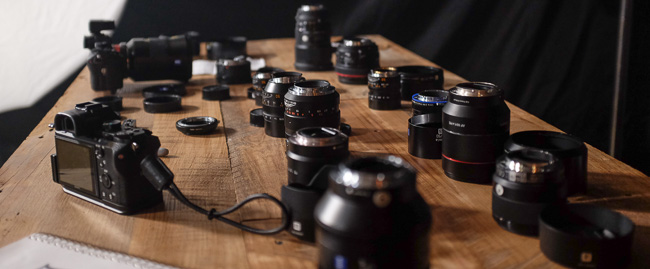
Without further adieu, here’s the lineup and I’m going to skip ahead and mention the top pros and cons that I discovered while shooting these lenses. Keep in mind that my primary end goal is a lens for travel photography.
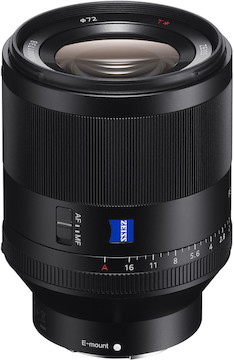
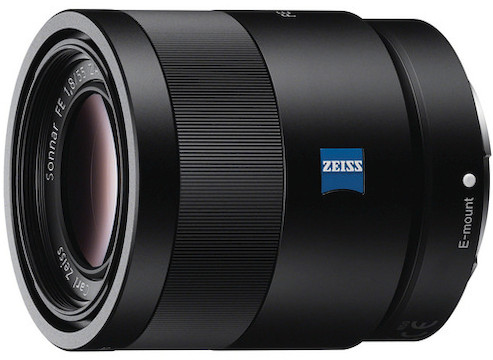
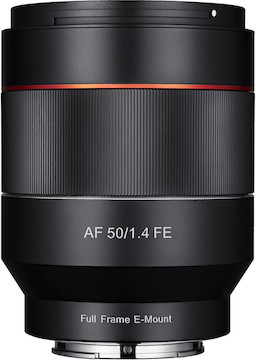
Compact, great IQ, fast AF, and the price is reasonably in the middle of the road
Filter size. 49mm means that I would have trouble sharing neutral density and polarizing filters with the other lenses in my kit. It’s not an insurmountable problem, more of an inconvenience. Also, in the studio tests, there seemed to be some small color shifts that would need to be addressed.
$700 is a pretty good price for a f/1.4 lens with autofocus.
Everything else. Seriously, I tried to give this lens the benefit of the doubt considering it was a new design that I wasn’t very familiar with but it fails in every category that’s important to me. It flared easily, had horrible colors, and even though I wasn’t purposefully testing autofocus, I did notice that its abilities were far from great.
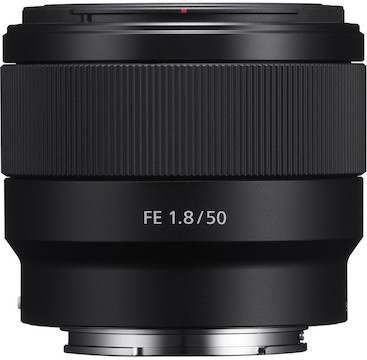
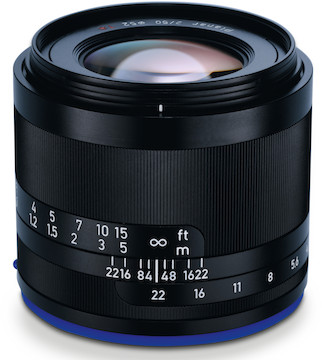
Extremely compact, World renowned Zeiss image quality, and confidence inspiring weather sealing.
At f/2 it was one of the slowest lenses in the group, and there are other lenses in the same price range that offer a few more features. It’s a great little lens, but it’s not the only fish in the sea.
Lens Specs
Performance
Focal Length
50mm
Aperture
Maximum: f/2 Minimum: f/22
Camera Mount Type
Sony E (Full-Frame)
Format Compatibility
35mm Film / Full-Frame Digital Sensor Sony NEX (APS-C)
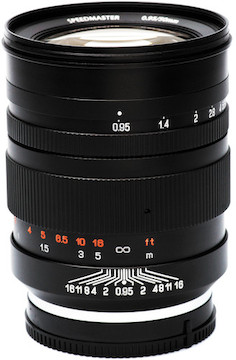
On paper, the specs are impressive for this price point. It’s a lot of fun being able to shoot at f/0.95. The aperture allows you to shoot in the dark.
My personal copy of this lens seems to have declined in quality since I’ve owned it. It’s constantly a struggle to nail focus which leads me to believe that there’s a slightly decentered element or something else that needs to be repaired.
Lens Specs
Performance
Focal Length
50mm
Aperture
Maximum: f/.95 – 16
Camera Mount Type
Sony E (Full-Frame)
Format Compatibility
35mm Film / Full-Frame Digital Sensor Sony NEX (APS-C)
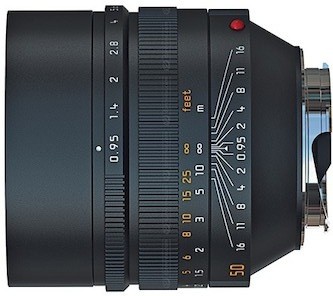
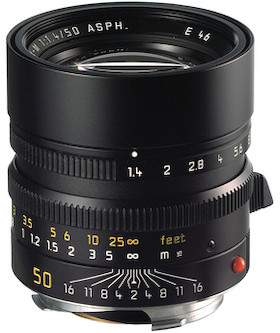
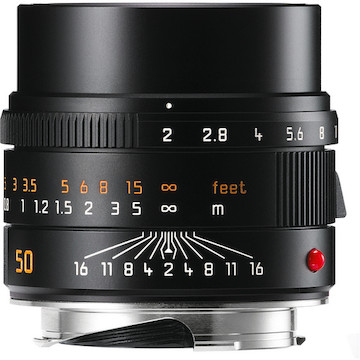
Almost everything about this lens is awesome, and it has so much heritage that it’s exciting just to hold it.
The price is really steep, and the images have more chromatic aberration (i.e. purple fringe) then a lens in this price range should have, but I don’t think that’s anything new for anyone who has ever shot with this lens. The minimum focusing distance of 1 meter is limiting.
Super compact and it’s everything you’d expect from a Leica lens.
While the images were great I don’t think they were so far above the rest of the lens offering in this list that it justifies the price difference. This lens doesn’t make me want to buy it; it makes me want to rent it, along with a Leica camera body, and get the whole rangefinder experience. For me, kind of a “go big or go home” situation.
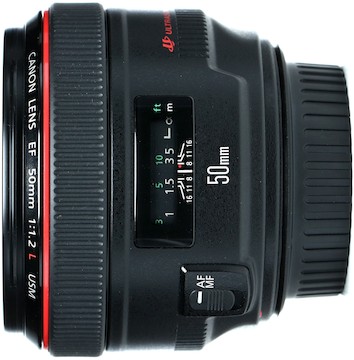
Phenomenal image quality, super sharp, beautiful skin tones. It’s the only lens in this group that makes me have irrational internal monologues like “who cares that it’s got a 39mm filter thread, using any filter or other glass in front of this thing is insulting.” Or “the price isn’t that bad. It would pay for itself in just a few years.”
Not just from these shoots, but I know this is a workhorse lens that’s very reliable. If I were moving from a Canon system and already owned this lens, I wouldn’t hesitate to use an adapter and keep this lens around.
With an adapter it’s bulky and clumsy plus it’s an older model lens that may get an upgrade soon so it wouldn’t be a sound investment considering I don’t already own it.
Lens Specs
Performance
Focal Length
50mm
Aperture
Maximum: f/1.2 Minimum: f/16
Camera Mount Type
Canon EF
Format Compatibility
35mm Film / Full-Frame Digital Sensor Canon (APS-C)
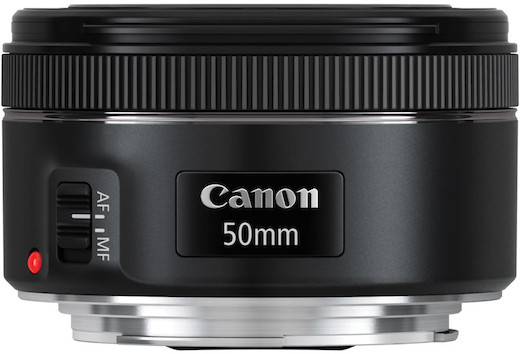
I was crazy impressed with the images coming from this $125 little lens. Any Canon shooter should have this lens around just because of the value it provides.
It has a plastic body, and an adapter to use this on a Sony camera is probably going to run 2-3x the cost of the lens itself.
Lens Specs
Performance
Focal Length
50mm
Aperture
Maximum: f/1.8 Minimum: f/22
Camera Mount Type
Canon EF
Format Compatibility
35mm Film / Full-Frame Digital Sensor Canon (APS-C)
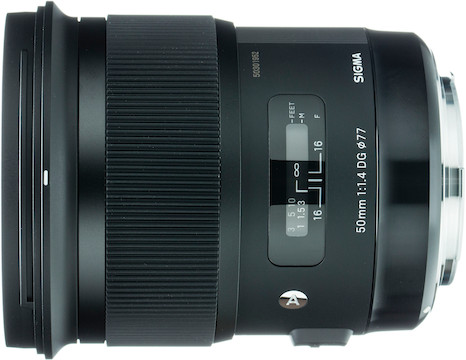
Definitely one of the sharpest lenses in this test and very low distortion for a lens at that this price point. Distortion is not usually the first thing I notice when looking at studio images but in this case the lack of is noticeable.
You have to use an adapter. It would be so exciting if Sigma could make this lens in a native E-mount without losing any quality.
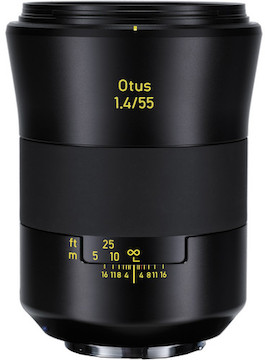
In my opinion, it produced the best images from the entire shootout. All of the “high resolving power” you hear about with this lens is not marketing hype. You can see it in the photos.
Size and weight. This thing is huge and in reality it was never a contender for me as a lens for travel photography.
Lens Specs
Performance
Focal Length
55mm
Aperture
Maximum: f/1.4 – 16
Camera Mount Type
Canon EF
Format Compatibility
35mm Film / Full-Frame Digital Sensor
Angle of View
43.7°
Minimum Focus Distance
19.7″ (.50 m)
Magnification
Not Specified By Manufacturer
Maximum Reproduction Ratio
1:7
Elements/Groups
12/10
Diaphragm Blades
Not Specified By Manufacturer
Features
Image Stabilization
None
Autofocus
None
Tripod Collar
No
Environmental
Operating/Storage Temperature
Not Specified By Manufacturer
Physical
Filter Thread
77 mm
Dimensions (DxL)
Approx. 3.64 x 5.66″ (9.25 x 14.38 cm)
Weight
2.27 lb (1030 g)
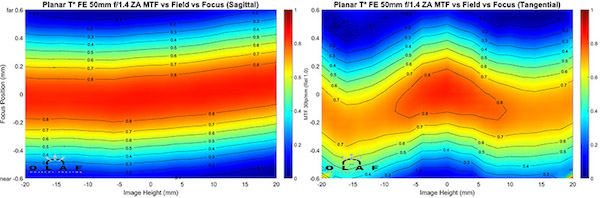
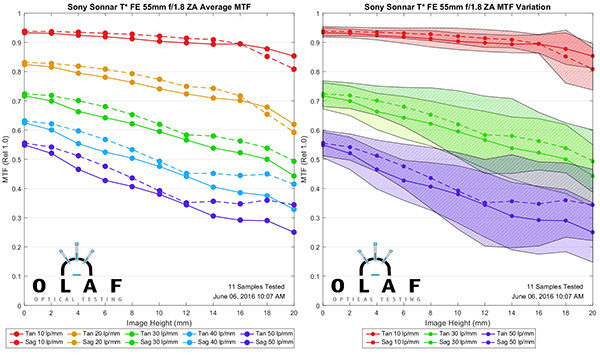
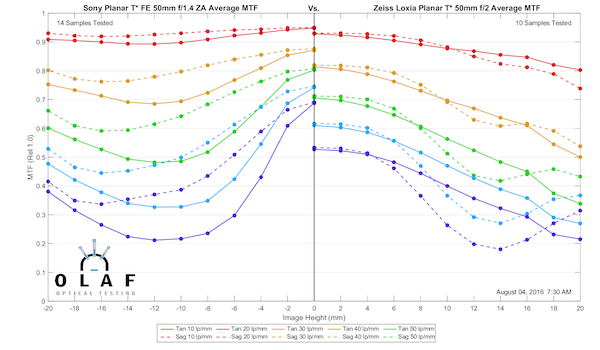
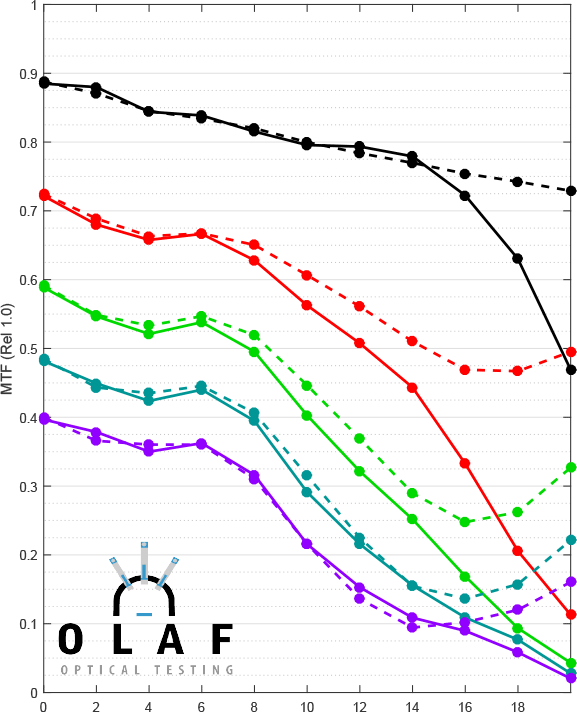
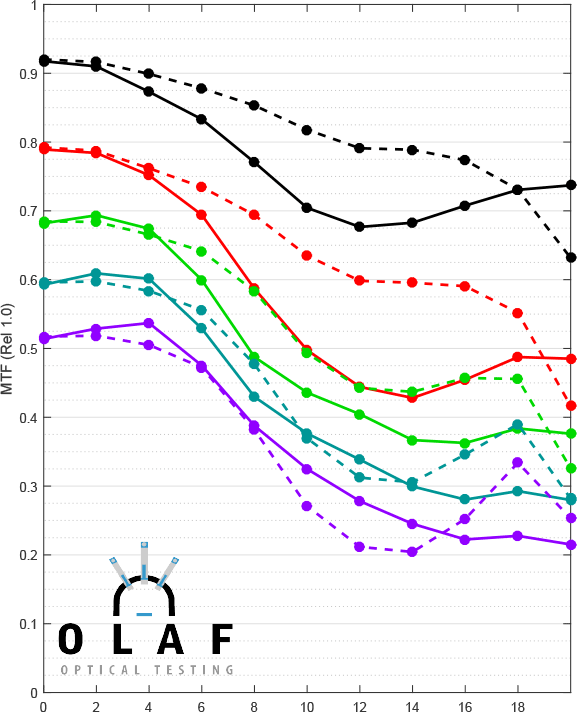
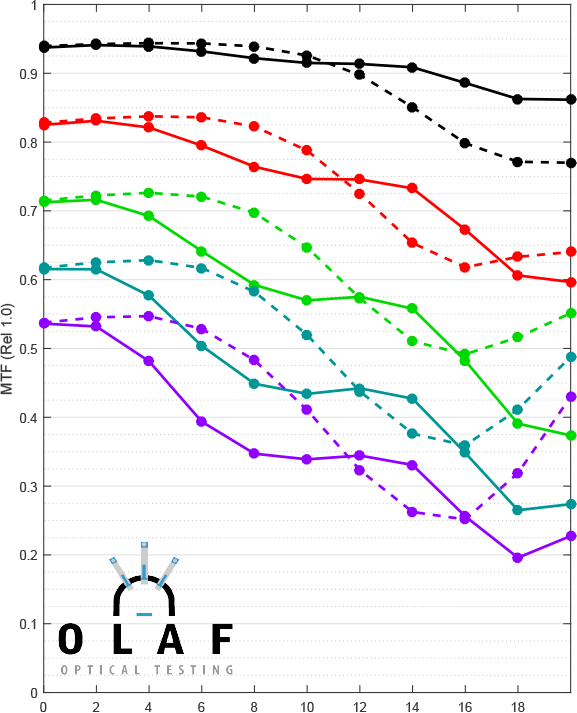
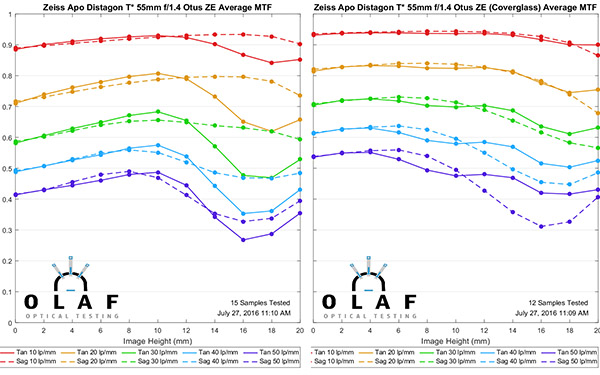
MTF Charts
OlafOpticalTesting, 2016
I wanted to test these lenses in a way that made sense to me and see what I could discover from shooting with them that I couldn’t tell by just looking at the specs for each lens. I may have heard a rumor that one lens vignettes a lot, but what does “a lot” look like exactly? Or, “Lens A is more expensive, but it’s sharper than Lens B.” Ok, how much difference am I going to notice, what’s my acceptable level of sharpness, and how much am I willing to spend to get it? The best way for me to answer these questions for myself is to create some real world shooting scenarios where I can use all of the lenses in the same manner, in the same place, on the same subject and then look at the results.
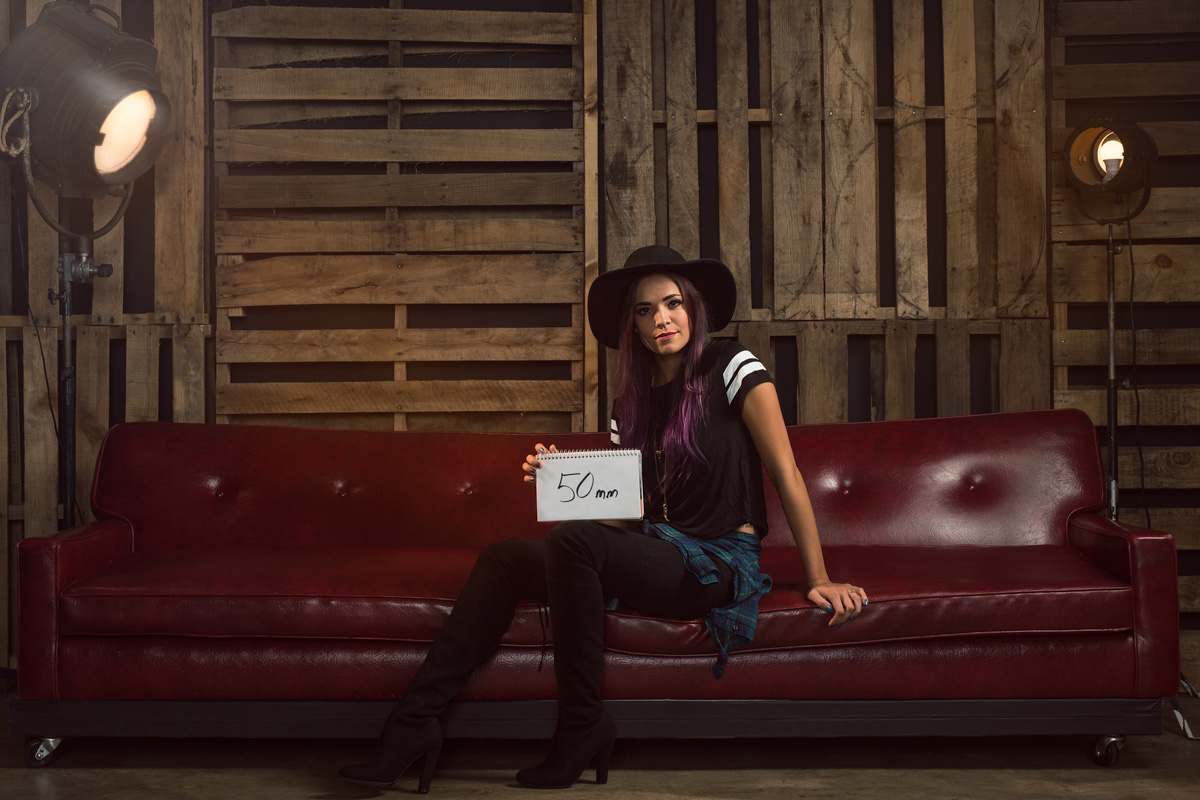
So for the first test shoot, I went into the studio, fired up the strobe lights, got a model, filled the room with haze, and proceeded to set up a quick scene that I could photograph with all 13 lenses. I chose the camera settings ahead of time. Manual exposure, ISO 100, 1/125th of a second shutter speed, and an aperture of f/8. Now, a f/8 aperture should be near, or at, the “sweet spot” for each of these lenses. They should all be at their best level of performance regarding image quality, including sharpness, resolving power, color, and hopefully, a lack of any aberrations. When comparing so many different lenses, this is about as even of a playing field as it gets.
After framing the shot, I locked the camera off on a tripod and began shooting each lens 4 or 5 times, making sure to reset and manually focus between each shot. Lather, rinse and repeat. During this process, we attempted to keep an even level of haze in the room and our model, Stephanie, sought to keep the same pose throughout all of the shots. Like I said before, it may not be as scientific as an MTF chart, but neither is shooting.
Right Click, Open in New Tab
Back in the office, I loaded the images on the computer and culled through all of the shots, selecting the best example from each lens. I want to make these 13 raw files available for anyone that wants to download them and make their own comparisons because I know I’m not the only one that likes to pixel peep every once in awhile.
Here’s a full summary of what I saw after spending time zooming around each image, playing with lens profiles, and comparing various cropped portions of the photos: When just considering image quality, there’s not always a direct relationship between quality and price. The best example of this can be seen when comparing the Sony FE 50mm f/1.4 and the Sony FE 50mm f/1.8. The former is more than 7 times the cost of the Sony’s entry level prime. It’s IQ is virtually the same, it’s certainly not 7x better. That means the $1300 dollar price difference between the two is going towards something else, supposedly build quality, or maybe a better focus motor.
I discovered that my bias against Rokinon is justified and I don’t have to feel like a snob for not wanting to use it. While the Mitakon and Noctilux share a few similar traits, mainly their f/0.95 apertures, my copy of the Mitakon can’t hold a candle to anything with the name Leica on it. Even at f/8, it has terrible field curvature. The price tag associated with the APO-Summicron is about more than just sharpness. It has probably the best color tones of any lens that I have ever shot. I would not have been able to guess the price point of the Canon EF 50mm f/1.8 by just looking at the photo. Canon’s Nifty-Fifty is better than Sony’s and the Zeiss Otus produced the best overall image from all 13 lenses.
The second test shoot was designed to show how the lenses performed at their maximum aperture. This is more about the lens’s raw ability. Wide open, their strengths and weakness should become more apparent. Even if you don’t often shoot wide open or have the need for low light performance, the aperture number on the side of the lens is often a big part of what you’re paying for so it’s nice to know what you’ll get if you ever need to go there.
Just like in the studio, I created a scene that I thought would showcase several aspects of all of the lenses. We took our model outside and stuck her in between some low hanging branches from a tree down the street from our office. We framed the shot at a slight angle giving us elements in the foreground and the background so we’d see more differences in the depths of field these lenses created. This time, I shot in aperture priority mode and let the camera make the exposure decisions because there was a variety of different maximum apertures in our test group. Just like before though, we fired off 4-5 shots with each lens, making sure to reset and manually focus between each shot. Afterward, on the computer, I again culled through all of the images, selecting the best example from each lens.
Now for this test, I was using just natural light. The setting sun was behind the model, off-camera right, and I was using a Sunbounce reflector, camera left, to bounce fill light back into her face. Everything was going well until we got through all of the native e-mount lenses and were about to move onto the EF and M mount lens. I reached into my camera bag and realized that I had left the lens adapters back in the office. I ran back inside and got them but in the short time it took me to do that, the sun dipped just below the treeline and our lighting conditions changed drastically. If you download the raw files from this shoot, you’ll see what I mean.
At this point, I had a couple of options. Re-shoot all of the lenses in the new lighting conditions, chase the setting sun around, or reschedule the shoot. I did none of those things and here’s why: I decided at that time that I didn’t want to have to rely on an adapter in this lens decision. It’s one more piece of gear to keep up with, it’s another potential point of failure, and it’s more bulk. If I had an investment already in lenses from another camera platform, it might make more sense to use an adapter and continue to rely on the glass that I already had. In my case, I don’t need to do that as I’m building my lens kit from scratch.
Side note: In order to be as unbiased as possible when comparing this round of images, it’s helpful to try and remove any strong distractions such as the huge color and contrast differences between the two lighting scenarios. I chose to use some automated features in Adobe Lightroom to make this process easier. I went through each image and using the custom white balance tool selected the sclera, or white part, of Stephanie’s right eye. I then selected the entire group of photos and used the “Auto Tone” feature of Lightroom.
Right Click, Open in New Tab
To summarize these natural light test shots, you tend to get what you pay for in terms of sharpness which the exception being the Zeiss Otus as the clear winner, even though it’s actually not the most expensive lens in the group. Most other aspects remained the same as they were in the studio shoot. The Mitakon continued to yield bad colors as did the Rokinon which also proved to be the least sharp and exhibited horrible flaring even though we were not directly shooting into the sun. Also worth noting, the more expensive lenses nailed the focus point (the model’s left eye) much more consistently. I used the focus peaking in addition to the focus assist (zoom) features of the Sony A7rII but still struggled with the less expensive lenses. The only other real revelation was the tough reminder that the Leica Noctilux has a close focus distance of 1 meter, which happened to be exactly the distance that I was shooting at. Depth of field is related to focus distance, that means that even though the Leica has a f/0.95 aperture, lenses like the Canon EF 50mm f/1.2 are capable of achieving a more shallow depth of field image just because it can shoot closer to the subject.
So with the test results in mind, it’s time to look back at some of the specifications of each lens that I consider to be important.
Lens
3-Day Rental Price
Purchase Price
Filter Size
Weight (in grams)
Max, Aperture
Min. Focus Distance (in cm)
Sony Planar T* FE 50mm f/1.4 ZA
$59
$1498
72mm
778
1.4
45
Sony FE 50m f/1.8
$15
$198
49mm
186
1.8
45
Sony Sonnar T* FE 55mm f/1.8 ZA
$47
$898
49mm
281
1.8
50
Rokinon AF 50mm f/1.4
$40
$699
67mm
585
1.4
45
Zeiss Loxia 50mm f/2 Planar
$35
$949
52mm
320
2
45
Mitakon Zhongyi Speedmaster 50mm f/0.95
$47
$849
67mm
720
0.95
50
Leica Noctilux-M 50mm f/0.95 ASPH *
$343
$10650
60mm
700
0.95
100
Leica Normal 50mm f/1.4 Summilux m *
$134
$3795
46mm
335
1.4
70
Leica APO-Summicron-M 50mm f/2 ASPH *
$240
$7795
37mm
300
2
70
Canon EF 50mm f/1.2L **
$41
$1349
72mm
590
1.2
45
Canon EF 50mm f/1.8 STM **
$11
$125
49mm
162
1.8
35
Sigma 50mm f/1.4 DG HSM Art **
$45
$949
77mm
815
1.4
40
Zeiss 55mm f/1.4 Otus Distagon **
$118
$3990
77mm
1030
1.4
50
* requires the use of a Leica M lens to Sony E camera adapter
** requires use of a Canon EF lens to Sony E camera adapter
Personal Summary
My purpose for doing these shoots was to find a 50mm prime lens, well suited for travel photography, to replace my quickly aging Mitakon Speedmaster. For me, the compact nature of both the Sony FE 55mm f/1.8 and the Zeiss Loxia 50mm f/2 Planar, combined with average price points but above average image quality means these are the two lenses I’m considering. Although the Loxia has a slight advantage over the Sony regarding image quality, I need to decide whether or not I’m willing to sacrifice that to gain great autofocus. I have a couple of trips coming up, including the Photo Plus Expo in New York, so I’m going to spend some more time renting and using both of these lenses before I decide which one finds a permanent home in my bag.
If you guys have any questions, comments, or arguments, leave them below.
Thanks for the whole write-up! I’m also in a quite similar situation as I’m considering updating my 50mm options for my Sony A7 so I’ve been keeping an eye on most of the lenses you’ve tested and your remarks have been very helpful.
Here are my comments on the whole thing:
-First of all, congratulations to both you and your model for trying to keep the pose and lighting as close as possible between the shots. I hate and laugh inside when someone claims they did real life tests with a real human being who changes expressions and pose shot to shot, which results in changes of lighting on model’s face which creates a false illusion of difference between what’s tested. You did not fall for that and did this right (Except for the second test which you have clearly noted), thanks again and congratulations on this whole thing.
-I’m torn between 55/1.8, Loxia, A-Mount 50/1.4Z and Mitakon. I will most probably end up with the FE 55.
-I’d most probably get the Canon 50/1.8 and glue an adapter behind if I had the A7Rii. I have the vanilla A7, which has laughable AF with adapted lenses.
-You already gave up on the adapters but you should’ve added the weight of the adapter to the lens too. Even the lightest adapters weigh 100 grams and LA-EA4 is 160 grams. Put one in front of your A7Rii and you end up withing 50 grams of an A99.
-Sony’s 50/1.8 is a sad effort at pretty much everything. It focuses stopped down, which sometimes causes it to hunt and you can’t even see your real DOF most of the time. It also causes some very weird shutter lag as it triggers the AF confirm beep BEFORE it actually locks focus.
-I know that there will be at least one instance every year when I’ll be hating the electronic MF on 55/1.8 which will cause me to miss a shot.
-Loxia is cute and small but I hate the fact that I can’t easily focus it wide open as it’s at shooting aperture all the time. It will be the most reliable as the AF will never miss since there isn’t any but I also kinda want to be able to use my lens as a point and shoot, so I’m not entirely convinced Loxia is the way to go. Also I can find the 55/1.8 for much cheaper used.
-I can also find the 50/1.4 Zeiss for the same price as 55/1.8, which is around 600-700$ used. It is attractive to me as I shoot Minolta film cameras too. However, I’m not entirely sold on the size, weight and the image quality. I’ll try to rent one sometime.
-I wanted to give the Mitakon a go too but you just ruined it for me.
-Otus too big, Sigma too big, Rokinon too rokinon, Leica APO too expensive, Noctilux AHAHAHAHAH yeah right, Canon won’t focus on my A7. I almost bought a M3 with an old Summicron though, that may have been interesting.
Hey, thanks for the kind words. I admittedly left out a lot of talk about adapters. That’s partly because I didn’t want to confuse people,after all there a ton of adaptor options out there. It’s also because Lensrentals is already somewhat known for being brutally honest about the reliability of adapters like Metabones so I don’t want it to seem like I’m offering a counter argument. It might seem hypocritical, but the adapters I used in these shoots are actually my personal ones that I own and sometimes carry with me.
Speaking of the autofocus in the Sony 55mm, one of our repair folks did mention this morning that the there may be some long term reliability issues there.
Thanks for the whole write-up! I'm also in a quite similar situation as I'm considering updating my 50mm options for my Sony A7 so I've been keeping an eye on most of the lenses you've tested and your remarks have been very helpful.
Here are my comments on the whole thing:
-First of all, congratulations to both you and your model for trying to keep the pose and lighting as close as possible between the shots. I hate and laugh inside when someone claims they did real life tests with a real human being who changes expressions and pose shot to shot, which results in changes of lighting on model's face which creates a false illusion of difference between what's tested. You did not fall for that and did this right (Except for the second test which you have clearly noted), thanks again and congratulations on this whole thing.
-I'm torn between 55/1.8, Loxia, A-Mount 50/1.4Z and Mitakon. I will most probably end up with the FE 55.
-I'd most probably get the Canon 50/1.8 and glue an adapter behind if I had the A7Rii. I have the vanilla A7, which has laughable AF with adapted lenses.
-You already gave up on the adapters but you should've added the weight of the adapter to the lens too. Even the lightest adapters weigh 100 grams and LA-EA4 is 160 grams. Put one in front of your A7Rii and you end up withing 50 grams of an A99.
-Sony's 50/1.8 is a sad effort at pretty much everything. It focuses stopped down, which sometimes causes it to hunt and you can't even see your real DOF most of the time. It also causes some very weird shutter lag as it triggers the AF confirm beep BEFORE it actually locks focus.
-I know that there will be at least one instance every year when I'll be hating the electronic MF on 55/1.8 which will cause me to miss a shot.
-Loxia is cute and small but I hate the fact that I can't easily focus it wide open as it's at shooting aperture all the time. It will be the most reliable as the AF will never miss since there isn't any but I also kinda want to be able to use my lens as a point and shoot, so I'm not entirely convinced Loxia is the way to go. Also I can find the 55/1.8 for much cheaper used.
-I can also find the 50/1.4 Zeiss for the same price as 55/1.8, which is around 600-700$ used. It is attractive to me as I shoot Minolta film cameras too. However, I'm not entirely sold on the size, weight and the image quality. I'll try to rent one sometime.
-I wanted to give the Mitakon a go too but you just ruined it for me.
-Otus too big, Sigma too big, Rokinon too rokinon, Leica APO too expensive, Noctilux AHAHAHAHAH yeah right, Canon won't focus on my A7. I almost bought a M3 with an old Summicron though, that may have been interesting.
Chase ·
Hey, thanks for the kind words. I admittedly left out a lot of talk about adapters. That's partly because I didn't want to confuse people,after all there a ton of adaptor options out there. It's also because Lensrentals is already somewhat known for being brutally honest about the reliability of adapters like Metabones so I don't want it to seem like I'm offering a counter argument. It might seem hypocritical, but the adapters I used in these shoots are actually my personal ones that I own and sometimes carry with me.
Speaking of the autofocus in the Sony 55mm, one of our repair folks did mention this morning that the there may be some long term reliability issues there.
Thanks for reading!
Park J.S. ·
In my test,Samyang 50mm is rather weak in resolution part.However,it has one of the best bokeh among 50mm f1.4 lenses:http://lenswork.tistory.com...
Trip35 ·
Nice writeup. I see that you list filter size as the Zeiss 55mm’s main con, but then give the Leica lenses and the Sony and Canon f/1.8s a pass in spite of having the same filter size or smaller. You could always get a step-up ring (say, 49>55mm) and continue to use larger filters, and in fact you can just leave the ring on the lens and buy a larger lens cap. Problem solved. Of your two finalists, and taking your excellent samples into account, I’d go with the Zeiss 55/1.8. The Otus is slightly better in the second test, but IQ is no use to you if you’ve missed a shot because you couldn’t manually focus quickly enough, and at these apertures it’s always a challenge. Case in point: the Sigma 50/1.4 shot in the outdoor sample set, where the far eye is in focus, which has drawn a number of the model’s blemishes into focus that are out of focus in the other samples. Add to that the fact that the slightly longer focal length and wider aperture will make it more useful as a portrait lens, particularly when you use it on your A6300.
I didn’t mean to imply that the Sony 55mm was the only lens at fault for having a smaller filter size. Quite the opposite in fact. I was just making sure there was at least something in the “cons” category!
Regarding filters, I agree with you, step-up rings can really help. I currently carry one really nice set of 72mm filters and generic lens caps. My two zooms are 72mm and my Batis and Mitakon use permanent step-up rings and everything is happy. I can’t really adapt 72 down to 49mm very well so I’ll use a a set of 59mm filters with rings I have for m4/3s and fuji gear. It’s more stuff to keep up with and unfortunately the quality of the glass is no where near as nice as my larger set.
Trip35 ·
I know what you mean, step-up rings start getting a bit awkward as they get wider. And there’s always the question of obstructing the lens hood as well. Having thought about it a bit more, I’d just buy a 49mm polariser and skip the NDs – the polariser is good for about two stops anyway. They’re a good deal cheaper in smaller sizes as well. Whatever you choose, you’re spoiled for choice!
Trip35 ·
Nice writeup. I see that you list filter size as the Zeiss 55mm's main con, but then give the Leica lenses and the Sony and Canon f/1.8s a pass in spite of having the same filter size or smaller. You could always get a step-up ring (say, 49>55mm) and continue to use larger filters, and in fact you can just leave the ring on the lens and buy a larger lens cap. Problem solved. Of your two finalists, and taking your excellent samples into account, I'd go with the Zeiss 55/1.8. The Otus is slightly better in the second test, but IQ is no use to you if you've missed a shot because you couldn't manually focus quickly enough, and at these apertures it's always a challenge. Case in point: the Sigma 50/1.4 shot in the outdoor sample set, where the far eye is in focus, which has drawn a number of the model's blemishes into focus that are out of focus in the other samples. Add to that the fact that the slightly longer focal length and wider aperture will make it more useful as a portrait lens, particularly when you use it on your A6300.
Chase ·
I didn't mean to imply that the Sony 55mm was the only lens at fault for having a smaller filter size. Quite the opposite in fact. I was just making sure there was at least something in the "cons" category!
Regarding filters, I agree with you, step-up rings can really help. I currently carry one really nice set of 72mm filters and generic lens caps. My two zooms are 72mm and my Batis and Mitakon use permanent step-up rings and everything is happy. I can't really adapt 72 down to 49mm very well so I'll use a a set of 59mm filters with rings I have for m4/3s and fuji gear. It's more stuff to keep up with and unfortunately the quality of the glass is no where near as nice as my larger set.
Trip35 ·
I know what you mean, step-up rings start getting a bit awkward as they get wider. And there's always the question of obstructing the lens hood as well. Having thought about it a bit more, I'd just buy a 49mm polariser and skip the NDs - the polariser is good for about two stops anyway. They're a good deal cheaper in smaller sizes as well. Whatever you choose, you're spoiled for choice!
Ron H ·
The 50 I’m most interested in for my A7 is the new Sony f/2.8 Macro. I guess it came out too recently to include?
For sure. These shoots were actually a couple of weeks ago. We do have stock now and I have no reason to think it won’t be a solid lens
Ron H ·
The 50 I'm most interested in for my A7 is the new Sony f/2.8 Macro. I guess it came out too recently to include?
Chase ·
For sure. These shoots were actually a couple of weeks ago. We do have stock now and I have no reason to think it won't be a solid lens
HF ·
I have the FE55/1.8 and new FE50/1.4 (FE-mount, not A-mount) and prefer the letter, even though it is larger and heavier. I find the combination of sharpness and rendering superb.
I think some of our other employees would agree with you. For me, size was a big factor but I also considered the price difference.
HF ·
Price is an argument. I don’t know how the A-mount 50/1.4ZA tested here (or is the image with the A-mount lens accidentally being displayed here) stacks up to the E-mount FE50/1.4. All I know is that my copy is clearly sharper than the 55/1.8 and Sigma Art I have. The performance per price/size ratio favours the 55/1.8, however.
HF ·
Price is an argument. I don't know how the A-mount 50/1.4ZA tested here (or is the image with the A-mount lens accidentally being displayed here) stacks up to the E-mount FE50/1.4. All I know is that my copy is clearly sharper than the 55/1.8 and Sigma Art I have. The performance per price/size ratio favours the 55/1.8, however.
terry Stahly ·
I have owned two 55 1.8 lenses and sold both of them flat and boring compared to the planar. The 2nd one I bought to use when I travel but I could never bring myself to take it and always took the heavier 1.4 because it renders soooo much better.
HF ·
I have the FE55/1.8 and new FE50/1.4 (FE-mount, not A-mount) and prefer the latter, even though it is larger and heavier. I find the combination of sharpness and rendering superb.
TRS ·
I have owned two 55 1.8 lenses and sold both of them flat and boring compared to the planar. The 2nd one I bought to use when I travel but I could never bring myself to take it and always took the heavier 1.4 because it renders soooo much better.
joel richards ·
FWIW, you’ve got the wrong MTF charts for the FE 55 and wrong ZA 50 pictures.
FWIW, you've got the wrong MTF charts for the FE 55 and wrong ZA 50 pictures.
Chase ·
good catch, I'll get those corrected. Thanks
Athanasius Kirchner ·
Chase: thank you for all the work and time invested in this article, I’m sure many will appreciate the resource for pixel peeping (I don’t need it, as I shoot MFT and already have a perfectly good Panasonic 25mm f/1.7). It’s also very useful to compare color rendition and OOF highlight quality.
With that said, I think the article needs some proofreading. There are a few sentences with terrible structure, and a couple of typos. I fully realize that this is just a blog, and that you have a day job (which, I’m guessing, doesn’t involve doing 50mm lens shootouts :). I thank you for all the information, but it’d be more attractive without these faults.
Ha, yeah sorry about that. This was originally a video review but I guess parts got “lost in transcription.”
Athanasius Kirchner ·
Chase: thank you for all the work and time invested in this article, I'm sure many will appreciate the resource for pixel peeping (I don't need it, as I shoot MFT and already have a perfectly good Panasonic 25mm f/1.7). It's also very useful to compare color rendition and OOF highlight quality.
With that said, I think the article needs some proofreading. There are a few sentences with terrible structure, and a couple of typos. I fully realize that this is just a blog, and that you have a day job (which, I'm guessing, doesn't involve doing 50mm lens shootouts :). I thank you for all the information, but it'd be more attractive without these faults.
Chase ·
Ha, yeah sorry about that. This was originally a video review but I guess parts got "lost in transcription."
flbrit ·
Since you tested a Leica, I wondered why you did not also consider a Zeiss ZM 50mm 1.5C or Planar f2
I now have a real raw Leica M7 which I mount my Zeiss Distagon 35 mm f1.4 ZM on as well as putting it on my Sony A7RII. I own the FE 55mm 1.8 and it is an outstanding lens but in the interests of owning only one dual purpose lens I am interested in the ZM 50’s and selling my FE 55.
Leo ·
C-Sonnar would perform better on the Sony than on the Leica because it has a focus shift that will cause you to misfocus at close range unless you manually correct for it (without Live View EVF on Leica bodies)
However, optically, M-mount lenses will never reach optimal performance unless the Sony body have its sensor glass replaced.
flbrit ·
Since you tested a Leica, I wondered why you did not also consider a Zeiss ZM 50mm 1.5C or Planar f2
I now have a real raw Leica M7 which I mount my Zeiss Distagon 35 mm f1.4 ZM on as well as putting it on my Sony A7RII. I own the FE 55mm 1.8 and it is an outstanding lens but in the interests of owning only one dual purpose lens I am interested in the ZM 50's and selling my FE 55.
Leo ·
C-Sonnar would perform better on the Sony than on the Leica because it has a focus shift that will cause you to misfocus at close range unless you manually correct for it (without Live View EVF on Leica bodies)
However, optically, M-mount lenses will never reach optimal performance unless the Sony body have its sensor glass replaced.
jp ·
Thanks for the comparison. Not surprise for me.
Well, as always the Loxia is underestimate, because it not looks great. But, it is a great lens with only manual focus!
And, of course the “standard” FE 55/1.8 is still awesome lens that Zeiss has built.
If someone need other color rendering, then of course he has to look for other 50mm lenses!
jp ·
Thanks for the comparison. Not surprise for me. Well, as always the Loxia is underestimate, because it not looks great. But, it is a great lens with only manual focus! And, of course the "standard" FE 55/1.8 is still awesome lens that Zeiss has built. If someone need other color rendering, then of course he has to look for other 50mm lenses!
Shaun O'Boyle ·
In my experience you can’t go wrong with the Sony 55, easily the sharpest lens of all the Sony lenses I own, (16-35, 24-70, 35 f/2.8) with the advantage of autofocus. Done.
Shaun O'Boyle ·
In my experience you can't go wrong with the Sony 55, easily the sharpest lens of all the Sony lenses I own, (16-35, 24-70, 35 f/2.8) with the advantage of autofocus. Done.
David Alexander ·
After equalizing the exposures and white balances, there’s not a lot between them. I’d give a slight nod to the 55/1.8, the 55/1.4, and the 50/1.2 for contrast. Otherwise, the ones with awful flare aside, I’d gladly take any of them.
David Alexander ·
After equalizing the exposures and white balances, there's not a lot between them. I'd give a slight nod to the 55/1.8, the 55/1.4, and the 50/1.2 for contrast. Otherwise, the ones with awful flare aside, I'd gladly take any of them.
Joe Fitzpatrick ·
Nice review, the 50 format still is so universal and the options are many. This provides very helpful insights into the trade-offs and where these all fit in.
denneboom ·
I tried the 50 loxia at photokina for a day. It was nice, but I wasn’t blown away by the IQ compared to the Minolta 50 F2 I normally use, maybe a tad scharper.
I should have made more side to side comparisons, i only did a bokeh test.
denneboom ·
I tried the 50 loxia at photokina for a day. It was nice, but I wasn't blown away by the IQ compared to the Minolta 50 F2 I normally use, maybe a tad sharper.
I should have made more side to side comparisons, i only did a bokeh test.
Not An ·
Why not try the Zeiss 50mm F2 (classic or milvus doesn’t matter)? I value close up capability on a 50mm lens a lot (often times it’s the only lens you have)
Not An ·
Why not try the Zeiss 50mm F2 (classic or milvus doesn't matter)? I value close up capability on a 50mm lens a lot (often times it's the only lens you have)
L.E. Miller ·
Why does no one ever acknowledge the Nikon 50m f1.2? Its still available new. Yes it’s MF but so are half the lenses on this list.
Yitzchal Levy ·
I have it and it’s a nice lens; shoots uber soft at 1.2 (think “Lensbaby” soft), no comparison to the greatness of the Canon 50 1.2 IMO….
L.E. Miller ·
Why does no one ever acknowledge the Nikon 50m f1.2? Its still available new. Yes it's MF but so are half the lenses on this list.
banpreso ·
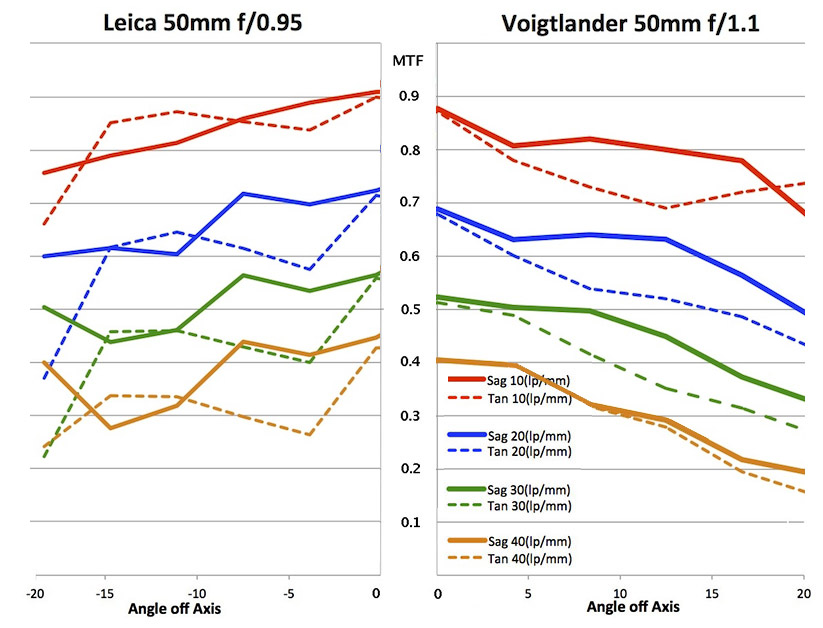
there are the voigtlander 50 1.5 and 1.1 to be considered. M mount lenses can also use close focus adapter. there are also many more manual focus SLR lenses adaptable to the Sony. i know you gotta put a limit somewhere but there are so many options.
there are the voigtlander 50 1.5 and 1.1 to be considered. M mount lenses can also use close focus adapter. there are also many more manual focus SLR lenses adaptable to the Sony. i know you gotta put a limit somewhere but there are so many options.
Great read. Just curious… Any reason the Tamron 45mm f/1.8 didn’t make the list? Seems like it would be a great contender. Anyway, I’d be interested to see how it fares.
Will ·
Great read. Just curious... Any reason the Tamron 45mm f/1.8 didn't make the list? Seems like it would be a great contender. Anyway, I'd be interested to see how it fares.
Charlie ·
Hi, I saw in previous post you mentioned FE50 1.4 ZA has outperformed Otus in center and is at least a worthy lens, but here you stated it doesn’t produce great images, can you elaborate on that? Is there some weak aspects to it? And also, my copy has a bit of noise with AF, kinda like the 85GM, are your copies the same too? Thanks!
Gabriel ·
Yep his “comparison” lacks a LOT to be desired. Look on Fred Miranda for real life examples of the 50mm 1.4 ZA it is simple stunning so to claim, with the horrible examples here, that its not much better than the kit 50mm is just laughable. For the record I own the 55mm but I cannot BS telling others my 55mm is better.
terry Stahly ·
I agree anyone who likes the 55 1.8 over the 50 1.4 planar is nuts. He also must have spent enough renting thirteen lenses to buy a couple of them seems kind of crazy especially if you do not know how to professionally compare lenses which he doesn’t. I appreciate the effort but disagree with his conclusions. My 50 planar is one special lens and I own every GM lens and some Voightlanders and have owned every Loxia and Batis.
Charlie ·
Hi, I saw in previous post you mentioned FE50 1.4 ZA has outperformed Otus in center and is at least a worthy lens, but here you stated it doesn't produce great images, can you elaborate on that? Is there some weak aspects to it? And also, my copy has a bit of noise with AF, kinda like the 85GM, are your copies the same too? Thanks!
Mark Harris ·
Yep his "comparison" lacks a LOT to be desired. Look on Fred Miranda for real life examples of the 50mm 1.4 ZA it is simple stunning so to claim, with the horrible examples here, that its not much better than the kit 50mm is just laughable. For the record I own the 55mm but I cannot BS telling others my 55mm is better.
TRS ·
I agree anyone who likes the 55 1.8 over the 50 1.4 planar is nuts. He also must have spent enough renting thirteen lenses to buy a couple of them seems kind of crazy especially if you do not know how to professionally compare lenses which he doesn't. I appreciate the effort but disagree with his conclusions. My 50 planar is one special lens and I own every GM lens and some Voightlanders and have owned every Loxia and Batis.
Y.A. ·
I have the Canon 50 1.8. Works great with my $100 Fotodiox. From what I hear, a good bit better than the FE 50 1.8 in terms of autofocus, which is insane.
Busha Busha ·
I have the Canon 50 1.8. Works great with my $100 Fotodiox. From what I hear, a good bit better than the FE 50 1.8 in terms of autofocus, which is insane.
Scott Oblander ·
Can”t be considered the “ultimate” comparison when F-mount is ignored. This may be the ultimate list for E-mount ….
Scott Oblander ·
Can"t be considered the "ultimate" comparison when F-mount is ignored. This may be the ultimate list for E-mount ....
Mark ·
Thank you for such a comparison using so many lenses.
Mark ·
Thank you for the dedication of time to do a comparison using so many lenses. The normal and particularly wide-angle Leica lenses will never live up to their full potential on the Sony bodies given the Sony sensor stack design. They only really shine on Leica bodies, which really hurts the wallet... But the ability to use focus peaking, stabilization and use a close focus adaptor on that Noctilux is hella fun.
Ed Bambrick ·
I don’t think I will ever go anywhere again without the Zeiss Otus 55mm in my kit. I just took a trip to Europe with a D810 and the Nikon 14-24mm, Sigma 35mm and Nikon 70-200mm and left the Otus at home. While I managed to take a lot of ‘good’ photos, none of them were stellar. Sad to admit that the previous years trip with a A7r and it’s lousy 12 bit photos and the Otus created more print worthy photos than this trip. Above and beyond all of the resolution specs there is a color and feel to many Zeiss lenses that make them worth the haul and expense. The Nikon 70-200 hits 100% at 105mm and 135mm but never approaches IQ of the Zeiss Apo Sonnar 135mm. I love going wide with the Nikon 14-24mm but no matter what, it isn’t the Distagon 21mm. I’m past the point of needing to catch every photo by using AF and making a compromise. Next time, I’ll take the Zeiss 21mm, the 55mm Otus, the 135mm Apo and if I need to take tourist snap shots with AF it will be something simple like the 24-120.
Arthur Meursault ·
I don't think I will ever go anywhere again without the Zeiss Otus 55mm in my kit. I just took a trip to Europe with a D810 and the Nikon 14-24mm, Sigma 35mm and Nikon 70-200mm and left the Otus at home. While I managed to take a lot of 'good' photos, none of them were stellar. Sad to admit that the previous years trip with a A7r and it's lousy 12 bit photos and the Otus created more print worthy photos than this trip. Above and beyond all of the resolution specs there is a color and feel to many Zeiss lenses that make them worth the haul and expense. The Nikon 70-200 hits 100% at 105mm and 135mm but never approaches IQ of the Zeiss Apo Sonnar 135mm. I love going wide with the Nikon 14-24mm but no matter what, it isn't the Distagon 21mm. I'm past the point of needing to catch every photo by using AF and making a compromise. Next time, I'll take the Zeiss 21mm, the 55mm Otus, the 135mm Apo and if I need to take tourist snap shots with AF it will be something simple like the 24-120.
David Bateman ·
Yep there are about 10000 different 50mm lenses to test on a highly adaptable camera like the sony. To limit it I would say what could be AF. That may help you decide. But then in your comments I see you have a M43rds system as well. So my suggestion is don’t buy a 50mm for the Sony at all. The times you need 50mm, use the Panasonic 25mm f1.4 lens on your whatever M43rds camera. Cheaper, easier to carry, and no lens changes. On my Panasonic GM5 its a small package.
Gabriel ·
Except the Panasonic camera cannot touch the IQ of the Sony A7Rii…you missed that “tiny” detail 😉
David Bateman ·
Yep there are about 10000 different 50mm lenses to test on a highly adaptable camera like the sony. To limit it I would say what could be AF. That may help you decide. But then in your comments I see you have a M43rds system as well. So my suggestion is don't buy a 50mm for the Sony at all. The times you need 50mm, use the Panasonic 25mm f1.4 lens on your whatever M43rds camera. Cheaper, easier to carry, and no lens changes. On my Panasonic GM5 its a small package.
Mark Harris ·
Except the Panasonic camera cannot touch the IQ of the Sony A7Rii...you missed that "tiny" detail ;)
sickheadache ·
I use Sigma’s 50mm Art…Other than that Heavy And Heavy Priced Otus…Sigma is the best at sharpness and zero problems with focus. Can’t wait to Rent from Lensrental the Sigma 85mm Art….Soon.
Sickheadache ·
I use Sigma's 50mm Art...Other than that Heavy And Heavy Priced Otus...Sigma is the best at sharpness and zero problems with focus. Can't wait to Rent from Lensrental the Sigma 85mm Art....Soon.
Great breakdown!
I’ve done less scientific comparisons with the Otus & Summilux and found the lux resolved just as well, and other flaws were easily corrected. The weight difference was the deal breaker. Saying that, I won’t let go of my Otus 85mm… The new 85mm 1.4 G Master is a fantastic lens, but I keep both for different uses.
Also looked at the Mitakon, Noct and the Dream lenses side by side and came to the conclusion that the Mitakon was the best value while the other two were marvelous. Color can be corrected on the Mitakon. Actually sold all three! If anyone is interested, go to the blog at Bitchinlight.com.
Thanks!
Eric Thomson ·
Great breakdown! I've done less scientific comparisons with the Otus & Summilux and found the lux resolved just as well, and other flaws were easily corrected. The weight difference was the deal breaker. Saying that, I won't let go of my Otus 85mm... The new 85mm 1.4 G Master is a fantastic lens, but I keep both for different uses. Also looked at the Mitakon, Noct and the Dream lenses side by side and came to the conclusion that the Mitakon was the best value while the other two were marvelous. Color can be corrected on the Mitakon. Actually sold all three! If anyone is interested, go to the blog at Bitchinlight.com. Thanks!
Robert E ·
Thank you for the article, Chase. Now that you are two months “down the road” from the review, do you have an update on which of the two lenses, the Sony Sonnar FE 55mm or the Zeiss Loxia 50mm, that you prefer? I have another question about the reliability of the Sony Sonnar lens. Some time back, Lensrentals did a strip-down of a Sony FE 24-70 mm lens because it was no longer able to focus. As you are aware, a glued connection had failed. Does the Sony Sonnar FE 55mm have a similar arrangement? If so, do you think that the Zeiss 50mm, being a traditional manual focus lens, will be more reliable in future years? Thank you.
Robert E ·
Thank you for the article, Chase. Now that you are two months "down the road" from the review, do you have an update on which of the two lenses, the Sony Sonnar FE 55mm or the Zeiss Loxia 50mm, that you prefer? I have another question about the reliability of the Sony Sonnar lens. Some time back, Lensrentals did a strip-down of a Sony FE 24-70 mm lens because it was no longer able to focus. As you are aware, a glued connection had failed. Does the Sony Sonnar FE 55mm have a similar arrangement? If so, do you think that the Zeiss 50mm, being a traditional manual focus lens, will be more reliable in future years? Thank you.
goodtoberight1 ·
Reading this detailed review, I detected the tester to be possessed with strong biases, predisposition and favoritism which undoubtedly colored the results of this comparison. For example since Chase excoriates the Sony 50mm f1.4, I have researched that lens extensively and find this review diametrically opposed to almost all reviews and comparisons of the 50mm f1.4. Can everyone else be so wrong and only Chase correct? I seriously doubt it. His extreme strong disfavor of that lens causes me to question the credibility of the Chase’s entire comparison.
goodtoberight1 ·
Reading this detailed review, I detected the tester to be possessed with strong biases, predisposition and favoritism which undoubtedly colored the results of this comparison. For example since Chase excoriates the Sony 50mm f1.4, I have researched that lens extensively and find this review diametrically opposed to almost all reviews and comparisons of the 50mm f1.4. Can everyone else be so wrong and only Chase correct? I seriously doubt it. His extreme strong disfavor of that lens causes me to question the credibility of the Chase's entire comparison.
KWNJr ·
The Sony Planer T* FE 50 mm f/1.4 ZA has non-MTF charts ( field flatness ? ) displayed when the MTF tab was selected.
Yitzchal Levy ·
Though I’ve used it over the years, I’ve never liked the Sony FE 55mm f/1.8, and in fact, I think it is about the most boring 50’ish lens I’ve ever used… Give me a SMC Takumar 50 1.4 or Auto Sears 58 1.4 with an adapter any day over that lens… The Sony FE 55mm f/1.8 is about as exciting as a clean dentist’s office, showing little character… just my opinion.
j.a. ·
The FE 55mm is clinical, the Loxia 50mm has a soul
Roger ·
I have the Takumar 1.4 and am thinking of replacing it with the Sony 55. I use it for portraits but find that even with the magnification feature and peaking on my a6500 I’m missing focus on many shots. When you nail it, it’s stunning but I can’t live with all the misses. I’m thinking of getting the 55mm 1.8 as I really love the Sony 24 1.8 I got recently.
Roger ·
I have the Takumar 1.4 and am thinking of replacing it with the Sony 55. I use it for portraits but find that even with the magnification feature and peaking on my a6500 I'm missing focus on many shots. When you nail it, it's stunning but I can't live with all the misses. I'm thinking of getting the 55mm 1.8 as I really love the Sony 24 1.8 I got recently.
Renco Hatenboer ·
There was a lot of differences in light (Sun). So I can’t really compare the raw files.
Renco Hatenboer ·
There was a lot of differences in light (Sun). So I can't really compare the raw files.
bedo ·
This test has one fatal flaw in my humble opinion – it’s not “blind”. So everyone’s opinion is skewed by other factors such as brand or price or hype (or whatever). If you were able to tell the difference/preference based solely on the resulting picture, then – and only then – such test would have been valid. Just my 2 cents…
bedo ·
This test has one fatal flaw in my humble opinion - it's not "blind". So everyone's opinion is skewed by other factors such as brand or price or hype (or whatever). If you were able to tell the difference/preference based solely on the resulting picture, then - and only then - such test would have been valid. Just my 2 cents...
Renco Hatenboer ·
Stupid test on F/8. Canon looks the best. But why is is the image of the Sony Zeiss 50mm 1.4 zo weak. It’s a very contrasty lens. I thinks its the lighrt from the left site which flares and makes the contrast lower. This test is not Lens Rentals worrthy.
Renco Hatenboer ·
Stupid test on F/8. Canon looks the best. But why is is the image of the Sony Zeiss 50mm 1.4 zo weak. It's a very contrasty lens. I thinks its the lighrt from the left site which flares and makes the contrast lower. This test is not Lens Rentals worrthy.




90 Comments
obican ·
Thanks for the whole write-up! I’m also in a quite similar situation as I’m considering updating my 50mm options for my Sony A7 so I’ve been keeping an eye on most of the lenses you’ve tested and your remarks have been very helpful.
Here are my comments on the whole thing:
-First of all, congratulations to both you and your model for trying to keep the pose and lighting as close as possible between the shots. I hate and laugh inside when someone claims they did real life tests with a real human being who changes expressions and pose shot to shot, which results in changes of lighting on model’s face which creates a false illusion of difference between what’s tested. You did not fall for that and did this right (Except for the second test which you have clearly noted), thanks again and congratulations on this whole thing.
-I’m torn between 55/1.8, Loxia, A-Mount 50/1.4Z and Mitakon. I will most probably end up with the FE 55.
-I’d most probably get the Canon 50/1.8 and glue an adapter behind if I had the A7Rii. I have the vanilla A7, which has laughable AF with adapted lenses.
-You already gave up on the adapters but you should’ve added the weight of the adapter to the lens too. Even the lightest adapters weigh 100 grams and LA-EA4 is 160 grams. Put one in front of your A7Rii and you end up withing 50 grams of an A99.
-Sony’s 50/1.8 is a sad effort at pretty much everything. It focuses stopped down, which sometimes causes it to hunt and you can’t even see your real DOF most of the time. It also causes some very weird shutter lag as it triggers the AF confirm beep BEFORE it actually locks focus.
-I know that there will be at least one instance every year when I’ll be hating the electronic MF on 55/1.8 which will cause me to miss a shot.
-Loxia is cute and small but I hate the fact that I can’t easily focus it wide open as it’s at shooting aperture all the time. It will be the most reliable as the AF will never miss since there isn’t any but I also kinda want to be able to use my lens as a point and shoot, so I’m not entirely convinced Loxia is the way to go. Also I can find the 55/1.8 for much cheaper used.
-I can also find the 50/1.4 Zeiss for the same price as 55/1.8, which is around 600-700$ used. It is attractive to me as I shoot Minolta film cameras too. However, I’m not entirely sold on the size, weight and the image quality. I’ll try to rent one sometime.
-I wanted to give the Mitakon a go too but you just ruined it for me.
-Otus too big, Sigma too big, Rokinon too rokinon, Leica APO too expensive, Noctilux AHAHAHAHAH yeah right, Canon won’t focus on my A7. I almost bought a M3 with an old Summicron though, that may have been interesting.
Chase ·
Hey, thanks for the kind words. I admittedly left out a lot of talk about adapters. That’s partly because I didn’t want to confuse people,after all there a ton of adaptor options out there. It’s also because Lensrentals is already somewhat known for being brutally honest about the reliability of adapters like Metabones so I don’t want it to seem like I’m offering a counter argument. It might seem hypocritical, but the adapters I used in these shoots are actually my personal ones that I own and sometimes carry with me.
Speaking of the autofocus in the Sony 55mm, one of our repair folks did mention this morning that the there may be some long term reliability issues there.
Thanks for reading!
Park J.S. ·
In my test,Samyang 50mm is rather weak in resolution part.However,it has one of the best bokeh among 50mm f1.4 lenses:http://lenswork.tistory.com/entry/Samyang-AF-50mm-f14-FE-vs-Sony-FE-50mm-f14-ZA-Bokeh
obican ·
Thanks for the whole write-up! I'm also in a quite similar situation as I'm considering updating my 50mm options for my Sony A7 so I've been keeping an eye on most of the lenses you've tested and your remarks have been very helpful.
Here are my comments on the whole thing:
-First of all, congratulations to both you and your model for trying to keep the pose and lighting as close as possible between the shots. I hate and laugh inside when someone claims they did real life tests with a real human being who changes expressions and pose shot to shot, which results in changes of lighting on model's face which creates a false illusion of difference between what's tested. You did not fall for that and did this right (Except for the second test which you have clearly noted), thanks again and congratulations on this whole thing.
-I'm torn between 55/1.8, Loxia, A-Mount 50/1.4Z and Mitakon. I will most probably end up with the FE 55.
-I'd most probably get the Canon 50/1.8 and glue an adapter behind if I had the A7Rii. I have the vanilla A7, which has laughable AF with adapted lenses.
-You already gave up on the adapters but you should've added the weight of the adapter to the lens too. Even the lightest adapters weigh 100 grams and LA-EA4 is 160 grams. Put one in front of your A7Rii and you end up withing 50 grams of an A99.
-Sony's 50/1.8 is a sad effort at pretty much everything. It focuses stopped down, which sometimes causes it to hunt and you can't even see your real DOF most of the time. It also causes some very weird shutter lag as it triggers the AF confirm beep BEFORE it actually locks focus.
-I know that there will be at least one instance every year when I'll be hating the electronic MF on 55/1.8 which will cause me to miss a shot.
-Loxia is cute and small but I hate the fact that I can't easily focus it wide open as it's at shooting aperture all the time. It will be the most reliable as the AF will never miss since there isn't any but I also kinda want to be able to use my lens as a point and shoot, so I'm not entirely convinced Loxia is the way to go. Also I can find the 55/1.8 for much cheaper used.
-I can also find the 50/1.4 Zeiss for the same price as 55/1.8, which is around 600-700$ used. It is attractive to me as I shoot Minolta film cameras too. However, I'm not entirely sold on the size, weight and the image quality. I'll try to rent one sometime.
-I wanted to give the Mitakon a go too but you just ruined it for me.
-Otus too big, Sigma too big, Rokinon too rokinon, Leica APO too expensive, Noctilux AHAHAHAHAH yeah right, Canon won't focus on my A7. I almost bought a M3 with an old Summicron though, that may have been interesting.
Chase ·
Hey, thanks for the kind words. I admittedly left out a lot of talk about adapters. That's partly because I didn't want to confuse people,after all there a ton of adaptor options out there. It's also because Lensrentals is already somewhat known for being brutally honest about the reliability of adapters like Metabones so I don't want it to seem like I'm offering a counter argument. It might seem hypocritical, but the adapters I used in these shoots are actually my personal ones that I own and sometimes carry with me.
Speaking of the autofocus in the Sony 55mm, one of our repair folks did mention this morning that the there may be some long term reliability issues there.
Thanks for reading!
Park J.S. ·
In my test,Samyang 50mm is rather weak in resolution part.However,it has one of the best bokeh among 50mm f1.4 lenses:http://lenswork.tistory.com...
Trip35 ·
Nice writeup. I see that you list filter size as the Zeiss 55mm’s main con, but then give the Leica lenses and the Sony and Canon f/1.8s a pass in spite of having the same filter size or smaller. You could always get a step-up ring (say, 49>55mm) and continue to use larger filters, and in fact you can just leave the ring on the lens and buy a larger lens cap. Problem solved. Of your two finalists, and taking your excellent samples into account, I’d go with the Zeiss 55/1.8. The Otus is slightly better in the second test, but IQ is no use to you if you’ve missed a shot because you couldn’t manually focus quickly enough, and at these apertures it’s always a challenge. Case in point: the Sigma 50/1.4 shot in the outdoor sample set, where the far eye is in focus, which has drawn a number of the model’s blemishes into focus that are out of focus in the other samples. Add to that the fact that the slightly longer focal length and wider aperture will make it more useful as a portrait lens, particularly when you use it on your A6300.
Chase ·
I didn’t mean to imply that the Sony 55mm was the only lens at fault for having a smaller filter size. Quite the opposite in fact. I was just making sure there was at least something in the “cons” category!
Regarding filters, I agree with you, step-up rings can really help. I currently carry one really nice set of 72mm filters and generic lens caps. My two zooms are 72mm and my Batis and Mitakon use permanent step-up rings and everything is happy. I can’t really adapt 72 down to 49mm very well so I’ll use a a set of 59mm filters with rings I have for m4/3s and fuji gear. It’s more stuff to keep up with and unfortunately the quality of the glass is no where near as nice as my larger set.
Trip35 ·
I know what you mean, step-up rings start getting a bit awkward as they get wider. And there’s always the question of obstructing the lens hood as well. Having thought about it a bit more, I’d just buy a 49mm polariser and skip the NDs – the polariser is good for about two stops anyway. They’re a good deal cheaper in smaller sizes as well. Whatever you choose, you’re spoiled for choice!
Trip35 ·
Nice writeup. I see that you list filter size as the Zeiss 55mm's main con, but then give the Leica lenses and the Sony and Canon f/1.8s a pass in spite of having the same filter size or smaller. You could always get a step-up ring (say, 49>55mm) and continue to use larger filters, and in fact you can just leave the ring on the lens and buy a larger lens cap. Problem solved. Of your two finalists, and taking your excellent samples into account, I'd go with the Zeiss 55/1.8. The Otus is slightly better in the second test, but IQ is no use to you if you've missed a shot because you couldn't manually focus quickly enough, and at these apertures it's always a challenge. Case in point: the Sigma 50/1.4 shot in the outdoor sample set, where the far eye is in focus, which has drawn a number of the model's blemishes into focus that are out of focus in the other samples. Add to that the fact that the slightly longer focal length and wider aperture will make it more useful as a portrait lens, particularly when you use it on your A6300.
Chase ·
I didn't mean to imply that the Sony 55mm was the only lens at fault for having a smaller filter size. Quite the opposite in fact. I was just making sure there was at least something in the "cons" category!
Regarding filters, I agree with you, step-up rings can really help. I currently carry one really nice set of 72mm filters and generic lens caps. My two zooms are 72mm and my Batis and Mitakon use permanent step-up rings and everything is happy. I can't really adapt 72 down to 49mm very well so I'll use a a set of 59mm filters with rings I have for m4/3s and fuji gear. It's more stuff to keep up with and unfortunately the quality of the glass is no where near as nice as my larger set.
Trip35 ·
I know what you mean, step-up rings start getting a bit awkward as they get wider. And there's always the question of obstructing the lens hood as well. Having thought about it a bit more, I'd just buy a 49mm polariser and skip the NDs - the polariser is good for about two stops anyway. They're a good deal cheaper in smaller sizes as well. Whatever you choose, you're spoiled for choice!
Ron H ·
The 50 I’m most interested in for my A7 is the new Sony f/2.8 Macro. I guess it came out too recently to include?
Chase ·
For sure. These shoots were actually a couple of weeks ago. We do have stock now and I have no reason to think it won’t be a solid lens
Ron H ·
The 50 I'm most interested in for my A7 is the new Sony f/2.8 Macro. I guess it came out too recently to include?
Chase ·
For sure. These shoots were actually a couple of weeks ago. We do have stock now and I have no reason to think it won't be a solid lens
HF ·
I have the FE55/1.8 and new FE50/1.4 (FE-mount, not A-mount) and prefer the letter, even though it is larger and heavier. I find the combination of sharpness and rendering superb.
Chase ·
I think some of our other employees would agree with you. For me, size was a big factor but I also considered the price difference.
HF ·
Price is an argument. I don’t know how the A-mount 50/1.4ZA tested here (or is the image with the A-mount lens accidentally being displayed here) stacks up to the E-mount FE50/1.4. All I know is that my copy is clearly sharper than the 55/1.8 and Sigma Art I have. The performance per price/size ratio favours the 55/1.8, however.
HF ·
Price is an argument. I don't know how the A-mount 50/1.4ZA tested here (or is the image with the A-mount lens accidentally being displayed here) stacks up to the E-mount FE50/1.4. All I know is that my copy is clearly sharper than the 55/1.8 and Sigma Art I have. The performance per price/size ratio favours the 55/1.8, however.
terry Stahly ·
I have owned two 55 1.8 lenses and sold both of them flat and boring compared to the planar. The 2nd one I bought to use when I travel but I could never bring myself to take it and always took the heavier 1.4 because it renders soooo much better.
HF ·
I have the FE55/1.8 and new FE50/1.4 (FE-mount, not A-mount) and prefer the latter, even though it is larger and heavier. I find the combination of sharpness and rendering superb.
TRS ·
I have owned two 55 1.8 lenses and sold both of them flat and boring compared to the planar. The 2nd one I bought to use when I travel but I could never bring myself to take it and always took the heavier 1.4 because it renders soooo much better.
joel richards ·
FWIW, you’ve got the wrong MTF charts for the FE 55 and wrong ZA 50 pictures.
Chase ·
good catch, I’ll get those corrected. Thanks
joel richards ·
FWIW, you've got the wrong MTF charts for the FE 55 and wrong ZA 50 pictures.
Chase ·
good catch, I'll get those corrected. Thanks
Athanasius Kirchner ·
Chase: thank you for all the work and time invested in this article, I’m sure many will appreciate the resource for pixel peeping (I don’t need it, as I shoot MFT and already have a perfectly good Panasonic 25mm f/1.7). It’s also very useful to compare color rendition and OOF highlight quality.
With that said, I think the article needs some proofreading. There are a few sentences with terrible structure, and a couple of typos. I fully realize that this is just a blog, and that you have a day job (which, I’m guessing, doesn’t involve doing 50mm lens shootouts :). I thank you for all the information, but it’d be more attractive without these faults.
Chase ·
Ha, yeah sorry about that. This was originally a video review but I guess parts got “lost in transcription.”
Athanasius Kirchner ·
Chase: thank you for all the work and time invested in this article, I'm sure many will appreciate the resource for pixel peeping (I don't need it, as I shoot MFT and already have a perfectly good Panasonic 25mm f/1.7). It's also very useful to compare color rendition and OOF highlight quality.
With that said, I think the article needs some proofreading. There are a few sentences with terrible structure, and a couple of typos. I fully realize that this is just a blog, and that you have a day job (which, I'm guessing, doesn't involve doing 50mm lens shootouts :). I thank you for all the information, but it'd be more attractive without these faults.
Chase ·
Ha, yeah sorry about that. This was originally a video review but I guess parts got "lost in transcription."
flbrit ·
Since you tested a Leica, I wondered why you did not also consider a Zeiss ZM 50mm 1.5C or Planar f2
I now have a real raw Leica M7 which I mount my Zeiss Distagon 35 mm f1.4 ZM on as well as putting it on my Sony A7RII. I own the FE 55mm 1.8 and it is an outstanding lens but in the interests of owning only one dual purpose lens I am interested in the ZM 50’s and selling my FE 55.
Leo ·
C-Sonnar would perform better on the Sony than on the Leica because it has a focus shift that will cause you to misfocus at close range unless you manually correct for it (without Live View EVF on Leica bodies)
However, optically, M-mount lenses will never reach optimal performance unless the Sony body have its sensor glass replaced.
flbrit ·
Since you tested a Leica, I wondered why you did not also consider a Zeiss ZM 50mm 1.5C or Planar f2
I now have a real raw Leica M7 which I mount my Zeiss Distagon 35 mm f1.4 ZM on as well as putting it on my Sony A7RII. I own the FE 55mm 1.8 and it is an outstanding lens but in the interests of owning only one dual purpose lens I am interested in the ZM 50's and selling my FE 55.
Leo ·
C-Sonnar would perform better on the Sony than on the Leica because it has a focus shift that will cause you to misfocus at close range unless you manually correct for it (without Live View EVF on Leica bodies)
However, optically, M-mount lenses will never reach optimal performance unless the Sony body have its sensor glass replaced.
jp ·
Thanks for the comparison. Not surprise for me.
Well, as always the Loxia is underestimate, because it not looks great. But, it is a great lens with only manual focus!
And, of course the “standard” FE 55/1.8 is still awesome lens that Zeiss has built.
If someone need other color rendering, then of course he has to look for other 50mm lenses!
jp ·
Thanks for the comparison. Not surprise for me.
Well, as always the Loxia is underestimate, because it not looks great. But, it is a great lens with only manual focus!
And, of course the "standard" FE 55/1.8 is still awesome lens that Zeiss has built.
If someone need other color rendering, then of course he has to look for other 50mm lenses!
Shaun O'Boyle ·
In my experience you can’t go wrong with the Sony 55, easily the sharpest lens of all the Sony lenses I own, (16-35, 24-70, 35 f/2.8) with the advantage of autofocus. Done.
Shaun O'Boyle ·
In my experience you can't go wrong with the Sony 55, easily the sharpest lens of all the Sony lenses I own, (16-35, 24-70, 35 f/2.8) with the advantage of autofocus. Done.
David Alexander ·
After equalizing the exposures and white balances, there’s not a lot between them. I’d give a slight nod to the 55/1.8, the 55/1.4, and the 50/1.2 for contrast. Otherwise, the ones with awful flare aside, I’d gladly take any of them.
David Alexander ·
After equalizing the exposures and white balances, there's not a lot between them. I'd give a slight nod to the 55/1.8, the 55/1.4, and the 50/1.2 for contrast. Otherwise, the ones with awful flare aside, I'd gladly take any of them.
Joe Fitzpatrick ·
Nice review, the 50 format still is so universal and the options are many. This provides very helpful insights into the trade-offs and where these all fit in.
denneboom ·
I tried the 50 loxia at photokina for a day. It was nice, but I wasn’t blown away by the IQ compared to the Minolta 50 F2 I normally use, maybe a tad scharper.
I should have made more side to side comparisons, i only did a bokeh test.
denneboom ·
I tried the 50 loxia at photokina for a day. It was nice, but I wasn't blown away by the IQ compared to the Minolta 50 F2 I normally use, maybe a tad sharper.
I should have made more side to side comparisons, i only did a bokeh test.
Not An ·
Why not try the Zeiss 50mm F2 (classic or milvus doesn’t matter)? I value close up capability on a 50mm lens a lot (often times it’s the only lens you have)
Not An ·
Why not try the Zeiss 50mm F2 (classic or milvus doesn't matter)? I value close up capability on a 50mm lens a lot (often times it's the only lens you have)
L.E. Miller ·
Why does no one ever acknowledge the Nikon 50m f1.2? Its still available new. Yes it’s MF but so are half the lenses on this list.
Yitzchal Levy ·
I have it and it’s a nice lens; shoots uber soft at 1.2 (think “Lensbaby” soft), no comparison to the greatness of the Canon 50 1.2 IMO….
L.E. Miller ·
Why does no one ever acknowledge the Nikon 50m f1.2? Its still available new. Yes it's MF but so are half the lenses on this list.
banpreso ·
there are the voigtlander 50 1.5 and 1.1 to be considered. M mount lenses can also use close focus adapter. there are also many more manual focus SLR lenses adaptable to the Sony. i know you gotta put a limit somewhere but there are so many options.
voigtlander 50 1.5
voigtlander 50 1.1
Canon FD 50L
Minolta 58 1.2
Nikon 58 1.2
Zeiss 50 f2 makro planar
just to list a few usual suspects :p
banpreso ·
there are the voigtlander 50 1.5 and 1.1 to be considered. M mount lenses can also use close focus adapter. there are also many more manual focus SLR lenses adaptable to the Sony. i know you gotta put a limit somewhere but there are so many options.
voigtlander 50 1.5
voigtlander 50 1.1
Canon FD 50L
Minolta 58 1.2
Nikon 58 1.2
Zeiss 50 f2 makro planar
just to list a few usual suspects :p
Will ·
Great read. Just curious… Any reason the Tamron 45mm f/1.8 didn’t make the list? Seems like it would be a great contender. Anyway, I’d be interested to see how it fares.
Will ·
Great read. Just curious... Any reason the Tamron 45mm f/1.8 didn't make the list? Seems like it would be a great contender. Anyway, I'd be interested to see how it fares.
Charlie ·
Hi, I saw in previous post you mentioned FE50 1.4 ZA has outperformed Otus in center and is at least a worthy lens, but here you stated it doesn’t produce great images, can you elaborate on that? Is there some weak aspects to it? And also, my copy has a bit of noise with AF, kinda like the 85GM, are your copies the same too? Thanks!
Gabriel ·
Yep his “comparison” lacks a LOT to be desired. Look on Fred Miranda for real life examples of the 50mm 1.4 ZA it is simple stunning so to claim, with the horrible examples here, that its not much better than the kit 50mm is just laughable. For the record I own the 55mm but I cannot BS telling others my 55mm is better.
terry Stahly ·
I agree anyone who likes the 55 1.8 over the 50 1.4 planar is nuts. He also must have spent enough renting thirteen lenses to buy a couple of them seems kind of crazy especially if you do not know how to professionally compare lenses which he doesn’t. I appreciate the effort but disagree with his conclusions. My 50 planar is one special lens and I own every GM lens and some Voightlanders and have owned every Loxia and Batis.
Charlie ·
Hi, I saw in previous post you mentioned FE50 1.4 ZA has outperformed Otus in center and is at least a worthy lens, but here you stated it doesn't produce great images, can you elaborate on that? Is there some weak aspects to it? And also, my copy has a bit of noise with AF, kinda like the 85GM, are your copies the same too? Thanks!
Mark Harris ·
Yep his "comparison" lacks a LOT to be desired. Look on Fred Miranda for real life examples of the 50mm 1.4 ZA it is simple stunning so to claim, with the horrible examples here, that its not much better than the kit 50mm is just laughable. For the record I own the 55mm but I cannot BS telling others my 55mm is better.
TRS ·
I agree anyone who likes the 55 1.8 over the 50 1.4 planar is nuts. He also must have spent enough renting thirteen lenses to buy a couple of them seems kind of crazy especially if you do not know how to professionally compare lenses which he doesn't. I appreciate the effort but disagree with his conclusions. My 50 planar is one special lens and I own every GM lens and some Voightlanders and have owned every Loxia and Batis.
Y.A. ·
I have the Canon 50 1.8. Works great with my $100 Fotodiox. From what I hear, a good bit better than the FE 50 1.8 in terms of autofocus, which is insane.
Busha Busha ·
I have the Canon 50 1.8. Works great with my $100 Fotodiox. From what I hear, a good bit better than the FE 50 1.8 in terms of autofocus, which is insane.
Scott Oblander ·
Can”t be considered the “ultimate” comparison when F-mount is ignored. This may be the ultimate list for E-mount ….
Scott Oblander ·
Can"t be considered the "ultimate" comparison when F-mount is ignored. This may be the ultimate list for E-mount ....
Mark ·
Thank you for such a comparison using so many lenses.
Mark ·
Thank you for the dedication of time to do a comparison using so many lenses. The normal and particularly wide-angle Leica lenses will never live up to their full potential on the Sony bodies given the Sony sensor stack design. They only really shine on Leica bodies, which really hurts the wallet... But the ability to use focus peaking, stabilization and use a close focus adaptor on that Noctilux is hella fun.
Ed Bambrick ·
I don’t think I will ever go anywhere again without the Zeiss Otus 55mm in my kit. I just took a trip to Europe with a D810 and the Nikon 14-24mm, Sigma 35mm and Nikon 70-200mm and left the Otus at home. While I managed to take a lot of ‘good’ photos, none of them were stellar. Sad to admit that the previous years trip with a A7r and it’s lousy 12 bit photos and the Otus created more print worthy photos than this trip. Above and beyond all of the resolution specs there is a color and feel to many Zeiss lenses that make them worth the haul and expense. The Nikon 70-200 hits 100% at 105mm and 135mm but never approaches IQ of the Zeiss Apo Sonnar 135mm. I love going wide with the Nikon 14-24mm but no matter what, it isn’t the Distagon 21mm. I’m past the point of needing to catch every photo by using AF and making a compromise. Next time, I’ll take the Zeiss 21mm, the 55mm Otus, the 135mm Apo and if I need to take tourist snap shots with AF it will be something simple like the 24-120.
Arthur Meursault ·
I don't think I will ever go anywhere again without the Zeiss Otus 55mm in my kit. I just took a trip to Europe with a D810 and the Nikon 14-24mm, Sigma 35mm and Nikon 70-200mm and left the Otus at home. While I managed to take a lot of 'good' photos, none of them were stellar. Sad to admit that the previous years trip with a A7r and it's lousy 12 bit photos and the Otus created more print worthy photos than this trip. Above and beyond all of the resolution specs there is a color and feel to many Zeiss lenses that make them worth the haul and expense. The Nikon 70-200 hits 100% at 105mm and 135mm but never approaches IQ of the Zeiss Apo Sonnar 135mm. I love going wide with the Nikon 14-24mm but no matter what, it isn't the Distagon 21mm. I'm past the point of needing to catch every photo by using AF and making a compromise. Next time, I'll take the Zeiss 21mm, the 55mm Otus, the 135mm Apo and if I need to take tourist snap shots with AF it will be something simple like the 24-120.
David Bateman ·
Yep there are about 10000 different 50mm lenses to test on a highly adaptable camera like the sony. To limit it I would say what could be AF. That may help you decide. But then in your comments I see you have a M43rds system as well. So my suggestion is don’t buy a 50mm for the Sony at all. The times you need 50mm, use the Panasonic 25mm f1.4 lens on your whatever M43rds camera. Cheaper, easier to carry, and no lens changes. On my Panasonic GM5 its a small package.
Gabriel ·
Except the Panasonic camera cannot touch the IQ of the Sony A7Rii…you missed that “tiny” detail 😉
David Bateman ·
Yep there are about 10000 different 50mm lenses to test on a highly adaptable camera like the sony. To limit it I would say what could be AF. That may help you decide. But then in your comments I see you have a M43rds system as well. So my suggestion is don't buy a 50mm for the Sony at all. The times you need 50mm, use the Panasonic 25mm f1.4 lens on your whatever M43rds camera. Cheaper, easier to carry, and no lens changes. On my Panasonic GM5 its a small package.
Mark Harris ·
Except the Panasonic camera cannot touch the IQ of the Sony A7Rii...you missed that "tiny" detail ;)
sickheadache ·
I use Sigma’s 50mm Art…Other than that Heavy And Heavy Priced Otus…Sigma is the best at sharpness and zero problems with focus. Can’t wait to Rent from Lensrental the Sigma 85mm Art….Soon.
Sickheadache ·
I use Sigma's 50mm Art...Other than that Heavy And Heavy Priced Otus...Sigma is the best at sharpness and zero problems with focus. Can't wait to Rent from Lensrental the Sigma 85mm Art....Soon.
Eric Thomson ·
Great breakdown!
I’ve done less scientific comparisons with the Otus & Summilux and found the lux resolved just as well, and other flaws were easily corrected. The weight difference was the deal breaker. Saying that, I won’t let go of my Otus 85mm… The new 85mm 1.4 G Master is a fantastic lens, but I keep both for different uses.
Also looked at the Mitakon, Noct and the Dream lenses side by side and came to the conclusion that the Mitakon was the best value while the other two were marvelous. Color can be corrected on the Mitakon. Actually sold all three! If anyone is interested, go to the blog at Bitchinlight.com.
Thanks!
Eric Thomson ·
Great breakdown!
I've done less scientific comparisons with the Otus & Summilux and found the lux resolved just as well, and other flaws were easily corrected. The weight difference was the deal breaker. Saying that, I won't let go of my Otus 85mm... The new 85mm 1.4 G Master is a fantastic lens, but I keep both for different uses.
Also looked at the Mitakon, Noct and the Dream lenses side by side and came to the conclusion that the Mitakon was the best value while the other two were marvelous. Color can be corrected on the Mitakon. Actually sold all three! If anyone is interested, go to the blog at Bitchinlight.com.
Thanks!
Robert E ·
Thank you for the article, Chase. Now that you are two months “down the road” from the review, do you have an update on which of the two lenses, the Sony Sonnar FE 55mm or the Zeiss Loxia 50mm, that you prefer? I have another question about the reliability of the Sony Sonnar lens. Some time back, Lensrentals did a strip-down of a Sony FE 24-70 mm lens because it was no longer able to focus. As you are aware, a glued connection had failed. Does the Sony Sonnar FE 55mm have a similar arrangement? If so, do you think that the Zeiss 50mm, being a traditional manual focus lens, will be more reliable in future years? Thank you.
Robert E ·
Thank you for the article, Chase. Now that you are two months "down the road" from the review, do you have an update on which of the two lenses, the Sony Sonnar FE 55mm or the Zeiss Loxia 50mm, that you prefer? I have another question about the reliability of the Sony Sonnar lens. Some time back, Lensrentals did a strip-down of a Sony FE 24-70 mm lens because it was no longer able to focus. As you are aware, a glued connection had failed. Does the Sony Sonnar FE 55mm have a similar arrangement? If so, do you think that the Zeiss 50mm, being a traditional manual focus lens, will be more reliable in future years? Thank you.
goodtoberight1 ·
Reading this detailed review, I detected the tester to be possessed with strong biases, predisposition and favoritism which undoubtedly colored the results of this comparison. For example since Chase excoriates the Sony 50mm f1.4, I have researched that lens extensively and find this review diametrically opposed to almost all reviews and comparisons of the 50mm f1.4. Can everyone else be so wrong and only Chase correct? I seriously doubt it. His extreme strong disfavor of that lens causes me to question the credibility of the Chase’s entire comparison.
goodtoberight1 ·
Reading this detailed review, I detected the tester to be possessed with strong biases, predisposition and favoritism which undoubtedly colored the results of this comparison. For example since Chase excoriates the Sony 50mm f1.4, I have researched that lens extensively and find this review diametrically opposed to almost all reviews and comparisons of the 50mm f1.4. Can everyone else be so wrong and only Chase correct? I seriously doubt it. His extreme strong disfavor of that lens causes me to question the credibility of the Chase's entire comparison.
KWNJr ·
The Sony Planer T* FE 50 mm f/1.4 ZA has non-MTF charts ( field flatness ? ) displayed when the MTF tab was selected.
Yitzchal Levy ·
Though I’ve used it over the years, I’ve never liked the Sony FE 55mm f/1.8, and in fact, I think it is about the most boring 50’ish lens I’ve ever used… Give me a SMC Takumar 50 1.4 or Auto Sears 58 1.4 with an adapter any day over that lens… The Sony FE 55mm f/1.8 is about as exciting as a clean dentist’s office, showing little character… just my opinion.
j.a. ·
The FE 55mm is clinical, the Loxia 50mm has a soul
Roger ·
I have the Takumar 1.4 and am thinking of replacing it with the Sony 55. I use it for portraits but find that even with the magnification feature and peaking on my a6500 I’m missing focus on many shots. When you nail it, it’s stunning but I can’t live with all the misses. I’m thinking of getting the 55mm 1.8 as I really love the Sony 24 1.8 I got recently.
Roger ·
I have the Takumar 1.4 and am thinking of replacing it with the Sony 55. I use it for portraits but find that even with the magnification feature and peaking on my a6500 I'm missing focus on many shots. When you nail it, it's stunning but I can't live with all the misses. I'm thinking of getting the 55mm 1.8 as I really love the Sony 24 1.8 I got recently.
Renco Hatenboer ·
There was a lot of differences in light (Sun). So I can’t really compare the raw files.
Renco Hatenboer ·
There was a lot of differences in light (Sun). So I can't really compare the raw files.
bedo ·
This test has one fatal flaw in my humble opinion – it’s not “blind”. So everyone’s opinion is skewed by other factors such as brand or price or hype (or whatever). If you were able to tell the difference/preference based solely on the resulting picture, then – and only then – such test would have been valid. Just my 2 cents…
bedo ·
This test has one fatal flaw in my humble opinion - it's not "blind". So everyone's opinion is skewed by other factors such as brand or price or hype (or whatever). If you were able to tell the difference/preference based solely on the resulting picture, then - and only then - such test would have been valid. Just my 2 cents...
Renco Hatenboer ·
Stupid test on F/8. Canon looks the best. But why is is the image of the Sony Zeiss 50mm 1.4 zo weak. It’s a very contrasty lens. I thinks its the lighrt from the left site which flares and makes the contrast lower. This test is not Lens Rentals worrthy.
Renco Hatenboer ·
Stupid test on F/8. Canon looks the best. But why is is the image of the Sony Zeiss 50mm 1.4 zo weak. It's a very contrasty lens. I thinks its the lighrt from the left site which flares and makes the contrast lower. This test is not Lens Rentals worrthy.