
Review of the Canon 70-200mm f/2.8L IS III Lens
The history of the 70-200mm is far shorter than many may suspect. With the original Canon 70-200mm f/.28L, from Canon at least, being released in 1995, many people are shocked to hear that we’ve had seven different iterations of this lens in just 23 years. And that’s only counting the Canon versions – Sigma, Tamron, and Tokina have great iterations as well. So when Canon announced their Canon 70-200mm f/2.8L IS III, I was shocked, as the product cycle since the last version seems incredible short – I was quickly reminded that it had been eight years since the previous version was released. But with someone who has been using the OG 1995, Canon 70-200mm f/2.8L, I figured it was worth looking into the newest model, and see if I’m due for the upgrade.
Features
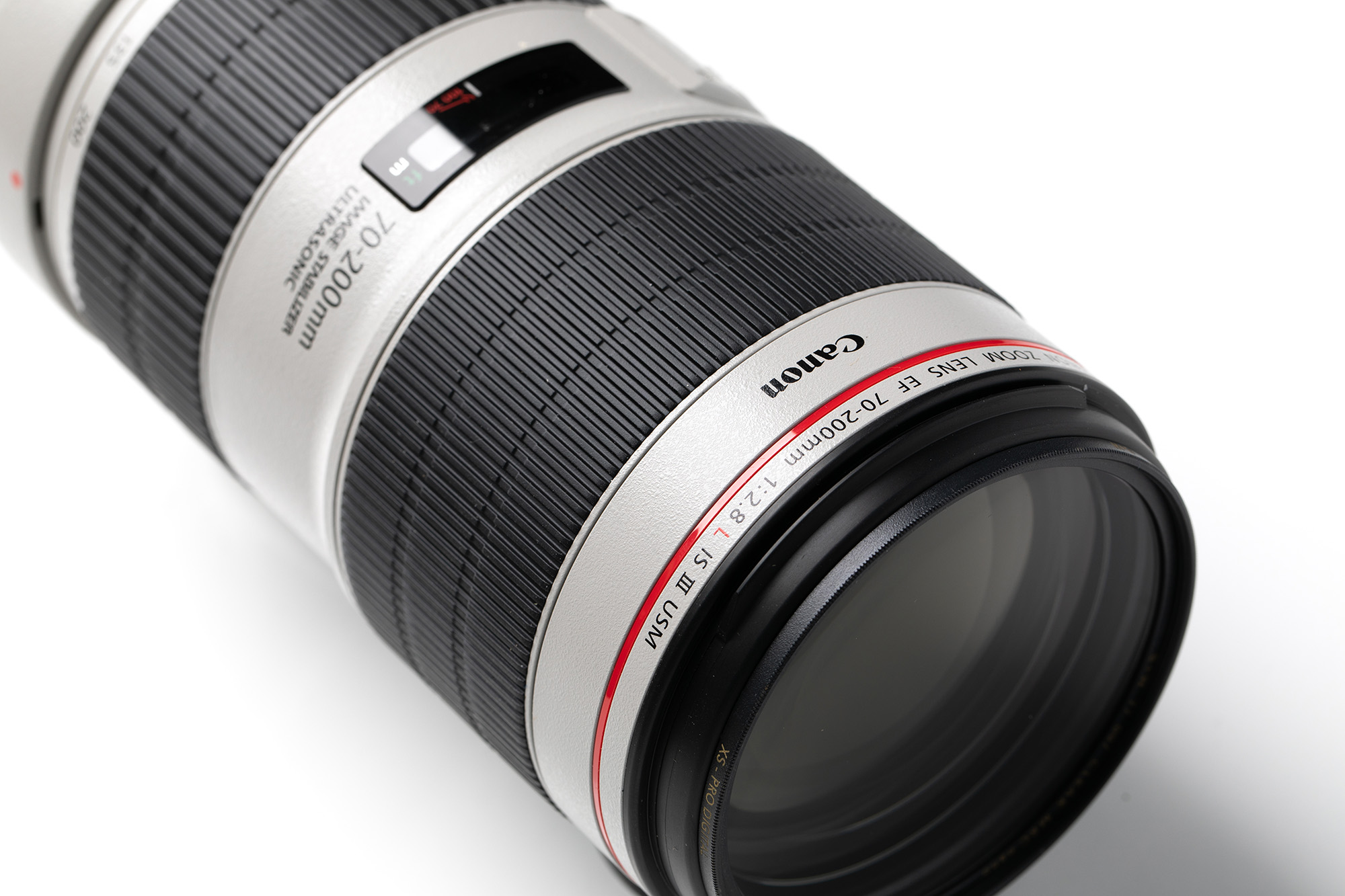
The Canon 70-200mm f/2.8L IS III features the white paint job that many have come to familiarize themselves with Canon telephoto lenses – but this white is a little brighter than previous versions. Additionally, the Canon 70-200mm f/2.8L IS III features image stabilization, giving you 3.5 added stops of stabilization, with 23 pieces of glass in 19 groups. In short, this is a complicated lens, as Roger explained in his recent teardown of the Canon 70-200mm f/2.8L IS III and II versions of this lens.
Build Quality
The build quality is what you’d expect for this lens, really great. There is a reason why the large majority of photographers would agree that if you only had two lenses in your camera bag, this should be one of them (with the other likely being the Canon 24-70mm f/2.8L II). And for that reason, this lens is continuously topping our lists of the most common rentals, years after year. And these reasons aren’t solely because of its extremely versatile focal length; these lenses are built great – but have some complications that may skew the numbers.
If you’ve been a longtime reader of this blog, you may have seen our repair data from previous years. Time and time again, the Canon 70-200mm f/2.8L IS II is on the top ten of these lists, and we expect the new version to be no exception. With an average of 42 weeks until failure on our rental reports in 2013, one might suspect that that is an indication of poor build quality – but those numbers are a bit more complicated than that. First, the 70-200mm focal length, in particular, is one of the most complex lens designs on the market, filled to the brim with optics, sensors, electronics and an IS system. Generally speaking, the more complex the lens design, the more likely to fail. This is evident when you see that all 70-200mm lenses are more prone to failure, not just Canon. Secondly, these numbers come from lenses that are usually more heavily used, though there is no way to prove this on a statistical basis. Generally, if someone is renting a Canon 70-200mm f/2.8L IS II for the weekend, we can suspect they’re shooting a wedding, and plan on using the lens more frequently, and more aggressively than someone who might rent a tilt-shift for the weekend.
Comparing to the Canon 70-200mm f/2.8L IS II
Here is where I really struggled with this lens. To just spoil the next few paragraphs, they’re nearly identical lenses. Yes, you heard right, Canon has essentially slapped a new paint job on the lens and re-released the 8-year-old 70-200mm f/2.8L IS II. They also added fluorine coating to the front and rear elements, which make them easier to clean – but also make them more fragile according to Roger’s reports in his teardown. They also added Air Sphere Coating, to help reduce flaring and ghosting. Finally, they moved some badging around on the lens, making the design more visually cleaner.
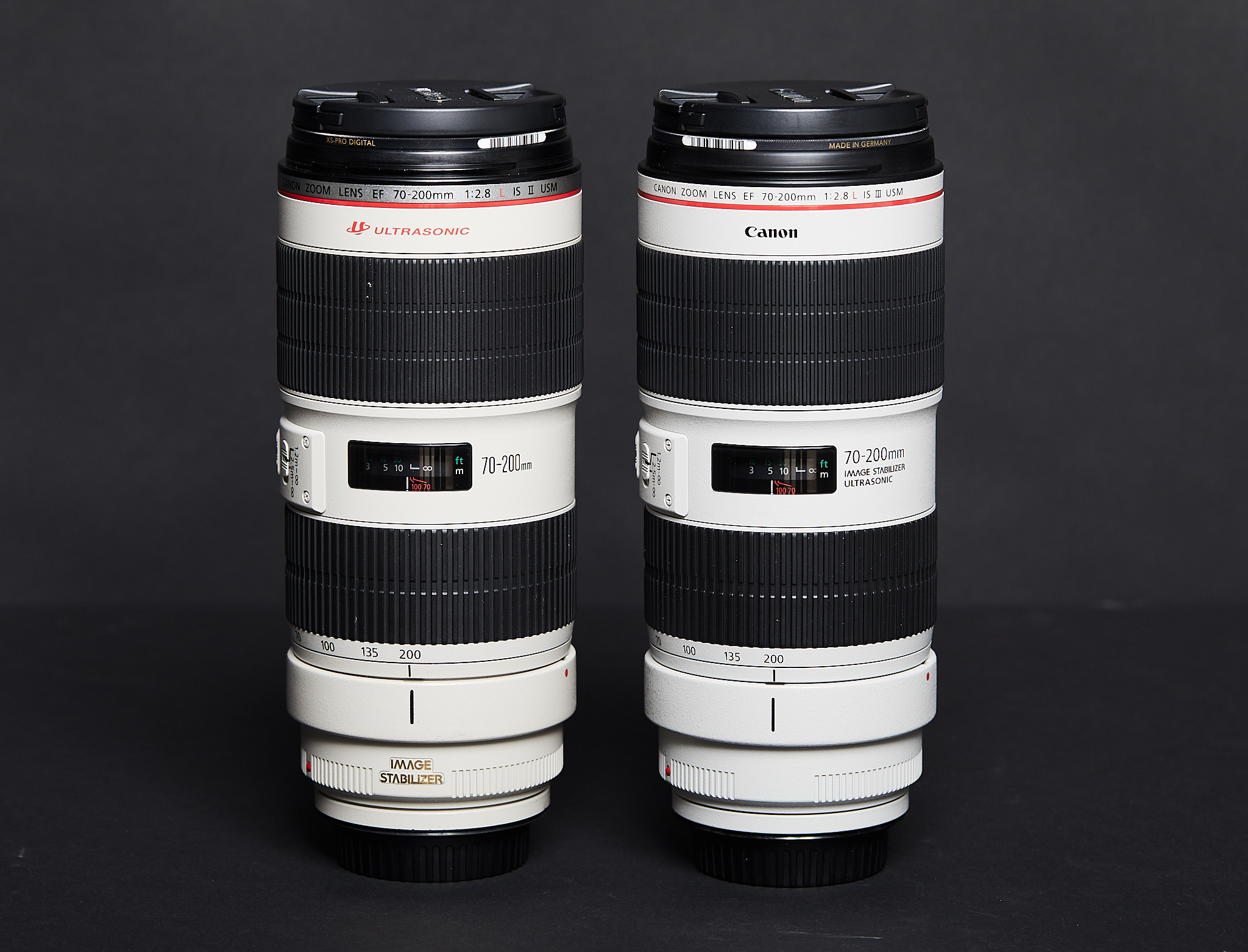
But optically, they’re identical. The image stabilization system? Identical. Roger chose not to put the new version on the optics bench, because as you can guess, the results would be identical. It is worth noting that the original release price of these two lenses is identical (though currently, you can get $300 off the price of the Version II of this lens). So with all this sameness, one has to question the moral integrity of Canon’s release of the new/old lens.
While Canon has been pretty open with their identical lens design as the previous version (at least on a spec sheet), they did fail to make mention of it in their original press release. While there is no guideline as to what justifies a new release and additional roman numeral notch on the front of the barrel, many Canon users look at this as nothing more than a cash grab from Canon, while hurting the resale value of the Canon 70-200mm f/2.8L IS II on the used market. Though my cynicism was set aside after talking to Roger, who had a more pragmatic approach. Roger states – “I think in this case Canon has moved to the new coatings for all glass. The ‘air coating’ thing is mostly a new type of cement and cementing is a very high volume thing, so if the factory changed over to that they basically have to start making the 70-200 elements the same way. So I suspect the thinking went ‘if we don’t rename it, people will be pissed about other people getting new coatings on their old lens and ask for free upgrades. So I think this was the simplest thing to do: they had to change coatings, they didn’t want a million people asking for free upgrades, and they were pretty open about how minor the changes were. ” But while these two lenses are identical on a lens construction, let’s test the new, and in particular, the Air Sphere Coating that is designed to reduce flaring and ghosting.
Testing the Flair Coating
There isn’t a real scientific method to test this, so I just did this to the best of my ability. Setting my camera on a tripod aimed at different angles to a fully powered Profoto B1 strobe light on a black background, I shot photos both with the Canon 70-200mm f/2.8L IS II and the new Canon 70-200mm f/2.8L IS III with the UV filters removed to test the flaring control of the lens. The results were minimal – while haze caused by flaring has been reduced by quite a lot, there is still a lot of coloration issues. For me personally, I typically don’t mind the haze, as it will often give the effect I’m trying to create when shooting against the sun. Color shifts is another story.
Testing the strobe at a variety of different angles, I found that the new coating seemed to reduce flaring the most at the 200mm focal length, and had little effect on shots from 70mm-120mm. However, I admit I was a bit aggressive with these tests, and this coating, at least in theory, may save a shot that would otherwise be unusable with the previous version.
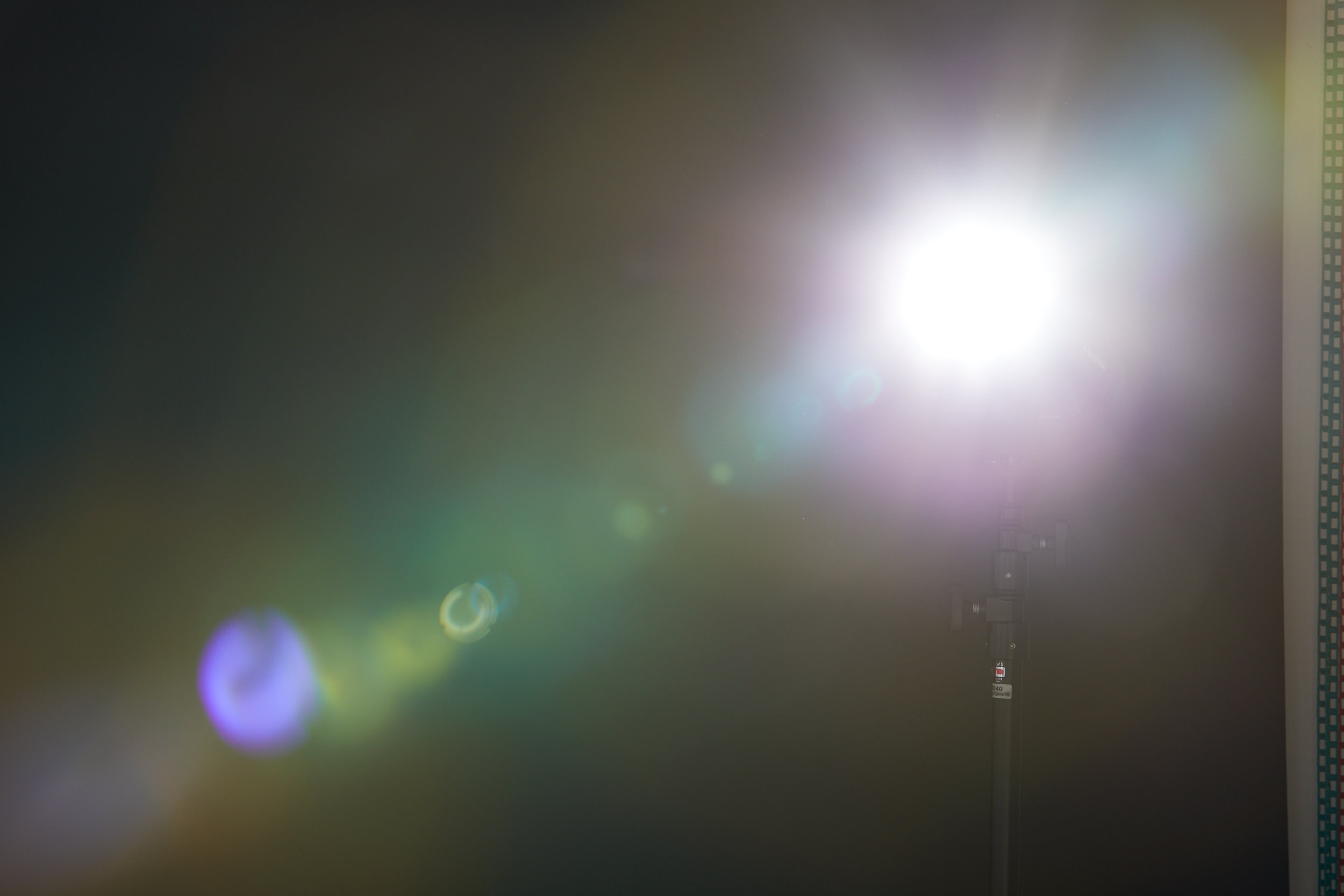
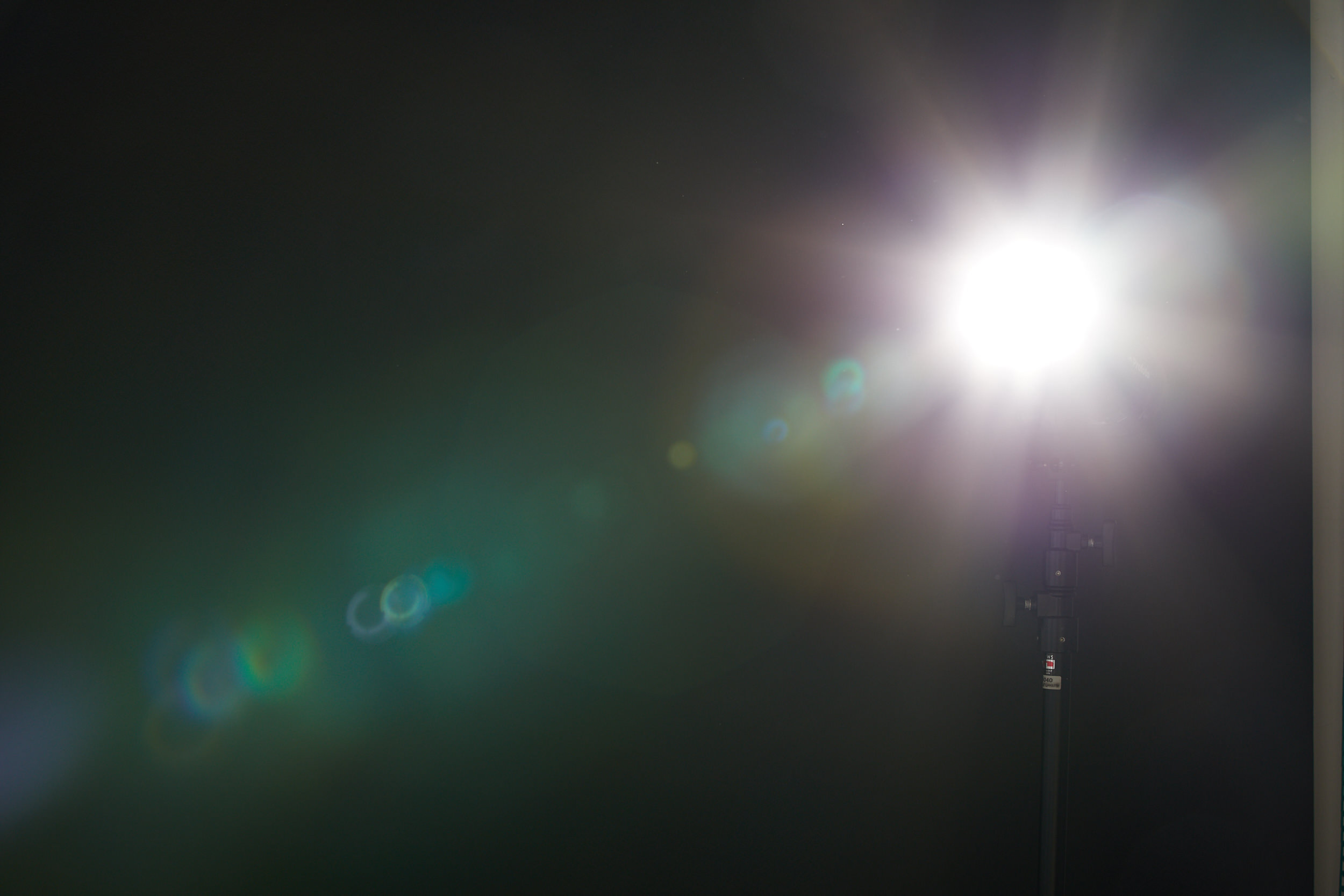

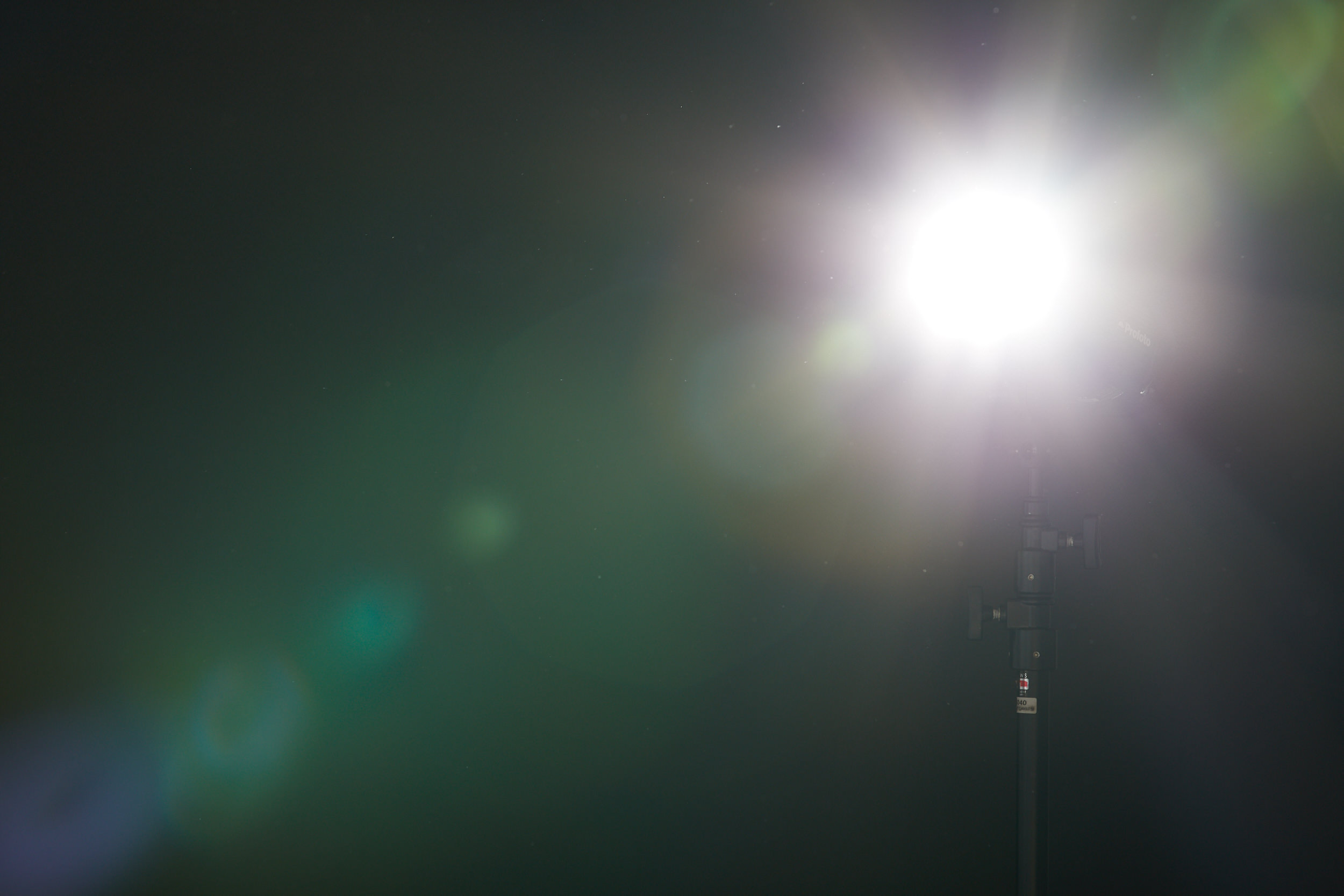
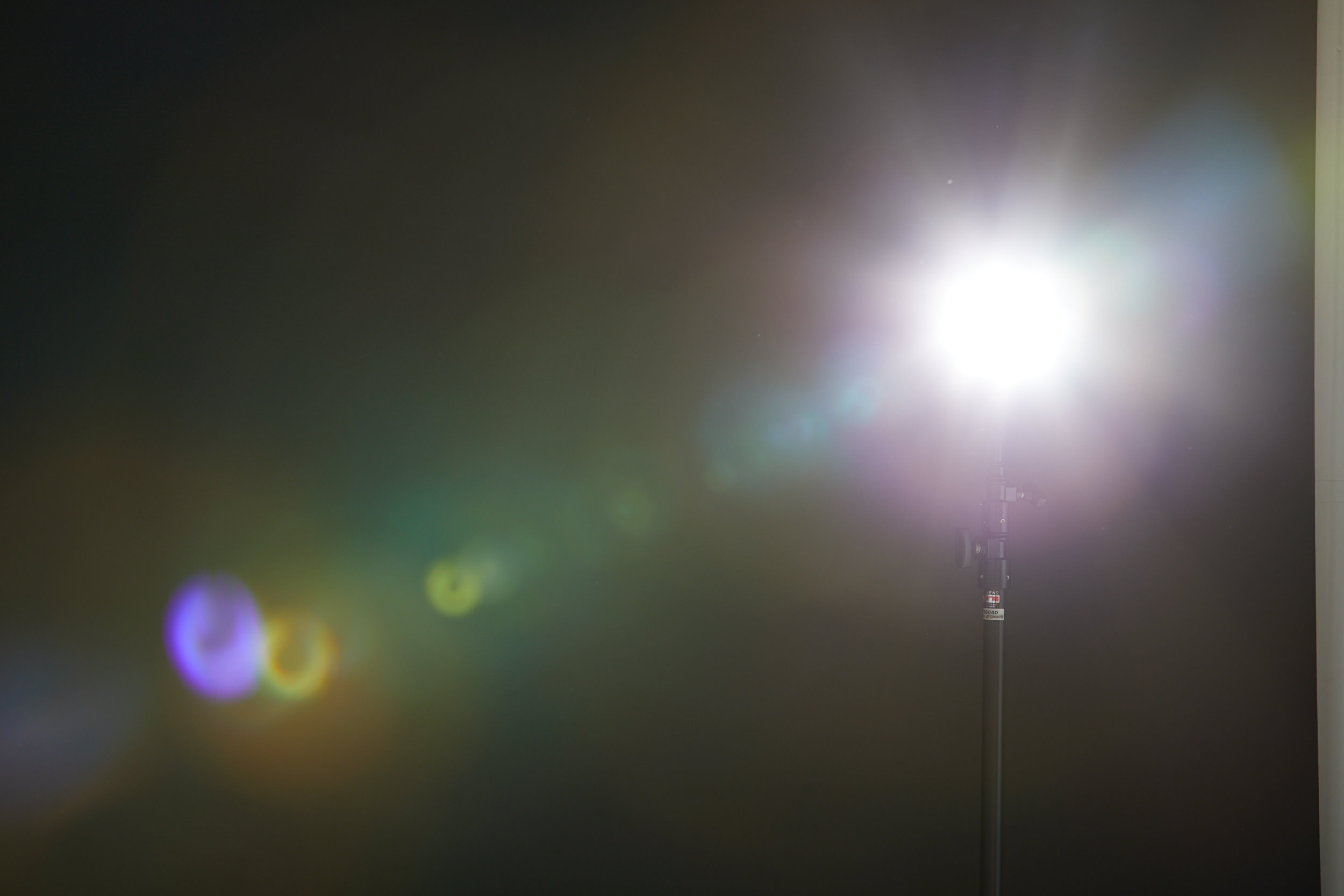
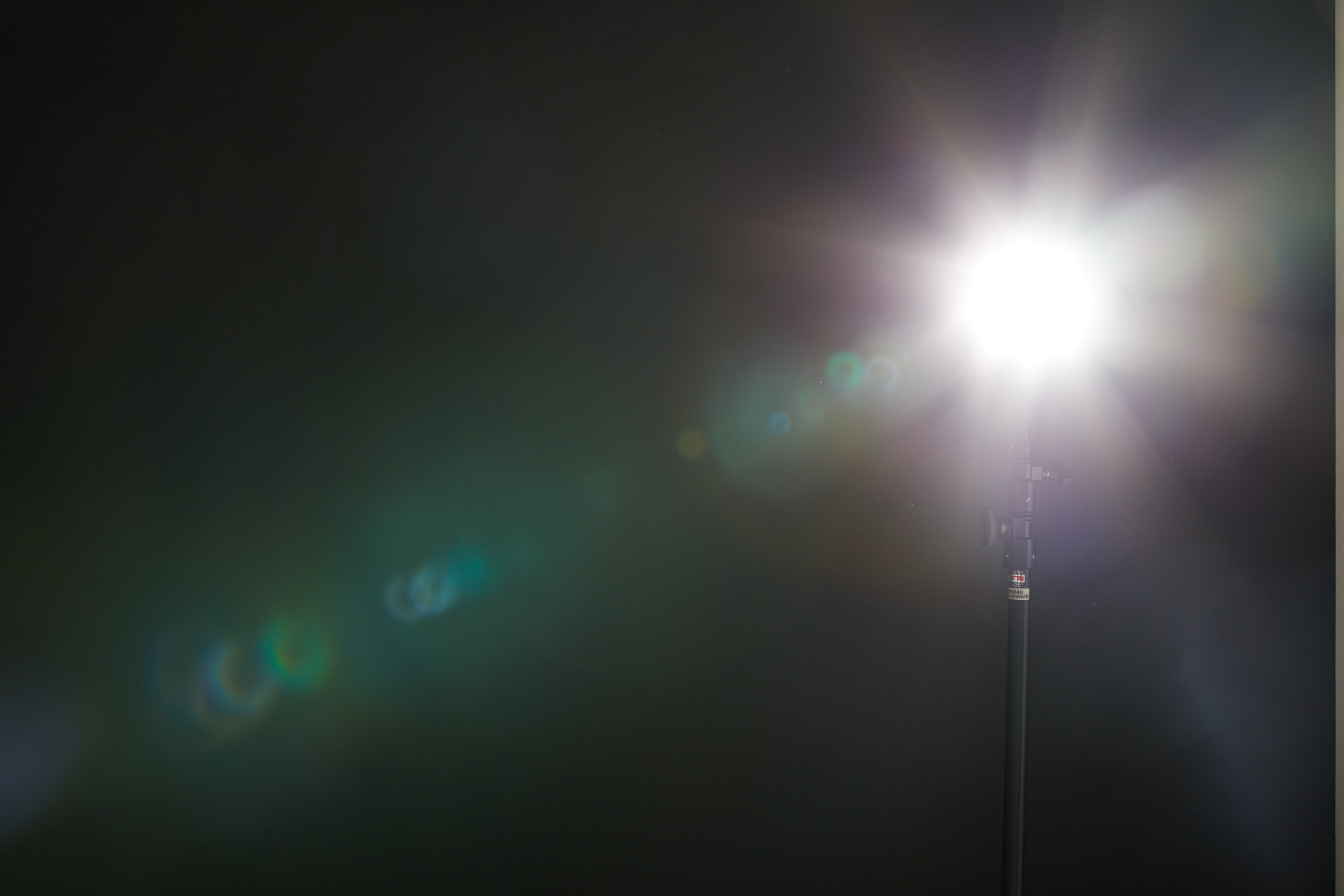


So is it worth the upgrade? It’s hard to say. The lenses are identical in construction and sharpness, and the reduced flaring works better on a marketing level than in person. If you don’t have a 70-200mm, then this new one would be worth the purchase. But if you already own the version II of this lens, it probably makes a lot of sense to hold on to it, as the used market prices on it will drop once the new version comes more prevalent. But I’d like to know your thoughts – is this new release justified? Or is it just a cash grab by Canon? Let us know what you think in the comments below.
58 Comments
Tran Khanh Vinh An ·
That flare suppression is quite dramatic imo.
Michael Clark ·
I’ve seen other tests, usually outdoors under direct sunlight, where it seemed to make more of a difference. Like many things coating related, it only makes a difference if you shoot in a lighting situation where it actually makes a difference.
Michael Clark ·
I've seen other tests, usually outdoors under direct sunlight, where it seemed to make more of a difference. Like many things coating related, it only makes a difference if you shoot in a lighting situation where it actually makes a difference.
Ian Goss ·
“The results were minimal”. In English?
minimal |?m?n?m(?)l|
adjective
1 of a minimum amount, quantity, or degree; negligible: the aircraft suffered minimal damage | production costs are minimal.
2 Art characterized by the use of simple forms or structures, especially geometric or massive ones.
• characterized by simplicity and lack of adornment or decoration: minimal, simple evening dresses in luxurious fabrics.
3 Music characterized by the repetition and gradual alteration of short phrases.
4 Linguistics (of a pair of forms) distinguished by only one feature: ‘p’ and ‘b’ are a minimal pair, distinguished by the feature of voicing.
Ian Goss ·
“The results were minimal”. In English?
minimal |ˈmɪnɪm(ə)l|
adjective
1 of a minimum amount, quantity, or degree; negligible: the aircraft suffered minimal damage | production costs are minimal.
2 Art characterized by the use of simple forms or structures, especially geometric or massive ones.
• characterized by simplicity and lack of adornment or decoration: minimal, simple evening dresses in luxurious fabrics.
3 Music characterized by the repetition and gradual alteration of short phrases.
4 Linguistics (of a pair of forms) distinguished by only one feature: ‘p’ and ‘b’ are a minimal pair, distinguished by the feature of voicing.
Goran Škrlec ·
I hope you did not test the flare with those protector filters on.
On the photographs of these lenses, it is clear that the protective filters are mounted on them.
In my opinion, such results are incorrect, but despite this, the difference is all but minimal.
Zach Sutton Photography ·
I removed the UV filters and hood before testing the flaring.
Goran Škrlec ·
Thank you for making this clear.
Graham Goodman ·
Forget $300 difference between a new II and III. I’ve just bought a II for £600 less than the same retailer is asking for a III. I’d been looking to upgrade my non-IS version for a while. Gone for a II as there is now way any reduced second hand value is going to exceed that difference.
Michael Clark ·
Had not the “III” been introduced, you’d have never gotten such a good price on a new “II”. The dealer is eating any difference between the “instant rebate” Canon provides them and the larger discount they gave you.
Graham Goodman ·
Forget $300 difference between a new II and III. I've just bought a II for £600 less than the same retailer is asking for a III. I'd been looking to upgrade my non-IS version for a while. Gone for a II as there is now way any reduced second hand value is going to exceed that difference.
Michael Clark ·
Had not the "III" been introduced, you'd have never gotten such a good price on a new "II". The dealer is eating any difference between the "instant rebate" Canon provides them and the larger discount they gave you.
Chik Sum ·
The difference seems acceptable for new buyers to go for the new version. But I think what will hurt the sales most for this lens is the release of the new RF mount system, though Canon officially stated they will keep the EF line survive in foreseeable future, one would start thinking the EF line will go obsolete and the resell value of these great pieces of lens will diminish, so I bet quite a few will hold up longer and see how the market for DSLR goes
YS ·
The difference seems acceptable for new buyers to go for the new version. But I think what will hurt the sales most for this lens is the release of the new RF mount system, though Canon officially stated they will keep the EF line survive in foreseeable future, one would start thinking the EF line will go obsolete and the resell value of these great pieces of lens will diminish, so I bet quite a few will hold up longer and see how the market for DSLR goes
Dragon ·
No, not a cash grab, but rather an excuse to discount the II model to be more competitive. Canon has done this with a number o items recently. They continue to sell essentially new (if not completely new without the pretty box) stuff on the refurb site for very aggressive prices. I have gotten a bunch of stuff there and never a lemon. The f/4 model is definitely an upgrade, but expect the original model of the f/4 to stay in production and compete more or less directly with third party offerings (and the original model is a damn good lens). Canon doesn’t stay on the top of the heap by accident.
Michael Clark ·
The original f/4 IS model is no longer in production. However, it will remain in Canon’s catalog until existing stocks are sold off. That could be many months or even a few years.
Canon tends to make lenses in large blocks and then wait a few months (in some cases of lower volume lenses, even years) between batches. This allows them to spend less down time switching over the tooling for production lines from one lens to another. That could be many months or even a few years for some lenses. There have been certain low volume Canon lenses with no documented examples in the wild with date codes for 2-3 years at a time. In other words, there are examples of a certain lens with date codes in, say, the first couple of months of 2011, then no more examples until a couple of months in the middle of 2013 or 2014.
Dragon ·
I understand your manufacturing points, but not sure what f/4 has to do with f/2.8 discussion. Currently, the f/2.8 II is being much more aggressively discounted than the original f/4 IS, which is exactly what I suggested above. The facelift was a way to make the f/2.8 II model more competitive with Sigma and Tamron.
Michael Clark ·
You brought up the original f/4 model in your comment, stating that it was still in production. It is not. It’s still in the catalog until existing stocks are depleted, then it will be discontinued.
Dragon ·
Sorry, I was not crystal clear in my original statement. My point was aimed at the f/2.8 II vs III models and their similarity, and I realize the 2.8 II may soon be out of production as well, but I suspect there is a large inventory to clear and the III model allows the II model to be heavily discounted to compete with Tamron and Sigma without affecting the ASP of the current model. The III may also be built in a more automated facility for better consistency and we may get that insight when Roger gets around to testing a batch of them.
Michael Clark ·
You brought up the original f/4 model in your comment, stating that it was still in production. It is not. It's still in the catalog until existing stocks are depleted, then it will be discontinued.
Dragon ·
No, not a cash grab, but rather an excuse to discount the II model to be more competitive. Canon has done this with a number o items recently. They continue to sell essentially new (if not completely new without the pretty box) stuff on the refurb site for very aggressive prices. I have gotten a bunch of stuff there and never a lemon. The f/4 model is definitely an upgrade, but expect the original model of the f/4 to stay in production and compete more or less directly with third party offerings (and the original model is a damn good lens). Canon doesn't stay on the top of the heap by accident.
Michael Clark ·
The original f/4 IS model is no longer in production. However, it will remain in Canon's catalog until existing stocks are sold off. That could be many months or even a few years.
Canon tends to make lenses in large blocks and then wait a few months (in some cases of lower volume lenses, even years) between batches. This allows them to spend less down time switching over the tooling for production lines from one lens to another. That could be many months or even a few years for some lenses. There have been certain low volume Canon lenses with no documented examples in the wild with date codes for 2-3 years at a time. In other words, there are examples of a certain lens with date codes in, say, the first couple of months of 2011, then no more examples until a couple of months in the middle of 2013 or 2014.
AStarbucks ·
Cash grab. Its not only if they released this version at a lower price than the Mk II when it launched years ago.
A medium tele zoom like this is hardly a flare magnet. For practical purposes, this is not a lens that flares unintentionally. If it flares like this, the photog intended it for its dramatic effect and would have deliberately pointed it at a harsh/strong light. I have had Mk I and II so I know. As the writer showed, it was aggressively pointed at a strobe for heaven’s sakes!
If so the spherical blob flaring of the Mk II is actually more dramatic and nicer. It would be different if the new coatings completely eliminated flare in the test, which is not realistically possible anyway.
Michael Clark ·
How is selling the “III” for the same price the “II” sold for over the better part of eight years (when yen to USD exchange rates are factored in) a cash grab? How is selling the “II” now for a reduced price, allowing many to buy a new “II” at a lower price than they could have if the “III” had not been introduced a cash grab?
Michael Clark ·
The EF 70-200mm f/2.8 L IS II launched in the U.S. in March, 2010 with a list price of $2,399.
The EF 70-200mm f/2.8 L IS III launched in the U.S. in August, 2018 with a list price of $2,099.
Isn’t $2,099 in 2018 dollars less than $2,399 in 2010 dollars?
AStarbucks ·
Cash grab. Its not only if they released this version at a lower price than the Mk II when it launched years ago.
A medium tele zoom like this is hardly a flare magnet. For practical purposes, this is not a lens that flares unintentionally. If it flares like this, the photog intended it for its dramatic effect and would have deliberately pointed it at a harsh/strong light. I have had Mk I and II so I know. As the writer showed, it was aggressively pointed at a strobe for heaven's sakes!
If so the spherical blob flaring of the Mk II is actually more dramatic and nicer. It would be different if the new coatings completely eliminated flare in the test, which is not realistically possible anyway.
Michael Clark ·
How is selling the "III" for the same price the "II" sold for over the better part of eight years (when yen to USD exchange rates are factored in) a cash grab? How is selling the "II" now for a reduced price, allowing many to buy a new "II" at a lower price than they could have if the "III" had not been introduced a cash grab?
Michael Clark ·
The EF 70-200mm f/2.8 L IS II launched in the U.S. in March, 2010 with a list price of $2,399.
The EF 70-200mm f/2.8 L IS III launched in the U.S. in August, 2018 with a list price of $2,099.
Isn't $2,099 in 2018 dollars less than $2,399 in 2010 dollars?
ccsix ·
So what about AF performance? Sound, speed, accuracy? Video vs stills for the aforementioned? Seems like a glaring omission of this review users of this lens are all over the spectrum of photography disciplines and this review leaves us short.
???? ·
its all the same..
Olandese Volante ·
The AF performance of a Canon L lens need not be discussed.
John MacLean Photography ·
I’ve had all the 70-200 2.8L’s up to the v.II, and previously the black barrel 80-200 2.8L back in 1991. I’m not sure it would be worth the cost to sell and upgrade to the v.III. I don’t encounter too much adverse flare, but sometimes even just a soft-lit sky backlighting a landscape can become problematic.
John MacLean Photography ·
I've had all the 70-200 2.8L's up to the v.II, and previously the black barrel 80-200 2.8L back in 1991. I'm not sure it would be worth the cost to sell and upgrade to the v.III. I don't encounter too much adverse flare, but sometimes even just a soft-lit sky backlighting a landscape can become problematic.
Trader Stocks ·
Where are the MFT charts?
Biggiesized ·
Re-read the article.
Trader Stocks ·
Buddy, i don’t want read it’s the same sharpness as the last gen. I want to see numbers and squiggly lines.
Brandon Dube ·
If you want to hire us to test it, that will be $250 per lens, at ten lenses, $2500 for your sqiggly lines. Otherwise, the identical optical assemblies inside are a sufficient indicator that it is a waste of our time to test it for ourselves.
Carleton Foxx ·
Don’t tell people you’ll test their lenses for $250 unless you want a mountain of UPS boxes at your back door on Monday morning from people with lens OCD.
Brandon Dube ·
It’s $125 for a prime…
Carleton Foxx ·
Don't tell people you'll test their lenses for $250 unless you want a mountain of UPS boxes at your back door on Monday morning from people with lens OCD.
Brandon Dube ·
It's $125 for a prime...
Michael Hickey ·
So the new coatings don’t affect the squiggly lines?
Michael Hickey ·
So the new coatings don't affect the squiggly lines?
Trader Stocks ·
Buddy, i don't want read it's the same sharpness as the last gen. I want to see numbers and squiggly lines.
חתול ·
its all the same..
Unrest ·
Buy a D850 and the 70-200 2.8 E FL and be happy with the best.
Michael Clark ·
For those of us who were around when the EOS 1D Mark II was superseded by the EOS 1D Mark IIn, perhaps it would have been clearer just how minimal the differences are by naming the new lens the EF 70-200mm f/2.8 L IS IIn?
On the other hand, Canon’s lens naming conventions have always been fairly “clean” compared to the morass of their body naming complications.
If folks can’t get it through their skulls that no lens Canon has ever released has a Roman numeral “I” nor the word “Mark” in the name, calling a lens the “IIn” version would probably make some heads explode!
Michael Clark ·
For those of us who were around when the EOS 1D Mark II was superseded by the EOS 1D Mark IIn, perhaps it would have been clearer just how minimal the differences are by naming the new lens the EF 70-200mm f/2.8 L IS IIn?
On the other hand, Canon's lens naming conventions have always been fairly "clean" compared to the morass of their body naming complications.
If folks can't get it through their skulls that no lens Canon has ever released has a Roman numeral "I" nor the word "Mark" in the name, calling a lens the "IIn" version would probably make some heads explode!
Michael Clark ·
It’s not a cash grab when they’re selling the “III” for the same list price as the “II” was selling for several years (when changes in the exchange rate between the yen and USD are taken into account) up until about 6 weeks before the switch. When they started giving $300 instant rebates trying to move existing stocks of the “II” out of inventories, it has given a lot of folks the opportunity to get a new “II” cheaper than they otherwise could have had not the “III” been introduced. How is selling the “II” at a $300 discount a cash grab?
Eventually the “new” will wear off the “III” and it will see periodic rebates during special promotions throughout the yearly cycle, just as the “II” did.
While it is true that the resale value of a used “II” has dropped with the introduction of the “III”, Canon gains absolutely no economic benefit whatsoever from the reduced market value of existing used EF 70-200mm f/2.8 L IS II lenses.
Michael Clark ·
It's not a cash grab when they're selling the "III" for the same list price as the "II" was selling for several years (when changes in the exchange rate between the yen and USD are taken into account) up until about 6 weeks before the switch. When they started giving $300 instant rebates trying to move existing stocks of the "II" out of inventories, it has given a lot of folks the opportunity to get a new "II" cheaper than they otherwise could have bought one had not the "III" been introduced. How is selling the "II" at a $300 discount a cash grab?
Eventually the "new" will wear off the "III" and it will see periodic rebates during special promotions throughout the yearly cycle, just as the "II" did.
While it is true that the resale value of a used "II" has dropped with the introduction of the "III", Canon gains absolutely no economic benefit whatsoever from the reduced market value of existing used EF 70-200mm f/2.8 L IS II lenses. The drop in value of used "II" lenses is less, percentage wise, than the drop in the value of used "L" glass in general was two or three years ago when the plunging value of the yen against the USD caused Canon USA to drop the list prices of many "L" lenses to discourage gray market importation of "L" lenses into the U.S. from Hong Kong.
Jack A Meadows ·
Personally I’m happy that they came out with the upgrade. I just picked up a Version II in great condition for 1k. And since they didn’t raise the price at all, I don’t see how this could be a cash grab by Canon? In the end we’re getting a lens with better coatings, for the same price of the old version not long ago. And if don’t want those coatings, we can just get a version II for less! Yes it does somewhat suck for the guys who already owned a version II, but in reality that just the game of camera equipment; and it had already been 8 years! In the end, I think this was a great addition to the lineup instead of some new RF mount monstrosity that would have sold for some exorbitant price. That will be coming out in the next few years though I bet!
Alex ·
I look at this as a maintenance upgrade. What I mean by that is that if I sell my version II for $1400… Which is about what I’d get on the market right now… It’s neutral with sending that lens in for a CLA to Canon, e.g, $600 between shipping and the CLA cost back and forth. So for me, the version II has been perfect for years and it’s probably budget neutral to sell it as is, skip the CLA, and buy the new version. In a strange way, it’s a positive return on lens spend. But again, mine is probably due for a CLA. If you just bought the version II or yours is in perfect condition with no CLA in sight, I’d hold off.
Alex ·
I look at this as a maintenance upgrade. What I mean by that is that if I sell my version II for $1400... Which is about what I'd get on the market right now... It's neutral with sending that lens in for a CLA to Canon, e.g, $600 between shipping and the CLA cost back and forth. So for me, the version II has been perfect for years and it's probably budget neutral to sell it as is, skip the CLA, and buy the new version. In a strange way, it's a positive return on lens spend. But again, mine is probably due for a CLA. If you just bought the version II or yours is in perfect condition with no CLA in sight, I'd hold off.
disqus_Wz58Qq14ii ·
On B&H the version II cost more than the version III… Makes no sense to me.
disqus_Wz58Qq14ii ·
On B&H the version II cost more than the version III... Makes no sense to me.
Michael Hickey ·
I upgraded from the version II to the version III a few weeks ago. Why? I got the version II on day one of release and after so many years, it was beat to hell. It was time. No regrets.
Jupp ·
Thanks for the report of the Lenses. Canon wrote somthing about an improved RF compatibility in the first note of the lense. I had done some investigation of the communication protocol – especialy the lense rest/pwr-up situation. I found out that the behavior at startup of the version III is different from the Version II. I was not able to decode the byte stream who is exchanges between the lense and body, but it’s different if an eos-r is used. The newer Version III seems to use an extended command set and support a faster transmission in case of an eos-r.
Did you ever checked the used microcontroller on the pcb if this was maybe changed?
Jupp ·
Thanks for the report of the Lenses. Canon wrote somthing about an improved RF compatibility in the first note of the lense. I had done some investigation of the communication protocol - especialy the lense rest/pwr-up situation. I found out that the behavior at startup of the version III is different from the Version II. I was not able to decode the byte stream who is exchanges between the lense and body, but it's different if an eos-r is used. The newer Version III seems to use an extended command set and support a faster transmission in case of an eos-r.
Did you ever checked the used microcontroller on the pcb if this was maybe changed?