
I Traded My Full-Frame Kit For A Sony RX100 VI, Here’s What I Learned
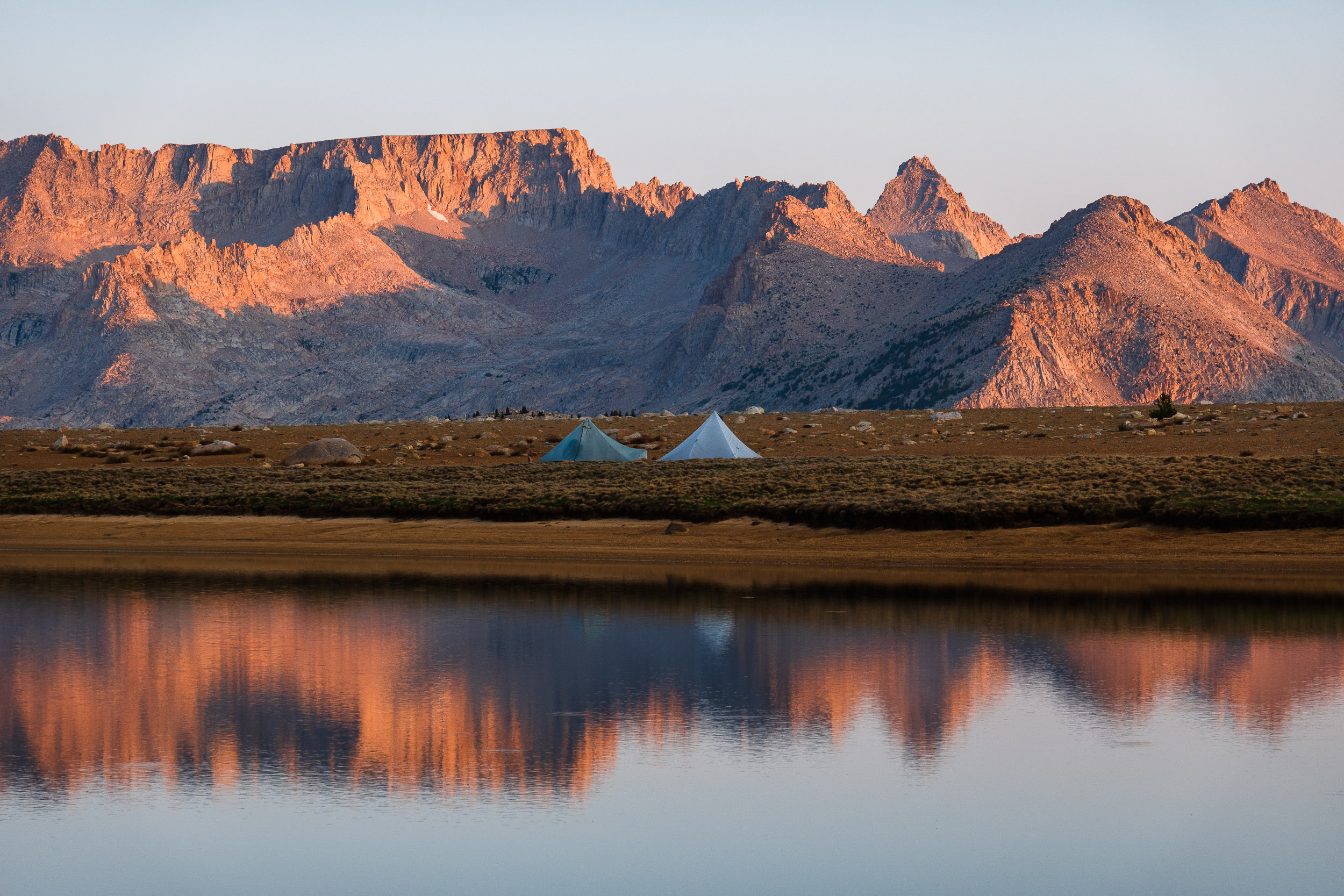
This is the story of that time I, an obsessed pixel-peeper, decided to leave all my exotic full-frame cameras and lenses at home, and instead bring a Sony RX100 VI on a week-long backpacking trip in the High Sierra of California.
About Me
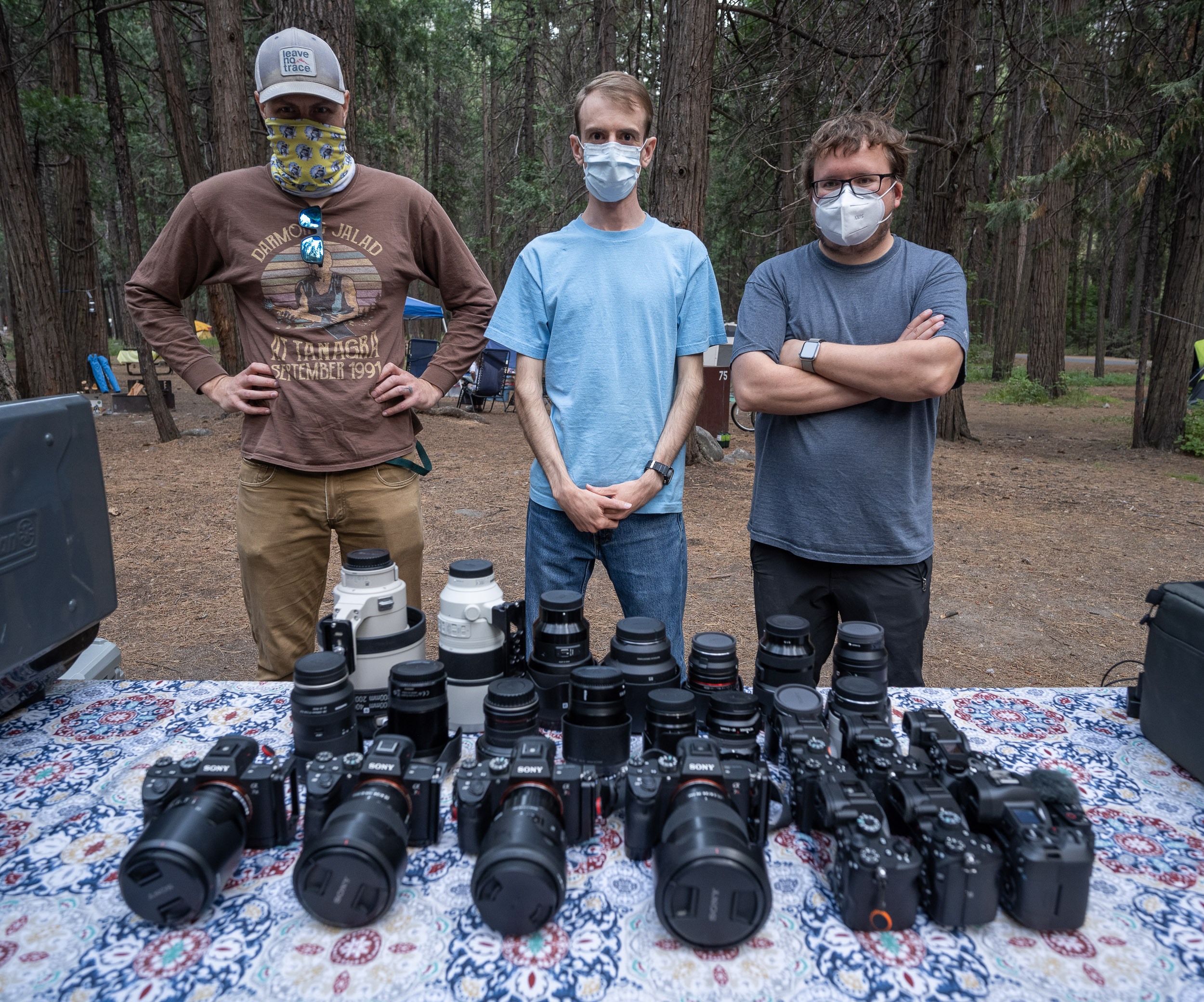
Hello, I’m Matthew Saville! I’ve contributed to the Lensrentals blog a couple of times in the past. I am now a full-time photography gear reviewer and tutorial/content creator. Thanks to the circumstances of 2020, I am a “mostly retired” wedding photographer after 15 years. (I don’t miss it!).
I am a huge pixel-peeper. I’ve been obsessed with testing the image quality of both lenses and sensors for as long as I’ve owned a DSLR, starting with a Nikon D70 in 2004.
The genres of photography I like are often highly demanding of both sensors and lenses, whether it is traditional landscape photography where I am pushing the limits of sensor dynamic range or nightscape photography at wide-open apertures where I lose my cool over the slightest bit of field curvature or coma/astigmatism.
I also like to capture time-lapse videos, both day and night, which means that bracketing exposures (for dynamic range) is often impossible, and using high ISOs (even when I hope to make really big prints) is inevitable.
In short, I like to push cameras and lenses to their limits, and I have high enough standards that I’ve thoroughly enjoyed Lensrentals articles by Roger which showcase OLAF data, especially for exotic wide-angle lenses. In the coming months, I will be publishing my own in-depth technical reviews, comparisons, and insights. I hope to use real-world photography conditions to showcase which lenses and cameras are truly “the best”. In the meantime, however, let’s find out what happens when I leave all that gear at home, and just try to survive a whole week in the mountains.
Despite my affinity for the best full-frame sensors and the sharpest, fastest lenses, I like to get as far off the beaten path as possible so that I can capture unique landscape & nightscape imagery, instead of just hitting all the popular roadside hotspots. This often means that I carry 2-4 camera bodies and 5-7 lenses deep into the wilderness, sometimes hiking up to 10 miles a day with a 50-60+ lb (27+ kg) backpack. I usually have a very specific project or subject to capture, such as an eclipse, comet, or other special phenomena.
Last summer, I barely survived a mere 3-day backpacking trip because I foolishly lugged multiple full-frame bodies and numerous exotic lenses through the backcountry of Yosemite National Park, without trying to get in shape first.
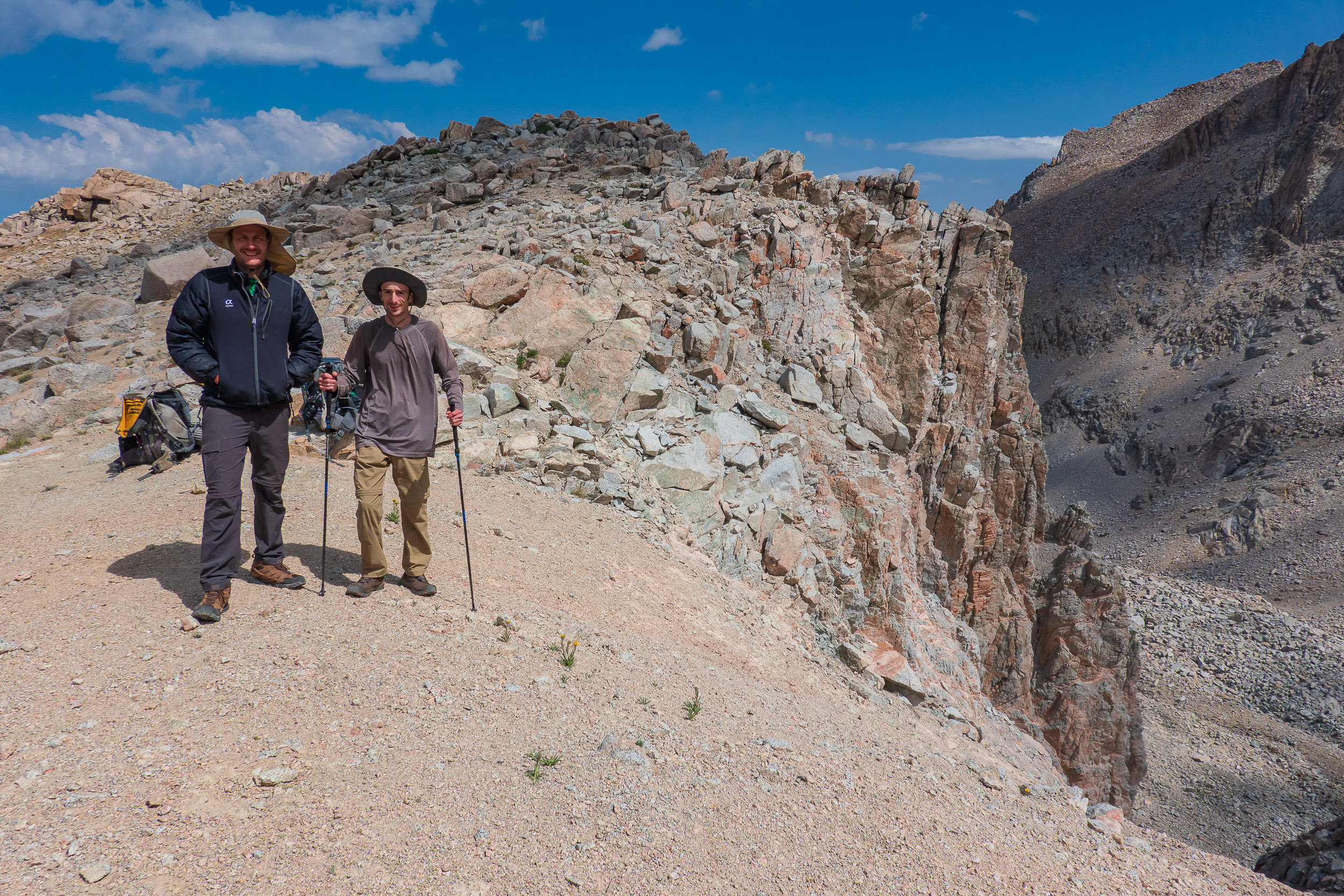
This summer, my objective was very different. I had 80 miles to hike in 7 days, and a lot of it would be up at high altitudes above 10K ft. (~3K m) Some of it would be off-trail, involving route-finding and some sketchy mountain passes. So, I decided to leave all my big full-frame gear at home, and only bring a Sony RX100 VI camera, and “make do” with its 24-200mm equivalent, f/2.8-4.5 lens, and 2.7x crop (1” type) sensor.
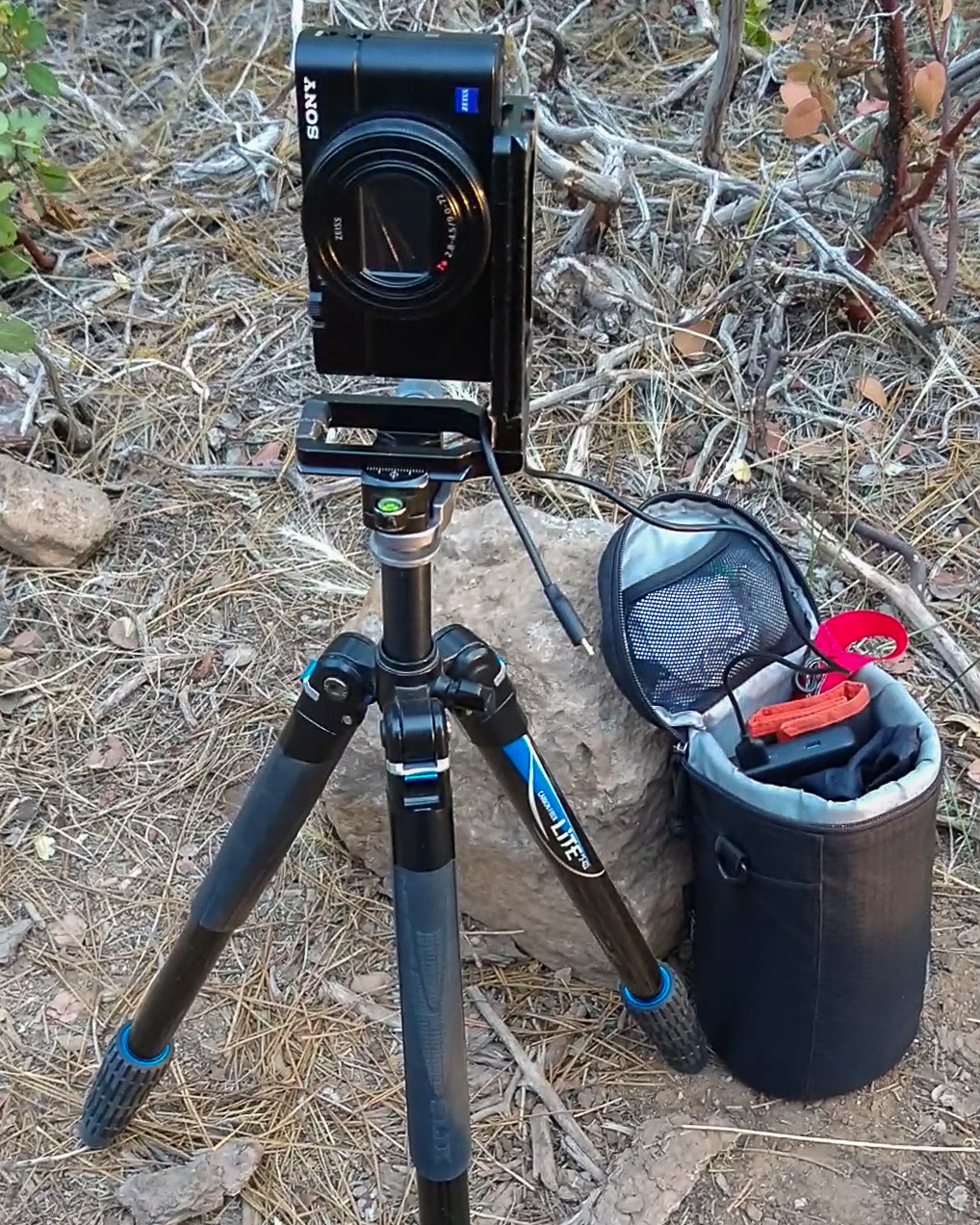
(It is discontinued; check out the Slik Pro CF 634 instead.)
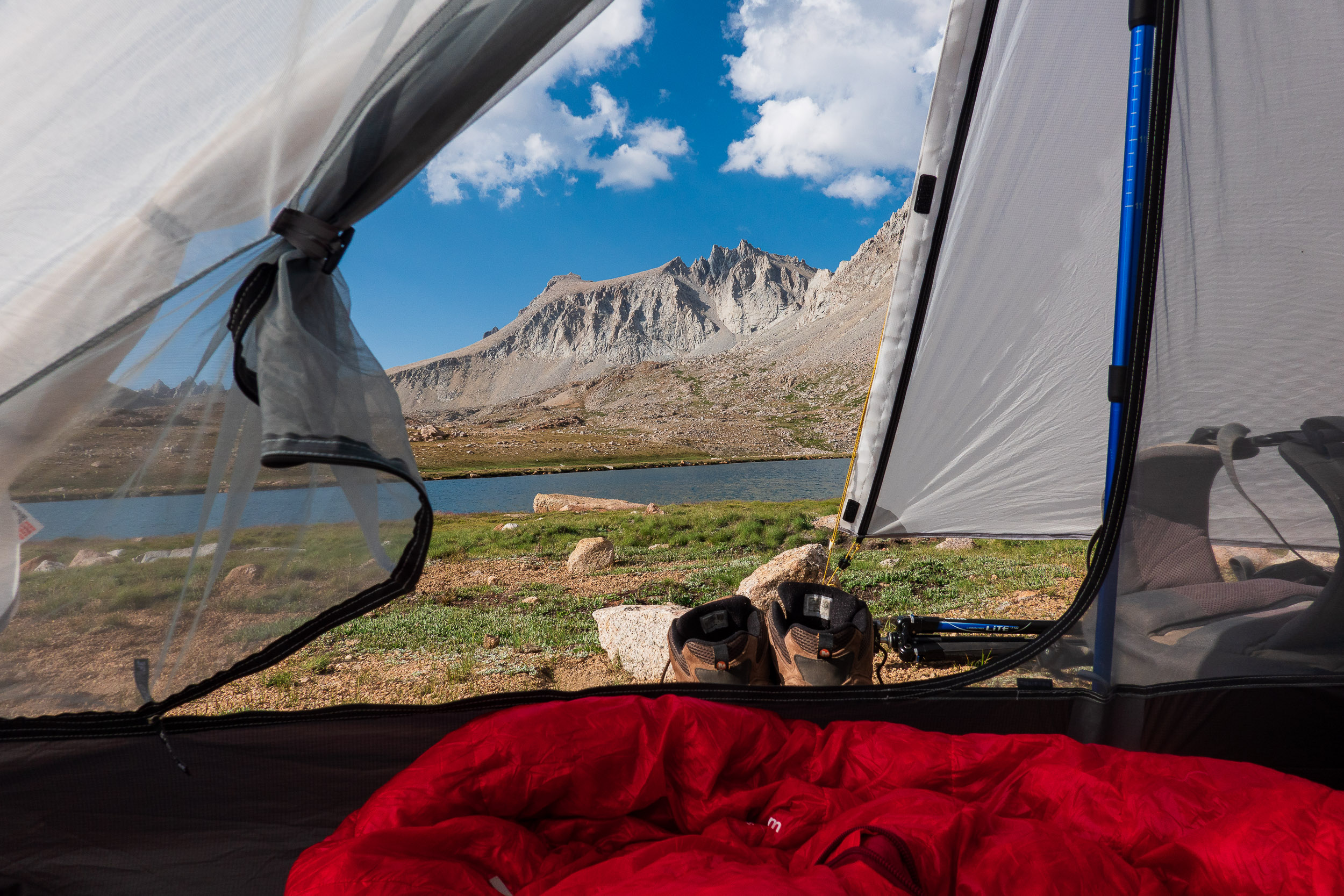
The Sony RX100 series only weighs 301 g, (10.62 oz, 0.66 lb) which makes it literally a tenth or a twentieth the weight of the gear I’ve taken on past adventures. At the final weigh-in, my backpack was well under 40 lbs, making it more than 25 lbs lighter than my record-highest pack weight. So, I decided at the last minute to throw in the Sigma fp L and the Sigma 24mm f/3.5, since together they weigh less than 1.5 lbs. (680 g) (SPOILER: I wound up barely using the Sigma!)
DISCLAIMER: I also spent 3 months getting in shape, too. Backpacking into remote wilderness areas is not advisable for anyone who is inexperienced or unprepared. If you’d like to get into mountain landscape photography, I highly recommend the educational content by Dave Morrow.
So, Did I Regret My Decision?
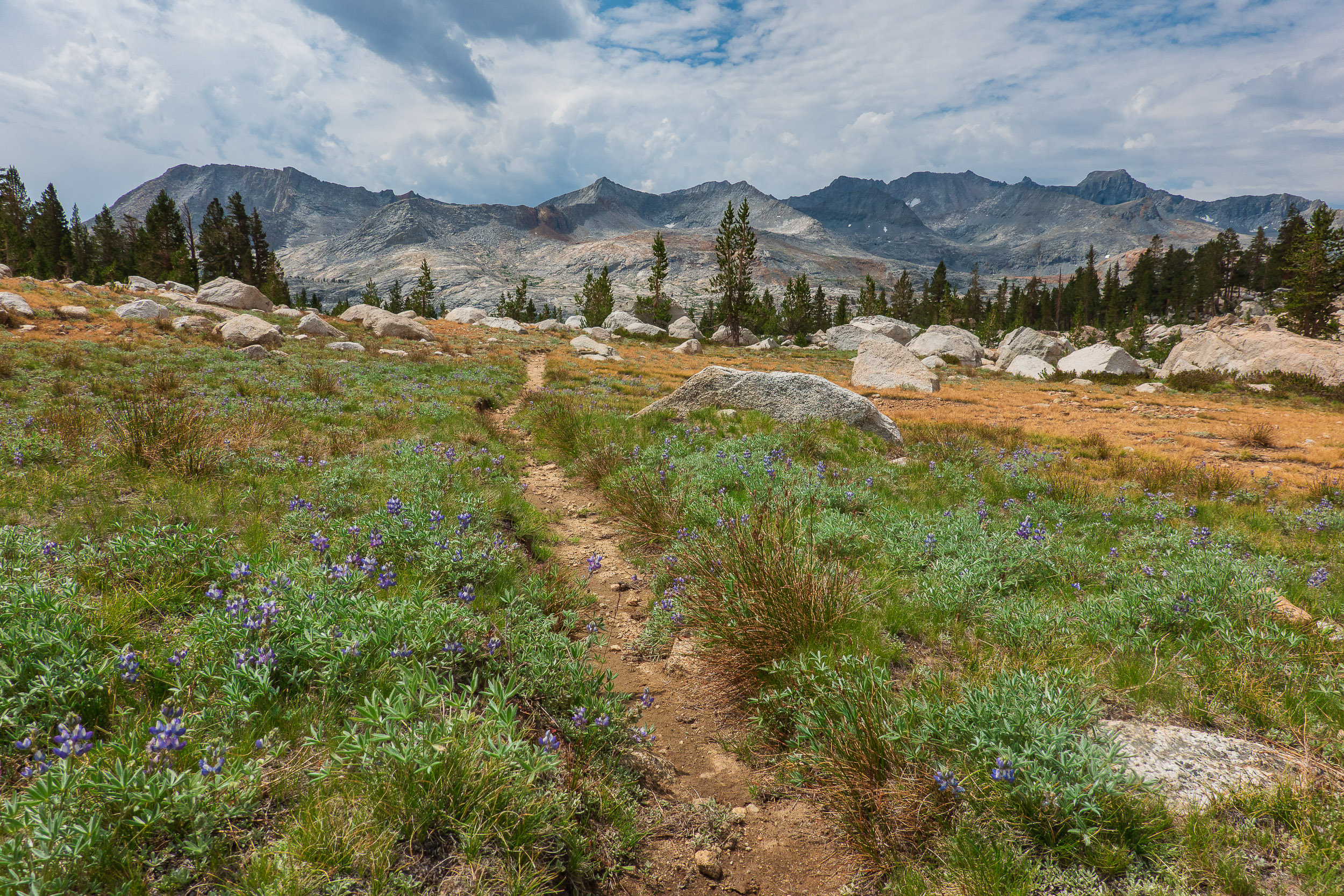
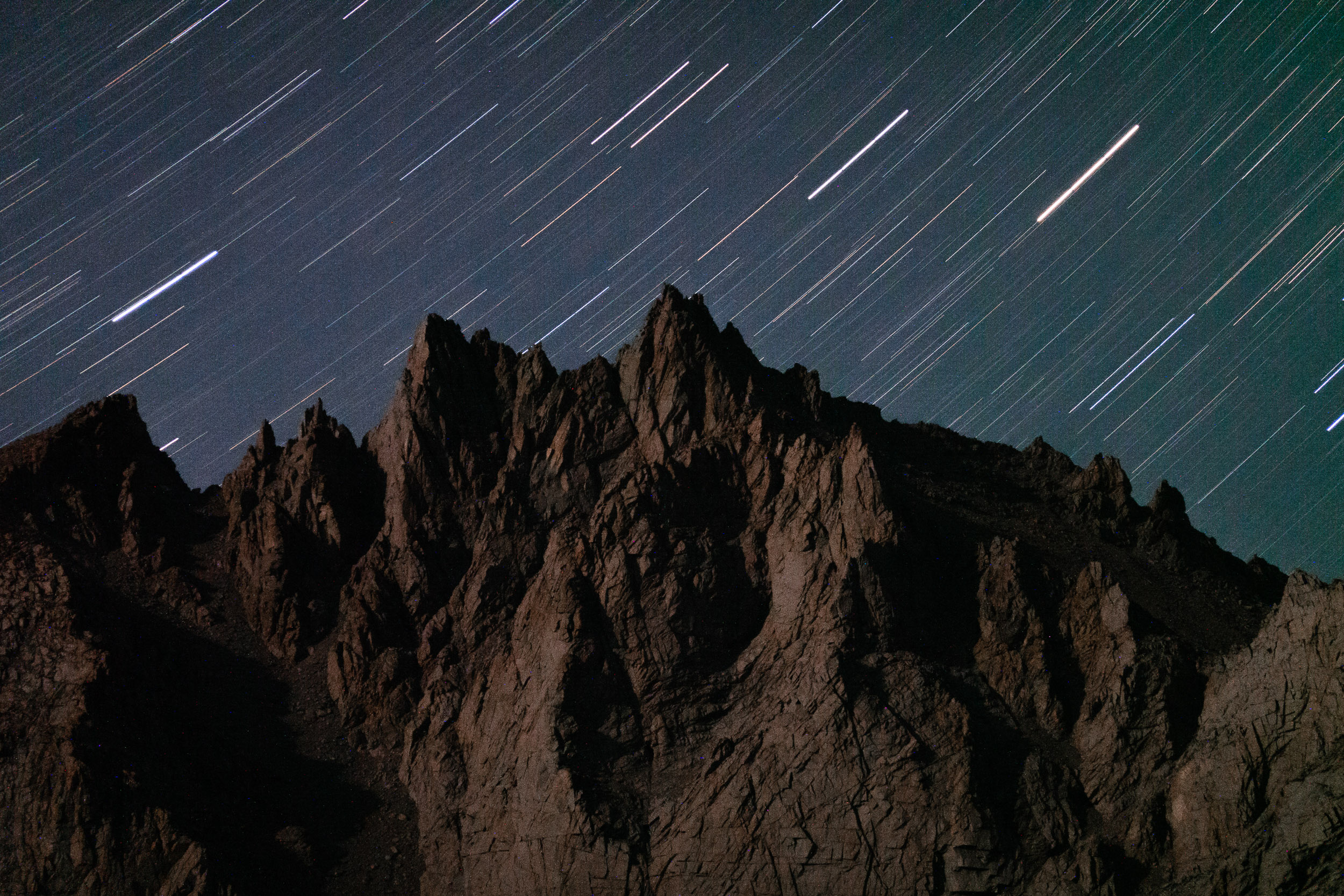
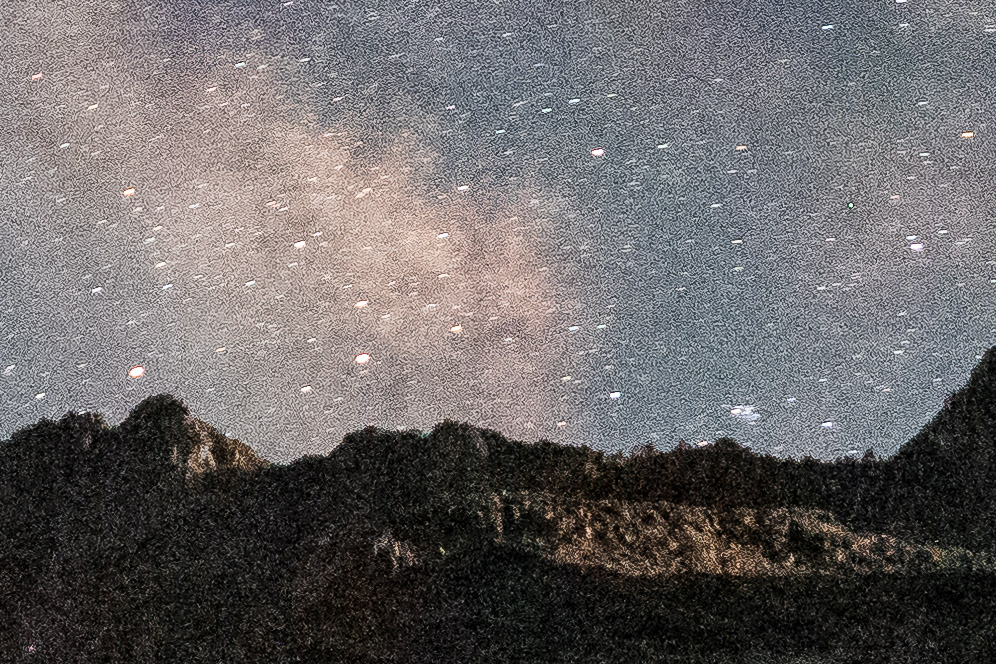
Did I make a huge mistake? Did I curse the Sony RX100 for being inadequate, for being unable to do justice to the beautiful sights I saw? No, of course not. The camera absolutely got the job done. Honestly, there were plenty of moments when I missed my big full-frame kit. I had to stitch a lot of panoramas to achieve a wider angle of view than the 24mm equivalent, that’s for sure. However, I only really yearned for a full-frame setup at night when I was trying to photograph the Milky Way. Other than that, it really wasn’t too bad. With an ultralight interval timer, (The RX100 series does have “Bulb” exposure mode, and the standard “multi” USB port) …I was able to capture a star trail!
Each day on the trail, I was definitely glad that my backpack weighed so little. It made each day’s hike downright enjoyable, aside from the mosquito-infested meadows.
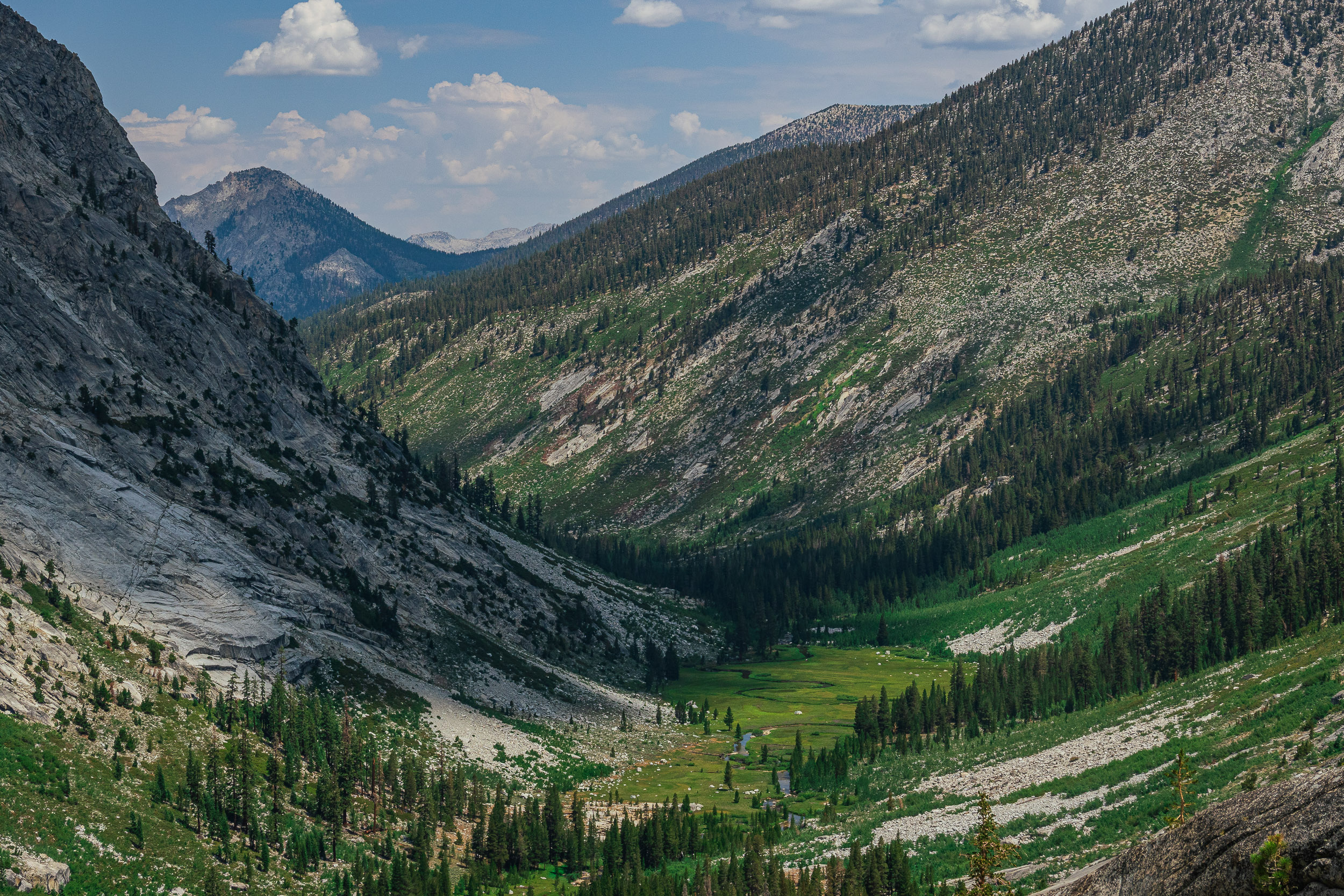
I believe I made the right decision. This trip was about enjoying the adventure; it wasn’t about “professional” landscape photography. I was there to prove to myself that I could accomplish a goal. I wanted to see beautiful sights with my own two eyes, and simply document what I saw without worrying about shadow noise, corner sharpness, or print resolution.
I began the trip with a very real concern that I might have to quit and turn around. If my legs, knees, or feet gave up on me after a couple of ten-mile days, I was ready to stop and just lay in my tent for a day, and then hike back out the way I came instead of completing the whole loop.
By day three, though, I found myself waking up each morning feeling totally ready to tackle another long day on the trail. (Our record was 15.5 hours on the trail and 15 miles in one day.) This was absolutely thanks to having such a lightweight backpack.
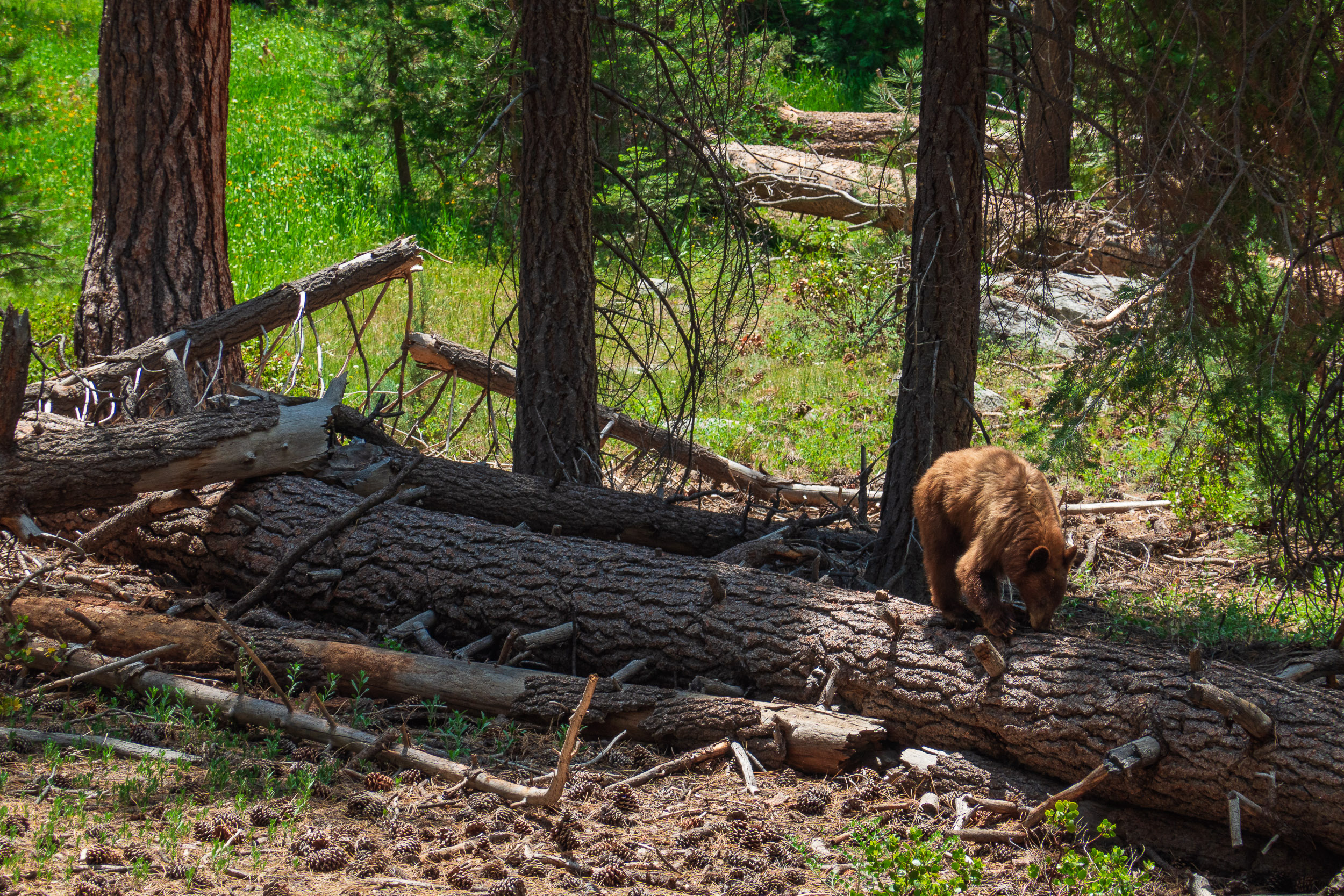
I completed the adventure with lots of photos that I’m very happy with. In fact, having such a compact and quick-on-the-draw camera with such a versatile zoom range definitely allowed me to capture far more photos than I would have if I’d needed to drag out a big camera every time I wanted to take a picture, let alone change lenses in critical situations. (We only saw one bear the entire trip!)
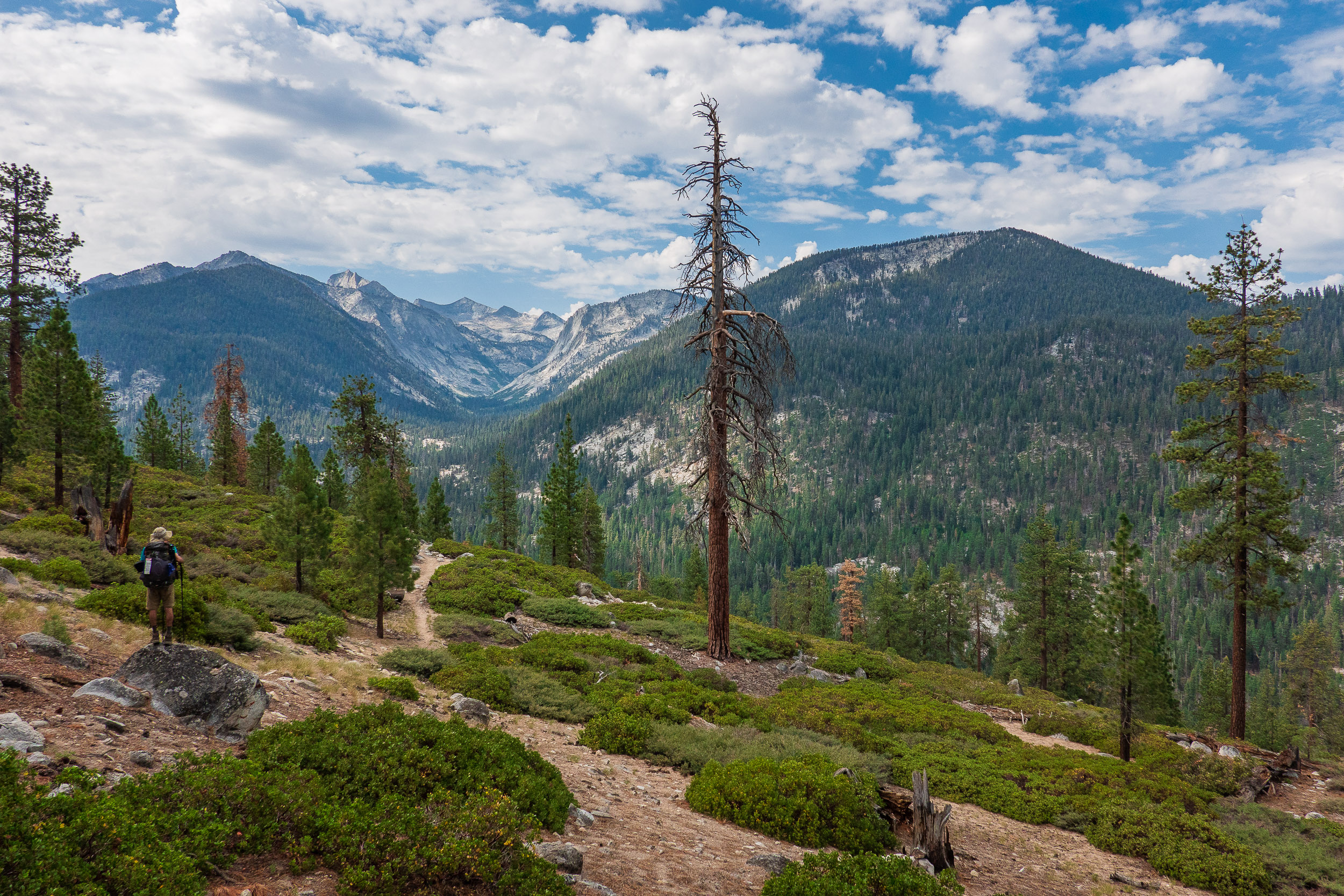
Being able to hike with the camera clamped to my hiking pole, when conditions allowed, meant that the camera itself wasn’t even weighing down on my hips/shoulders at all!
The bottom line is this: I would’ve shot fewer photos if I had brought a “better” kit. Also, the photos that I did capture are, well, “good enough”.
How Do The Images Look? Let’s Pixel-Peep…
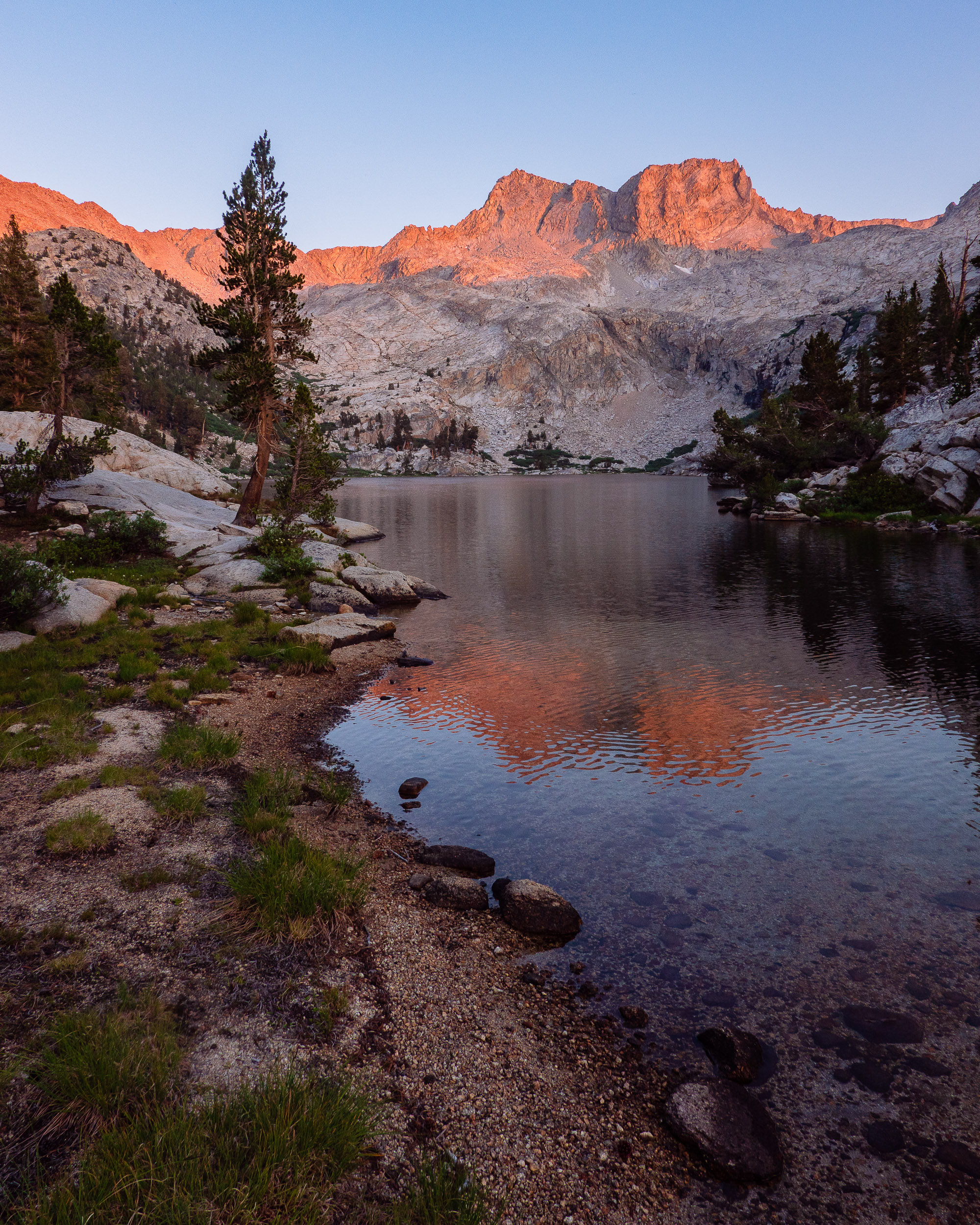
The Sony RX100-series has a 20-megapixel sensor that is a lot more capable than you’d expect from anything with a crop factor of 2.7x. Shadow recovery is quite good at its base ISO of 125, although there are slightly higher noise levels at all ISOs.
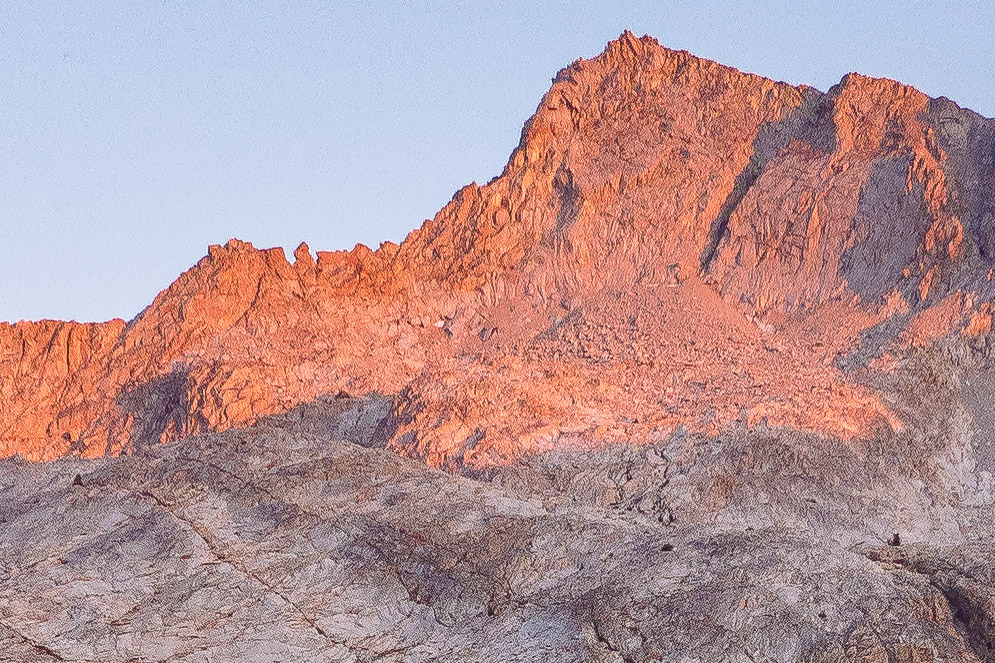
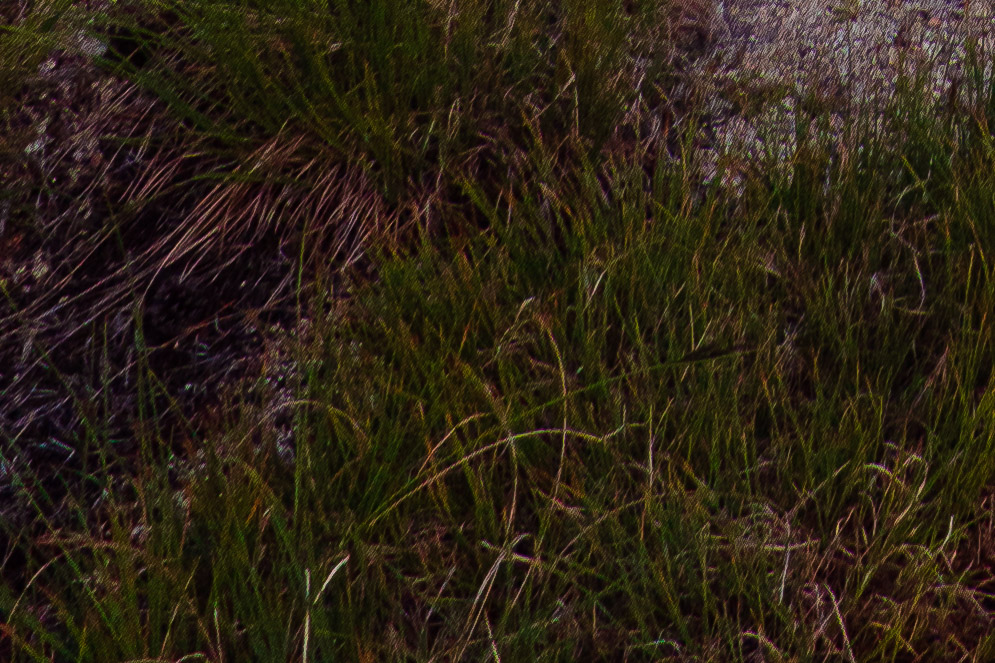
The lens is really sharp, too. On the wide-angle end, even with the aperture wide-open at f/2.8 the lens offers incredible detail throughout most of the image circle. In the middle of the zoom range, the lens stays sharp wide open, and is still not too soft in the corners. Only at the 200mm equivalent end does image detail begin to drop by a noticeable amount, and even then, it’s still quite good if you work with optimal conditions, such as shooting from a tripod at slower shutter speeds, and making sure you nail focus.
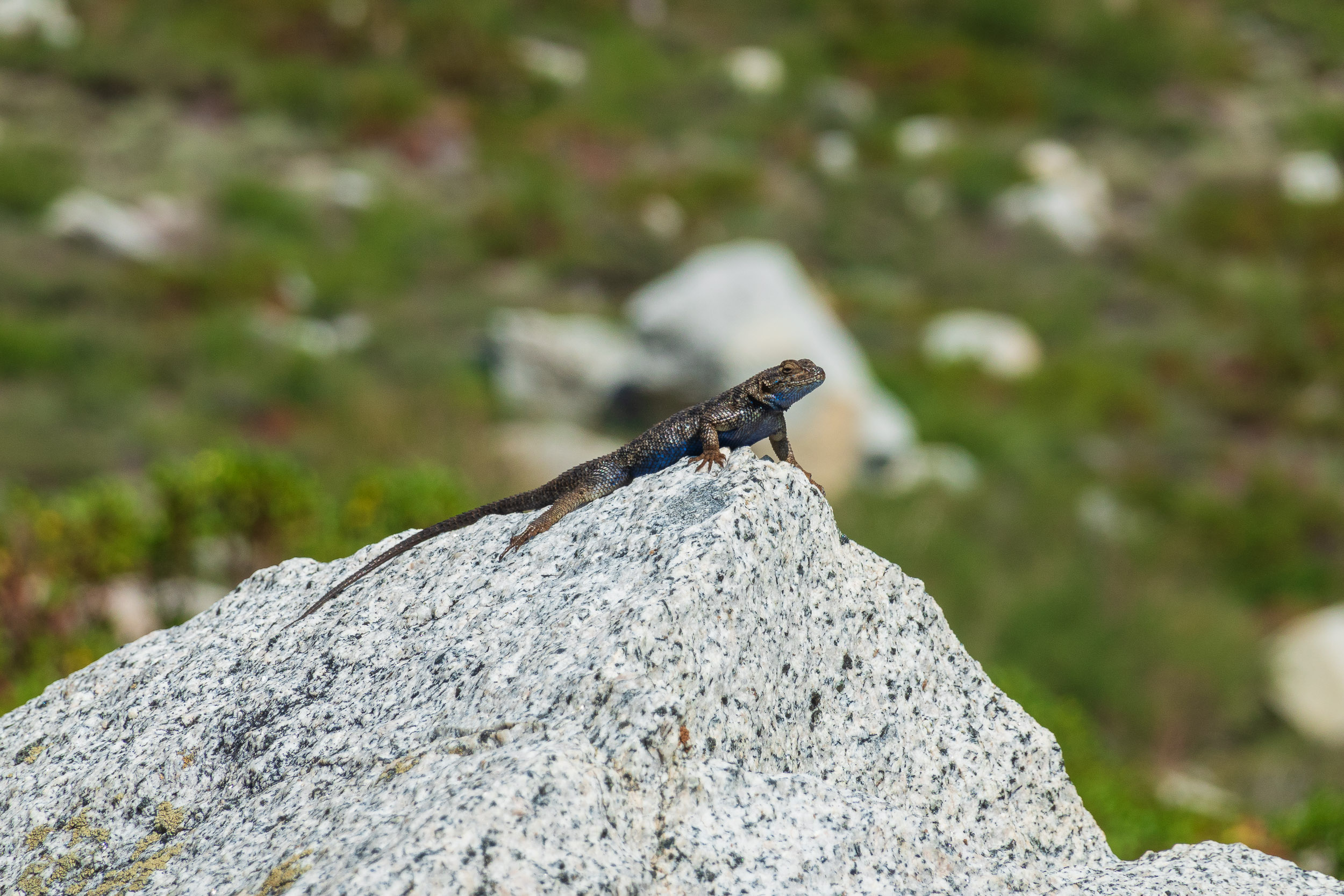
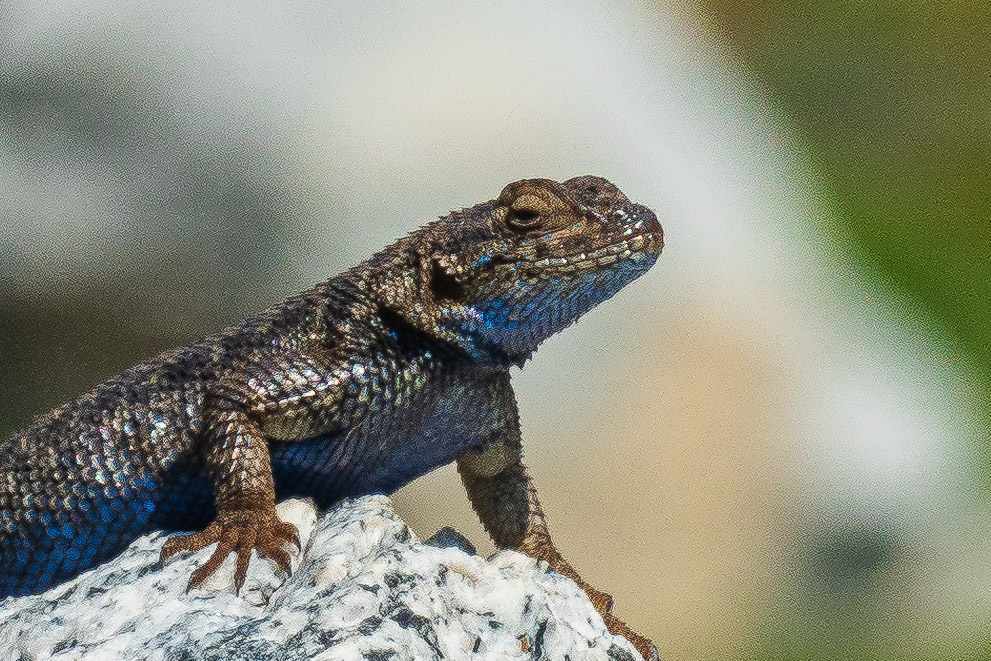
The sensor has a great dynamic range. Despite heightened levels of noise at all ISOs, of course, the shadow recovery is still quite impressive, and I only find myself needing to bracket in extremely challenging conditions.
At night, I could barely eke out a decent nightscape at ISO 3200; going higher to ISO 6400 might be acceptable for folks with lower standards and no plans to share their images anywhere besides Instagram, but, personally, I found that with a bit of moonlight, ISO 3200 got the job done. Barely.
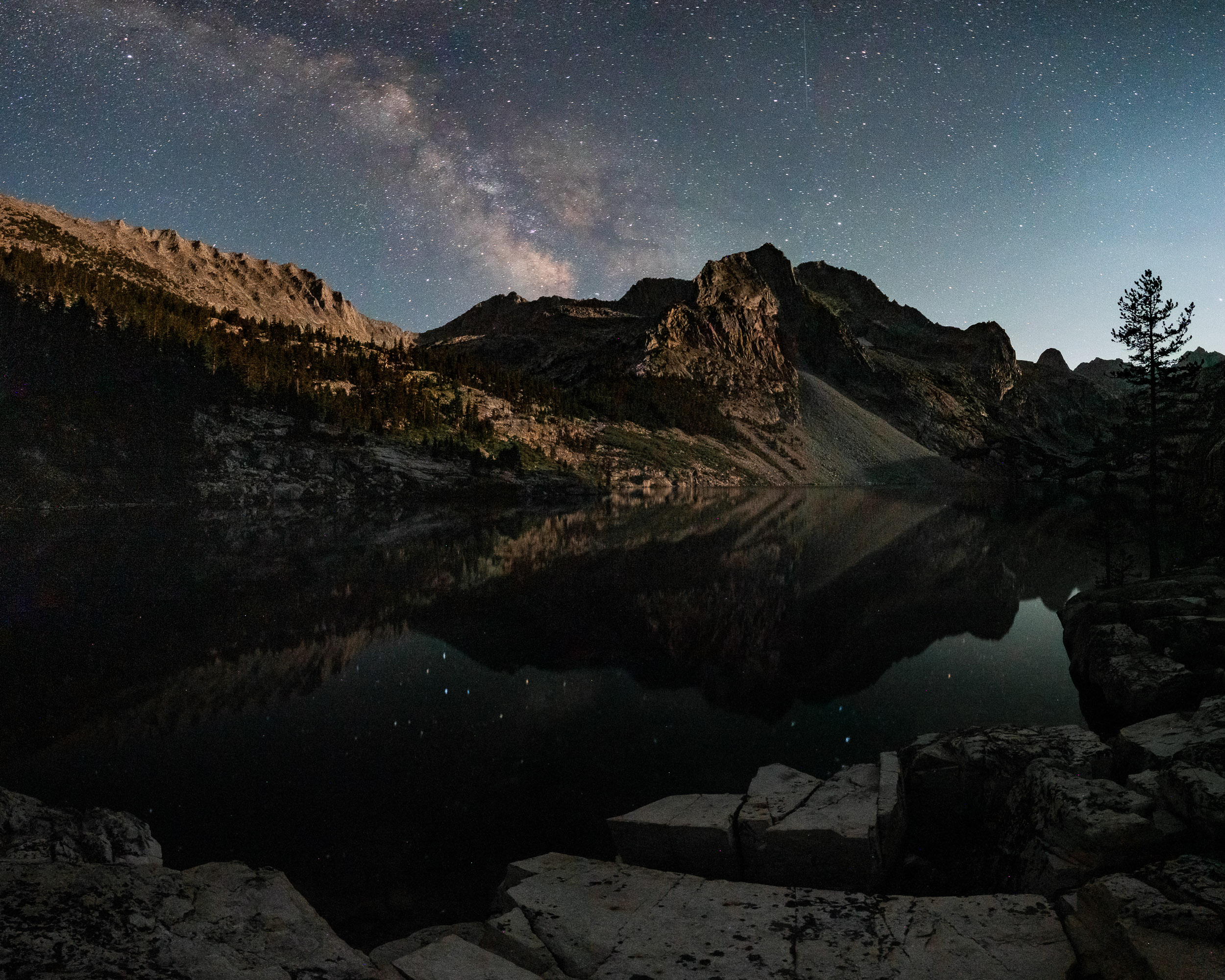
Sony’s “color science” (a buzz-term I loathe) is often hotly debated, but honestly, I see a bigger difference between the colors you get from Adobe Lightroom versus Capture One Pro, as opposed to Sony versus Canon versus Nikon etc. (All images in this article were edited in Adobe Lightroom Classic, though I do often prefer Capture One.)
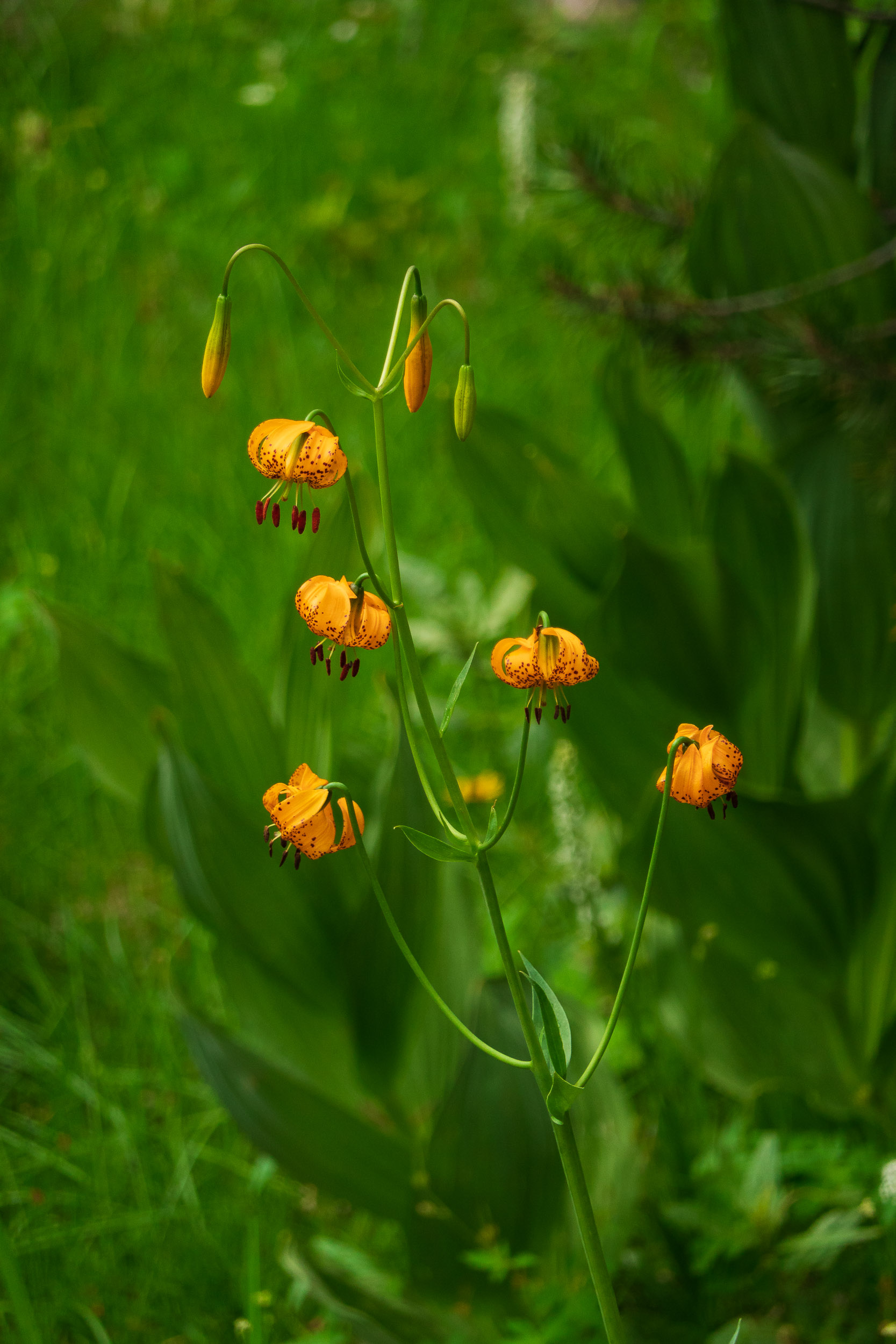
Shallow depth can definitely be achieved when focusing moderately close-up, but the character of the bokeh isn’t the same as a dedicated portrait lens on a full-frame sensor, of course. Honestly? I’m not obsessed with ultra-shallow depth; I actually like to see the vague shapes of a blurred background, especially when it comes to nature photography.
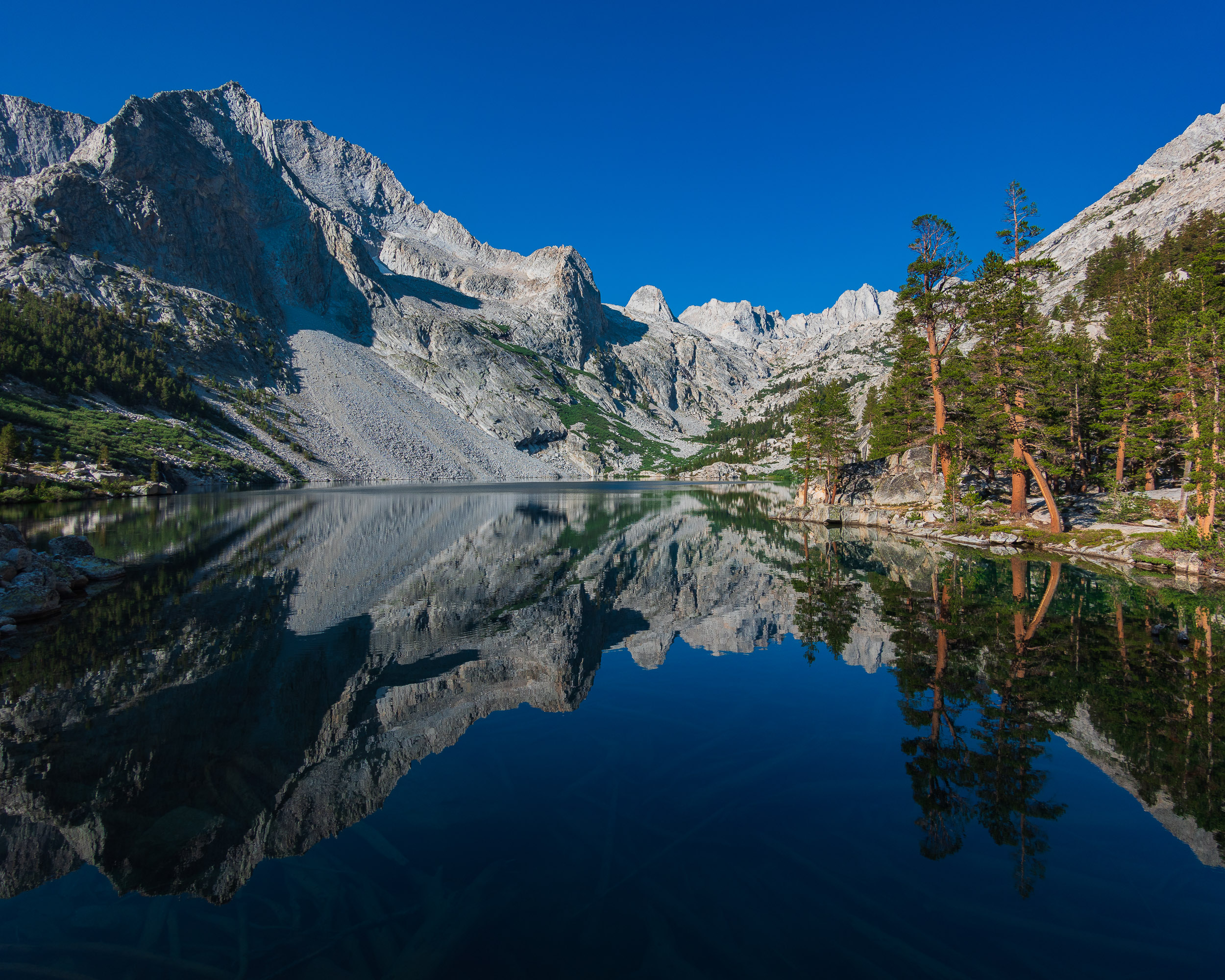
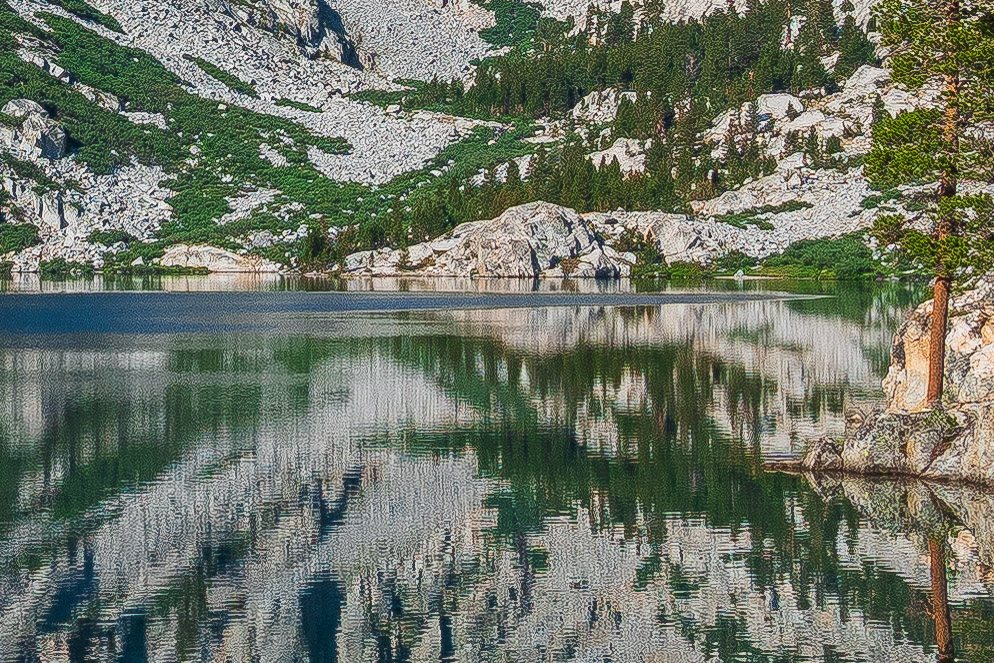
All in all, the resulting images, combined with the manual controls focusing, and zoom range that I couldn’t have gotten by just using a cell phone, gave me the perfect user experience.
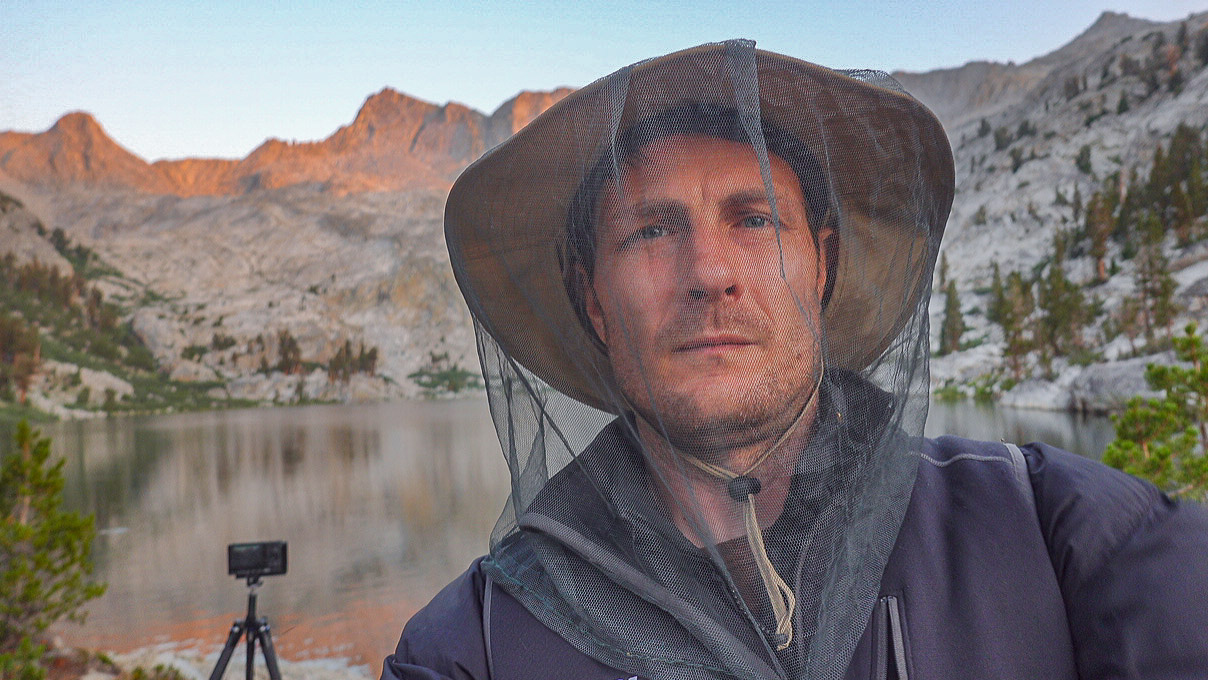
I’m not a cinematographer, but I do have a 4K computer display, and I do make low-quality Youtube videos of my adventures, so I will say that the 4K video quality from the RX100 series is quite impressive, too. With a Natural/Neutral Creative Style, the dynamic range is fantastic, and of course, the level of detail is quite impressive for such a small sensor.
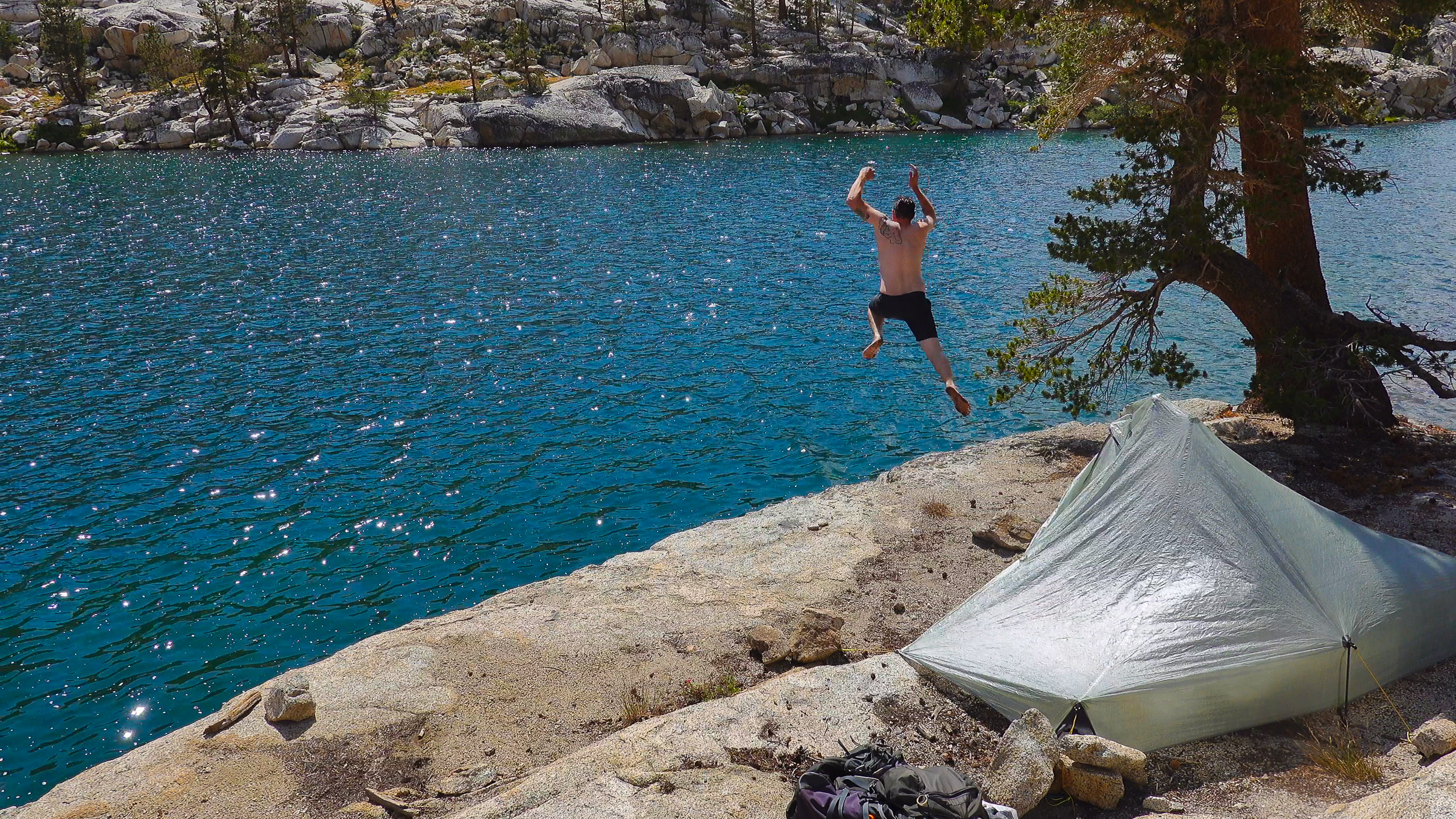
In the end, it always comes down to what YOU intend to do with the photos you’re capturing. Are you merely sharing them in a slideshow with family and friends, and/or sharing them with your fans on social media? If so, then my honest advice is, stop pixel-peeping; enjoy your adventure/vacation/trip, and focus on how the convenience of such a compact camera can allow you to create imagery when/where you might otherwise not be able to. Oppositely, of course, if you have a very clear objective, to capture a specific scene or phenomenon and create (let alone sell) large prints of that moment, then, of course, bite the bullet and bring that big heavy ILC kit.
The Advantage Of 1”-Type Sensors
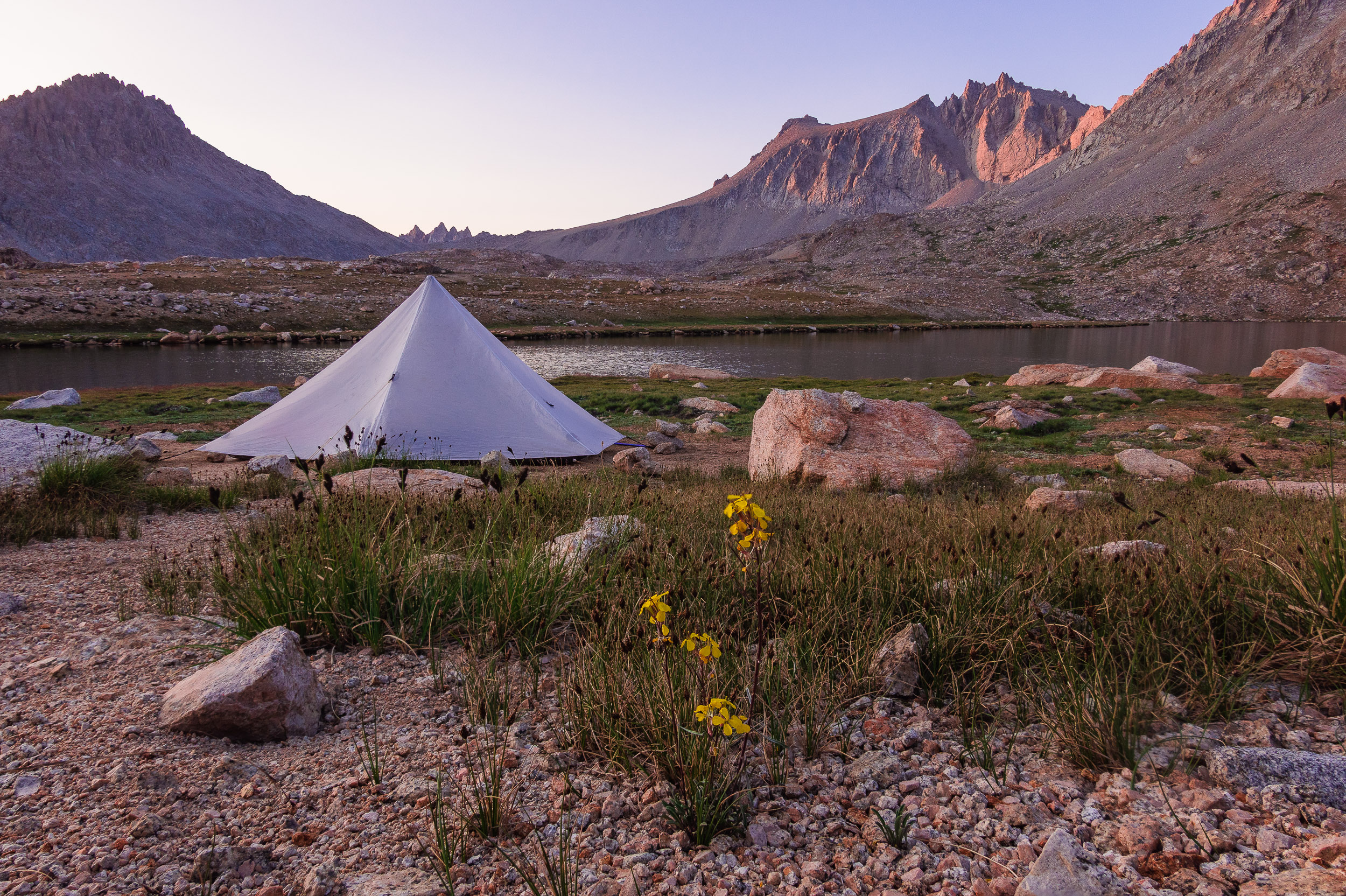
One advantage that I must mention about this compact camera’s sensor size is, of course, the ample depth of field. Simply put, this lens is excellent, and you get impressively sharp results with plenty of DOF at f/4.5 when shooting at the (equivalent) 24mm end, unless you have extremely close-up foreground subjects. Even then, f/5.6 or f/7.1, although the latter is noticeably affected by diffraction, is more than enough for most scenes.
This allowed me to capture more photos, and get more creative than I would have with a bigger sensor in a bigger camera.
If I Do It Again Next Summer, Will I Do Things Differently?
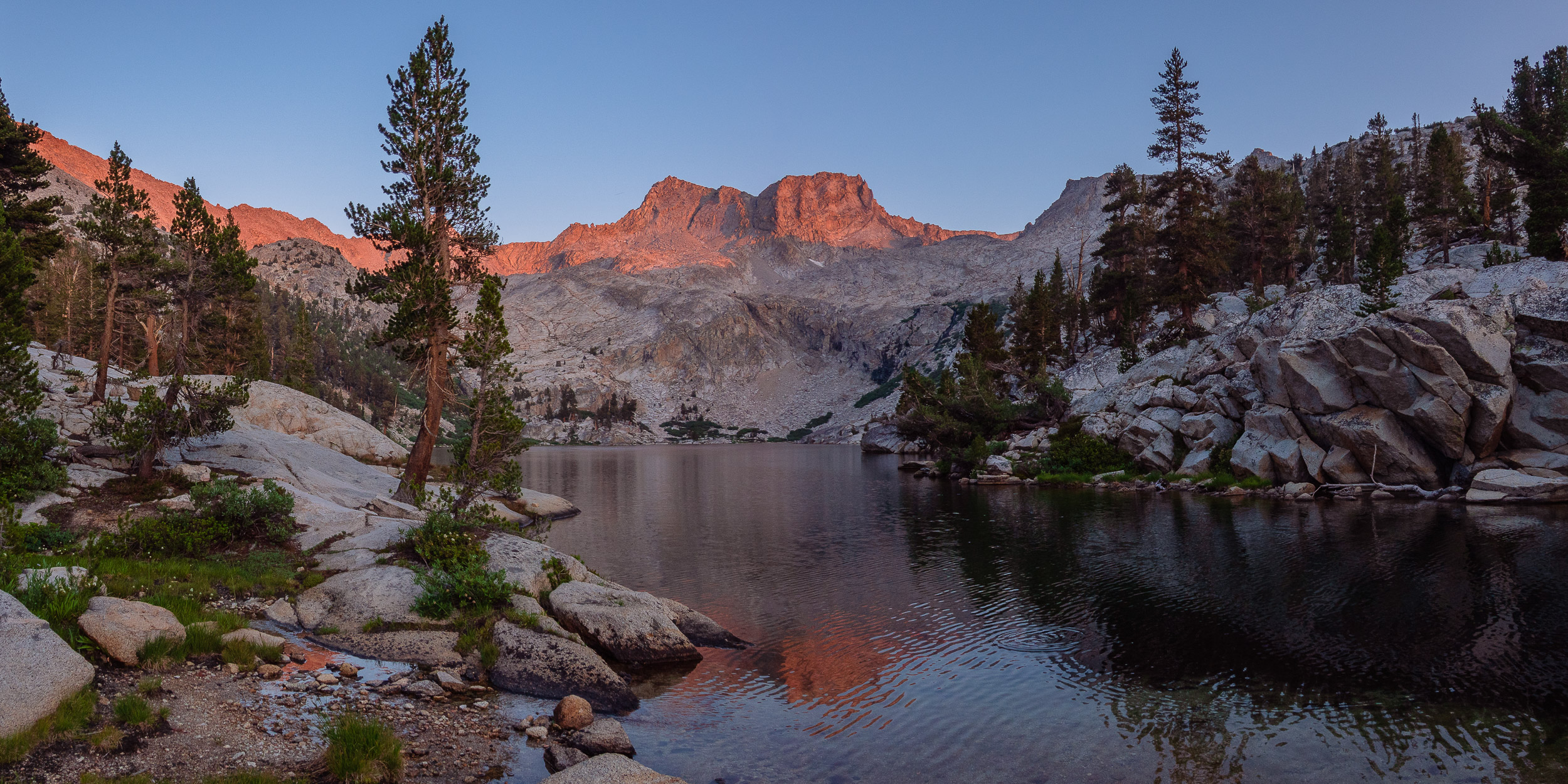
Honestly, since I turned out to be in much better physical shape than I thought, I will definitely consider bringing a better camera on my next big adventure. I can also lighten my pack weight in other ways; there’s always a lighter tent, sleeping bag, etc.
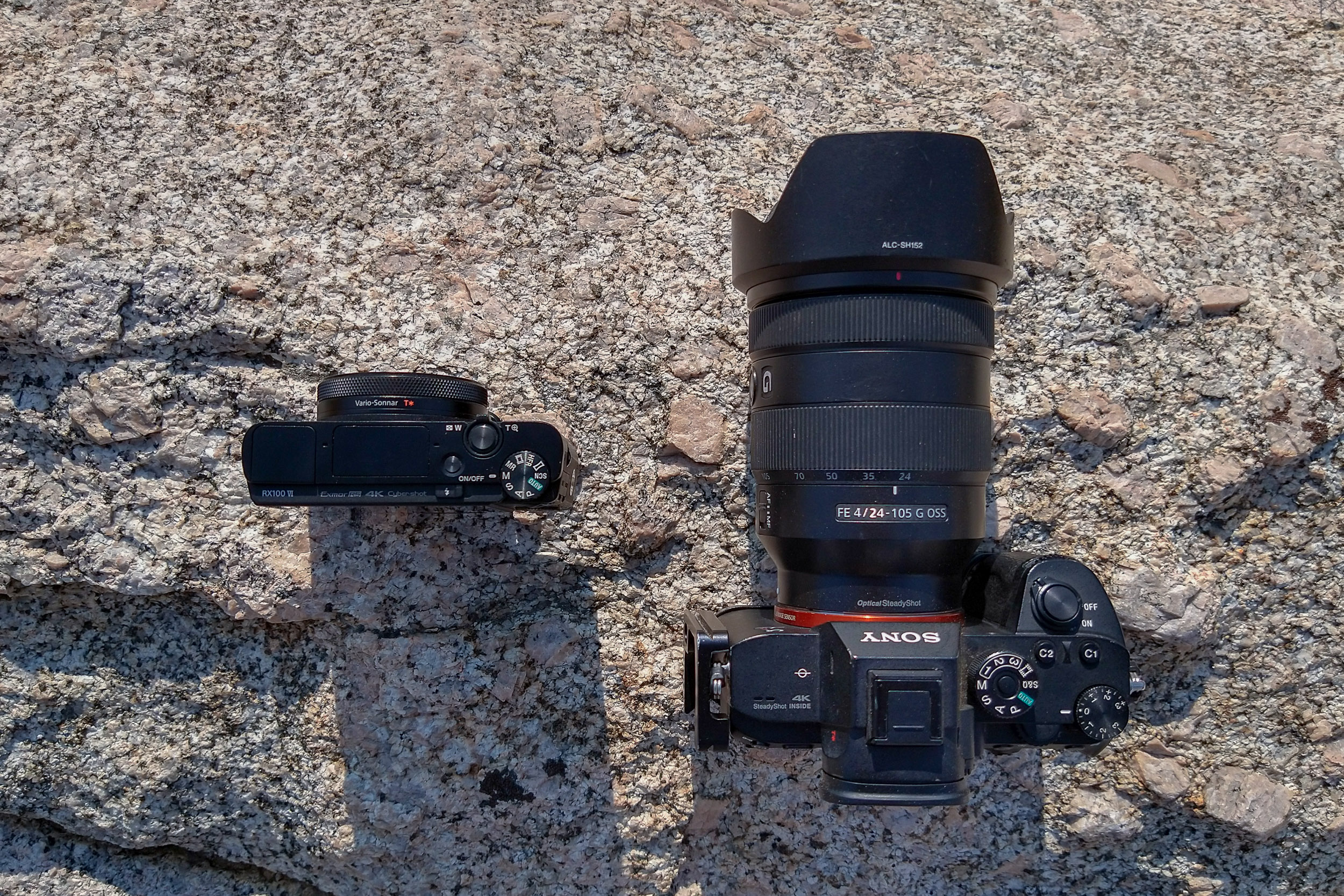
The photography opportunities would need to actually require a better kit, though. A perfect Milky Way alignment or a meteor shower or lunar eclipse comes to mind. Otherwise, I’d rather enjoy the comfort of an ultralight kit.
In a minute, I’ll talk about which full-frame setup I might consider!
Could the Sony RX100 Be Better?
Although I wouldn’t hesitate to take a Sony RX100 camera on another adventure that doesn’t have a specific photography-related objective, I’d still love to see a few improvements in the RX series itself. Sensor image quality could always be better, of course, and there are a few other things I’d love to see in future generations.
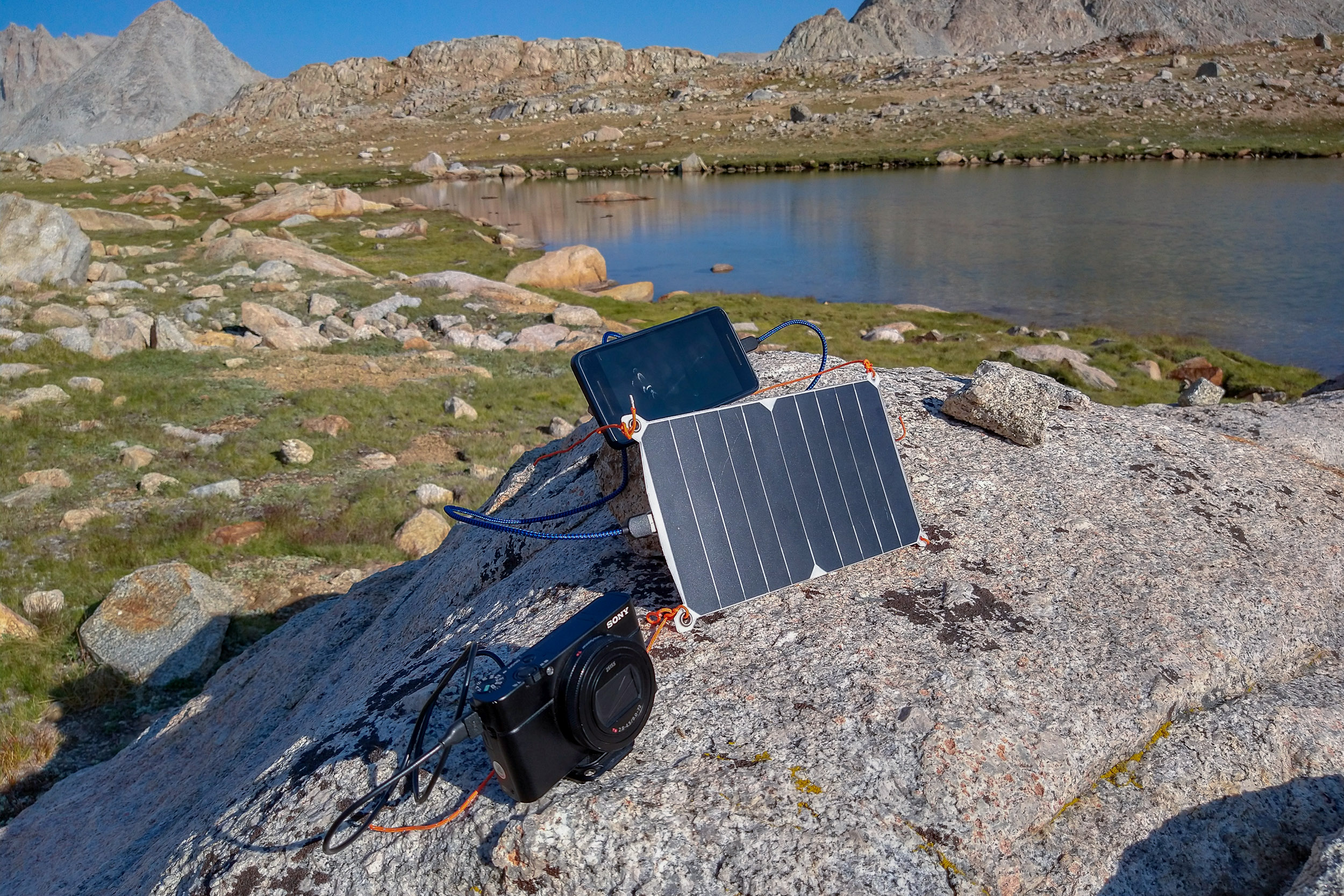
First and foremost, I need to point out that there are two different iterations of lenses for the RX100 style form factor. This 24-200mm equivalent zoom range is the newest, plus, there’s also a 24-70mm equivalent, f/1.8-2.8 lens. (The Sony RX100 VA)
If Sony wanted to deliver something truly versatile and impressive, I’d love to see an RX100 VA II with a 20-70mm f/1.8-2.8 lens! Alternatively, for those daytime, stopped-down landscape shooters who don’t need the faster aperture, I think it would be awesome to see a 20-135mm equivalent, f/2.8-4.5 lens. But that’s just wishful thinking! As far as I know, a superzoom that goes wider than 24mm has literally never been made, on any system.
For those who are happy with the standard 24-200mm equivalent zoom range, I still think the Sony RX100 series overall could use a slightly bigger battery. 1150/1240 mAh is just not much at all.
Alternatively, I wish Sony would include two batteries with all these cameras. While many big, name-brand batteries cost $70-80, this one (the Sony NP-BX1/M8) is a mere $39.
If I had two batteries and a lightweight USB-powered charger, I could always be topping up one of them via an ultralight solar panel, and depending on the weather I might achieve “infinite” battery power on summer backpacking trips in the American West for mere ounces/grams.
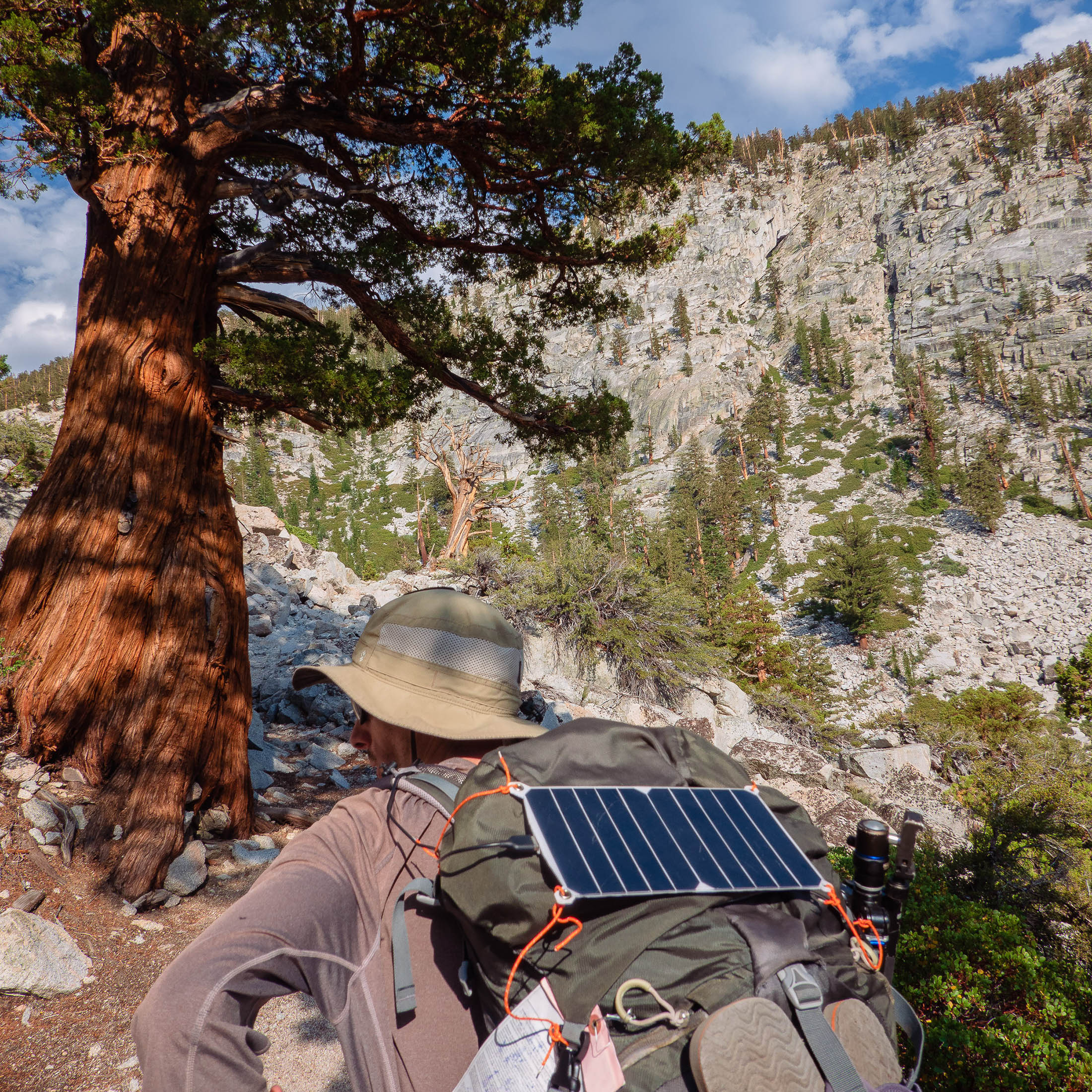
If you buy an RX100 for your adventure travel photography, be sure to splurge ~$20 for a pair of generic batteries and a micro USB charger, and ~$20 for a 10W ultralight solar panel so that you never run out of battery power. Alternately, if your travel conditions will make you less likely to be standing around in the sun every day, and more likely to have access to a wall outlet every few days, just get a $20 10,000 mAh USB battery pack.
Last but not least, I’ll mention that for anyone who likes to do time-lapse photography, you’ll have to get the latest-generation Sony; even this second-newest generation (Mark 6) does not have a built-in interval timer.
Conclusion
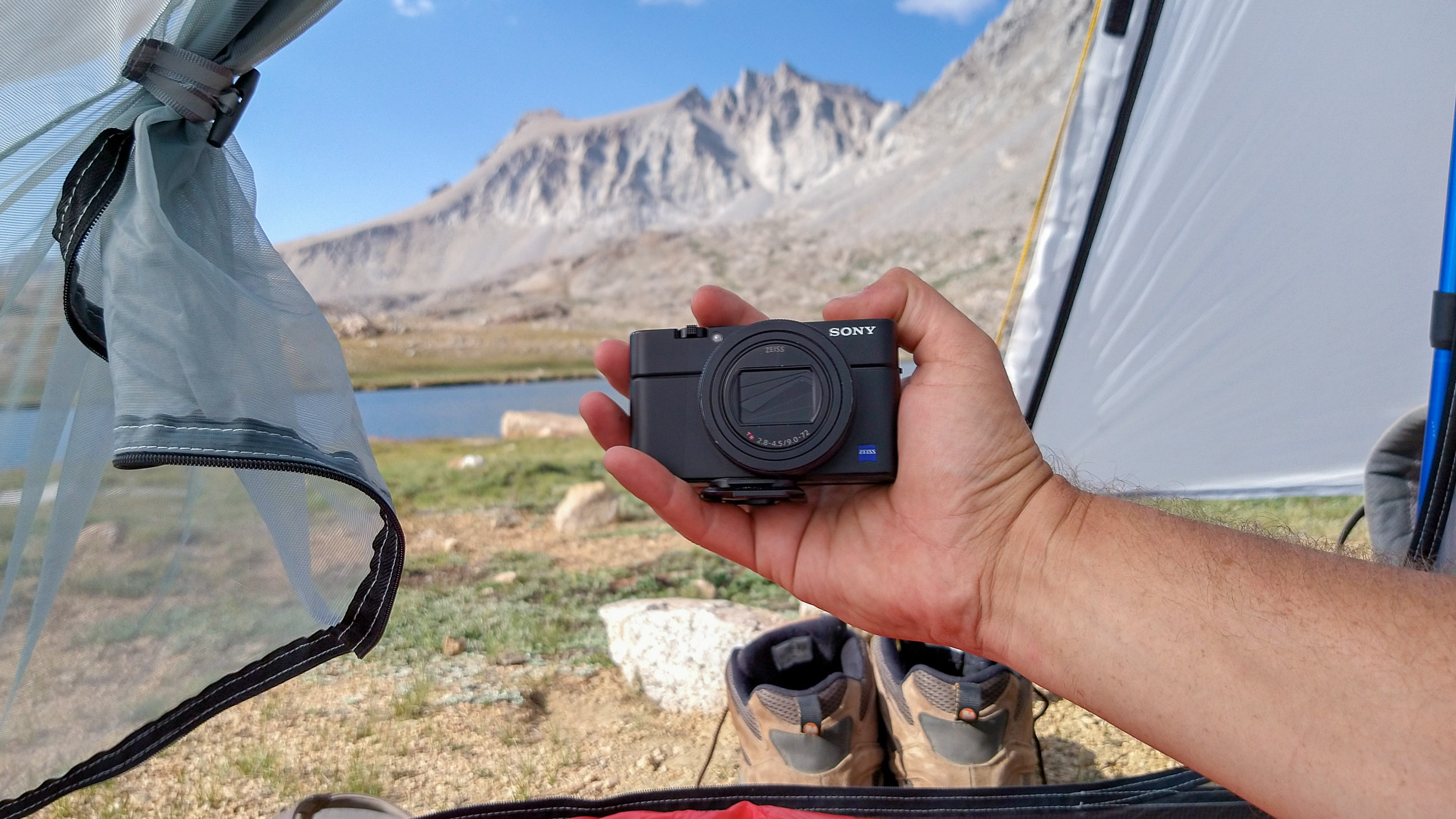
I can’t wait to get back to pixel-peeping the extreme corners of 60-megapixel images, testing exotic new ultra-wide lenses for field curvature and coma/astigmatism, and sharing my findings with you all. (Hint: if the Sony 14mm f/1.8 GM sounds too good to be true, indeed, it might just be…)
Having said that, it also felt great to commit to a big adventure with a compact camera. I might have had even more fun if I had left the Sigma fp L at home, too, and I wouldn’t have missed it that much.
Thank you for reading about my adventure! I hope you enjoyed the images. If there is one thing I hope other photographers can learn from my experience this summer, it’s this: even if you are obsessed with image quality, test charts, and finding that elusive “flawless” sensor or lens, sometimes you need to switch gears and simply focus on enjoying your adventure, vacation, or whatever it is you’re doing.
I am very curious to know if any readers ever find themselves facing similar dilemmas. Do you ever find yourself thinking about trading a big heavy kit for something more portable? If you’ve already done so, did you regret it? Or were you able to simply enjoy the moment?
137 Comments
Mike Peters ·
A micro 4/3 system, with a Lumix G100 or GX9, combined with the Lumix 14-140 II, Lumix 20 f1.7 for general low light, and a Laowa 7.5mm f2.0 for ultra wide and night sky images would be adequately small, very light, and yet better than any 1 inch sensor camera.
Astro Landscapes ·
Thank you for suggesting another fantastic ultralight setup with a respectable range and level of performance. I have also been hoping to get a chance to review the new M.Zuiko 8-25mm f/4.
Then again, considering the cumulative weight of that many lenses and a decently rugged Panasonic or Olympus body, I’d be inclined to just bump up to something like the rather lightweight, compact Fuji X-S10 and 10-24mm f/4, and go back to compromising on fast/low-light capability in order to gain a truly impressive sensor.
It all depends on the photography you plan to do!
Mike Peters ·
In the real world, the difference between APS-C and M4/3 comes down more to how you handle the files than the pixel peepers might imagine.
Astro Landscapes ·
That is very true, especially at lower ISOs! As someone who got their start on film, (that’s a nice story, grandpa!) …I am less terrified of ISO noise than many other pixel-peepers; as long as there is good image detail and not total mush, I am fine with pushing any camera’s files quite far.
Astro Landscapes ·
That is very true, especially at lower ISOs! As someone who got their start on film, (that's a nice story, grandpa!) ...I am less terrified of ISO noise than many other pixel-peepers; as long as there is good image detail and not total mush, I am fine with pushing any camera's files quite far.
Stanislaw Zolczynski ·
For compact low light I use Fuji X-E3 and one of f:2 Fujicrons.
phanter II ·
Well the Fuji X-S10 is 465g, a Sony A7C is just 509g with batteries. That weight difference is already made up for by the spare battery you need to carry for the X-S10
And the Fuji 10-24 F4 is 410g
For that you can carry a Samyang 18mm @145g
+ Samyang 24mm @120g
+Samyang 35mm @105g
And still end up lighter with better IQ.
Another more fun option would be the Samyang 18mm + Sony G 24mm + Sony G 40mm. Together those 3 excellent lenses with far better IQ come in at just 480g
The Sigma 24mm F3.5 is also an option instead of the G
Astro Landscapes ·
Honestly, I can’t wait for all those Samyang primes to become available on Canon RF and Nikon Z!
The Roki-Yang 18mm f/2.8 is a real winner for ultra-light landscape+nightscape photographers, considering it is just downright tiny. Pair that lens with any of their more recent ultra-light primes, (their 24 2.8 and 35 2.8, two of the oldest in that portability category, are just not very sharp) …and you’ve got a killer kit. Or, just grab the Tamron 17-28mm f/2.8 and 28-200mm f/2.8-5.6, for a truly complete kit.
Sooo many options!
Astro Landscapes ·
Thank you for suggesting another fantastic ultralight setup with a respectable range and level of performance. I have also been hoping to get a chance to review the new M.Zuiko 8-25mm f/4.
Then again, considering the cumulative weight of that many lenses and a decently rugged Panasonic or Olympus body, I'd be inclined to just bump up to something like the rather lightweight, compact Fuji X-S10 and 10-24mm f/4, and go back to compromising on fast/low-light capability in order to gain a truly impressive sensor.
It all depends on the photography you plan to do!
phanter II ·
Well the Fuji X-S10 is 465g, a Sony A7C is just 509g with batteries. That weight difference is already made up for by the spare battery you need to carry for the X-S10
And the Fuji 10-24 F4 is 410g
For that you can carry a Samyang 18mm @145g
+ Samyang 24mm @120g
+Samyang 35mm @105g
And still end up lighter with better IQ.
Another more fun option would be the Samyang 18mm + Sony G 24mm + Sony G 40mm. Together those 3 excellent lenses with far better IQ come in at just 480g
The Sigma 24mm F3.5 is also an option instead of the G
Astro Landscapes ·
Honestly, I can't wait for all those Samyang primes to become available on Canon RF and Nikon Z!
The Roki-Yang 18mm f/2.8 is a real winner for ultra-light landscape+nightscape photographers, considering it is just downright tiny. Pair that lens with any of their more recent ultra-light primes, (their 24 2.8 and 35 2.8, two of the oldest in that portability category, are just not very sharp) ...and you've got a killer kit. Or, just grab the Tamron 17-28mm f/2.8 and 28-200mm f/2.8-5.6, for a truly complete kit.
Sooo many options!
Simon Wheeler ·
This is why I used to use the Nikon 1 system with it’s 1 inch sensor. I only gave it up because I couldn’t stand the lack of a viewfinder on the otherwise very good J5 with its Sony sensor. The 10-100, 28-270mm equivalent was a great everyday lens outdoors. The 6.7-13 ultrawide was an outstanding lens, as was the 70-300 long tele. The lack of a viewfinder on that camera ruined it for working quickly and for holding it steady. Nikon threw away a great system. All they needed to do was make a V4 with the body of the V3 and the sensor from the J5. They had all the parts, but never put them in one camera.
Astro Landscapes ·
Thank you for reading, Simon! I was indeed very curious about the Nikon 1 system, and would have bought into it if they had released just a few more lenses and a slightly more flagship-grade body, but alas, the party was over before it got really good.
Simon Wheeler ·
I had almost every lens except the F/1.2 32mm. That just isn’t my focal
length. I have many treasured photos taken with that system. You could
stick the tiny lenses through the openings in chain link fences and get
pictures you could otherwise never get. You could carry the wide zoom
and the 10-100 all day and not notice the weight. You could do street
photography with the 10mm or the 18.5 nifty fifty and no one notices the
camera. If you wanted depth of field all day in a landscape image, this was a great way to go. It’s like Nikon never talked to any actual users about what
they wanted. If they had kept making new bodies I’d be buying. 20 MP is a sweet spot for resolution as the article in questions notes.
Astro Landscapes ·
Yeah, I remember when they announced that lens; I did the math on the equivalent depth of field that an f/1.2 lens would provide on a 2.7x crop sensor system, and I knew it wasn’t going to be as “exotic” of a look as I could get with a dirt-cheap full-frame ~85mm f/1.8 lens on a DSLR.
And, here’s the thing. Once you start trying to achieve FF-equivalent shallow depth on smaller sensors, and you want to do it with relatively good image quality, then you start not saving any size/weight/money pretty quick. Take for example the even more “ridiculous” Fuji 50mm f/1.0 on, say, an X-T4. Nobody who decides to lug around such a big, heavy APS-C mirrorless kit is incapable of lugging around a full-frame mirrorless body and a 50mm ~f/1.4.
But, I digress. I do wish Nikon had continued the 1-series. But yeah, cell phones and cameras like this just decimated the market.
I was in the crowd that was just dying to see that trio of Nikon 1″-type compacts come to fruition, I believe one had an 18-50mm equivalent lens and the other was a 24-85mm equivalent; that would have been the best way to transition out of their 1″-type MILC, but, alas…
Simon Wheeler ·
I think your thoughts on the Fuji 50mm F/1.0 are correct. I’ve played with that system in camera stores and it just doesn’t speak to me. It drives me crazy that some lenses have aperture rings and others don’t. Not small enough that wouldn’t rather have my Canon gear. The announced but never made Nikon 1 compacts while attractive, would have been so frustrating as I was used to having the ultra wide zoom and the ultra tele zoom, plus all the normal range lenses for the interchangeable lens bodies, although I would have loved a faster normal zoom for the Nikon 1 series. I also used to use my Nikon 1 system for newspaper video work. The lens selection with the mic jacks on the V series bodies were super handy as the kit didn’t take much weight or space.
Simon Wheeler ·
I had almost every lens except the F/1.2 32mm. That just isn't my focal
length. I have many treasured photos taken with that system. You could
stick the tiny lenses through the openings in chain link fences and get
pictures you could otherwise never get. You could carry the wide zoom
and the 10-100 all day and not notice the weight. You could do street
photography with the 10mm or the 18.5 nifty fifty and no one notices the
camera. If you wanted depth of field all day in a landscape image, this was a great way to go. It's like Nikon never talked to any actual users about what
they wanted. If they had kept making new bodies I'd be buying. 20 MP is a sweet spot for resolution as the article in questions notes.
Astro Landscapes ·
Yeah, I remember when they announced that lens; I did the math on the equivalent depth of field that an f/1.2 lens would provide on a 2.7x crop sensor system, and I knew it wasn't going to be as "exotic" of a look as I could get with a dirt-cheap full-frame ~85mm f/1.8 lens on a DSLR.
And, here's the thing. Once you start trying to achieve FF-equivalent shallow depth on smaller sensors, and you want to do it with relatively good image quality, then you start not saving any size/weight/money pretty quick. Take for example the even more "ridiculous" Fuji 50mm f/1.0 on, say, an X-T4. Nobody who decides to lug around such a big, heavy APS-C mirrorless kit is incapable of lugging around a full-frame mirrorless body and a 50mm ~f/1.4.
But, I digress. I do wish Nikon had continued the 1-series. But yeah, cell phones and cameras like this just decimated the market.
I was in the crowd that was just dying to see that trio of Nikon 1"-type compacts come to fruition, I believe one had an 18-50mm equivalent lens and the other was a 24-85mm equivalent; that would have been the best way to transition out of their 1"-type MILC, but, alas...
Simon Wheeler ·
I think your thoughts on the Fuji 50mm F/1.0 are correct. I've played with that system in camera stores and it just doesn't speak to me. It drives me crazy that some lenses have aperture rings and others don't. Not small enough that wouldn't rather have my Canon gear. The announced but never made Nikon 1 compacts while attractive, would have been so frustrating as I was used to having the ultra wide zoom and the ultra tele zoom, plus all the normal range lenses for the interchangeable lens bodies, although I would have loved a faster normal zoom for the Nikon 1 series. I also used to use my Nikon 1 system for newspaper video work. The lens selection with the mic jacks on the V series bodies were super handy as the kit didn't take much weight or space.
John Bilyj ·
I did exactly this, Simon and after a year or so struggling with the LCD, I settled on the RX100 IV to take on holiday rather than a D800! Those nikon 1 lenses were sharp as a pin.
Simon Wheeler ·
Yes, the glass was amazing. I also loved the black and white settings with the choice of red, orange, yellow or green filter settings as an additional option in the creation of the black and white .jpg. You could shoot raw plus jpg and get really great looking orange filtered effect black and white, but still have a color raw image for later.
Stanislaw Zolczynski ·
I greatly regret that Nikon stopped developing AW-1 camera. What a great idea, waterproof cam with interchangable lenses in small package. A superwide zoom and improved sealing and ruggrized body would make it nr1 adventure gear.
Marc P. ·
This is why i do hold onto my decent Nikon V1 (2011 tech) because despite only 1.44 MP, the EVF optics are really good, as a small travelcam, i use it with the PD 10-30 PowerZoom. At least as long, as i can get a decent RX100 substitute. Good thing from the V1, the battery is the same, then onto the Nikon D7000…so it’s interchangeable, and lasts a hell long time. I made some decent shots with this slow F3.5-5.6 Zoom, so with RAW (10 MP) it’s still good to go, i am only missing faster lens speed, and 24mm Wideangle, and faster AF-S sometimes.
Sadly, i have only this Zoom, the original 10-30 VR (which is much bigger) and the 18.5mm/F1.8 Prime Lens for my V1. I couldn’t afford the 6.7-13 ultrawide Lens for my V1 back into its day, and nowdays, over the top prices for this Lens. With the V1 Custom Grip from Richard Franiec (no more being sold nowadays…) its still a pleasure to hold, the V1, i bought it asap when it was being released, from Richard.
BlueBomberTurbo ·
+1. I actually bought the camera twice, thinking maybe I was wrong for selling the first one. Nope. EVF or pass. And I wasn’t about to get one of the Aptina-sensored EVF ones and take three steps back in image quality.
Andres Mayr ·
You are absolutely right!!! It’s 2022 and I still can’t understand why they never did that! I owned the Nikon 1 V1, loved it, the 6.7-13mm was state of the art… All Nikon needed to do was, as you say, put the V5 sensor (or even the very first Sony RX100 sensor) on any V body with viewfinder and voila!
Andrés
Instagram: @andres_mayr
Simon Wheeler ·
This is why I used to use the Nikon 1 system with it's 1 inch sensor. I only gave it up because I couldn't stand the lack of a viewfinder on the otherwise very good J5 with its Sony sensor. The 10-100, 28-270mm equivalent was a great everyday lens outdoors. The 6.7-13 ultrawide was an outstanding lens, as was the 70-300 long tele. The lack of a viewfinder on that camera ruined it for working quickly and for holding it steady. Nikon threw away a great system. All they needed to do was make a V4 with the body of the V3 and the sensor from the J5. They had all the parts, but never put them in one camera.
Marc P. ·
This is why i do hold onto my decent Nikon V1 (2011 tech) because despite only 1.44 MP, the EVF optics are really good, as a small travelcam, i use it with the PD 10-30 PowerZoom. At least as long, as i can get a decent RX100 substitute. Good thing from the V1, the battery is the same, then onto the Nikon D7000...so it's interchangeable, and lasts a hell long time. I made some decent shots with this slow F3.5-5.6 Zoom, so with RAW (10 MP) it's still good to go, i am only missing faster lens speed, and 24mm Wideangle, and faster AF-S sometimes.
Sadly, i have only this Zoom, the original 10-30 VR (which is much bigger) and the 18.5mm/F1.8 Prime Lens for my V1. I couldn't afford the 6.7-13 ultrawide Lens for my V1 back into its day, and nowdays, over the top prices for this Lens. With the V1 Custom Grip from Richard Franiec (no more being sold nowadays...) its still a pleasure to hold, the V1, i bought it asap when it was being released, from Richard.
BlueBomberTurbo ·
+1. I actually bought the camera twice, thinking maybe I was wrong for selling the first one. Nope. EVF or pass. And I wasn't about to get one of the Aptina-sensored EVF ones and take three steps back in image quality.
Andres Mayr ·
You are absolutely right!!! It's 2022 and I still can't understand why they never did that! I owned the Nikon 1 V1, loved it, the 6.7-13mm was state of the art... All Nikon needed to do was, as you say, put the V5 sensor (or even the very first Sony RX100 sensor) on any V body with viewfinder and voila!
Andrés
Instagram: @andres_mayr
The_Incomparable_Douche ·
Nice article!
Since you’re now a full-time writer (not to diminish all the other things you are at the same time), I hope you can accept two writing suggestions, one specific and one general.
The specific one: There are two thoughts in your headline. It would read better if the thoughts were separate sentences, terminating with periods, rather than two comma-separated clauses.
And the general one: Try to use fewer words. Especially, whenever you have the urge to add an adjective or an adverb, think about whether you really need it. When you read over what you’ve written, be ruthless in stripping out every unnecessary sentence, clause, and word. It will make for punchier writing.
Astro Landscapes ·
Yup. The title was a jumble of two thoughts; thank you for the suggestion. And yup, adjectives and adverbs are an ongoing battle. You should see how many are already in the trash!
But seriously. Thanks again for reading!
The_Incomparable_Douche ·
Nice article!
Since you're now a full-time writer (not to diminish all the other things you are at the same time), I hope you can accept two writing suggestions, one specific and one general.
The specific one: There are two thoughts in your headline. It would read better if the thoughts were separate sentences, terminating with periods, rather than two comma-separated clauses.
And the general one: Try to use fewer words. Especially, whenever you have the urge to add an adjective or an adverb, think about whether you really need it. When you read over what you've written, be ruthless in stripping out every unnecessary sentence, clause, and word. It will make for punchier writing.
Astro Landscapes ·
Yup. The title was a jumble of two thoughts; thank you for the suggestion. And yup, adjectives and adverbs are an ongoing battle. You should see how many are already in the trash!
But seriously. Thanks again for reading!
Guido ·
I have comparable experiences with my Canon G5X mark II. Fantastic for travelling light. My regular gear is a D7200 and D810 with some delicious lenses but for this trip I would have chosen the D3300 of my daughter with the fantastic 18-55 AF-P and the new and fabulous 10-20 which adds to about 850g, maybe add a light tele or e.g. the 70-300 DX and I’m easily at least doubling the quality of any compact. Especially when it comes to noise and focal length.
Guido ·
I have comparable experiences with my Canon G5X mark II. Fantastic for travelling light. My regular gear is a D7200 and D810 with some delicious lenses but for this trip I would have chosen the D3300 of my daughter with the fantastic 18-55 AF-P and the new and fabulous 10-20 which adds to about 850g, maybe add a light tele or e.g. the 70-300 DX and I'm easily at least doubling the quality of any compact. Especially when it comes to noise and focal length.
Not THAT Ross Cameron ·
Hi Matthew, thanks for an interesting article. Tis indeed a never-ending quest to find the right combination of gear. Tried a few myself, though I’m not at your technical level.
It is very handy to have a smaller camera that you can quickly whip out and fire off a shot on the spur of the moment, in addition to having the FF DSLR to pull out when not walking. I used to have a tough/waterproof camera that I got adept at pulling out one-handed, turning on & shooting with just one finger.
Like Simon, I have gone the Nikon 1 route for when I want small & light. AW1 instead of my tough camera (with its 2 lenses). I also have a V2 if I’m not going near water. The 10-100mm (Non-PD) is a very nice walk-around lens. And it’s handy having the 6.7-13mm wide, 18.5mm & 30-110mm for a bit more flexibility. The 32mm is just too far out of my league & budget.
I still stick with my D750 and a selection of manual AIS primes if I plan to have some time not walking. I can’t bring myself to carry big autofocus zooms, though I do have some older manual focus zooms (28-50 & 75-150) for a bit of fun.
It’s all a trade-off between IQ, weight and cost – and each to their own while ever doing what we enjoy.
Cheers
Astro Landscapes ·
The D750 was and still is one of my all-time favorite cameras! And I still have a soft spot for the F-mount and its AIS etc. lens compatibility.
Part of it is, I think, the general nostalgia about photography as a craft. Honestly, I could have gotten very similar results on this backpacking trip if I had owned (or rented) the latest iPhone.
However, for some reason, I just can’t bring myself to overlook the fact that the image quality would be nearly identical, or maybe even better, at most of the focal lengths that the RX100-series provides. For me, I just like operating a *CAMERA*.
Not THAT Ross Cameron ·
That’s a fair point. The tech outside of DSLRs & mirrorless is getting good enough for many needs – and I appreciate that is subjective.
“ For me, I just like operating a *CAMERA*.”
LOL – Amen!
Not THAT Ross Cameron ·
Hi Matthew, thanks for an interesting article. Tis indeed a never-ending quest to find the right combination of gear. Tried a few myself, though I’m not at your technical level.
It is very handy to have a smaller camera that you can quickly whip out and fire off a shot on the spur of the moment, in addition to having the FF DSLR to pull out when not walking. I used to have a tough/waterproof camera that I got adept at pulling out one-handed, turning on & shooting with just one finger.
Like Simon, I have gone the Nikon 1 route for when I want small & light. AW1 instead of my tough camera (with its 2 lenses). I also have a V2 if I’m not going near water. The 10-100mm (Non-PD) is a very nice walk-around lens. And it’s handy having the 6.7-13mm wide, 18.5mm & 30-110mm for a bit more flexibility. The 32mm is just too far out of my league & budget.
I still stick with my D750 and a selection of manual AIS primes if I plan to have some time not walking. I can’t bring myself to carry big autofocus zooms, though I do have some older manual focus zooms (28-50 & 75-150) for a bit of fun.
It’s all a trade-off between IQ, weight and cost - and each to their own while ever doing what we enjoy.
Cheers
Astro Landscapes ·
The D750 was and still is one of my all-time favorite cameras! And I still have a soft spot for the F-mount and its AIS etc. lens compatibility.
Part of it is, I think, the general nostalgia about photography as a craft. Honestly, I could have gotten very similar results on this backpacking trip if I had owned (or rented) the latest iPhone.
However, for some reason, I just can't bring myself to overlook the fact that the image quality would be nearly identical, or maybe even better, at most of the focal lengths that the RX100-series provides. For me, I just like operating a *CAMERA*.
Not THAT Ross Cameron ·
That’s a fair point. The tech outside of DSLRs & mirrorless is getting good enough for many needs - and I appreciate that is subjective.
“ For me, I just like operating a *CAMERA*.”
LOL - Amen!
KeithB ·
Was the third shot down a composite? You could do a whole article on that image.
Kurt Lawson ·
That was not a composite. It was part of an epic trip we did though. Matt posted a video about it. Cheers. https://www.youtube.com/wat...
Astro Landscapes ·
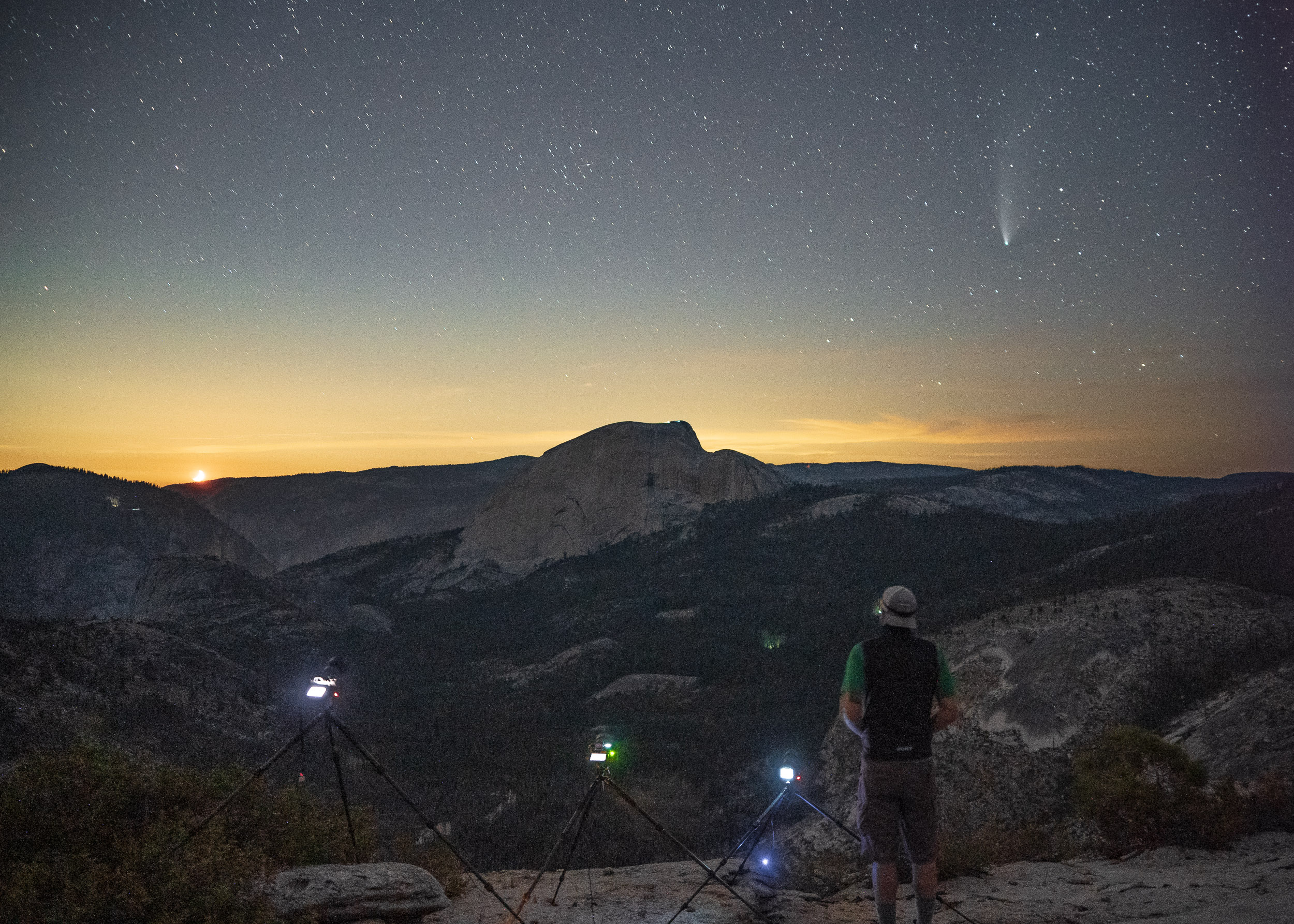
Actually, it wasn’t! That was just perfect timing in terms of the moonlight, the comet, and the ambient starlight fitting (barely!) into a single exposure. It was ISO 6400, f/2.8, and 30 sec (I’m really good at standing still!) on a Sony A7 III and the Tamron 28-200mm f/2.8-5.8. The shadows were “trash” in that shot, though, when enlarged; I basically can’t use the shot for anything besides blog posts and Instagram, LOL. Having said that, I could have easily created a very print-able shot if I had used an f/1.4 24mm instead, and then bracketed to combine a 2-EV brighter exposure for the foreground with a similar exposure that preserves the setting crescent moon.
Thanks for noticing such a tricky, technical shot!
Astro Landscapes ·
Actually, it wasn't! That was just perfect timing in terms of the moonlight, the comet, and the ambient starlight fitting (barely!) into a single exposure. It was ISO 6400, f/2.8, and 30 sec (I'm really good at standing still!) on a Sony A7 III and the Tamron 28-200mm f/2.8-5.8. The shadows were "trash" in that shot, though, when enlarged; I basically can't use the shot for anything besides blog posts and Instagram, LOL. Having said that, I could have easily created a very print-able shot if I had used an f/1.4 24mm instead, and then bracketed to combine a 2-EV brighter exposure for the foreground with a similar exposure that preserves the setting crescent moon.
Thanks for noticing such a tricky, technical shot!
Dave Hachey ·
Thanks for sharing, it sounds like you had a great trip. I just spent two weeks on a road trip with my grandkids and I only used my Sony A7R4 once! Everything was shot on my iPhone, which did a much better job than I expected. Would I use it for a 20 x x30″ print? Nope, but everything will end up in a photobook for the memories.
Astro Landscapes ·
Thanks for sharing your experience!
Honestly, if the light was decent enough to get good image quality from an iPhone shot, a 20×30″ print would probably look pretty darn similar to an A7R IV print, from across the room at least. 😉
For things like family vacations, I feel even less inclined to bring a big heavy full-frame ILC kit; the last big family road trip I did, I only got out my big heavy setup a couple times when I was “sneaking out” to photograph sunrise all by myself, not when I was actively with family/friends…
Dave Hachey ·
Thanks for sharing, it sounds like you had a great trip. I just spent two weeks on a road trip with my grandkids and I only used my Sony A7R4 once! Everything was shot on my iPhone, which did a much better job than I expected. Would I use it for a 20 x x30" print? Nope, but everything will end up in a photobook for the memories.
Astro Landscapes ·
Thanks for sharing your experience!
Honestly, if the light was decent enough to get good image quality from an iPhone shot, a 20x30" print would probably look pretty darn similar to an A7R IV print, from across the room at least. ;-)
For things like family vacations, I feel even less inclined to bring a big heavy full-frame ILC kit; the last big family road trip I did, I only got out my big heavy setup a couple times when I was "sneaking out" to photograph sunrise all by myself, not when I was actively with family/friends...
A Canuck ·
Thanks for an entertaining and informative bit of reportage.
I look forward to reading more “trail adventures with ‘Astro Landscapes'”.
Astro Landscapes ·
Thanks! I’m looking forward to writing about more adventures, indeed.
A Canuck ·
Thanks for an entertaining and informative bit of reportage.
I look forward to reading more "trail adventures with 'Astro Landscapes'".
Astro Landscapes ·
Thanks! I'm looking forward to writing about more adventures, indeed.
Athanasius Kirchner ·
It’s a great little camera indeed. For a time, I traveled with an RX100M4 and RX10M3; one for leisurely walks, underwater adventures in a housing, and whenever weight was essential, and another for birds and wildlife, later upgraded to the mark 4 as well. It’s such a shame that Nikon never launched the DLs, which could’ve been the ‘holy trinity’ of one-inchers.
BTW, some bridge cameras did indeed go past 24mm, like the Panasonic FZ80 and the Fujifilm Sx800.
Athanasius Kirchner ·
It's a great little camera indeed. For a time, I traveled with an RX100M4 and RX10M3; one for leisurely walks, underwater adventures in a housing, and whenever weight was essential, and another for birds and wildlife, later upgraded to the mark 4 as well. It's such a shame that Nikon never launched the DLs, which could've been the 'holy trinity' of one-inchers.
BTW, some bridge cameras did indeed go past 24mm, like the Panasonic FZ80 and the Fujifilm Sx800.
Tomas ·
well, Canon M100 with native M lenses? 🙂
Astro Landscapes ·
Indeed, that is what my co-adventurer takes on backpacking trips when he needs to go truly ultra-light. Personally, I never could get on board with any of those older Canon sensors that didn’t have the dynamic range to match Nikon/Sony, but I could just as easily get a pretty similar kit with, say, a Nikon Z50 or Sony A6100 or Fuji X-S10. A lot of the same lenses are available for all those mounts, like the Rokinon/Samyang 12mm f/2 which is killer for both landscapes and astro-landscapes.
Thanks for commenting!
Tomas ·
I understand, but M100 uses same 24Mpix sensor as Canon 80D for example, which is quite good. One can not compare size / weight of M100 with its native lenses with anything else, I have it besides my Fuji FX collection just for aultra-light as you call it, and it is an amazing option 🙂
Astro Landscapes ·
Indeed, the reason the M100 in particular is so lightweight is partly because it is like the Sigma FP of APS-C mirrorless; no EVF and very minimal buttons and dials, which for me is a deal-breaker, and part of the reason I went with the Sony RX100 series to “vlog” this trip instead of the Sony ZV-1, which I had used on a previous trip.
The M50 would be a great choice, though; and the EF-M lenses that go on either M-mount camera are all very sharp and very lightweight. A solid choice, if you don’t mind dropping a stop or two in dynamic range compared to a full-frame Sony or Nikon.
Tomas ·
well, Canon M100 with native M lenses? :)
Astro Landscapes ·
Indeed, that is what my co-adventurer takes on backpacking trips when he needs to go truly ultra-light. Personally, I never could get on board with any of those older Canon sensors that didn't have the dynamic range to match Nikon/Sony, but I could just as easily get a pretty similar kit with, say, a Nikon Z50 or Sony A6100 or Fuji X-S10. A lot of the same lenses are available for all those mounts, like the Rokinon/Samyang 12mm f/2 which is killer for both landscapes and astro-landscapes.
Thanks for commenting!
Tomas ·
I understand, but M100 uses same 24Mpix sensor as Canon 80D for example, which is quite good. One can not compare size / weight of M100 with its native lenses with anything else, I have it besides my Fuji FX collection just for aultra-light as you call it, and it is an amazing option :)
Astro Landscapes ·
Indeed, the reason the M100 in particular is so lightweight is partly because it is like the Sigma FP of APS-C mirrorless; no EVF and very minimal buttons and dials, which for me is a deal-breaker, and part of the reason I went with the Sony RX100 series to "vlog" this trip instead of the Sony ZV-1, which I had used on a previous trip.
The M50 would be a great choice, though; and the EF-M lenses that go on either M-mount camera are all very sharp and very lightweight. A solid choice, if you don't mind dropping a stop or two in dynamic range compared to a full-frame Sony or Nikon.
Tom Cass ·
I own an RX100vii, RX10iv and A99ii with 7 high quality lenses. I rarely use the A99ii any more because such extreme FF IQ really doesn’t add much to the photos I take. I use the RX100vii 50% of the time, the RX10iv 45% of the time and the A99ii 5%.
Astro Landscapes ·
That’s awesome to hear! Yes, the Sony RX10 series is a great lineup for those who want a little more reach. I had the Sony RX100 II a few years ago, one of the cameras with the constant f/2.8 24-200mm lens, and I really loved it as a B-roll and/or time-lapse camera. Fantastic image quality all around.
Tom Cass ·
I own an RX100vii, RX10iv and A99ii with 7 high quality lenses. I rarely use the A99ii any more because such extreme FF IQ really doesn't add much to the photos I take. I use the RX100vii 50% of the time, the RX10iv 45% of the time and the A99ii 5%.
Astro Landscapes ·
That's awesome to hear! Yes, the Sony RX10 series is a great lineup for those who want a little more reach. I had the Sony RX100 II a few years ago, one of the cameras with the constant f/2.8 24-200mm lens, and I really loved it as a B-roll and/or time-lapse camera. Fantastic image quality all around.
disqus_XN9vf0ShQK ·
Get rid of your sandals and exchange the boots for some lightweight approach shoes or trail runners – that’s probably at least a 0.7kg (1.5 lb.) saving just there – the weight of a big camera body 😉
Ditch the padded case, it’s looks big and heavy for what, storing a power bank and cables?
The backpack seems heavier as well, but that depends on your food and other gear…
Once you lighten your normal gear considerably (and thus can use a lighter pack to lug it around) you can afford to bring a heavy camera without any problems 🙂
Astro Landscapes ·
Hi there! Thanks for the weight-saving tips.
Unfortunately, some of them won’t work for me. For example, if I save any additional weight at all, I’ll definitely *need* a padded case, because I’ll be replacing that saved weight with more camera gear! Haha…
Other than that, regarding things like boots and backpacks, I have indeed been lightening my base/worn weight over time. I used to buy big clunky ankle-high boots, and I’ve scaled it down to a pair that are actually pretty lightweight. I’ll consider going one step lighter on my next hike, but I’ll probably need to combine that with some ankle-strengthening sports wrap or something because I do have a tendency to scamper around on rocks a LOT while taking pictures.
Backpacks are a “sore” subject. I have an old shoulder injury and my spine isn’t very happy either if I put any weight whatsoever on my shoulders, so I need a backpack that has a pretty massive, cushy waist belt so that I can put virtually all the weight on my hips. So far, this has actually worked very well and while all of my friends are dying with shoulder/back/tailbone/hip pain at the end of every long hiking day, I am 100% fine. I’ll absolutely carry a *slightly* heavier backpack around for that luxury! I did actually take one step away from my heaviest backpack though, for this trip, I switched my ancient. 4-5 lb REI 65L backpack for a significantly lighter Deuter 60L backpack, and the waist belt padding & support stiffness was about as lightweight as I think I can go for carrying ~8 days of food…
Thanks again for commenting!
disqus_XN9vf0ShQK ·
Hey, it was just tongue-in-cheek 😉 As the saying goes, hike your own hike 🙂 Whatever gear is suitable and comfortable for you! Deuter packs are among the most comfortable there for heavier carry, good choice for that with a week+ of food. As for the camp shoes or sandals (they can be pretty nice to have, I’ll admit!), I have had good experience with barefoot rubber-soled “socks” (60g), some use thin water shoes (<100g). Obviously, both are pretty thin and might not be too comfortable on small sharp rocks or pine cones (it's a free foot massage, haha). In the end, it's whatever works for you…
Astro Landscapes ·
Yeah, camp socks are another thing I could have saved a couple ounces on; my flip flops were on the heavier side. I could also use a pair of those “water socks” that are super breathable, and potentially useful for stream crossings. Thanks again for the input!
disqus_XN9vf0ShQK ·
Get rid of your sandals and exchange the boots for some lightweight approach shoes or trail runners - that's probably at least a 0.7kg (1.5 lb.) saving just there - the weight of a big camera body ;)
Ditch the padded case, it's looks big and heavy for what, storing a power bank and cables?
The backpack seems heavier as well, but that depends on your food and other gear...
Once you lighten your normal gear considerably (and thus can use a lighter pack to lug it around) you can afford to bring a heavy camera without any problems :)
Astro Landscapes ·
Hi there! Thanks for the weight-saving tips.
Unfortunately, some of them won't work for me. For example, if I save any additional weight at all, I'll definitely *need* a padded case, because I'll be replacing that saved weight with more camera gear! Haha...
Other than that, regarding things like boots and backpacks, I have indeed been lightening my base/worn weight over time. I used to buy big clunky ankle-high boots, and I've scaled it down to a pair that are actually pretty lightweight. I'll consider going one step lighter on my next hike, but I'll probably need to combine that with some ankle-strengthening sports wrap or something because I do have a tendency to scamper around on rocks a LOT while taking pictures.
Backpacks are a "sore" subject. I have an old shoulder injury and my spine isn't very happy either if I put any weight whatsoever on my shoulders, so I need a backpack that has a pretty massive, cushy waist belt so that I can put virtually all the weight on my hips. So far, this has actually worked very well and while all of my friends are dying with shoulder/back/tailbone/hip pain at the end of every long hiking day, I am 100% fine. I'll absolutely carry a *slightly* heavier backpack around for that luxury! I did actually take one step away from my heaviest backpack though, for this trip, I switched my ancient. 4-5 lb REI 65L backpack for a significantly lighter Deuter 60L backpack, and the waist belt padding & support stiffness was about as lightweight as I think I can go for carrying ~8 days of food...
Thanks again for commenting!
disqus_XN9vf0ShQK ·
Hey, it was just tongue-in-cheek ;) As the saying goes, hike your own hike :) Whatever gear is suitable and comfortable for you! Deuter packs are among the most comfortable there for heavier carry, good choice for that with a week+ of food. As for the camp shoes or sandals (they can be pretty nice to have, I'll admit!), I have had good experience with barefoot rubber-soled "socks" (60g), some use thin water shoes (<100g). Obviously, both are pretty thin and might not be too comfortable on small sharp rocks or pine cones (it's a free foot massage, haha). In the end, it's whatever works for you...
Astro Landscapes ·
Yeah, camp socks are another thing I could have saved a couple ounces on; my flip flops were on the heavier side. I could also use a pair of those "water socks" that are super breathable, and potentially useful for stream crossings. Thanks again for the input!
Dimitris Theoharis ·
I have been using an RX100M7 daily for over a year . I no longer use a dslr camera .
I do great product photography with the RX100M7 and pretty much all my photography needs are done with this camera .
Dimitris Theoharis ·
I have been using an RX100M7 daily for over a year . I no longer use a dslr camera .
I do great product photography with the RX100M7 and pretty much all my photography needs are done with this camera .
DannyJ ·
A nice article! I’m pretty big into outdoor sports (climbing/mountaineering, hiking, cycle touring, skiing) and my default camera is a RX100 V – cutting pack weight down to a minimum just brings you so many benefits. But, if I have the space/bag isn’t too heavy, my Fuji X-T2 comes along and this is a great system for backcountry photography. The RX100 suffers one major issue too: I haven’t tested this, but it feels like it+water won’t mix well, so any trip there’s a hint of inclement weather, I’d opt not to take it; also, the retracting lens worries me if it takes a knock; it’s pretty hard to use with gloves. With the X-T2 and one of the weather sealed lenses, I basically don’t worry – bad weather, cold weather, you can throw it about and it’s super tough. This has the side benefit of e.g. not worrying about and not taking up pack space/weight with dedicated camera bags, it just gets thrown in the top of the rucksack, same with the lenses (albeit in cloth bags in a zipped bag). With the f2 “Fujicron” line of lenses, it’s the perfect (relatively) lightweight system. Notable other lenses are the 90mm f2 (if space permits!) and the 16mm f1.4, which are just great, also the 14mm f2.8. Happy days with a light bag and 2-3 primes! The Rx100 otherwise is perfect.
Astro Landscapes ·
Yep, in fact I just recently got my hands on the new WR version of the Fuji 10-24, and when paired with the ultra-lightweight Fuji X-S10, I can’t think of a better rugged, all-around landscape kit. Fuji’s flagship XT-series was always a bit too hefty for my personal preference, (If I’m gonna carry around that much weight, I might as well go full-frame) but the Fuji X-S10 changed my mind about the X-mount, with its significantly lighter weight, and incredibly comfortable grip!
DannyJ ·
A nice article! I'm pretty big into outdoor sports (climbing/mountaineering, hiking, cycle touring, skiing) and my default camera is a RX100 V - cutting pack weight down to a minimum just brings you so many benefits. But, if I have the space/bag isn't too heavy, my Fuji X-T2 comes along and this is a great system for backcountry photography. The RX100 suffers one major issue too: I haven't tested this, but it feels like it+water won't mix well, so any trip there's a hint of inclement weather, I'd opt not to take it; also, the retracting lens worries me if it takes a knock; it's pretty hard to use with gloves. With the X-T2 and one of the weather sealed lenses, I basically don't worry - bad weather, cold weather, you can throw it about and it's super tough. This has the side benefit of e.g. not worrying about and not taking up pack space/weight with dedicated camera bags, it just gets thrown in the top of the rucksack, same with the lenses (albeit in cloth bags in a zipped bag). With the f2 "Fujicron" line of lenses, it's the perfect (relatively) lightweight system. Notable other lenses are the 90mm f2 (if space permits!) and the 16mm f1.4, which are just great, also the 14mm f2.8. Happy days with a light bag and 2-3 primes! The Rx100 otherwise is perfect.
Astro Landscapes ·
Yep, in fact I just recently got my hands on the new WR version of the Fuji 10-24, and when paired with the ultra-lightweight Fuji X-S10, I can't think of a better rugged, all-around landscape kit. Fuji's flagship XT-series was always a bit too hefty for my personal preference, (If I'm gonna carry around that much weight, I might as well go full-frame) but the Fuji X-S10 changed my mind about the X-mount, with its significantly lighter weight, and incredibly comfortable grip!
achelseaphotographer ·
Thank you for the article. Would it be possible to know which 10W ultralight solar panel you would recommend?
Jen ·
how did you find working with the viewfinder on the Sony? I am wed to Fuji X but I love the compactness and versatility of the Canon G7x and the Sony Rx100. have been debating for a while keeping a Sony rx100 and a fuji x100 as my only cameras…
Astro Landscapes ·
The EVF on the Sony RX100 series isn’t really that amazing when I’m also actively reviewing gorgeous viewfinders like the one in the Sony A1, however, it’s more than good enough for travels and adventures and general “snapping photos” in daylight.
All I know is, having a viewfinder is a bare minimum in general; I tried taking the Sony ZV-1 on my last big adventure, and really found it to be frustrating to have to frame every shot on the external LCD.
Jen ·
how did you find working with the viewfinder on the Sony? I am wed to Fuji X but I love the compactness and versatility of the Canon G7x and the Sony Rx100. have been debating for a while keeping a Sony rx100 and a fuji x100 as my only cameras...
Astro Landscapes ·
The EVF on the Sony RX100 series isn't really that amazing when I'm also actively reviewing gorgeous viewfinders like the one in the Sony A1, however, it's more than good enough for travels and adventures and general "snapping photos" in daylight.
All I know is, having a viewfinder is a bare minimum in general; I tried taking the Sony ZV-1 on my last big adventure, and really found it to be frustrating to have to frame every shot on the external LCD.
BlueBomberTurbo ·
Quick tip: grab DXO PhotoLab Elite 4 and all the noise issues above go away. You still won’t get as much detail as an APS-C or FF under the same circumstances, but there won’t be excess grain or NR smearing, and you won’t have to apply heavy amounts of chroma NR that bleeds color detail away. DXO is absurdly good at restoring color at even the highest native ISOs and heavy shadow lifting.
BlueBomberTurbo ·
Quick tip: grab DXO PhotoLab Elite 4 and all the noise issues above go away. You still won't get as much detail as an APS-C or FF under the same circumstances, but there won't be excess grain or NR smearing, and you won't have to apply heavy amounts of chroma NR that bleeds color detail away. DXO is absurdly good at restoring color at even the highest native ISOs and heavy shadow lifting.
OaklandWasp ·
Great article; great photos. Inspired me to consider bringing my Pentax Q and a few lenses on the next backcountry trip. Too bad Pentax gave up on it. Smaller sensor, but if one can’t find photo ops in the Sierra with any equipment one has at hand then one should give up photography.
Astro Landscapes ·
Thank you!
OaklandWasp ·
Great article; great photos. Inspired me to consider bringing my Pentax Q and a few lenses on the next backcountry trip. Too bad Pentax gave up on it. Smaller sensor, but if one can't find photo ops in the Sierra with any equipment one has at hand then one should give up photography.
Astro Landscapes ·
Thank you!
Josh Diedesch ·
This was highlighted on a Lens Rentals email, nice article. Everyone has opinions and different experiences, here’s mine. I’ve been backpacking over a little over 20 years now and for the last 7-8 carried a full-frame with 1 lens in the backcountry (a Canon 6D with a 24-105L IS until I recently upgraded to an R5 body). Most of the time, the camera is on an Op/Tech sling under my pack so I can shoot while on the move. If I’m skiing or otherwise worried about falling on the camera, the body and lens go in separate small padded cases. My entire backcountry photography kit consists of R5, 1 lens, 2-4 batteries, tripod, cleaning kit, intervalometer, extra card(s), and sometimes a couple of filters. The tradeoff of a bit more weight is worth the (IMO) much higher image quality (dynamic range, level of detail, etc) from the full-frame vs point and shoots or iPhone (which I tried for a while after using 35mm film).
Astro Landscapes ·
Hi Josh, thanks for reading and for leaving a comment!
Your setup sounds very much like mine was on many different occassions. Those Op/Tech straps are the best, if your neck can bear the weight of a camera. I stopped doing neck straps after a few years of wedding photography, where neck and shoulder straps really did me in. (Now I use a Spider Holster for weddings)
The R5 and an RF 24-105 are incredible for travel/adventure landscape photography! I have reviewed both the L and non-L RF 24-105mm’s, as well as the RF 24-240mm. Honestly, if Canon puts a better sensor in their EOS RP Mark II, I will seriously consider making that a top recommendation for those who want “superzoom” capability on a full-frame sensor, because that Canon 24-240mm lens is truly impressive!
Josh Diedesch ·
This was highlighted on a Lens Rentals email, nice article. Everyone has opinions and different experiences, here's mine. I've been backpacking over a little over 20 years now and for the last 7-8 carried a full-frame with 1 lens in the backcountry (a Canon 6D with a 24-105L IS until I recently upgraded to an R5 body). Most of the time, the camera is on an Op/Tech sling under my pack so I can shoot while on the move. If I'm skiing or otherwise worried about falling on the camera, the body and lens go in separate small padded cases. My entire backcountry photography kit consists of R5, 1 lens, 2-4 batteries, tripod, cleaning kit, intervalometer, extra card(s), and sometimes a couple of filters. The tradeoff of a bit more weight is worth the (IMO) much higher image quality (dynamic range, level of detail, etc) from the full-frame vs point and shoots or iPhone (which I tried for a while after using 35mm film).
Astro Landscapes ·
Hi Josh, thanks for reading and for leaving a comment!
Your setup sounds very much like mine was on many different occassions. Those Op/Tech straps are the best, if your neck can bear the weight of a camera. I stopped doing neck straps after a few years of wedding photography, where neck and shoulder straps really did me in. (Now I use a Spider Holster for weddings)
The R5 and an RF 24-105 are incredible for travel/adventure landscape photography! I have reviewed both the L and non-L RF 24-105mm's, as well as the RF 24-240mm. Honestly, if Canon puts a better sensor in their EOS RP Mark II, I will seriously consider making that a top recommendation for those who want "superzoom" capability on a full-frame sensor, because that Canon 24-240mm lens is truly impressive!
Szu-Ping Lee ·
Nice article! I am a Sierra backpacker as well and have gone to the P&S side a while ago (RX100 MK4). 1-2 lbs make a big difference if one has to hike 8 hours everyday for several days For shorter hikes though (day hike or overnight), I sometimes still bring my FF camera (A7s) especially if I want to capture the milky way.
By the way, Sony’s new 14mm 1.8 is incredible, and light too (lighter than my Zeiss 16-35 F4). It is so sharp it is like voodoo.
Szu-Ping Lee ·
https://uploads.disquscdn.com/images/fc01aee9894584732a81e1a658320c9d84f97c0deabd516353e8459d27cfe450.jpg
Astro Landscapes ·
Beautiful Milky Way shot, thank you for sharing! Indeed, it all comes down to your comfort level with respect to the hours and miles you’re going to be hiking, for how many days, at what elevation, etc… There have been many trips at lower elevations, for fewer days, on more level ground, …that I brought the kitchen sink! (Although I still regretted many of those decisions!)
I am very grateful that I even have the opportunity and the ability to attempt such trips. BMX accidents in my youth could have easily made my story today very, very different.
Szu-Ping Lee ·
Nice article! I am a Sierra backpacker as well and have gone to the P&S side a while ago (RX100 MK4). 1-2 lbs make a big difference if one has to hike 8 hours everyday for several days For shorter hikes though (day hike or overnight), I sometimes still bring my FF camera (A7s) especially if I want to capture the milky way.
By the way, Sony's new 14mm 1.8 is incredible, and light too (lighter than my Zeiss 16-35 F4). It is so sharp it is like voodoo.
Szu-Ping Lee ·
https://uploads.disquscdn.c...
Astro Landscapes ·
Beautiful Milky Way shot, thank you for sharing! Indeed, it all comes down to your comfort level with respect to the hours and miles you're going to be hiking, for how many days, at what elevation, etc... There have been many trips at lower elevations, for fewer days, on more level ground, ...that I brought the kitchen sink! (Although I still regretted many of those decisions!)
I am very grateful that I even have the opportunity and the ability to attempt such trips. BMX accidents in my youth could have easily made my story today very, very different.
Brad Shea ·
The Panasonic LX-7 was my camera of choice on a family vacation that had my wife, two kids (12 & 16) an elderly father in law, and a mentally challenged brother in law in my party. I was carrying TWO laptops and multiple kindle fire pads, usb battery chargers etc. my carry on backpack weighed 41 lbs with only the LX-7 and a spare battery!
The reason I mention it is that the LX-7 has a 24-90 range equivalent in one of the sensor aspect ratios supported but expands to 20mm when using the wider aspect ratio. Technically not a 20mm super zoom but using their multi aspect sensor you get 20-105 equivalence. I currently have an RX100IV and miss the extra zoom range but find like you did that the size is brilliant for hiking.
Brad Shea ·
The Panasonic LX-7 was my camera of choice on a family vacation that had my wife, two kids (12 & 16) an elderly father in law, and a mentally challenged brother in law in my party on a 2 week trip to England and France in 2016. I was carrying TWO laptops and multiple kindle fire pads, usb battery chargers etc. my carry on backpack weighed 41 lbs with only the LX-7 and a spare battery!
The reason I mention it is that the LX-7 has a 24-90 range equivalent in one of the sensor aspect ratios supported but expands to 20mm when using the wider aspect ratio. Technically not a 20mm super zoom but using their multi aspect sensor you get 20-105 equivalence. I currently have an RX100IV and miss the extra zoom range but find like you did that the size is brilliant for hiking.
Matt Metzger ·
Interesting article. But at $1200 (preposterous!), this camera lightens the backpack while emptying the wallet.
Astro Landscapes ·
Agreed! Having said that, the gear I left at home would add up to many, many thousands of dollars, so, if you’re ever choosing between one or the other, and NOT buying both sets of gear, you’ll definitely come out way ahead by investing “only” $1200 in an RX100 camera.
Astro Landscapes ·
Agreed! Having said that, the gear I left at home would add up to many, many thousands of dollars, so, if you're ever choosing between one or the other, and NOT buying both sets of gear, you'll definitely come out way ahead by investing "only" $1200 in an RX100 camera.
ZEE ·
Full agreement on the camera equipment and weight on a long trip for “still photography”
Mind you, cell phones gotten pretty good for trip shots and like most landscape photographers, we dream of higher dynamic range which, as you say is function of sensor and then the lens, resolution is another factor as most shots need cropping
Your article covers all the notes that echo across, after all the purpose of the trip is to enjoy nature but given the full-time job as photographers, the dynamics of good pictures is what differentiates us I know Sony make some of the best sensors and now with back illuminated sensors, sensors are getting better
So are software tools I owned many crop sensor cameras and now live by the 5D 4 and L lenses. Own M5 but for same reason as you, the weight but always disappointed how flat the pictures are, so keep switching, my next trip to my full frame and dream of GFX100s like camera – mainly for the dynamic range but resolution as #2
Astro Landscapes ·
You are right about cell phones, ZEE, and I seriously considered just bringing my phone and no “real camera”; I might have opted to go that route if I’d had the latest iPhone but my $179 Moto G phone wasn’t good enough.
Sensors are definitely getting better and better! An RX100 camera these days is delivering better dynamic range than most of the films I used to prefer for landscape photography just 15-20 years ago.
ZEE ·
Full agreement on the camera equipment and weight on a long trip for "still photography"
Mind you, cell phones gotten pretty good for trip shots and like most landscape photographers, we dream of higher dynamic range which, as you say is function of sensor and then the lens, resolution is another factor as most shots need cropping
Your article covers all the notes that echo across, after all the purpose of the trip is to enjoy nature but given the full-time job as photographers, the dynamics of good pictures is what differentiates us I know Sony make some of the best sensors and now with back illuminated sensors, sensors are getting better
So are software tools I owned many crop sensor cameras and now live by the 5D 4 and L lenses. Own M5 but for same reason as you, the weight but always disappointed how flat the pictures are, so keep switching, my next trip to my full frame and dream of GFX100s like camera - mainly for the dynamic range but resolution as #2
Astro Landscapes ·
You are right about cell phones, ZEE, and I seriously considered just bringing my phone and no "real camera"; I might have opted to go that route if I'd had the latest iPhone but my $179 Moto G phone wasn't good enough.
Sensors are definitely getting better and better! An RX100 camera these days is delivering better dynamic range than most of the films I used to prefer for landscape photography just 15-20 years ago.
Cathie VanderLeest Bottger Kla ·
I used to shoot with a an Olympus OM-1 then jumped up to a Linhoff 4×5, then went to a Pentax 645, then to a Sony DS-707 5 MP , then Canon 13MP full frame then Sony A900, now a Canon Rebel 24MP. Yes I dream about a Phase One 150 MP or the Fuji 100MP or the Sony 60MP, but do to our business shut down because of Covid, I am happy to have the Canon Rebel as I have worn out my other cameras other than the Linhoff that I’ve sold. My best selling image was taken in 2006 with the 5MP camera! It is an aerial panorama where I stitched 6 images together of the Strait of Juan deFuca. Now with the enhance feature in PS I wonder if I need any huge mega pixel sensor! PS. I enjoyed your artical! Thank You Johann https://uploads.disquscdn.com/images/4a192970ff082e823d0b0cc7c33ec8ace7f5bc4af0240669997102632434439e.jpg
Cathie VanderLeest Bottger Kla ·
I used to shoot with a an Olympus OM-1 then jumped up to a Linhoff 4x5, then went to a Pentax 645, then to a Sony DS-707 5 MP , then Canon 13MP full frame then Sony A900, now a Canon Rebel 24MP. Yes I dream about a Phase One 150 MP or the Fuji 100MP or the Sony 60MP, but do to our business shut down because of Covid, I am happy to have the Canon Rebel as I have worn out my other cameras other than the Linhoff that I've sold. My best selling image was taken in 2006 with the 5MP camera! It is an aerial panorama where I stitched 6 images together of the Strait of Juan deFuca. Now with the enhance feature in PS I wonder if I need any huge mega pixel sensor! PS. I enjoyed your artical! Thank You Johann https://uploads.disquscdn.c...
Dennis Minnick ·
I enjoyed Matthew Saville’s article re the Sony RX100 V6. I have become a big proponent of having a camera that I can keep in my pocket and use anytime. After 5 years and two versions of the Canon G7X, which I loved, I bought the Sony RX100 V7 which is now my carry everywhere camera. I have barely touched my full size camera in a year and seldom miss it. As the mentions in the article, the battery life is lacking and I always have two if I’m going to be far from home. I’m still torn as to whether I like the “look” of the Canon or Sony, but that’s really splitting hairs. They other thing that Sony should provide is a proper lens cap. I got an 58mm generic slip on cap and with a light modification I keep that over the folding mechanical cap that is build into the camera. Being that the camera spends a lot of time in my coat pocket I want to keep dust off the lens. This is the same solution that I had been using with the Canon G7X. In closing, I think the best camera is the one you have with you, and the Sony RX100V7 is a great camera to always have with you.
Dennis Minnick ·
I enjoyed Matthew Saville's article re the Sony RX100 V6. I have become a big proponent of having a camera that I can keep in my pocket and use anytime. After 5 years and two versions of the Canon G7X, which I loved, I bought the Sony RX100 V7 which is now my carry everywhere camera. I have barely touched my full size camera in a year and seldom miss it. As the mentions in the article, the battery life is lacking and I always have two if I'm going to be far from home. I'm still torn as to whether I like the "look" of the Canon or Sony, but that's really splitting hairs. They other thing that Sony should provide is a proper lens cap. I got an 58mm generic slip on cap and with a light modification I keep that over the folding mechanical cap that is build into the camera. Being that the camera spends a lot of time in my coat pocket I want to keep dust off the lens. This is the same solution that I had been using with the Canon G7X. In closing, I think the best camera is the one you have with you, and the Sony RX100V7 is a great camera to always have with you.
meyerkev ·
Yeah, I’ll second that “Long hiking is dangerous” bit.
Spent two days running up and down Half Dome with an RX100 V and three days crossing the Grand Canyon with an A7R III and a full-sized tripod. Happy to chat if anyone wants to try it.
meyerkev ·
Yeah, I'll second that "Long hiking is dangerous" bit.
Spent two days running up and down Half Dome with an RX100 V and three days crossing the Grand Canyon with an A7R III and a full-sized tripod. Happy to chat if anyone wants to try it.
konstantinos ·
Nice article Matt. Thank you.
After going through the comments as well, it was good to see the diversity of systems that people consider light weight.
I consider myself brand agnostic (i.e. an excuse for being a gear head…) and so for ‘lightweight’ I am using RX100VI, Oly E-M10, Nikon V2, Panasonic FZ82, Sigma dp1m&3m. On the other hand of the spectrum I do have Canon and Nikon FF bodies (always gripped) for events and semi pro work with various glass.
If someone put a gun to my head making me keep only 1 piece of gear it would probably be the FZ82. So why keeping the rest?
RX100IV because it is the only trully pocketable powerhouse of image and video amongst all my gear.
E-M10 (and any IBIS Oly body really) because of turning any lens into a stabilized perfectly (manual) focusing tool.
Nikon 1V2 because with the 1 70-300 VR it is the only (most probably) 800mm ff equivalent easily handholdable kit I will ever have.
The Merrill’s (especially the 3) because of the amazing Foveon look (it is true).
All in all I fully agree that, except for very specific tasks or outputs, lightweight gear can be fully covering the needs of users.
konstantinos ·
Nice article Matt. Thank you.
After going through the comments as well, it was good to see the diversity of systems that people consider light weight.
I consider myself brand agnostic (i.e. an excuse for being a gear head...) and so for 'lightweight' I am using RX100VI, Oly E-M10, Nikon V2, Panasonic FZ82, Sigma dp1m&3m. On the other hand of the spectrum I do have Canon and Nikon FF bodies (always gripped) for events and semi pro work with various glass.
If someone put a gun to my head making me keep only 1 piece of gear it would probably be the FZ82. So why keeping the rest?
RX100IV because it is the only trully pocketable powerhouse of image and video amongst all my gear.
E-M10 (and any IBIS Oly body really) because of turning any lens into a stabilized perfectly (manual) focusing tool.
Nikon 1V2 because with the 1 70-300 VR it is the only (most probably) 800mm ff equivalent easily handholdable kit I will ever have.
The Merrill's (especially the 3) because of the amazing Foveon look (it is true).
All in all I fully agree that, except for very specific tasks or outputs, lightweight gear can be fully covering the needs of users.
Trey Mortensen ·
I bought a Fuji X100V for similar reasons. I love shooting primes, but with a newborn around, I want something I can easily through into a diaper bag and capture moments to share with the family. So far, it’s been great but every time I think about doing a trip with just that camera, I tremble haha. It might be a big leap, but eventually I’ll try it.
Randy Preising ·
Same here. I’m not really interested in also carting around my X-E3 + 18-55 + 50-230. I think I’m done swapping lenses and futzing around, and I’m sure my partner will be fine with that. I have a Sony HX-99, but it’s basically for emergencies with the extra-long reach. For future travel, the X100V (or a Ricoh GRx) and a Sony RX100VI sound interesting. The iPhone also factors into this, and it’s with me anyway.
Trey Mortensen ·
I bought a Fuji X100V for similar reasons. I love shooting primes, but with a newborn around, I want something I can easily through into a diaper bag and capture moments to share with the family. So far, it's been great but every time I think about doing a trip with just that camera, I tremble haha. It might be a big leap, but eventually I'll try it.
Randy Preising ·
Same here. I'm not really interested in also carting around my X-E3 + 18-55 + 50-230. I think I'm done swapping lenses and futzing around, and I'm sure my partner will be fine with that. I have a Sony HX-99, but it's basically for emergencies with the extra-long reach. For future travel, the X100V (or a Ricoh GRx) and a Sony RX100VI sound interesting. The iPhone also factors into this, and it's with me anyway.
Stephen Kundell ·
I have a much loved shot of Lake Reflection and mount Brewer also taken with my rx100 i. I have found that I can easily carry a full frame by carrying the weight on the internal frame of my pack. I have a couple of strings that come down from the load lifter attachment site and end in a magnetic clasp. The other part of the clasp is connected to the camera strap near the body. Just put the camera strap around my neck, lift the body to attach the magnetic holders and all the weight is on the pack. I am about to do a 9 day trip and have not decided on which option yet…..
Stephen Kundell ·
I have a much loved shot of Lake Reflection and mount Brewer also taken with my rx100 i. I have found that I can easily carry a full frame by carrying the weight on the internal frame of my pack. I have a couple of strings that come down from the load lifter attachment site and end in a magnetic clasp. The other part of the clasp is connected to the camera strap near the body. Just put the camera strap around my neck, lift the body to attach the magnetic holders and all the weight is on the pack. I am about to do a 9 day trip and have not decided on which option yet.....
Matt Foster ·
Loved your take on the RX100! As a travel vlogger I'm contemplating this small rig for my next camera. But I haven't decided between the Sony zv10. Anyways, you gave me good food for thought, and your pictures were lovely!!
Ray Henderson ·
Hey Matthew, great article.
You mentioned attaching your RX100 to a trekking pole at times. What did you do use for this mount?
BTW, I just acquired a RX100 V, one big reason for wanting the older model was the ability to download the the Play memories app for time lapse, which you can’t do with the RX100 VA. ?
Cheers
Ray Henderson ·
Hey Matthew, great article.
You mentioned attaching your RX100 to a trekking pole at times. What did you do use for this mount?
BTW, I just acquired a RX100 V, one big reason for wanting the older model was the ability to download the the Play memories app for time lapse, which you can't do with the RX100 VA. 😉
Cheers
Julia ·
Thanks for this article! I’m currently vacationing in Norway (again) and found (again) that I loath lugging my m43 setup up the mountains (450m up over a distance of only 2-3km). I’m not in shape, so I end up being so exhausted from the climb that I often don’t even have the energy to unpack my Olympus OMD EMII + 12-40 Pro lens. I just snap a shot with the iPhone 14 Pro and hope that my pulse will go down before my heart explodes. Long story short: what’s the point of having “light” gear if it’s still too much to lug around? I want something that fits into the pocket of my pants or down jacket and doesn’t add bulk, especially when having to scale boulder fields on all fours while trying not to get too close to the 400m drop on each side.
It sounds as if the Sony you reviewed (and its successors) are exactly what I need: a bit more powerful (in the zoom) than my already excellent smartphone camera and hopefully with a bit more dynamic range in the RAW files than Apple’s ProRaw. Which is good, but can’t compare to the m43 system.
I think I’ll give these compact “pro” cameras a shot during my next vacation. Maybe then I’ll actually enjoy… no, let’s not go that far. Maybe I’ll loathe hiking less when not weighed down by gear. And for those “pro” shots where I can reach the destination by car or via a short walk, there’ll always be the “pro” setup with tripod, filters, etc 🙂
Julia ·
Thanks for this article! I’m currently vacationing in Norway (again) and found (again) that I loath lugging my m43 setup up the mountains (450m up over a distance of only 2-3km). I’m not in shape, so I end up being so exhausted from the climb that I often don’t even have the energy to unpack my Olympus OMD EMII + 12-40 Pro lens. I just snap a shot with the iPhone 14 Pro and hope that my pulse will go down before my heart explodes. Long story short: what’s the point of having “light” gear if it’s still too much to lug around? I want something that fits into the pocket of my pants or down jacket and doesn’t add bulk, especially when having to scale boulder fields on all fours while trying not to get too close to the 400m drop on each side.
It sounds as if the Sony you reviewed (and its successors) are exactly what I need: a bit more powerful (in the zoom) than my already excellent smartphone camera and hopefully with a bit more dynamic range in the RAW files than Apple’s ProRaw. Which is good, but can’t compare to the m43 system.
I think I’ll give these compact “pro” cameras a shot during my next vacation. Maybe then I’ll actually enjoy… no, let’s not go that far. Maybe I’ll loathe hiking less when not weighed down by gear. And for those “pro” shots where I can reach the destination by car or via a short walk, there’ll always be the “pro” setup with tripod, filters, etc :)
Guillem Guinjoan ·
Hi mathew, great article. I currently own canon RP with 24-105 stm and I find it two bulky to carry when trad climbing and doing technical routes. I discard phone as a camera because I want to keep battery for emergency use, so I am considering rx100 vi or vii.
Astro Landscapes ·
Hi Guillen,
The RP and 24-105 are two of the smallest full-frame options on the market, so if they're still too bulky for you, then yes, a Sony RX100 series camera should be perfect for you! Personally, I also prefer the RX100 series more than phones, not just for the physical controls, but I really value the electronic viewfinder, and the amazing zoom lens. Let me know how you like it, if you get/got one!
Astro Landscapes ·
Hi Guillen,
The RP and 24-105 are two of the smallest full-frame options on the market, so if they're still too bulky for you, then yes, a Sony RX100 series camera should be perfect for you! Personally, I also prefer the RX100 series more than phones, not just for the physical controls, but I really value the electronic viewfinder, and the amazing zoom lens. Let me know how you like it, if you get/got one!
Sebastien ·
Great pictures!
I have currently a Fuji system but I’ve lost a lot of interest into photography these last years. I still enjoy taking outdoor pictures of my kids and landscapes during vacation or travel. Other than that, my gear is collecting dust as it stays at home most of the time. I’m starting to think that I could bring such a small versatile camera instead.
Astro Landscapes ·
Hi Sebastien,
I really liked the idea of the Fuji system, but a lot of their higher-end pro cameras and lenses ended up being just as big and heavy as a full-frame option, especially with the faster-aperture lenses. So, I don't blame you for leaving the gear home very often!
The RX100 series is indeed a perfect balance between pocket-sized portability, and the love of photography itself. Don't get me wrong, I do most of my casual photography these days with a phone. But I absolutely would use an RX100 almost all the time, if I still had mine!
Sebastien ·
Great pictures!
I have currently a Fuji system but I've lost a lot of interest into photography these last years. I still enjoy taking outdoor pictures of my kids and landscapes during vacation or travel. Other than that, my gear is collecting dust as it stays at home most of the time. I'm starting to think that I could bring such a small versatile camera instead.
Astro Landscapes ·
Hi Sebastien,
I really liked the idea of the Fuji system, but a lot of their higher-end pro cameras and lenses ended up being just as big and heavy as a full-frame option, especially with the faster-aperture lenses. So, I don't blame you for leaving the gear home very often!
The RX100 series is indeed a perfect balance between pocket-sized portability, and the love of photography itself. Don't get me wrong, I do most of my casual photography these days with a phone. But I absolutely would use an RX100 almost all the time, if I still had mine!