How To's
The Three Principles of Lighting for Photo and Video

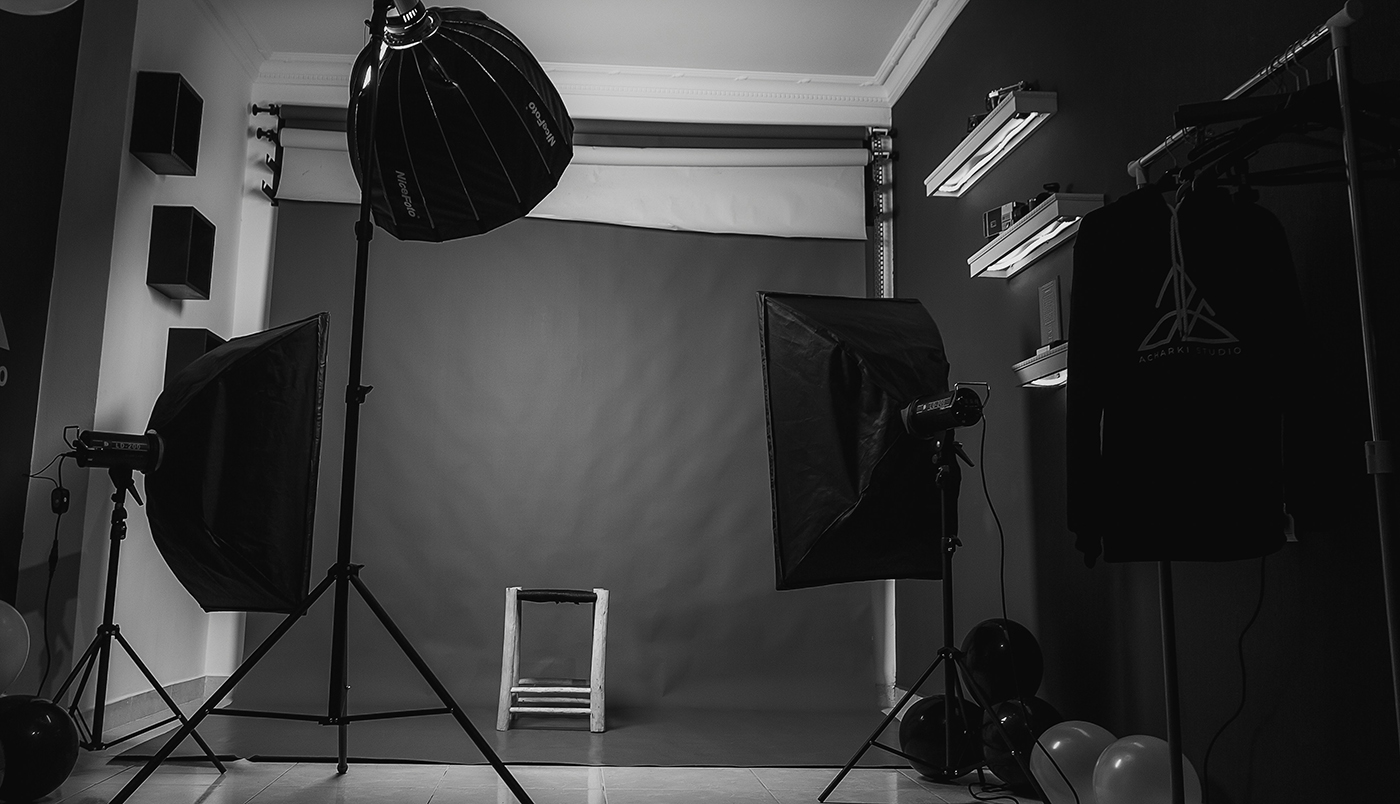
I’ve used this blog on the regular to talk about the complications of lighting, from lighting breakdowns to advanced lighting techniques used in the studio and on location. Lighting in photography and videography can be a great way to get creative, but there are a few fundamentals that help you better understand how lighting works, and these tools can be a great way to learn about lighting as well. So if you’re looking to get started in lighting, in both photography or even videography, you need to understand the three principles of lighting and how each of them changes your scene and subjects.
Mastering light is less about the gear you own and more about how you manipulate three fundamental pillars. When teaching these principles, I categorize them into a logical hierarchy: Intensity, Quality, and Direction. By understanding how these variables interact, you move from “taking a picture” to “crafting an image.” And these three rules don’t just apply to when you’re shaping your own light using studio strobes of high-powered LEDs, but also apply when shooting using natural light, as natural light is always shifting and altering.
Intensity of Light
Think of Intensity as the “volume knob” of your light source. It dictates the quantity of light reaching your subject and, consequently, your exposure settings. On studio strobes or other light sources, this is often controlled by a physical dial or set of buttons, but can also be adjusted when shooting with natural light by using a Neutral Density filter or increasing your ISO. Of the three principles, intensity is the least important when shaping your light, but also the easiest to understand.
Quality of Light
Next on the list is the quality of light, which has many nuances. Is your light hard (coming from a small source in relation to your camera), or is it soft (large source in relation to your camera)? Is it daylight balanced, or is it using RGB LEDs? Is it from a modifier with high specularity, like a highly reflective silver umbrella, or is it muted with something like a soft white? All of these principles fall under the very large and complicated umbrella of quality of light, and something that can be talked about all day.
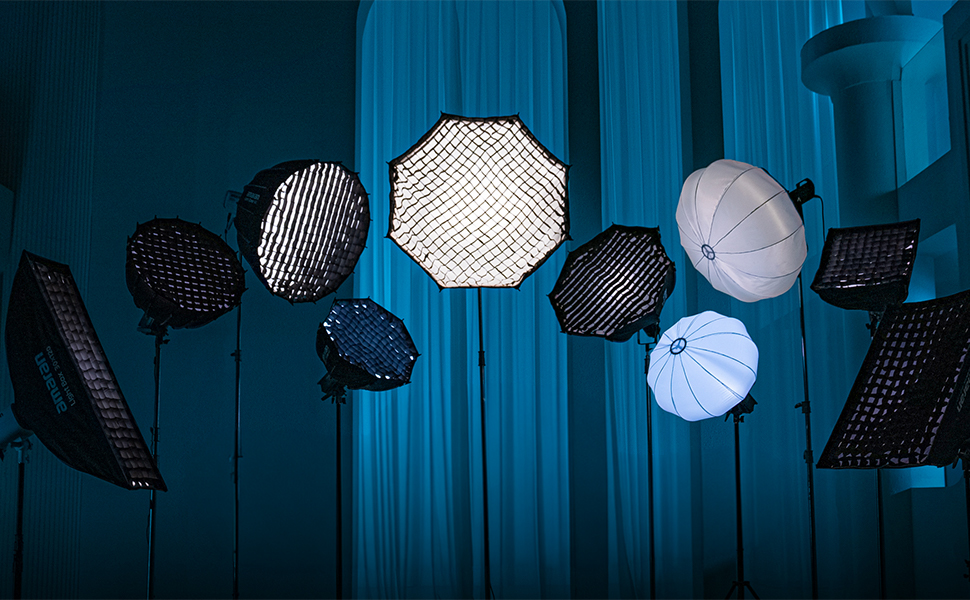
The quality of light is often the most-discussed lighting principle because it involves the greatest number of variables. Recessed light heads will have a different throw pattern than bulb heads, and no two softboxes are equal in lighting quality. For this reason, photographers and videographers will all have the specialized modifiers they swear by (mine is the Parabolic 45), and people often complain when a lighting modifier is discontinued or the manufacturing process is changed.
Direction of Light
Finally, the third principle of lighting is the direction of light, which simply refers to the position of the light source relative to your camera. This is the most powerful tool for creating a sense of depth and three-dimensionality in your images and video, but also is the one technique that comes with the most “rules”. Generally, when shooting a subject, it’s recommended to use lighting from above, as that is the most natural way we see the world. Going against these rules can result in some uncanny valley elements to your subject, and can be incredibly effective when used with intention.
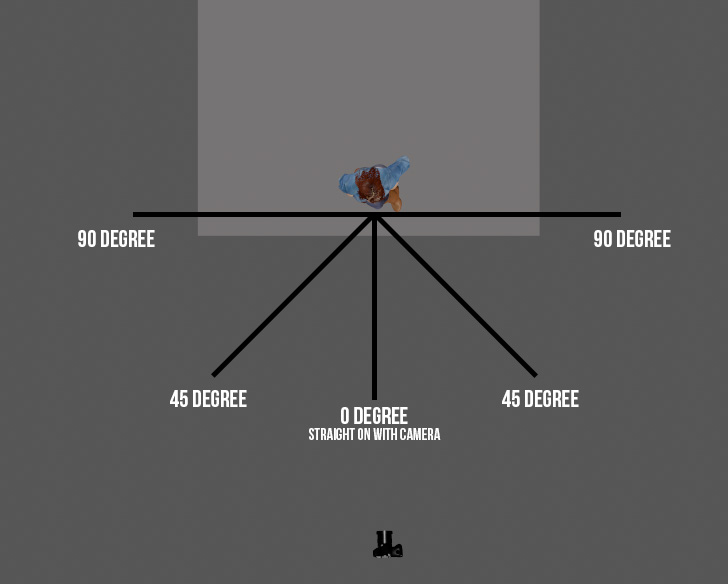
When you’re seeing a lighting breakdown, you’ll often see the direction of light referred to in terms of degrees from the subject. This is a common practice when looking to explain your lighting technique to help a viewer better understand where the light placement was on a two-dimensional plane, with whether it was overhead, straight on, or from below, bringing it into the third dimension.
Now that we have a stronger understanding of these three principles of light, I look forward to covering how to deduce lighting and understand it from popular TV, film, and images in my next article. I’ve also provided a number of links below that go into greater detail on the lighting principles listed below. Do you have any pieces of information that have helped you better understand how lighting works? Feel free to share your own wisdom in the comments section below.
Which Light Modifier Do You Choose for Your Photography Session?
Why You Need to Consider Parabolic Reflectors in Your Work
How the Light Placement Alters Your Subjects
How Your Flashtube Position and Shape Changes Your Light Quality

