Equipment
Five Photo & Video Things I Hope to See More of in 2026

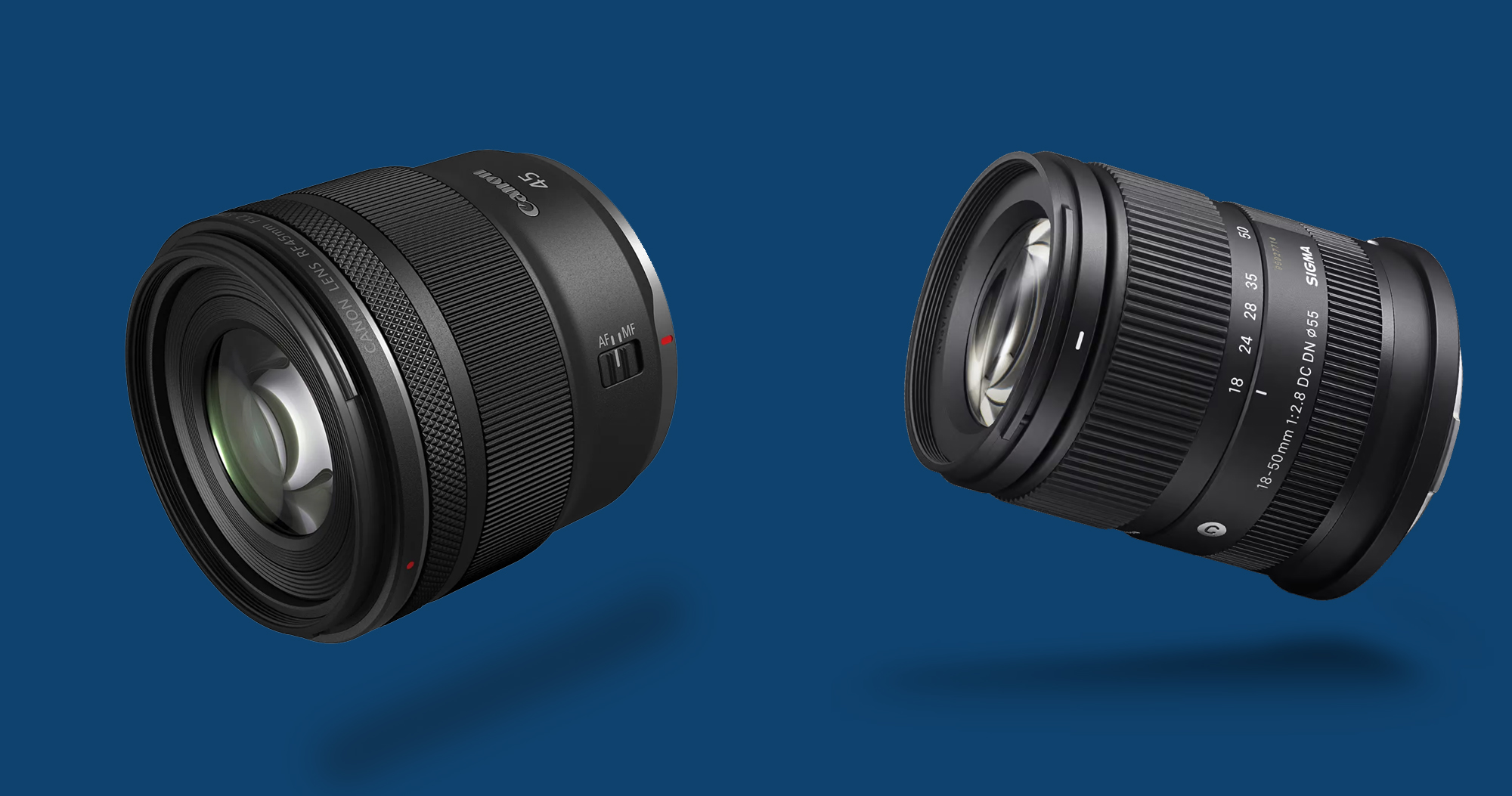
Last month was definitely a month of reflection. Not just in our personal lives, as we look back on the year and mark our successes and failures, but also on this blog, where we analyzed all our rental and purchase data and shared it with our viewers. January, however, will usually mark the opposite – looking forward into the year ahead and figuring out what we want to accomplish before the year’s end. While LensRentals.com certainly has a number of goals to hit this year, I also want to take a look at the gear introduced over the last couple of years and write a prediction piece for the blog. I’ve gone ahead and made a list, so let’s look at the five things I hope to see more of in the photo and video fields in 2026.
Third Party Lenses
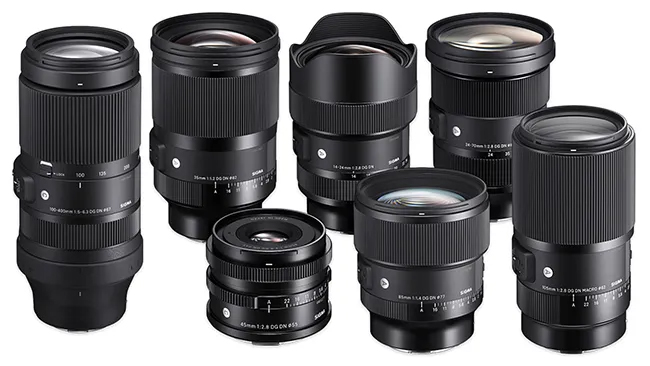
If you’ve been in this industry for over ten years or so, you probably look back at the pre-mirrorless days with some fondness, especially when it came to options. Regardless of whether you shot Canon, Sony, or Nikon, you had a large range of third-party lens options available. Sigma, Tamron, and Tokina were all popular options, and quite honestly, they all had some pretty great choices at various focal lengths. But since the transition to mirrorless camera systems and the adoption of new lens mounts, many third-party manufacturers haven’t had the opportunity to develop for these systems. While there have been a few third-party lenses made for the mirrorless platforms (Sony’s got plenty), only now are we seeing a big commitment from Sigma and others to produce more lenses for the RF and Z series of cameras. I’m hoping to see a big push from Sigma, Tamron, and Tokina to develop lenses for the RF and Z mount systems.
Fast Affordable Primes
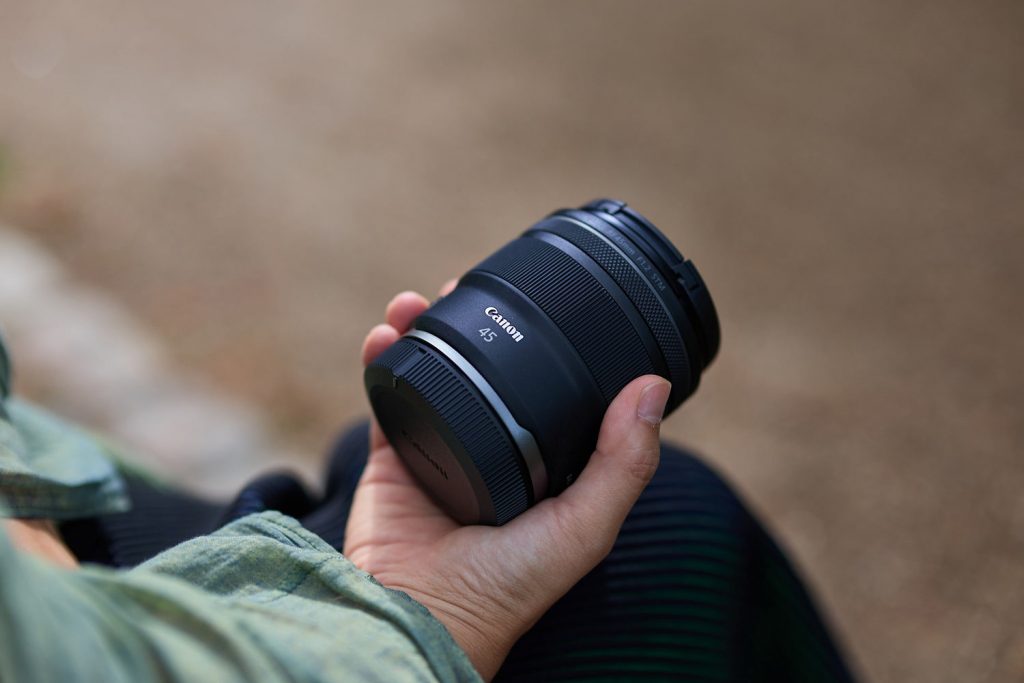
About 6 months ago, Canon did something really special and out of the norm for them. They released an incredibly fast f/1.2 lens and priced it under $500. The Canon 45mm f/1.2 USM is pretty groundbreaking, solely because speeds that fast weren’t previously available for under $1,000, and I’m hoping 2026 brings more lenses like this into the fold for all the brands. Lenses this fast aren’t new – Canon was making lenses this fast in the early 80s, and Leica has been making lenses this fast since the 60s, but they’ve always had a premium pricetag despite making massive gains in manufacturing processes and costs. Only now are we seeing that these fast lenses are also affordable, and I want to see them come out far more frequently in 2026.
Less Generative AI – More Workflow AI
These last few years have really had AI at the forefront of everything. And the photography and videography world is no exception, something I’ve talked about a few times on this blog. I’m not delusional; I know AI isn’t going away, but I hope for 2026 that it’s reframed a bit. We’ve seen hundreds of different systems that can generate art, corporate headshots, and videos of anything you could imagine in seconds… But we seem to have very few AI use cases for the workflow of a working professional. And that’s what I’m hoping to see more of in 2026: AI and automation that can help with workflow. I’m hoping 2026 brings more affordable studio management software that can send out invoice reminders and emails to potential clients. More workflow tools that can remove trash bins and telephone poles from images in a single click, and more tools that can help catalog your thoughts and creative inspiration onto a single sheet to send to clients. Like most creatives, I don’t want AI to take over the creative process; instead, I want it to help me dive into it more easily.
Improved App Support

When mirrorless came along, very quickly also came this promise of phone app support, allowing you to review, edit, and publish photos from the speed of your phone, but one thing has held true – they’re not very good. If you’ve tried to use these apps from your camera manufacturer, you’ve probably run into plenty of freezes, app crashes, and unresponsive results. The idea is brilliant; we’d all love to meld our phones with our cameras in a seamless way, but the results haven’t lived up to the promise. For 2026, I’m hoping to see more app support from the camera manufacturers that allows us to review images on the go. Though I realize this is a big ask, I’ve had the Fujifilm app on my phone for years, with little progress in usability and functionality, and it is one of the better apps in comparison to Canon or Nikon.
More Electronic Global Shutters
The final thing I would love to see in 2026 is more cameras with an electronic global shutter. Sony first highlighted this as a feature on its Sony a9 III, and there hasn’t been much attention to the technology since. The advantages of a fully electronic global shutter in the video sense are obvious; it allows you to eliminate the “Jello effect” known as rolling shutter, which is prevalent during fast camera movements. But on the photography side, it offers immense benefits as well. Most cameras have a maximum flash sync speed, determined by how quickly their shutter can open and close in a fraction of a second. Most crop sensors are limited to 1/250 s, whereas full-frame sensors are limited to 1/200 s. There are ways to combat this, with high-speed sync, leaf shutters, and other techniques… But they all come with their own limitations and costs. An electronic global shutter could theoretically fix this problem, allowing off-camera flash users to shoot at even faster speeds and stop motion better than ever before.
These are just a few of the technologies that I hope to see more of in 2026. Is there anything you think we missed? Feel free to comment your thoughts in the comments below.

