Equipment
Gear We Miss: 5 Products That Deserve a Comeback

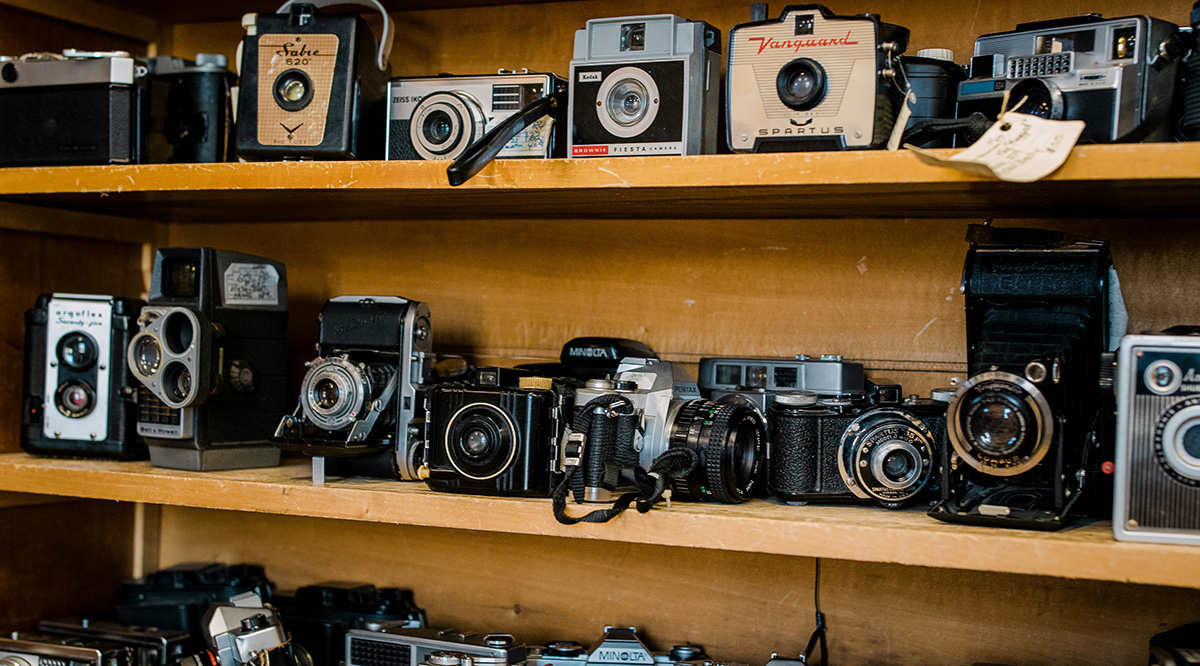
These past couple of weeks, as we celebrate another Lensrentals.com birthday, we’re taking a few strolls down memory lane. We first discussed the most popular rentals over the past 19 years, then took a closer look at some of the most groundbreaking pieces of gear from that time. But today, we’re going to hit the nostalgia hard, and I want to talk about five photo products (or trends) that we want to see make a comeback. We don’t need a lengthy introduction to a topic like that, so let’s dive right into it.
The Color Palette of Cameras Like the Original 5D
We’ll start with the ultimate nostalgia bait, and I’ll come right out and say that I miss the color palette of specific cameras, particularly the original Canon 5D (and the Canon 5D Mark II). This is nothing new; a quick Google search reveals numerous articles, forum posts, and Reddit content asking how to replicate the colors of those cameras in particular. What made them so special? Well, if we’re splitting hairs, I think it’s the lack of color. Earlier digital sensors lacked the incredible color bit depth of modern cameras, and as a result, everything appeared a little more muted out of the camera. Whereas a modern camera might feel vibrant, the original Canon 5D and Canon 5D Mark II felt slightly muted.
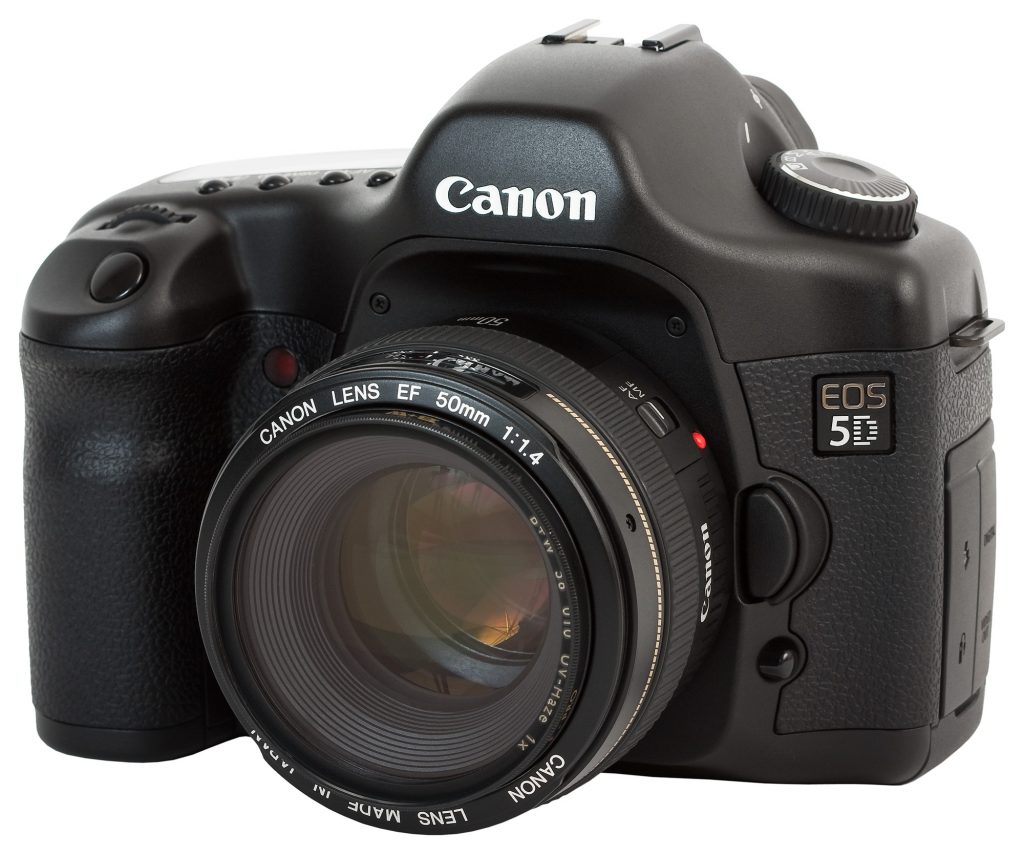
Unfortunately, it’s not as simple as just adjusting the Saturation slider by 4 or 5 points. The Canon sensor of yesteryear was particularly adept at rendering blues, but less so when it came to reds. To mimic the sensor, a significant amount of work would be required on the sliders, which would need to be done on a photo-by-photo basis. So what am I suggesting? A color simulation. If you own a Fujifilm camera, you’ve likely noticed that it comes with several film simulations straight out of the box, and they’re remarkably accurate representations of the film they mimic. While Fujifilm has a long history of making iconic film stock, Canon has a long history of making cameras, and I would love for them to create simulations of the characteristics from their iconic cameras over the last few decades. Digital noise, muted colors, while maintaining the same level of sharpness and resolution as a modern camera, would yield some interesting results.
Pocketable Point-and-Shoot Cameras
If you talk to someone under the age of 25, you’ll learn pretty quickly how popular point-and-shoot cameras have become over the past year or so. However, these people aren’t buying the new Sony RX1R III or even the Sony RX100 VII – they’re purchasing point-and-shoot cameras from 10+ years ago. Several factors contribute to this, including nostalgic color palettes and generally poor light metering, as well as the fact that they’re far more pocketable than most cameras available today.
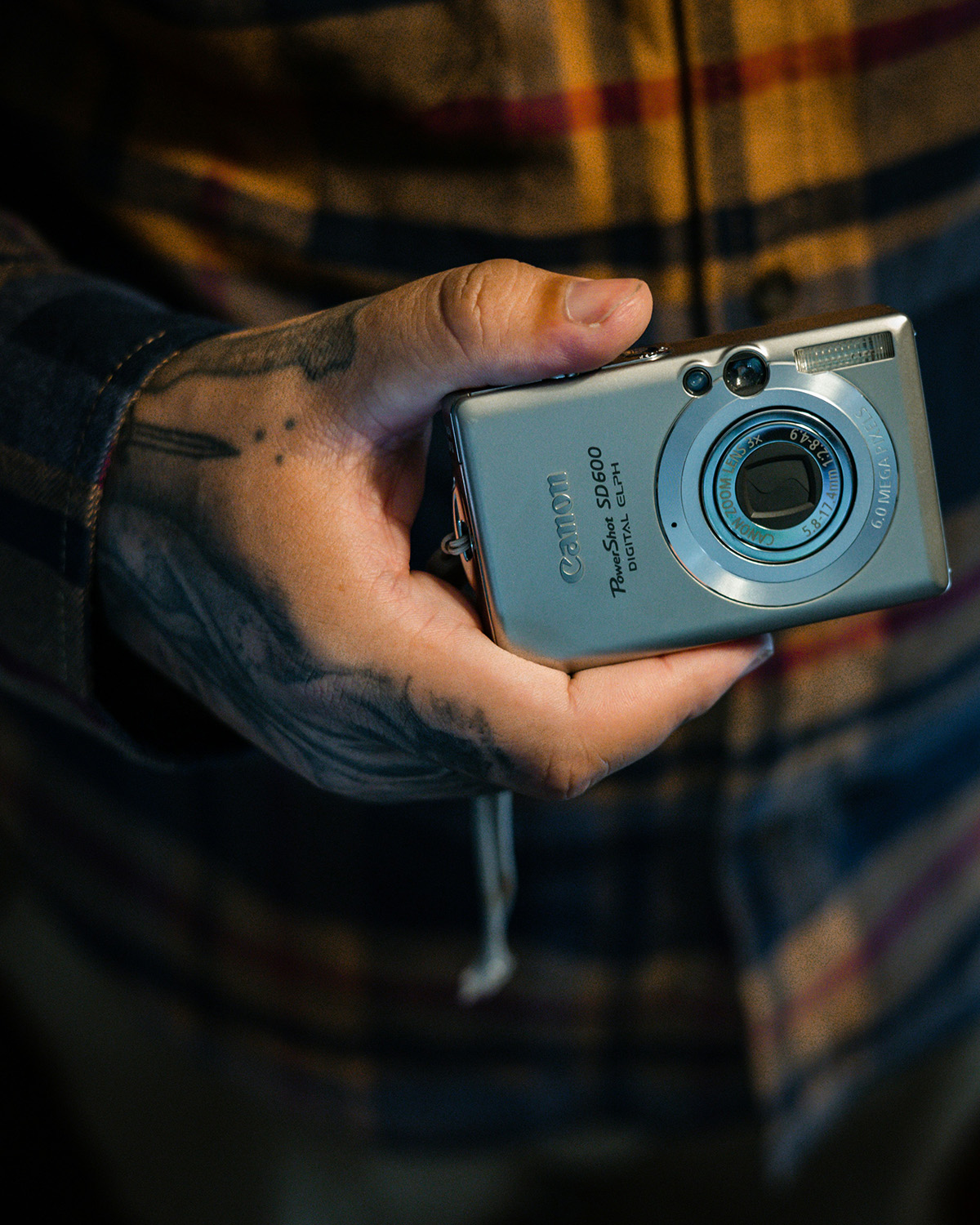
Over the last 10-15 years, the overall sales of point-and-shoot cameras declined, as most people preferred using the increasingly usable camera on their phone. In response, many manufacturers targeted the prosumer market and introduced cameras designed for them – a bit more feature-rich, but with usability tailored to those who know what they’re doing. However, as people face internet exhaustion, they seek an easy-to-use camera that doesn’t bombard them with depressing news alerts. Consequently, the Canon PowerShot and Nikon CoolPix systems from the early 2000s have experienced a huge comeback. It would be nice to see these brands follow this trend and offer easy-to-use cameras that can fit into your pocket and don’t cost $800.
Disposable Cameras
Continuing on that topic, I would love to see disposable cameras make a comeback. Yes, those terrible little plastic cameras you could buy at the checkout line of the grocery store. Growing up, like many others, my family didn’t have a dedicated camera. Instead, when we were going on a family vacation or something, my parents would pick up a disposable camera or two from the store, and that would work as our family camera for the weekend.

As I mentioned in the last point, the nostalgic vibes are really heavy these days, and if people are prioritizing an aesthetic over sharpness and color rendering, name one camera that evokes more nostalgia than a disposable camera? While the days of affordable one-hour photo development are behind us, it would be cool to be able to pick up a disposable camera at my local store to use over the weekend.
Ultrafast prime lenses (<f/1.2)
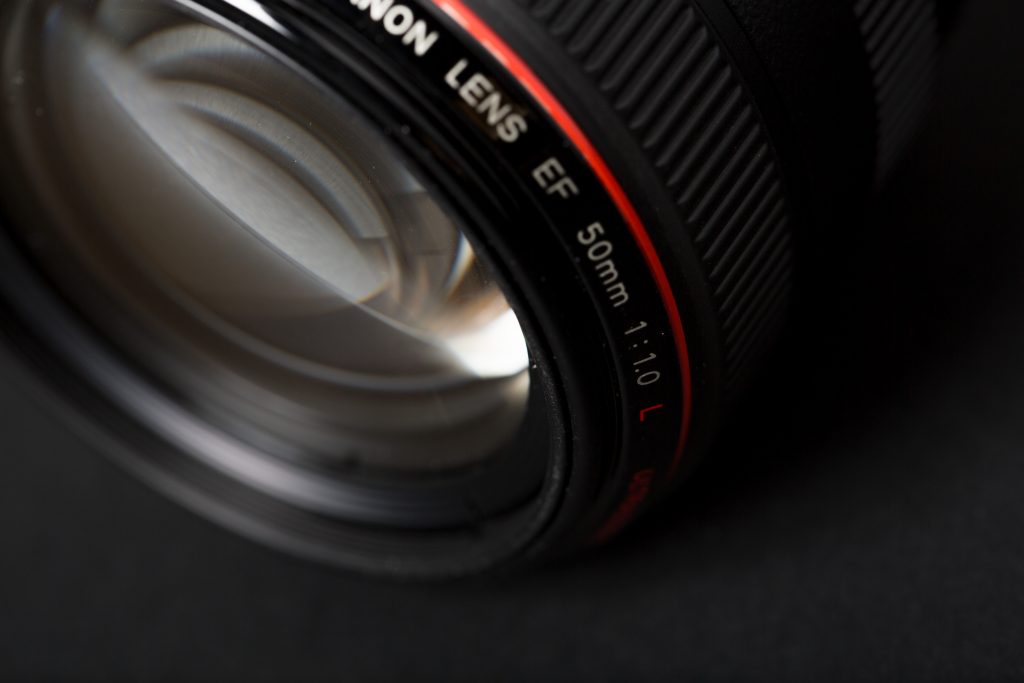
Before the megapixel race of the early 2000s, there was another lesser-known race, one that I would like to see revived – the race to the fastest lens imaginable. The most well-known champion is the Leica Noctilux-M 50mm f/0.95 ASPH, which debuted late in the race in 2008. However, Canon has also had some of these lenses, and I’d love to see some of the less boutique manufacturers participate in this once again. For one, Canon debuted the Canon 50mm f/1.0L back in 1989, a marvel for the Canon system at the time. I’ve used this lens and really loved it, despite its undeniable flaws in sharpness. But Canon had another competitor in the fast lens race, which debuted the year before: the Canon 200mm f/1.8L. In 1988, Canon made the 200mm f/1.8L lens and released it to the masses. Another lens I have used and reviewed in the past, the Canon EF 200mm f/1.8L, was big, heavy, and not particularly fast or accurate. But when that sharpness hit wide open, the results were pretty incredible. With mirrorless platforms becoming the standard, there has been considerable discussion about flange lengths and other technical aspects that delve into the theoretical aspects of f-stops. I’d love to see these manufacturers start challenging those limits once again.
Nikon’s Return
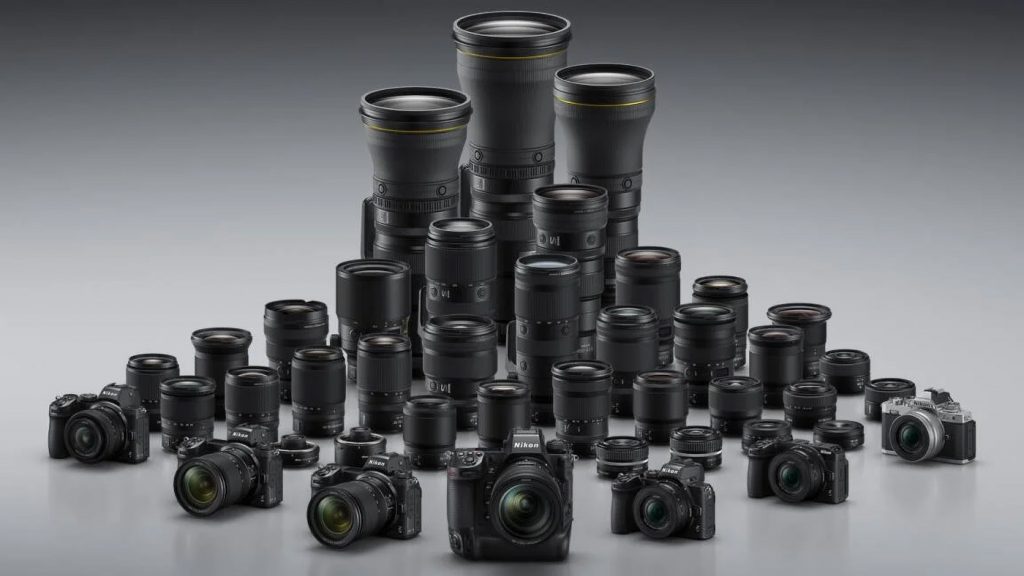
Finally, and perhaps most importantly, I want to see Nikon make a resurgence. Canon and Nikon were once the top two in the industry, and over the past decade, Nikon has experienced a decline in its standing, with Sony and Fujifilm filling the gap left by the fallout. Nikon has had a tough dozen years or so, marked by consistent camera recalls that questioned their reliability, slow development in the mirrorless market, and whispers about whether they truly have sufficient working capital. I was never a user of Nikon systems, but I want to see them succeed and start developing groundbreaking cameras, like they often did a decade or so ago.
Sure, they’re not gone yet, and are still having routine releases of cameras and lenses, but any industry professional can see that there is a little blood in the water. I hope they can rebuild their reputation and customer base to continue thriving for decades to come.
And that’s my list of things I want to see make a comeback for the photo & video industry. What about you? Do you have something you long to see make a return? Feel free to spill your nostalgia in the comments section below.

Author: Zach Sutton
I’m Zach and I’m the editor and a frequent writer here at Lensrentals.com. I’m also a commercial beauty photographer in Los Angeles, CA, and offer educational workshops on photography and lighting all over North America.-
Someone
-
Carlos Refried
-
Carlos Refried
-
Alex Greenfield
-
Alex Hayes
-
Simon Wheeler
-
sala.nimi
