
Lenses and Optics
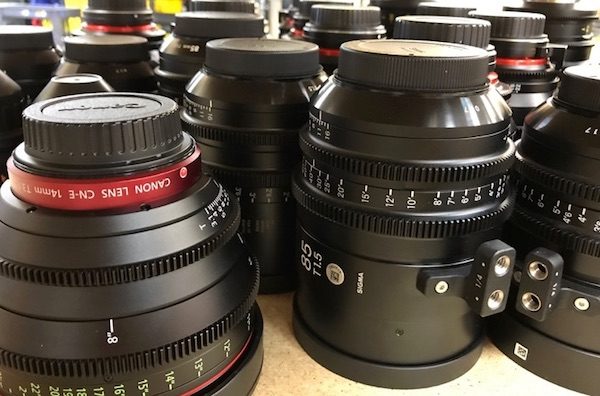
Why We’re Going to Start Testing Cinema Lenses. And Why We Haven’t Before.
Here we go again. This isn’t my first time pissing off the status quo; I’ve been doing it for years. We spent the last few years developing better metrology (lens testing) for photography lenses. The reason was relatively simple; photography cameras with higher resolutions began to see flaws that…
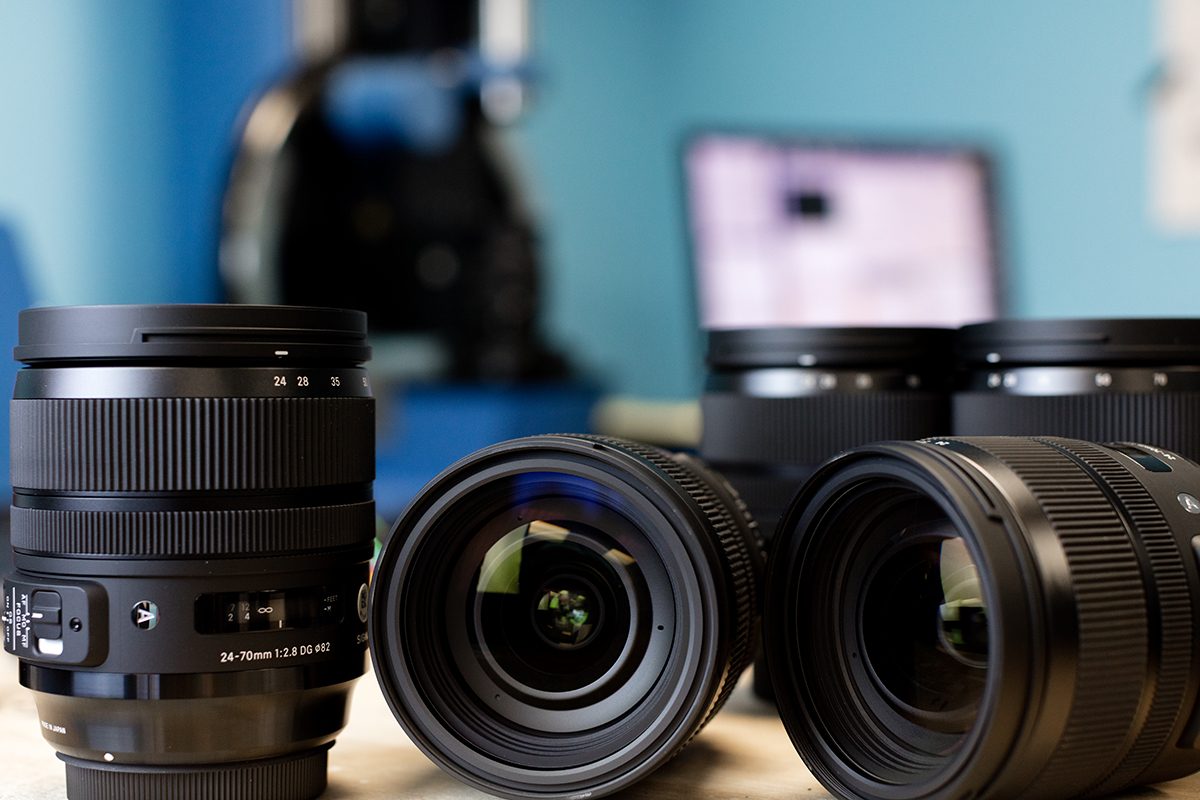
Sigma 24-70mm f/2.8 DG OS HSM Art Sharpness Tests
Sigma has been on an incredible run these last 5 years, releasing one amazingly sharp lens after another. They’ve made lenses no one has ever tried before and not only succeeded, they made them amazingly good on the first try. Their quality control has become as good as anyone’s, better than most.…
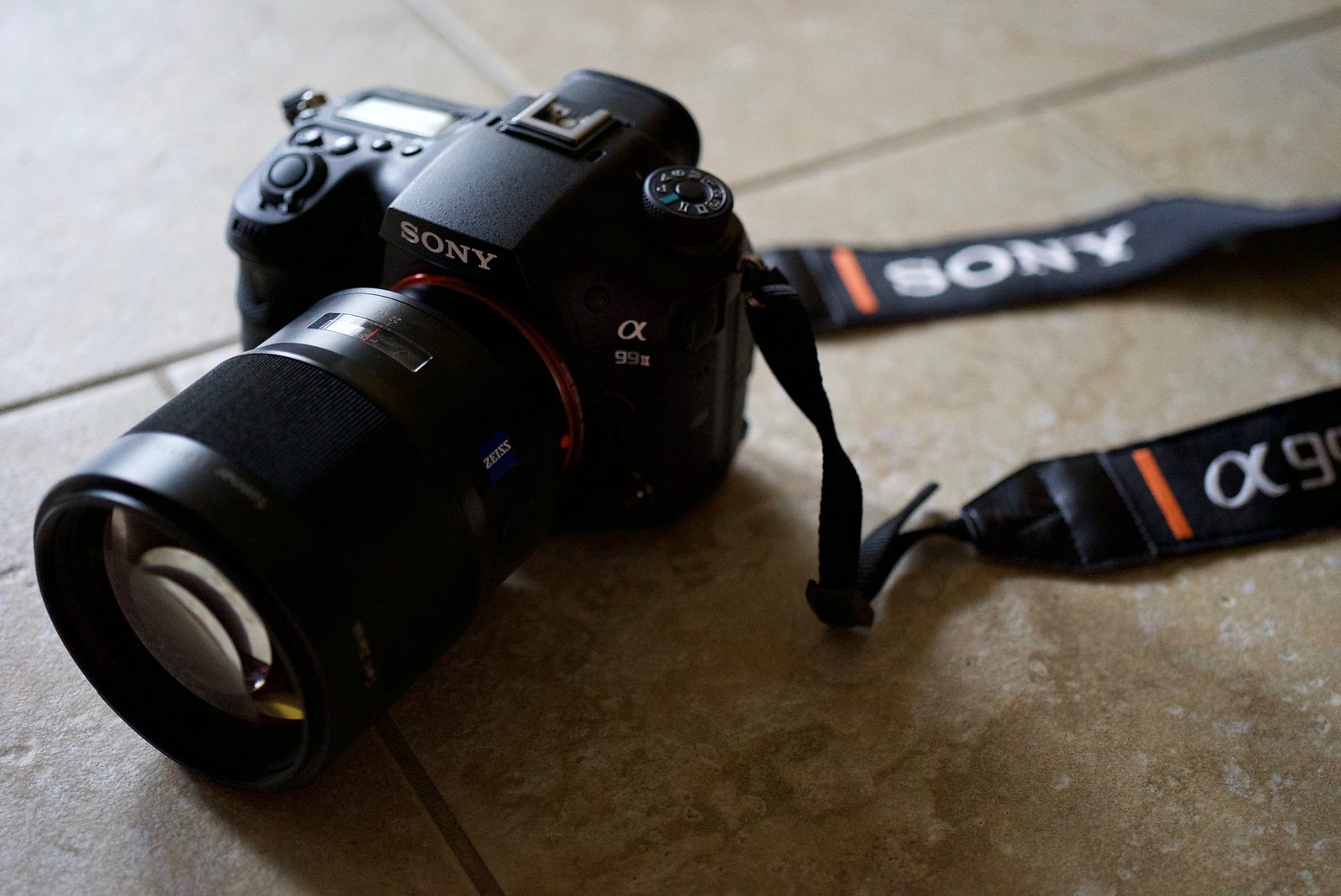
A Videographer’s Take on Sony’s a99II and the Yet to be Antiquated A-Mount
As a videographer, it’s easy to forget about Sony’s A-Mount. Still, I recognize that I owe a great deal of respect to the previous Minolta line. In its prime, Minolta developed several revolutionary functions that are often taken for granted today. Minolta’s Single Lens Reflex (SLR) technology was…
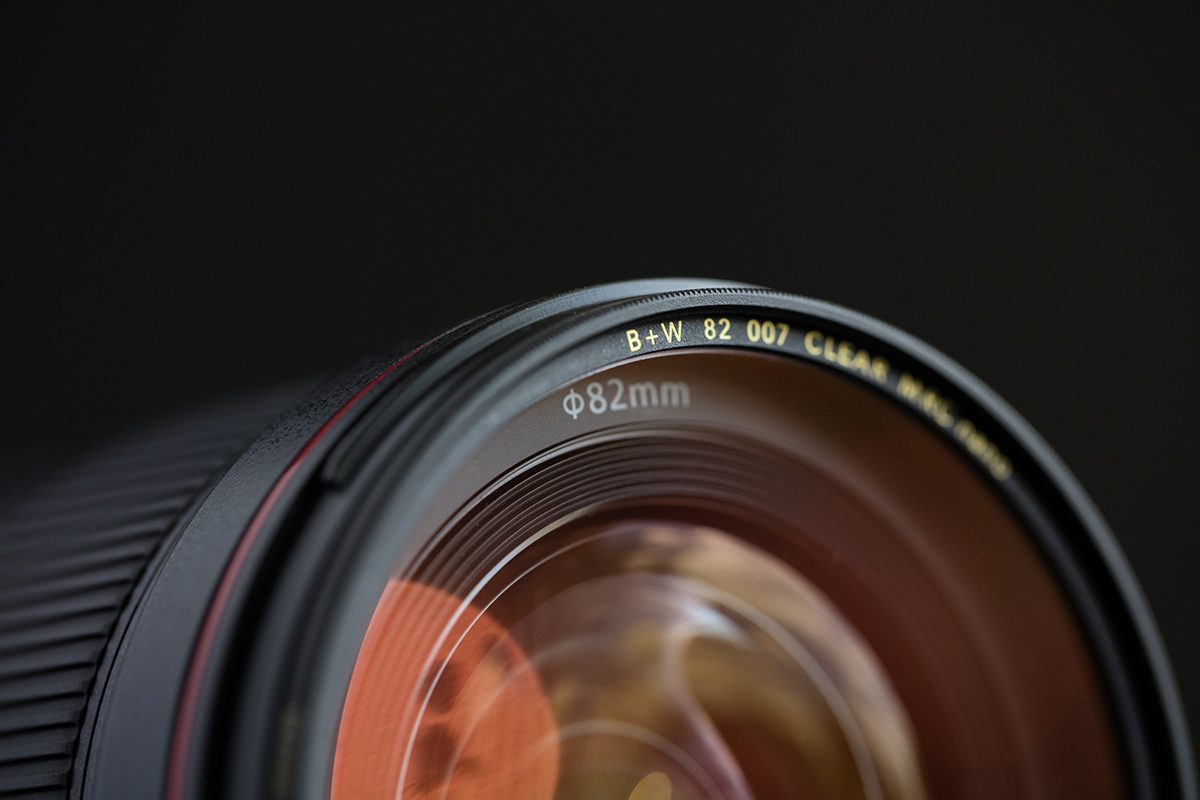
Yet Another Post About My Issues With UV Filters
Yes, I’m sick of filter articles, too. But I come today not to educate you, but to mock others. Because yes, people continue to try to save a few bucks by putting a cheap filter in front of their $1,000 lens. And also because they buy what they think are good filters off of Fleabay or some used…
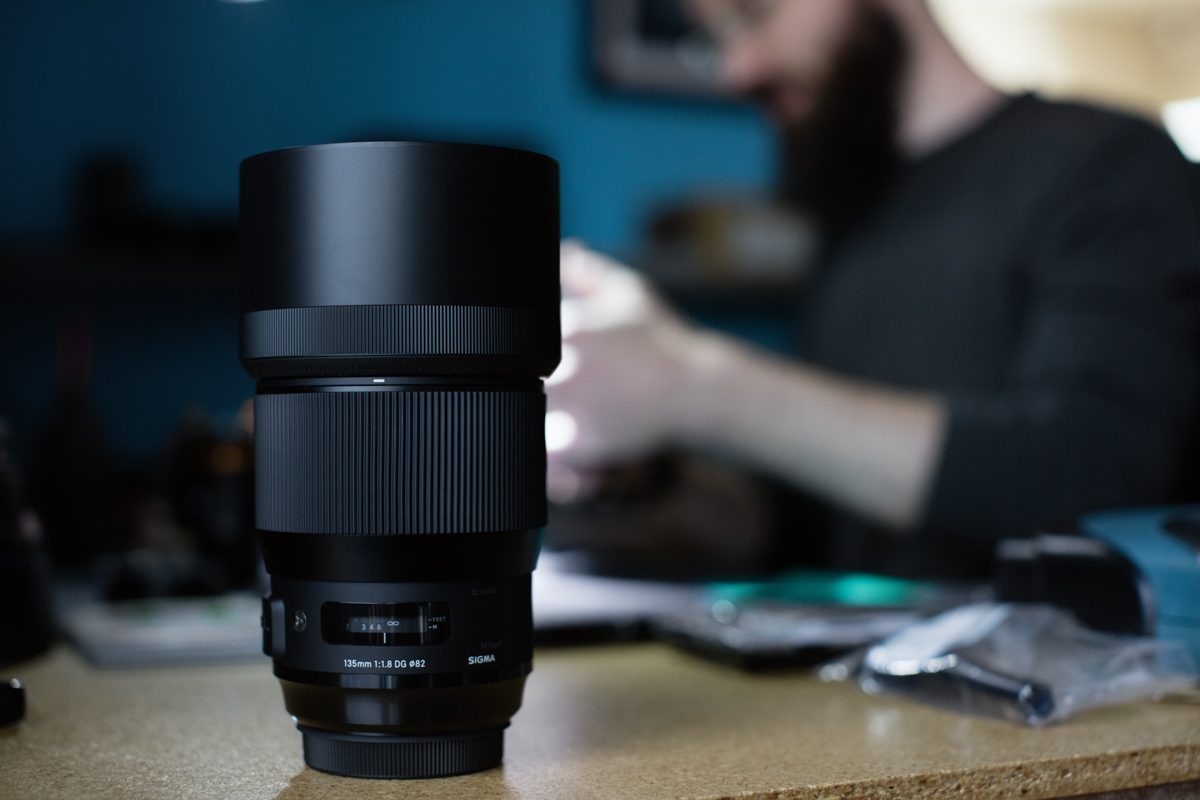
Sigma 135mm f/1.8 Art MTF Charts (and a Look Behind the Curtain)
I know there are a lot of people who want to see what the MTF charts on the new Sigma 135mm DG HSM f/1.8 Art lens look like. We just did our initial screening test on ten copies, so I’ll show you what we found, and give you some comparisons to some other 135mm lenses. This also presented a good…
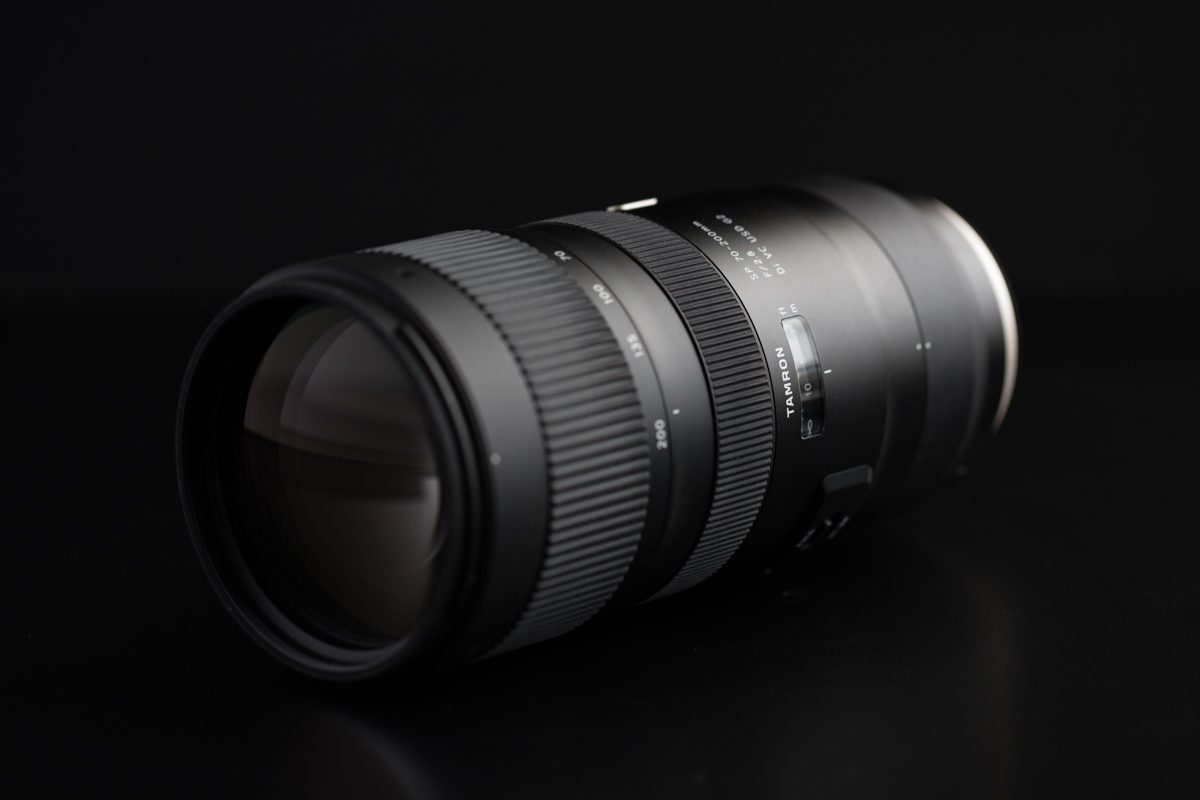
MTF Lens Tests of the New Tamron 70-200 f/2.8 SP Di VC USD G2
There’s been a bit of rumbling lately about the new Tamron 70-200mm f/2.8 G2 zoom. Not just because it is a frontrunner in the _2017 Most Initials in the Name Award_, but because a lot of people are saying it’s really quite good. The previous Tamron 70-200mm f/2.8 was a good lens, but since they…
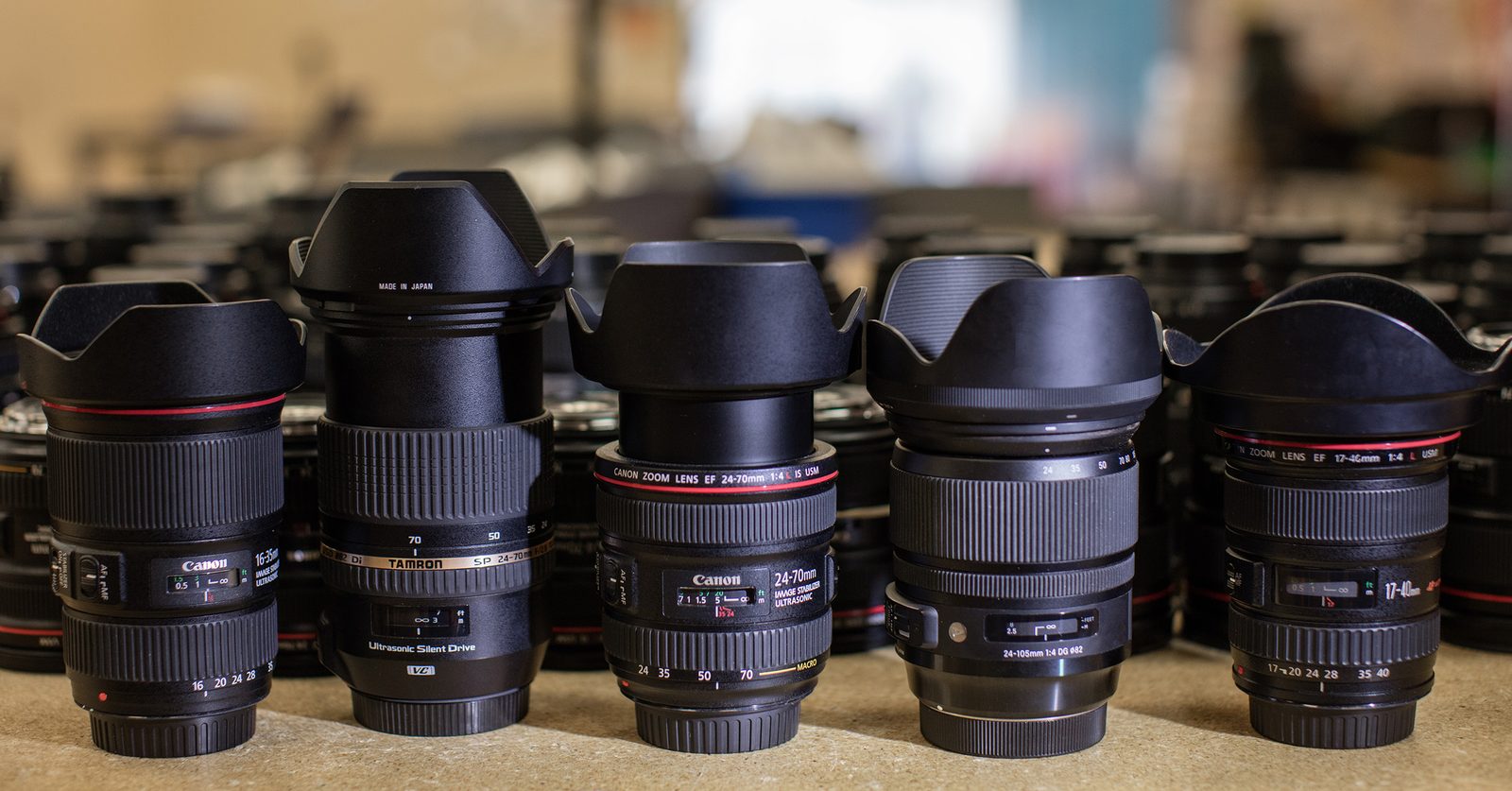
Painting Zoom Lenses with a Broad Brush – Roger’s Law of Wide Zoom Relativity
I’ve been writing peer-reviewed scientific papers for way longer than I’ve been blogging about optics. I value significant numerical information presented with methods that allow reproducibility as much as anybody. But way too many people who can’t define either spurious accuracy or spurious…
Things You Didn’t Want to Know About Zoom Lenses
The intersection (perhaps collision is a better word) of art and science is interesting. The scientist says “your impression is not as important as my facts.” The artists say “my impression is all that matters.” Imaging is that way. The photographer or videographer getting the look he wants from a…
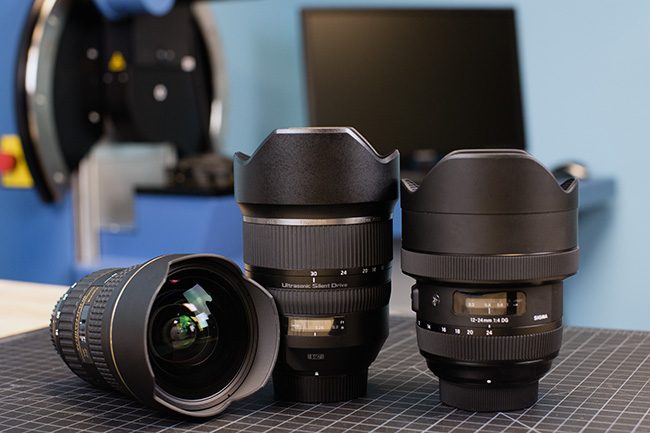
Third Party Ultra-Wide Lenses MTF Comparison
Contrary to what most people believe, we do pay some attention when people ask us to do MTF testing on certain lenses. I’m not saying we do it, but we do pay attention to the requests and when we have some downtime will look at that request lists and see if there’s something on it we can get to.…
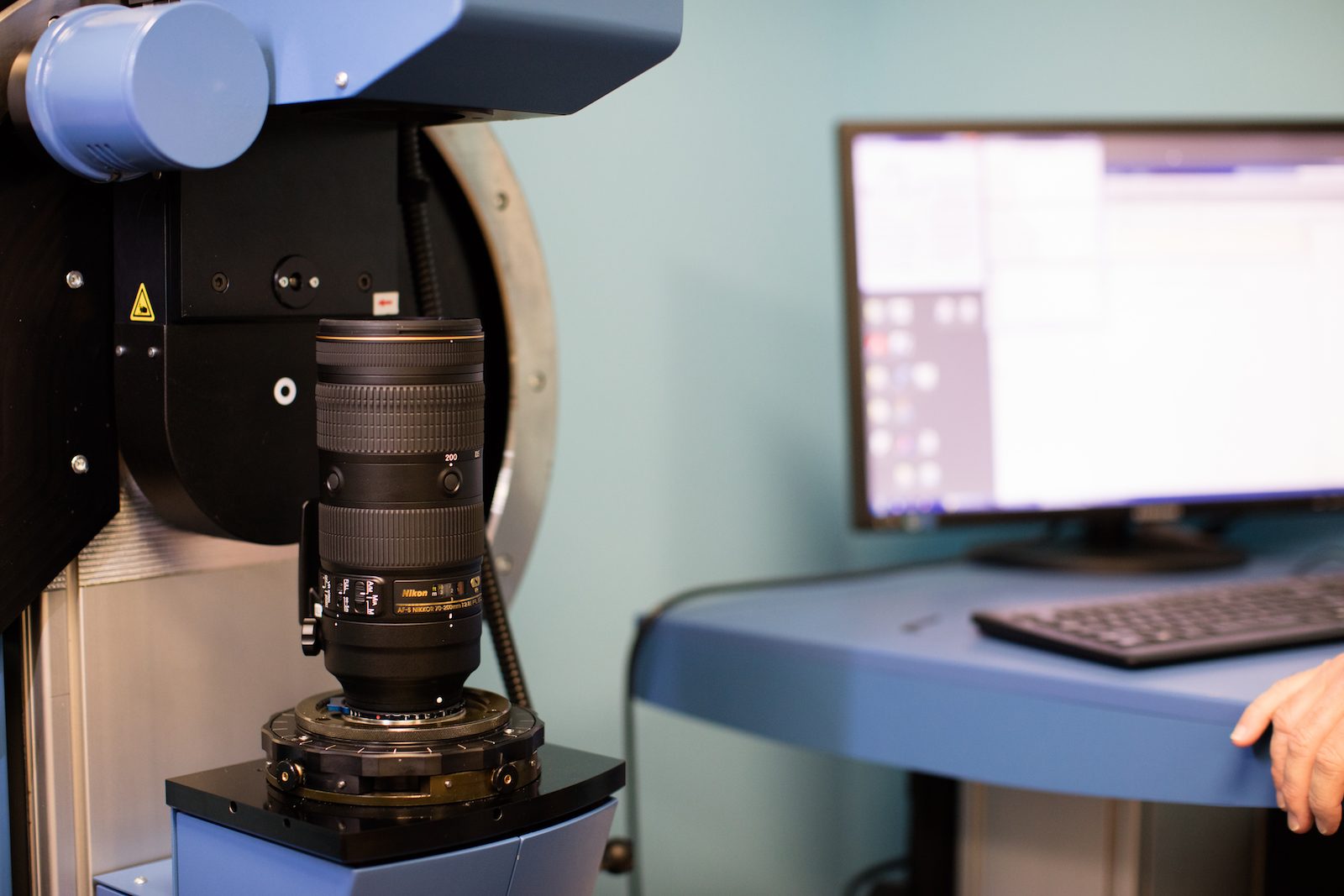
Nikon 70-200mm f/2.8E FL ED AF-S VR MTF Tests
Well, we all want to call it the 70-200 VR III, since it replaces the Nikon 70-200 f/2.8G AF-S VR II. But the new lens is officially the 70-200mm f/2.8E FL ED AF-S VR. It is most definitely a different lens; it’s 22 elements include one fluorite, one high-refractive, and six ED elements, along with…
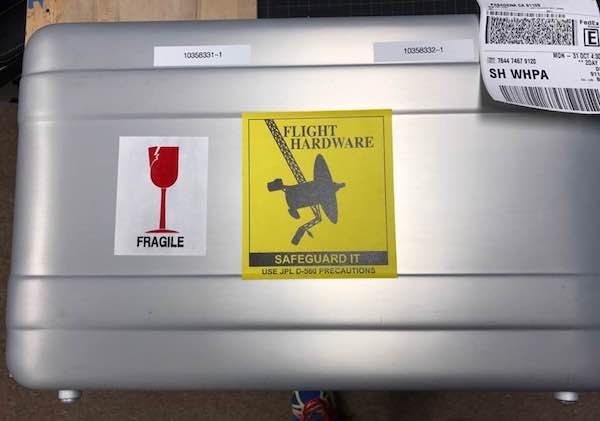
Testing NASA Optical Lenses – How We Measure Sharpness and Accuracy
We’ve spent about 5 years developing and repurposing various types of optical testing for use testing photo and video lenses. It’s been a long process with lots of learning (learning is when you find out you’re doing it wrong), and improvements along the way. We’re pretty close to finished; our…
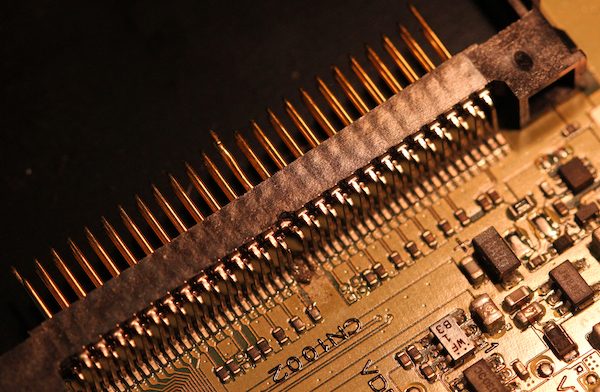
Fun with Field of Focus II: Copy-to-Copy Variation and Lens Testing
I mentioned in our first post in this series that one of the major reasons I was interested in looking at field curvatures was as a means of detecting lenses that are weaker on one side (or perhaps one corner). If you haven’t looked at that post, you really need to before you tackle this one. In…