Equipment
The Netflix Approved Camera List for 2026

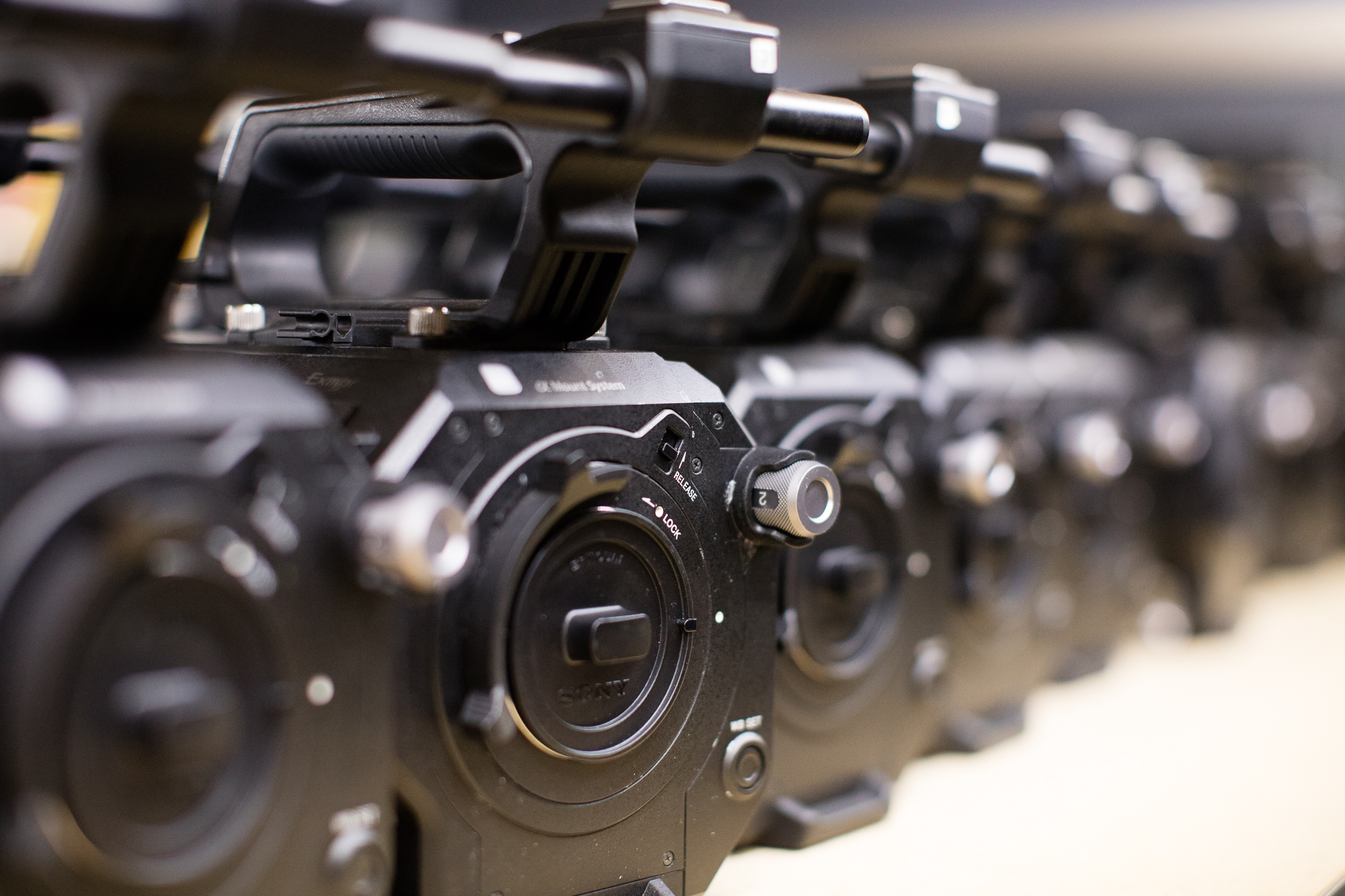
With the motion picture being over 100 years old at this point, there is a pretty massive array of gear you could use for your next film. However, without standards, it’s easy to end up with footage that doesn’t translate well on modern televisions and screens. While creative expression is important, and you should be able to shoot your next movie on Super 8mm if you want, standards also ensure that your footage looks great across multiple platforms.
So Netflix has seven different capture standards that cameras must meet to be considered ‘Netflix approved’. These are designed to set an industry standard for image quality, ensuring that all productions on Netflix (and elsewhere) meet it. While this might get some criticism from those who are attempting a specific style, or working with a tight budget, the intention is well-meaning – no one wants to watch something filmed at 480p. So let’s take a look at the seven requirements needed to be met in order to be considered ‘Netflix Approved’.
Resolution
Minimum of 3840 photosite capture width (Spherical)
The first requirement is the most obvious, Netflix requires all productions to have a “minimum of 3840 photosite capture width (Spherical).’ For a standard 16:9 aspect ratio, this translates to 3840 x 2160, commonly known as UHD 4K. While many productions opt for higher resolutions, this is the “floor” for Netflix approval. Fortunately, since UHD has been the industry standard for over half a decade, most modern professional and prosumer cameras easily meet this baseline. The 3840-pixel requirement applies specifically to spherical production (standard lenses). If you choose to shoot with anamorphic lenses, the rules change. Most notably, anamorphic lenses “squeeze” a wider image into the sensor, which is stretched back out in post-production. Because of this, anamorphic projects require higher horizontal resolution to maintain image clarity; therefore, not all 4K cameras are approved for anamorphic work. If you’re in the anamorphic weeds, Netflix has put together a guide of cameras specifically approved for anamorphic capture.
Codec
Lightly compressed or uncompressed RAW
Or intra-frame based codec with 4:2:2 chroma sub-sampling or greater
While codec requirements can look intimidating, they generally fall into two categories that most modern professional cameras handle with ease.
The first option, RAW, is the uncompressed data pulled directly from the sensor. While “true” uncompressed RAW offers the most control, the massive file sizes can be impractical. To solve this, most manufacturers offer Compressed RAW (e.g., REDCODE, Canon Cinema RAW Light, or ProRes RAW). These formats provide the high-end flexibility of a RAW workflow while keeping file sizes significantly more manageable.
The second option, an intra-frame-based codec, requires chroma subsampling of 4:2:2 or higher. Essentially, these specs ensure the file retains enough color data and tonal gradation for professional grading. If this is confusing to you, we’ve put together a pretty handy guide to what these numbers mean and how it all works.
Bit Depth
Bit depth: 10-bit or greater
On a similar note, Netflix requires a color bit depth of 10-bit or higher. 10-bit color depth means the camera uses 10 bits of data for each red, green, and blue channel per pixel, totalling over 1.07 billion colors. This helps reduce banding and supports HDR for your content, delivering better colors, higher brightness, and greater contrast.
Data Rate
Minimum 240Mbps at 24FPS
If you’re meeting the standards on all other fronts, it’s likely you’re meeting these standards as well. The standard is a data rate of at least 240 megabits per second at 24 frames per second. With the minimum resolution and codec requirements listed above, you’ll almost assuredly be shooting at a data rate above 240Mbps.

Color Space & Transfer Function
Scene-referred Color Space (S.Gamut3, ALEXA Wide Gamut, REDWideGamut etc.)
Scene-referred Transfer Function (Slog3, Log C, Log3G10, VLog etc.)
These two requirements are designed to give your footage the best dynamic range possible on set. Using the correct color space helps preserve the footage, and using the correct transfer function preserves those colors and dynamic range in your final product.
Timecode
System is capable of jamming to an external source.
Timecode should be written as metadata.
The last requirement to meet a Netflix-approved status is proper timecoding. While Netflix admits they’re less strict about this for non-fiction documentary projects, a proper timecoding system is an important tool for keeping your footage organized and properly cataloged. While many midrange camera systems don’t include a timecode function, it can be added using tools such as Tentacle Sync.
That’s it – those are the standards needed to be met to consider your project ‘Netflix Approved.’ They are more lenient on documentary film guidelines, but for safety, these standards are ones all videographers should follow to ensure their final project has the best chance of success. How do you feel about Netflix having a standard for the footage they purchase? Do you think these standards are a good thing or a bad thing? Feel free to chime in using the comments below.

Author: Lensrentals
Articles written by the entire editorial and technical staff at LensRentals.com. These articles are for when there is more than one author for the entire post, and are written as a community effort.-
maico61
-
Stanislaw Zolczynski
